
Set up the enclosure correctly
Treat this step as a welfare screen for Bearded Dragon Care. Compare the source, the animal's visible condition, the seller's care knowledge, the paperwork, and the transport plan before you commit. A good purchase path should make the dragon's health easier to verify, not harder. Pause before paying if any part of the chain is unclear. Confirm the exact animal, pickup or shipping timing, heat-pack plan when relevant, return policy, and the supplies you need at home for the first week.
Use the checklist as a welfare screen: verify the source, health signs, enclosure readiness, paperwork, and transport plan before paying.
Install proper heating and lighting
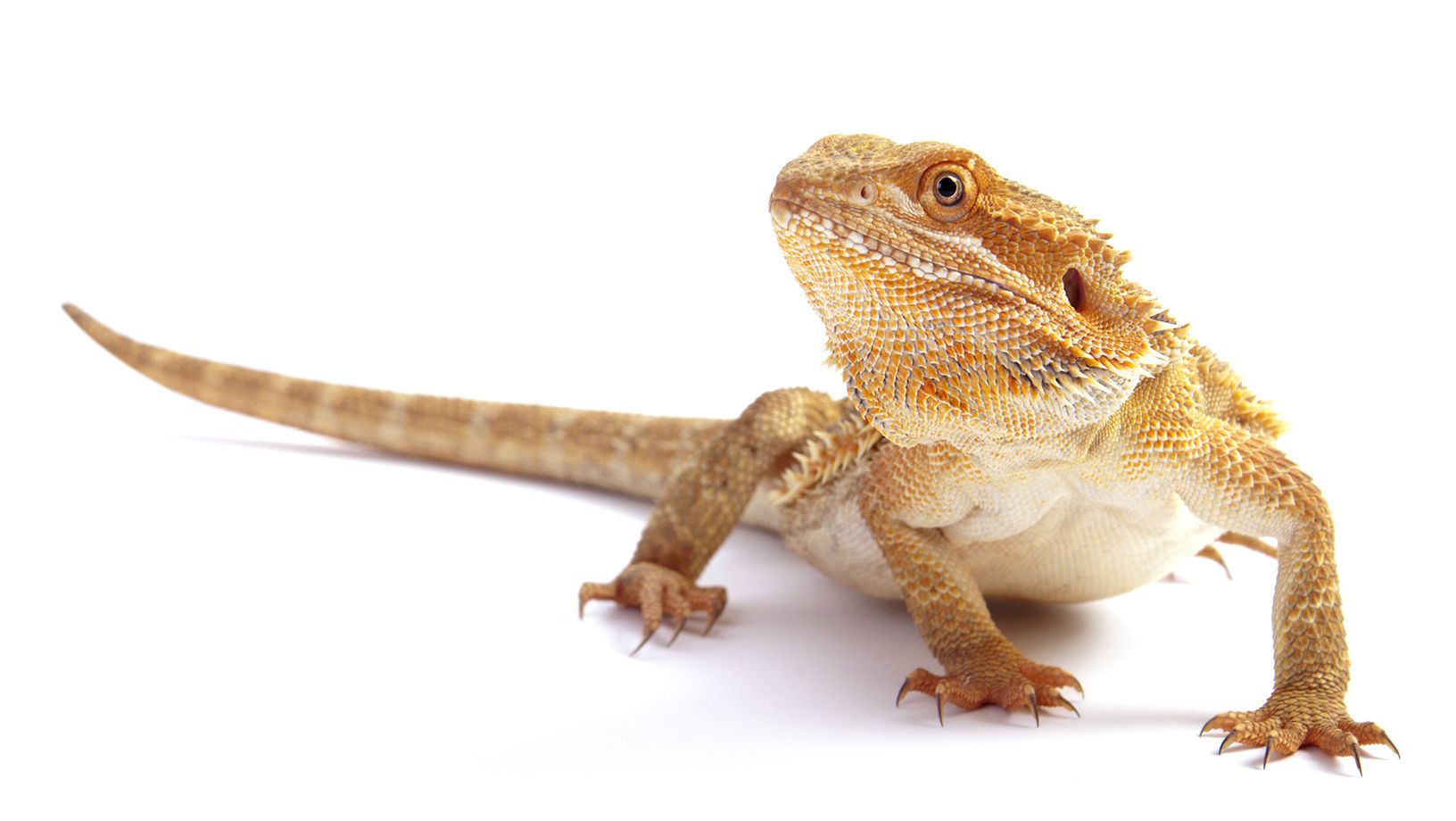
Bearded dragon care hinges on replicating the intense solar radiation of their native Australian habitats. Without the correct balance of UVB exposure and thermal gradients, these lizards cannot process calcium, leading to metabolic bone disease (MBD). MBD is a painful, often fatal condition that causes soft, deformed bones and is the leading preventable health crisis in captive bearded dragons.
Follow this sequence to install the lighting rig correctly.
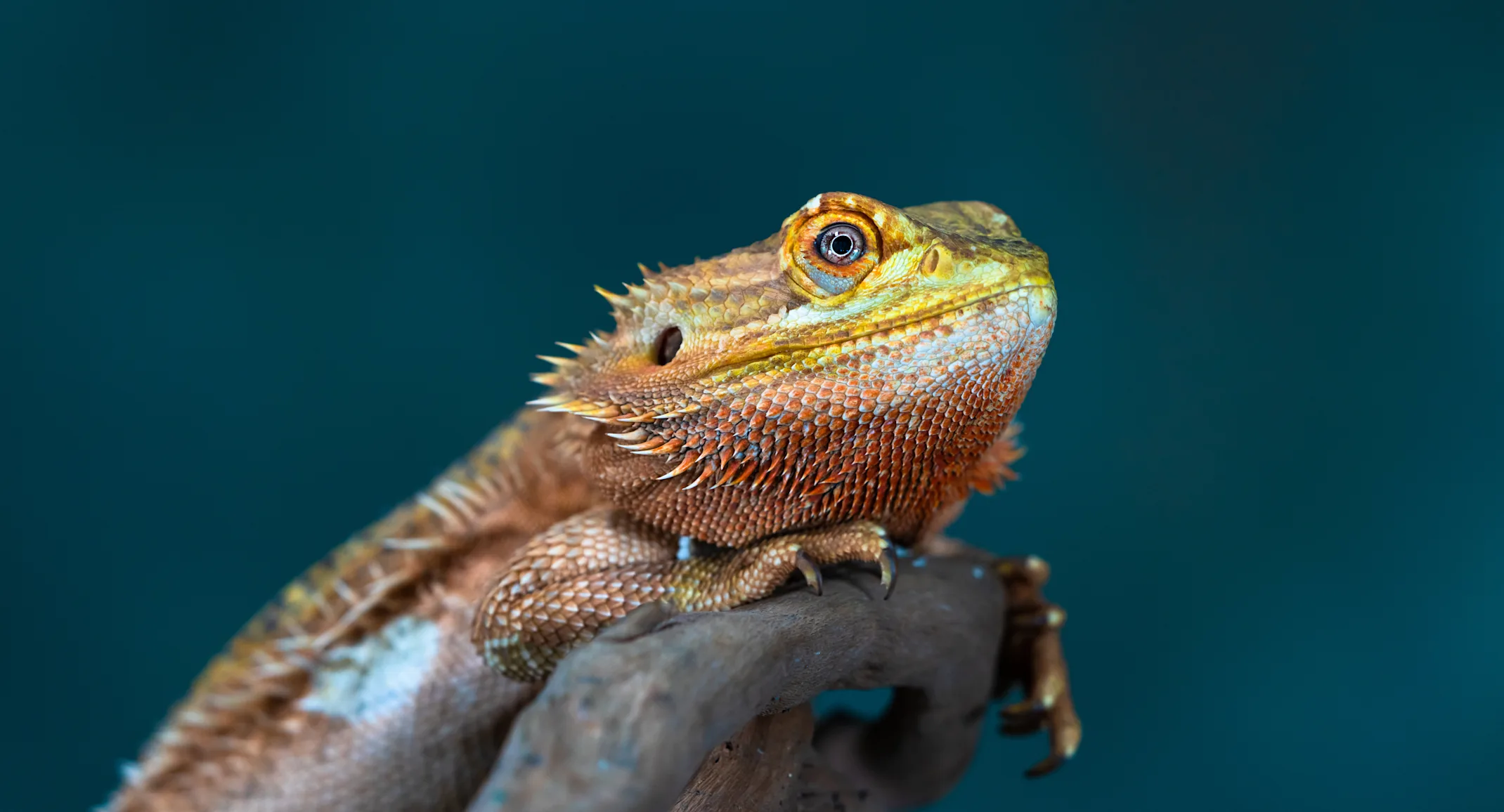
Avoid compact spiral bulbs; bearded dragons need full-spectrum coverage across their entire basking area. A linear T5 HO (High Output) 10.0 or 10.1 UVB tube is the standard for proper bearded dragon care. Ensure the fixture is long enough to span at least two-thirds of the enclosure length so the lizard can move in and out of the UV zone as needed.

UVB photons do not travel through glass or plastic. If your enclosure has a glass front, the bulb must be mounted inside the cage, directly above the basking platform. The distance from the bulb to the lizard’s back should typically be 10–12 inches, but always verify this against the specific manufacturer’s distance chart for your chosen bulb model.
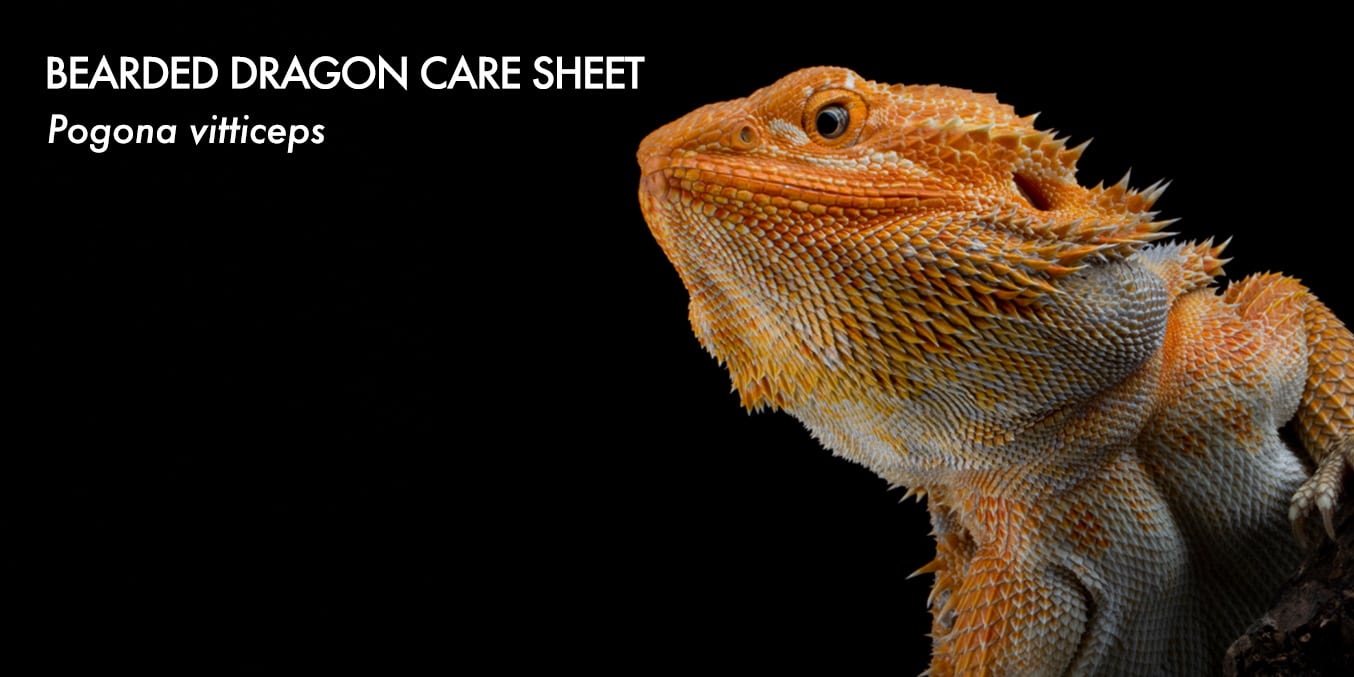
UVB tubes produce minimal heat. You need a separate ceramic heat emitter or a dedicated basking bulb to create the thermal gradient. Place this heat source on one end of the enclosure, directly under the UVB tube or slightly offset, to create a basking spot of 95–110°F (35–43°C). The cool side of the enclosure should remain around 75–85°F (24–29°C).

Bearded dragons are active climbers and may bump into fixtures. Use a fixture rated for the wattage of your bulbs to prevent melting or fire hazards. If using a high-wattage basking bulb, consider a ceramic socket or a protective guard to prevent direct contact with the lizard or substrate.
Once installed, use a thermometer and hygrometer to verify the temperature gradient. The lizard should naturally move to the warmest spot under the UVB light during the day. If it avoids the basking area, the heat may be too intense or the UVB fixture is positioned incorrectly. Regularly clean the glass front of the enclosure and dust the bulbs with a damp cloth to ensure maximum light transmission.
Prepare a balanced daily diet
Start Bearded Dragon Care with the constraint that matters most in real life: space, timing, budget, skill level, maintenance, or availability. That first constraint should shape the rest of the plan instead of appearing as an afterthought. Keep the first pass simple enough to verify. Compare the main options against the same criteria, remove choices that only work in ideal conditions, and save optional upgrades for later.
| Factor | What to check | Why it matters |
|---|---|---|
| Fit | Match the option to the primary use case. | A good deal still fails if it does not fit the job. |
| Condition | Verify age, wear, and service history. | Hidden condition issues erase upfront savings. |
| Cost | Compare purchase price with likely upkeep. | The cheapest option is not always the lowest-cost option. |
Handle and hydrate your dragon
Bearded Dragon Care works best as a clear sequence: define the constraint, compare the realistic options, test the tradeoff, and choose the path with the fewest hidden costs. That order keeps the advice usable instead of decorative. After each step, pause long enough to check whether the recommendation still fits the reader's actual situation. If it depends on perfect timing, unusual access, or a best-case budget, include a simpler fallback.
No comments yet. Be the first to share your thoughts!