

Check the setup requirements
Before introducing your bearded dragon, verify that the enclosure meets specific thermal and spatial baselines. A properly configured tank prevents metabolic bone disease and stress-related illnesses, which are the most common pitfalls for new owners. Focus on these four prerequisites first.
1. Verify tank dimensions
Adult bearded dragons require a minimum of a 4x2x2 foot enclosure. Smaller tanks restrict movement and make it difficult to maintain a proper thermal gradient. If you have two dragons, increase the length by 50% to reduce territorial aggression.
2. Confirm the thermal gradient
Your tank needs a basking spot of 95-110°F (35-43°C) and a cool side of 75-85°F (24-29°C). Use a digital thermometer with a probe to verify these temperatures at the exact spots where your dragon rests. Place the thermometer on the basking rock and under the cool hide, not just in the air.
3. Ensure UVB lighting is active
UVB bulbs are non-negotiable for calcium absorption. Replace them every 6-12 months, even if they still emit visible light. The UVB output degrades long before the bulb burns out. Use a 10.0 UVB bulb mounted directly over the basking area, ensuring no glass or acrylic filters block the rays.
4. Prepare hydration sources
Bearded dragons absorb moisture through food and bathing. Provide a shallow, heavy ceramic water bowl that cannot be tipped over. Mist the enclosure lightly once a week to encourage drinking, and offer damp leafy greens. A humid hide with damp moss can also help if the air is very dry.
-
Tank is at least 4x2x2 feet for an adult
-
Basking spot reaches 95-110°F (35-43°C)
-
Cool side maintains 75-85°F (24-29°C)
-
UVB bulb is a 10.0 type and less than 6 months old
-
Heavy, tip-proof water bowl is installed
Configure it in order
Bearded Dragon Care works best as a sequence, not a scramble through settings. Do the minimum first: confirm compatibility, connect the core hardware, update only when needed, and test the result before adding optional features. That order keeps the task understandable and makes failures easier to isolate. After each step, pause long enough for the interface to finish syncing. Many setup problems are timing problems disguised as configuration problems. If the same step fails twice, record the exact error, restart the smallest affected piece, and retry before moving deeper.
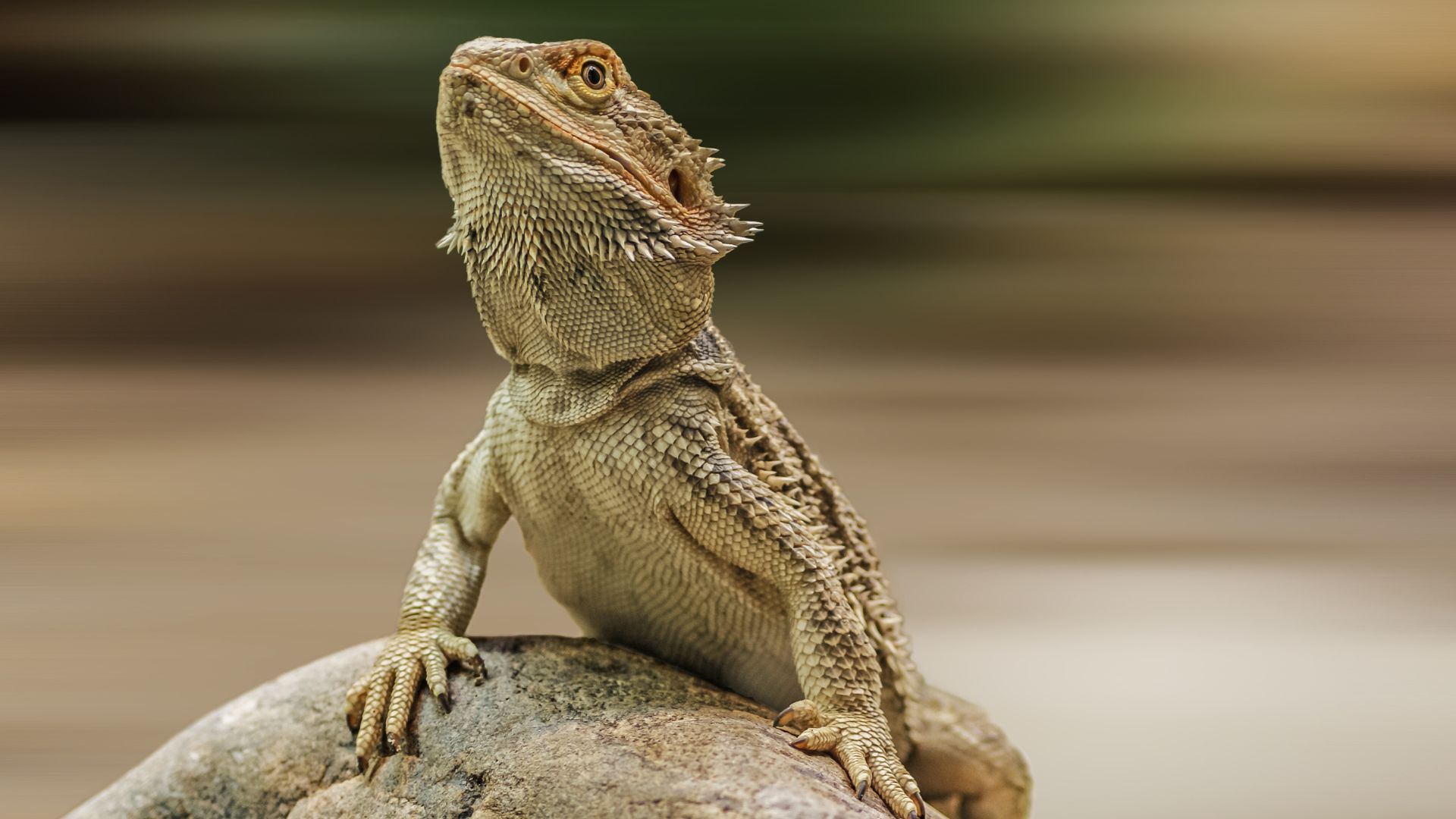
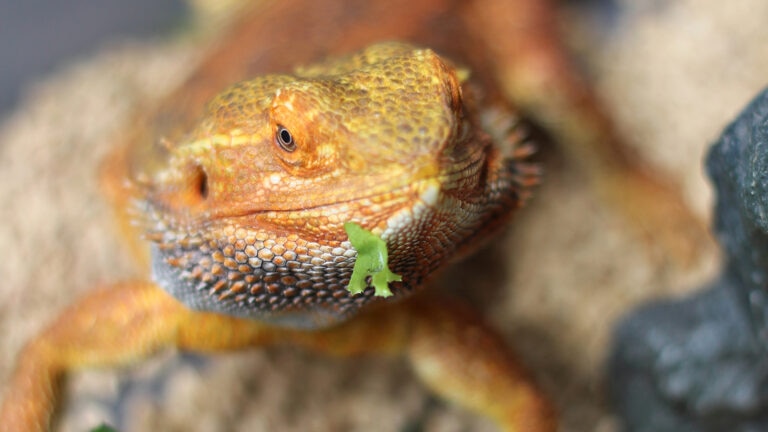
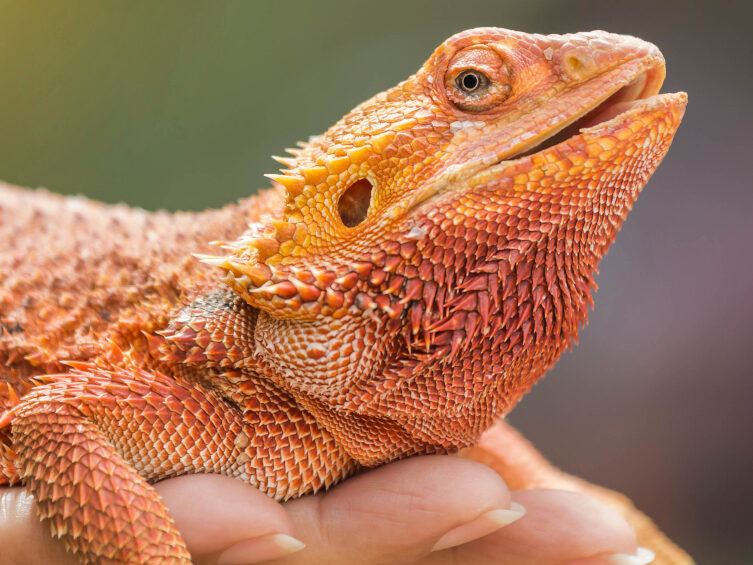
Mistakes that break the setup
The most common reason captive bearded dragons fail to thrive isn’t a lack of effort; it’s a misunderstanding of their desert origins. Owners often treat them like tropical pets, creating environments that are too cool, too damp, or poorly lit. These errors compound quickly, leading to metabolic bone disease, respiratory infections, and chronic stress.
Fixing these issues requires precise calibration of three core variables: temperature, humidity, and lighting. Below are the specific setup failures that cause the most harm and how to correct them before they become emergencies.
Running it too cold
Bearded dragons are ectotherms, meaning they rely entirely on external heat sources to digest food and maintain immune function. A common mistake is installing a heat bulb that is too weak or placing it too far from the basking spot. If the basking area doesn’t reach 95–110°F (35–43°C), the dragon cannot digest its food properly. Undigested food ferments in the gut, causing impaction and lethargy.
The fix: Use a digital thermometer and hygrometer placed directly at the basking spot. Do not trust the dial on your heat lamp or thermostat. If the temperature is low, move the bulb closer or upgrade to a higher wattage bulb. Ensure the cool side of the tank stays around 75–85°F (24–29°C) to allow for thermoregulation.
Keeping it too humid
Native to arid Australian scrublands, bearded dragons struggle with high moisture levels. A frequent error is using substrate like cypress mulch or coconut bark, which retains water and creates a humid microclimate. This environment breeds bacteria and mold, leading to respiratory infections and scale rot. Additionally, over-misting the tank or failing to provide a dry hide exacerbates the problem.
The fix: Switch to non-porous substrates like tile, slate, or reptile carpet. If you must use loose substrate, opt for sand mixes specifically designed for bearded dragons to avoid impaction. Provide a "humid hide" only for shedding or mild impaction relief, using it for short periods (2–4 hours) with a damp paper towel inside, then removing it immediately to restore dry conditions.
Ignoring UVB spectrum and duration
UVB light is not optional; it is the biological trigger for vitamin D3 synthesis, which allows your dragon to absorb calcium. A major mistake is using heat-only bulbs or UVB tubes that are expired or covered by glass/acrylic. Standard glass blocks UVB rays, so if your enclosure has a glass front, you need a specialized mesh screen (like T5 HO fixtures) to let the light through. Even with the right bulb, UVB output degrades after 6–12 months, even if the bulb still emits visible light.
The fix: Install a T5 HO linear UVB fixture (10.0 or 12.0 strength) that spans at least two-thirds of the tank length. Place it 10–12 inches below the basking spot. Replace the tube every 6–12 months, regardless of whether it is still turning on. Ensure the light cycle matches natural daylight (10–12 hours on, 12–14 hours off) to support proper circadian rhythms and feeding cycles.
Bearded dragon care: what to check next
New owners often face practical hurdles before bringing a bearded dragon home. These answers address the most common concerns about diet, health, and daily maintenance to help you prepare.
No comments yet. Be the first to share your thoughts!