

Visual Guide: Male vs. Female
Figuring out a bearded dragon's gender can be tricky, especially with young ones. You need to look closely for subtle physical differences. Hemipenal bulges and femoral pores are the main clues, but they aren't always easy to spot. It takes practice to get it right, so be patient rather than guessing.
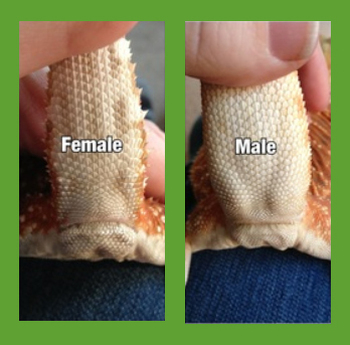
Males typically exhibit two noticeable bulges at the base of their tail, representing the hemipenal bulges. These are the structures that house their hemipenes, used during mating. Females, on the other hand, lack these bulges. Beyond that, males often have more prominent femoral pores – small indentations on the underside of their hind legs. Females’ pores are usually less visible, though there's a lot of variation.
Males sometimes have a larger build and broader heads. But size depends a lot on diet and genetics, so it's not a sure sign. Look at all the signs together, not just one.
Many people guess based on incomplete information. It's tempting to get a quick answer, but a thorough check is needed. If you're unsure, ask an experienced breeder or vet. Waiting a few months often makes the differences clearer.
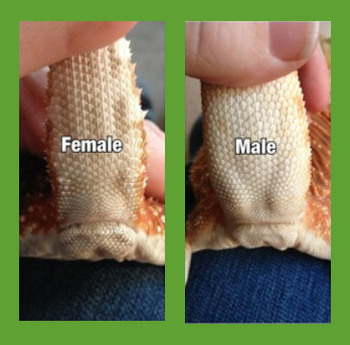
Decoding Hemipenal Bulges
Hemipenal bulges are the best sign of a male bearded dragon. They're at the base of the tail, where it widens a bit. These bulges hold the hemipenes, which are male reptile reproductive organs. As the dragon grows, these bulges become easier to see.
Be careful not to confuse hemipenal bulges with fat deposits. Overweight dragons can get fat in this area, making it look similar. A real bulge feels firm, while fat is softer. Gently feel the area to check its firmness, but be gentle to avoid discomfort.
The bulges change as the dragon ages. Young dragons might have very small or no bulges. They usually become clear around six to nine months old. Keep watching the area as your dragon grows. Don't decide on gender when they are very young.
Some people mistake slight swelling for bulges, calling females males. This common mistake shows why it's important to know the difference between bulges and fat. If you're unsure, wait and watch for more development. Patience prevents confusion.
Femoral Pores: A Closer Look
Femoral pores are small indentations on the underside of the hind legs, near the vent. Males have more noticeable pores, which look darker. Females' pores are usually less visible and lighter. These pores secrete a waxy substance used in mating, which is why they develop more in males.
Femoral pore visibility isn't always reliable, especially in young dragons. Young dragons might have very small or no pores. Genetics also play a role, so some dragons naturally have more visible pores than others, no matter their gender. It's not a perfect system.
Pore color can also offer a clue. Male pores often look darker, almost black. Female pores tend to be lighter gray or pink. This isn't a strict rule, but it adds to the information. Consider it with the hemipenal bulges.
Some female bearded dragons can have slightly visible femoral pores, leading to mistakes. Some owners have mistaken females for males based on pores alone. Always consider all the signs together.
Body Shape and Size Differences
Body shape and size differences can sometimes offer clues, though they aren't definitive. Males are often larger and more robust than females, with broader heads and thicker tails. This is because they have more muscle for breeding displays.
Size is heavily influenced by diet and genetics; a well-fed female can be larger than an underfed male. Relying only on size is a common mistake. Consider body shape along with other signs like hemipenal bulges and femoral pores.
Males often have broader heads, but not always. Some females have broader heads, and some males have narrower ones. Look for a combination of factors, not just one trait. A wider tail base usually suggests a male.
Diet significantly impacts growth, so a balanced diet is essential. Good nutrition helps them develop their natural body shape, making gender assessment easier. Don't assume size means male.
Age Matters: Sexing Juveniles
Sexing young bearded dragons is very difficult. Hemipenal bulges are often underdeveloped or missing, and femoral pores might be barely visible. It's often impossible to tell the gender of a dragon under six months old. Patience is important.
Young dragons are still growing and developing; their sexual traits aren't fully mature. Trying to sex them too early can lead to wrong conclusions and stress the animal. Wait until they are older and their features are clearer.
Trying to sex young dragons can be frustrating, often leading to later corrections. Waiting until the dragon is older is important. A checklist can help, but it's not a final answer:
Here’s a quick checklist for juvenile assessment (but remember, it's not foolproof): 1) Gently palpate the base of the tail for any subtle swelling. 2) Examine the femoral pores for any indication of development. 3) Monitor the dragon's growth and development over time.
- Gently palpate the base of the tail for any subtle swelling.
- Examine the femoral pores for any indication of development.
- Monitor the dragon's growth and development over time.
Common Mistakes to Avoid
One of the most common mistakes is misinterpreting fat deposits as hemipenal bulges. As mentioned earlier, fat can accumulate in the base of the tail, creating a similar appearance. Always palpate the area to assess its consistency – a bulge will be firm, while a fat deposit will be soft. Don't rely solely on visual appearance.
Another mistake is relying solely on size. As we’ve discussed, size is heavily influenced by diet and genetics, and a large female can easily be mistaken for a male. Always consider other indicators, such as hemipenal bulges and femoral pores. It's rarely a single factor.
Assuming that the presence of some femoral pores means a dragon is male is also a common error. Females can sometimes develop slightly visible pores, leading to misidentification. Look for the combination of prominent pores and hemipenal bulges to confirm a male.
Finally, avoid trying to "force’ a determination based on limited information. If you’re unsure, it’s better to wait and observe further development. It’s also okay to admit you don"t know – seeking expert advice is always a good option. Don't guess and risk providing incorrect care.
When to Seek Expert Help
Sometimes, despite your best efforts, you just can’t tell. If you’re consistently unsure about your dragon’s gender, it’s best to consult a veterinarian or experienced breeder for assistance. A professional assessment can provide a more accurate diagnosis.
A veterinarian with reptile experience will be able to perform a thorough examination and provide a definitive answer. Experienced breeders often have a keen eye for spotting subtle differences that may be missed by novice owners. Don’t hesitate to reach out for help.
To find a reputable reptile vet, you can search online directories or ask for recommendations from other reptile owners. The Association of Reptilian and Amphibian Veterinarians (ARAV) is a good resource for finding qualified professionals.
I’ve often recommended owners seek a second opinion if they’re particularly concerned. A fresh set of eyes can sometimes catch something you’ve missed. Remember, accurate identification is important for providing appropriate care.
Beyond Visuals: Genetic Considerations
While not something most owners need to worry about, genetic factors can influence the expression of sexual characteristics. Some morphs, for example, may affect the visibility of femoral pores or the prominence of hemipenal bulges. However, the core principles of sexing remain the same.
Different genetic lines can exhibit variations in pore development and bulge size. This doesn’t mean the rules change, but it emphasizes the importance of considering the individual dragon and avoiding generalizations. It's more about understanding potential variations.
For most pet owners, these genetic nuances are unlikely to have a significant impact on their ability to sex their dragon. Focusing on the primary indicators – hemipenal bulges and femoral pores – will usually be sufficient. However, it’s good to be aware that variations exist.
Ultimately, observing your dragon over time and seeking expert advice when needed are the best ways to ensure an accurate assessment. Don’t get bogged down in the details of genetics unless you’re specifically interested in breeding. Focus on the basics, and you’ll be well on your way to understanding your dragon’s gender.

No comments yet. Be the first to share your thoughts!