

How to spot a healthy dragon
Bringing a bearded dragon into your life is exciting, but it's really important to start with a healthy animal. Don't rush the process. Look for bright, clear eyes – dull or sunken eyes can indicate illness. A healthy dragon should be alert and responsive, not lethargic or hiding constantly. Their posture should be confident, not hunched or weak.
Pay close attention to the dragon’s vent – the opening from which they eliminate waste. It should be clean and free of any discharge. A dirty vent is a major red flag and could signal a parasitic infection. Check the dragon’s weight; it should feel substantial for its size, not bony or emaciated. A well-nourished dragon will have a slightly rounded belly.
Spend time watching the dragon move and eat before you pay. Ask the seller for a specific history of its diet and any past health scares. You should also check your local city or county ordinances; some places require permits for exotic pets, and you don't want a legal headache later.
Where the breeders are
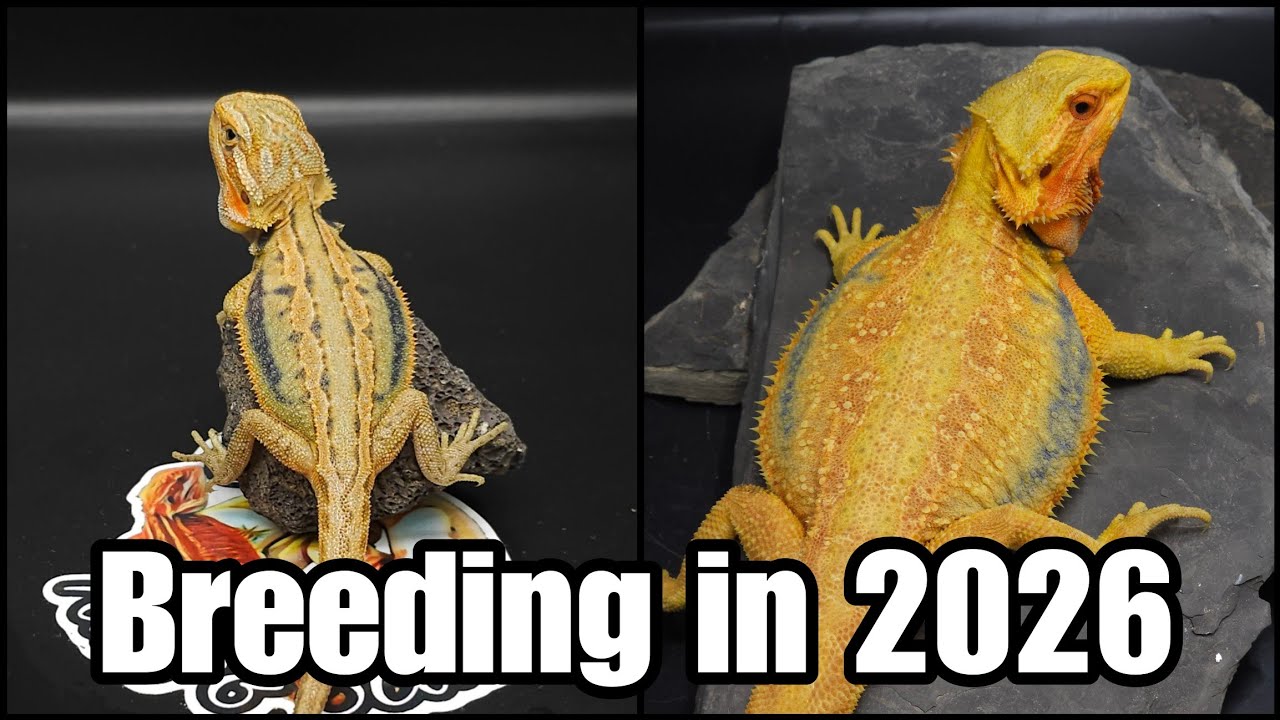
I've found that buying from a breeder is usually better than a big-box store. You can meet them at reptile expos to see the animals in person. If you're looking online, MorphMarket lets you filter by your zip code and specific morphs. If a breeder is local, ask if you can see their setup before buying.
Breeder quality can vary by region. In the US, states like Florida, California, and Texas have a higher concentration of breeders. Canada has a smaller but growing community, primarily in Ontario and British Columbia. The UK and Australia also have established breeder networks, though shipping internationally can be complex and expensive. Look for breeders who prioritize genetics, health testing, and ethical breeding practices.
Buying directly from a breeder often allows for more detailed information about the dragon’s lineage and history, but can sometimes be more expensive. Reptile expos offer a wider selection, but require more diligence in vetting sellers. A good breeder will be happy to answer your questions, provide detailed records, and offer ongoing support. They should also be knowledgeable about proper husbandry and willing to share their expertise.
Certifications aren’t widespread in the reptile breeding world, but breeders who are members of reputable organizations like the International Reptile Conservation Foundation (IRCF) demonstrate a commitment to ethical practices. Asking about the breeder’s quarantine procedures and health guarantees is also a good indicator of their professionalism.
- Florida and California have the highest density of US breeders.
- Canada: Ontario, British Columbia (growing community)
- UK/Australia: Established networks, but international shipping is complex
Breeder/Source Evaluation Matrix - 2026
| Characteristic | Excellent | Good | Fair | Poor |
|---|---|---|---|---|
| Years in Business | 10+ years consistently breeding | 5-9 years of established breeding | 2-4 years of breeding experience | Less than 2 years or inconsistent breeding history |
| Health Guarantees | Comprehensive guarantee covering genetic defects and contagious illness (e.g., parasites) for at least 30 days. | Guarantee covering basic health issues for 15-29 days. | Limited health guarantee (e.g., live arrival only). | No health guarantee offered. |
| Morph Availability | Wide range of established and new morphs, demonstrating breeding expertise. | Good selection of common and some less common morphs. | Limited morph selection, primarily normal or a few popular morphs. | Only normal coloration available. |
| Customer Reviews & Reputation | Overwhelmingly positive reviews across multiple platforms; consistently praised for ethical practices and healthy animals. | Mostly positive reviews with a few minor concerns addressed. | Mixed reviews; some positive, some negative, or limited review presence. | Predominantly negative reviews or a lack of any online reputation. |
| Responsiveness to Inquiries | Prompt and detailed responses to all inquiries, demonstrating knowledge and willingness to help. | Generally responsive within 24-48 hours. | Slow or infrequent responses; limited information provided. | Unresponsive or unwilling to answer questions. |
| Lineage Information | Complete and readily available lineage information (pedigree) for all animals. | Lineage information available for some animals upon request. | Limited lineage information provided. | No lineage information available. |
Illustrative comparison based on the article research brief. Verify current pricing, limits, and product details in the official docs before relying on it.
Buying online
Sites like MorphMarket and Big Apple Herp are the standard for 2026. MorphMarket is massive, often having hundreds of active listings with specific breeder ratings. Big Apple Herp is known for their overnight shipping protocols. The risk is that you're buying an animal you haven't touched, so the seller's reputation is everything.
Vetting sellers is paramount. Carefully review their feedback and ratings, and don’t hesitate to contact them with questions. Ask about their husbandry practices, the dragon’s diet, and any recent health checks. Understand their shipping policies, including the carrier used and their guarantee in case of issues during transit. Request recent photos and videos of the specific dragon you're considering – don’t rely solely on stock images.
Be aware of the potential for mislabeled morphs. Some sellers may exaggerate or incorrectly identify the genetic traits of their dragons. If a price seems too good to be true, it probably is. A reputable seller will be transparent about the dragon’s lineage and willing to provide proof of its genetics, if available. Always research the morph you’re interested in to understand its typical price range.
What you'll actually pay
Bearded dragon prices can vary dramatically depending on several factors. Common morphs, like normal or dun, typically range from $50 to $200. More sought-after morphs, such as Witblits, Hypomelanistic, or Silkback, can easily exceed $500, and some rare morphs can fetch prices in the thousands of dollars. Age and lineage also play a role; juvenile dragons are usually cheaper than adults, and dragons with documented genetic lines are often more expensive.
Location influences price as well. Prices tend to be higher in areas with limited breeder availability or high demand. Breeder reputation is also a factor; established breeders with a track record of producing high-quality dragons can charge a premium. A price that seems too good to be true likely is – it could indicate a sick animal, poor breeding practices, or even a scam.
Remember to factor in the hidden costs of ownership. You’ll need to invest in an enclosure, lighting (UVB and basking bulbs), heating, substrate, food, and potential vet care. These costs can easily add up to several hundred dollars, so be prepared to budget accordingly. Initial setup costs can easily be $300-$500.
Red Flags: Avoid These Sellers
Protecting yourself from unethical sellers is critical. Be wary of sellers who refuse to answer your questions or provide detailed information about the dragon’s history. Avoid those who ship during extreme weather conditions – high or low temperatures can be fatal to reptiles. If a seller offers a suspiciously low price, especially for a rare morph, proceed with extreme caution.
Check for a history of negative reviews or complaints. Do a thorough online search for the seller’s name and see if any red flags appear. Be particularly cautious of sellers who demand payment via unconventional methods, such as wire transfers or gift cards. These are common tactics used by scammers.
Impulse buying is a major mistake. Take your time, do your research, and don’t feel pressured to make a decision. A responsible purchase requires careful consideration and due diligence. If something feels off, trust your gut and walk away. It's better to miss out on a potential deal than to end up with a sick or poorly bred dragon.
- Refusal to answer questions
- Shipping during extreme weather
- Suspiciously low prices
- Negative reviews or complaints
- Unconventional payment methods
Quarantine and Initial Vet Check
Once you’ve brought your new bearded dragon home, the first step is to quarantine it for at least 30-60 days. This means keeping it in a separate enclosure, away from any other reptiles you may have. Quarantine allows you to observe the dragon for any signs of illness without risking the health of your other animals. Watch for changes in appetite, lethargy, weight loss, or abnormal stool.
An immediate vet check by a reptile specialist is essential. A qualified veterinarian can perform a fecal exam to check for parasites, assess the dragon’s overall health, and rule out common issues like metabolic bone disease. They can also provide guidance on proper husbandry and diet. Finding a vet experienced with reptiles is key; not all veterinarians have the necessary expertise.
During the vet visit, be prepared to discuss the dragon’s history, diet, and any concerns you may have. Bring a sample of the dragon’s stool for testing. The vet will likely perform a physical examination, checking the dragon’s eyes, mouth, skin, and overall body condition. They may also recommend blood tests to assess organ function.
The cost of a reptile vet check can vary depending on location and the services provided, but typically ranges from $80 to $200. It’s a small price to pay for peace of mind and the long-term health of your new companion. Proactive veterinary care is a crucial part of responsible bearded dragon ownership.


No comments yet. Be the first to share your thoughts!