

watch for subtle behavior shifts
Bearded dragons hide pain well. In the wild, showing weakness makes you a target, so they've evolved to look fine until they're nearly collapsing. You have to know their daily rhythm—how they sit, how they look at you—to catch a problem before it's too late.
Every owner should establish a baseline understanding of their dragon’s usual behavior. This includes how much they bask, their typical eating habits, and their shedding patterns. Is your dragon usually active in the mornings? Do they eagerly await their greens? How often do they shed, and is it a clean process? Knowing these things will make deviations stand out. It's not about overreacting, but about being a keen observer.
Bearded dragons, being desert reptiles, are particularly susceptible to issues related to temperature, humidity, and diet. Captive environments, while providing safety, can sometimes fall short of replicating their natural needs. This can lead to problems like metabolic bone disease, respiratory infections, and impaction. A preventative approach, based on understanding these vulnerabilities, is the best defense against serious health crises.
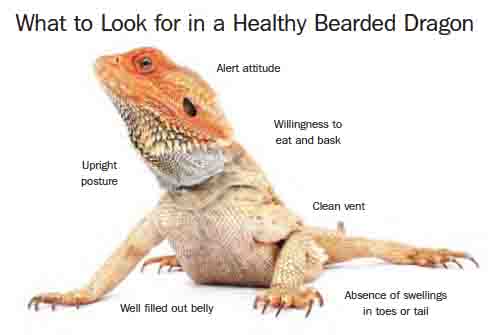
refusing food and dropping weight
A loss of appetite is one of the most common – and concerning – signs that something is wrong with your bearded dragon. It’s a clear indication that they aren’t feeling their best, even if other symptoms aren’t immediately apparent. How much a dragon should eat varies with age: juveniles need far more frequent feedings than adults. A young dragon might eat insects several times a day, while an adult may only need a large insect meal every other day or a salad daily.
A significant decrease in intake, whether it’s refusing to eat anything or simply eating much less than usual, should always be investigated. Monitoring weight is also important, but do it gently. You can get a sense of their body condition by carefully feeling for their ribs and spine; they should be subtly palpable, but not prominently visible. A healthy weight range depends on the dragon's age and size, but a noticeable drop is cause for concern.
Seasonal fluctuations in appetite can occur, especially during cooler months, but this should be a gradual change, not a sudden refusal to eat. Appetite loss can be a symptom of several issues, including impaction, a blockage in the digestive tract. Impaction often causes discomfort, which naturally leads to a loss of interest in food. If you suspect impaction, a vet visit is essential.
- Dragons under 6 months need insects several times a day to support growth.
- Sub-adult dragons (6-12 months): A mix of insects and greens daily.
- Adults over a year old should eat mostly greens, with insects only a few times a week.
lethargy vs. normal basking
Bearded dragons are basking lizards. They’re supposed to spend a significant portion of their day relaxing under a heat lamp. However, there’s a crucial distinction between relaxed basking and concerning lethargy. A healthy dragon will still react to stimuli – they’ll open their eyes, turn their head, and might even move slightly if disturbed. A lethargic dragon will be unresponsive, and may not even flinch.
Signs of weakness include difficulty moving, an uncoordinated gait, or an inability to lift their head properly. Observe your dragon's activity levels throughout the day, not just during basking. Are they moving around their enclosure with their usual energy? Are they able to climb onto their favorite spots? A noticeable decrease in activity is a red flag.
Lethargy and weakness can be caused by a number of factors, including metabolic bone disease (MBD) and respiratory infections. MBD occurs when a dragon doesn’t get enough calcium and vitamin D3, leading to weakened bones. Respiratory infections can cause fatigue and make it difficult for the dragon to breathe, resulting in decreased activity.
wheezing and respiratory distress
Respiratory infections are unfortunately common in bearded dragons, and they can become very serious if left untreated. The signs to watch for include wheezing, open-mouth breathing (when they aren’t actively regulating their temperature), nasal discharge, and bubbles around the nostrils. Any difficulty breathing should be considered a medical emergency and warrants an immediate vet visit.
Keep the tank between 30% and 40% humidity. If it gets wetter than that, bacteria grows fast in the warm air, and your dragon will likely end up with a lung infection. They need a dry heat, with a clear temperature drop on the opposite side of the basking bulb.
You can gently check for congestion by observing your dragon’s breathing. Listen closely for any unusual sounds, and watch for any discharge from the nostrils. Pneumonia, a severe inflammation of the lungs, can develop from a respiratory infection if it’s not treated promptly. This is life-threatening, so don’t hesitate to seek veterinary care.

what their stool says about health
Let's talk about poop. It might not be glamorous, but monitoring your bearded dragon’s stool is a surprisingly effective way to assess their health. A normal, healthy stool should be relatively firm, with a dark brown or greenish color, and contain a chalky white component called urates. The urates are a byproduct of nitrogenous waste.
Look out for changes in color, consistency, or frequency. Diarrhea, undigested food, blood in the stool, or unusually hard or dry stools are all signs of digestive distress. A sudden change in stool appearance should always be investigated. The quality of your dragon’s diet has a huge impact on their stool.
Digestive issues can be caused by a variety of factors, including parasites, bacterial infections, and impaction. Regular vet checkups are important for screening for parasites. If you suspect impaction, a vet can perform an X-ray to confirm the diagnosis and recommend treatment.
seizures and loss of balance
Neurological signs are the most alarming and require immediate veterinary attention. These include head tilting, tremors, seizures, loss of balance, or circling. These symptoms are often indicative of a serious underlying issue, such as metabolic bone disease (MBD) or a neurological infection. Don’t wait to see if it improves on its own.
MBD is a common cause of neurological problems in bearded dragons. Providing adequate calcium and vitamin D3 is essential for preventing this condition. Ensure your dragon has access to a proper UVB light source, as this is necessary for vitamin D3 synthesis. Supplementing with calcium powder can also be beneficial.
If your dragon is exhibiting any neurological signs, prompt veterinary care is essential. The vet will likely perform a physical exam and may recommend diagnostic tests, such as blood work or an X-ray, to determine the underlying cause. Early diagnosis and treatment can significantly improve the prognosis.
Essential Products for Bearded Dragon Skin and Shedding Health

Formulated to assist in the removal of dried, stuck shed · Can be applied directly to the reptile or added to bath water · Helps prevent future shedding problems
This shed aid is essential for preventing retained shed, a common issue that can lead to infections and other health problems if not addressed.

Automatically maintains optimal humidity levels · Adjustable spray nozzles for customized misting · Suitable for various terrarium sizes
Proper humidity is critical for bearded dragons to aid in shedding and prevent respiratory issues, making this automatic mister a vital tool.

Provides consistent, radiant heat without light · Long-lasting ceramic bulb · Suitable for a variety of pets
Maintaining the correct temperature gradient is fundamental for a bearded dragon's digestion and overall health, and this heat emitter ensures a reliable heat source.

Delivers 12% UVB output, ideal for desert reptiles · Promotes Vitamin D3 synthesis for calcium absorption · Long-lasting and easy to install
Adequate UVB lighting is non-negotiable for bearded dragons to metabolize calcium, preventing metabolic bone disease, a serious and potentially fatal condition.

Monitors both temperature and humidity accurately · Bluetooth connectivity for easy data access · Records maximum and minimum readings
Accurate monitoring of temperature and humidity allows owners to proactively adjust environmental conditions, preventing stress and health issues for their bearded dragon.
As an Amazon Associate I earn from qualifying purchases. Prices may vary.
No comments yet. Be the first to share your thoughts!