

Bearded Dragon Diets: Beyond the Bugs
For years, the common advice for bearded dragon care centered heavily on insect feeding. While insects are undeniably important, our understanding of what constitutes a truly healthy bearded dragon diet has evolved significantly. Early care sheets often lacked nuance, sometimes leading to deficiencies or imbalances. Now, research emphasizes a more holistic approach, recognizing the crucial role of plant matter and proper supplementation. It’s not simply about avoiding illness; it’s about maximizing your dragon’s lifespan and quality of life.
The dietary needs of a bearded dragon are far from static. Age and size play a huge role. A hatchling requires a much higher protein intake to fuel rapid growth than an adult. Similarly, a larger adult will naturally need more food overall than a smaller one. This guide will break down feeding strategies for each life stage. We'll look at the core components of a balanced diet: insects, leafy greens, and the supplements that ensure your dragon gets everything it needs.
In 2024, we've seen a shift towards recognizing the importance of fiber in a bearded dragon’s diet, something often overlooked in the past. This isn’t just about keeping things "moving’—fiber contributes to gut health and overall well-being. We"ll explore the best sources of fiber through appropriate vegetable choices. It's a complex topic, but getting it right can make a big difference in your dragon’s long-term health.
The protein foundation
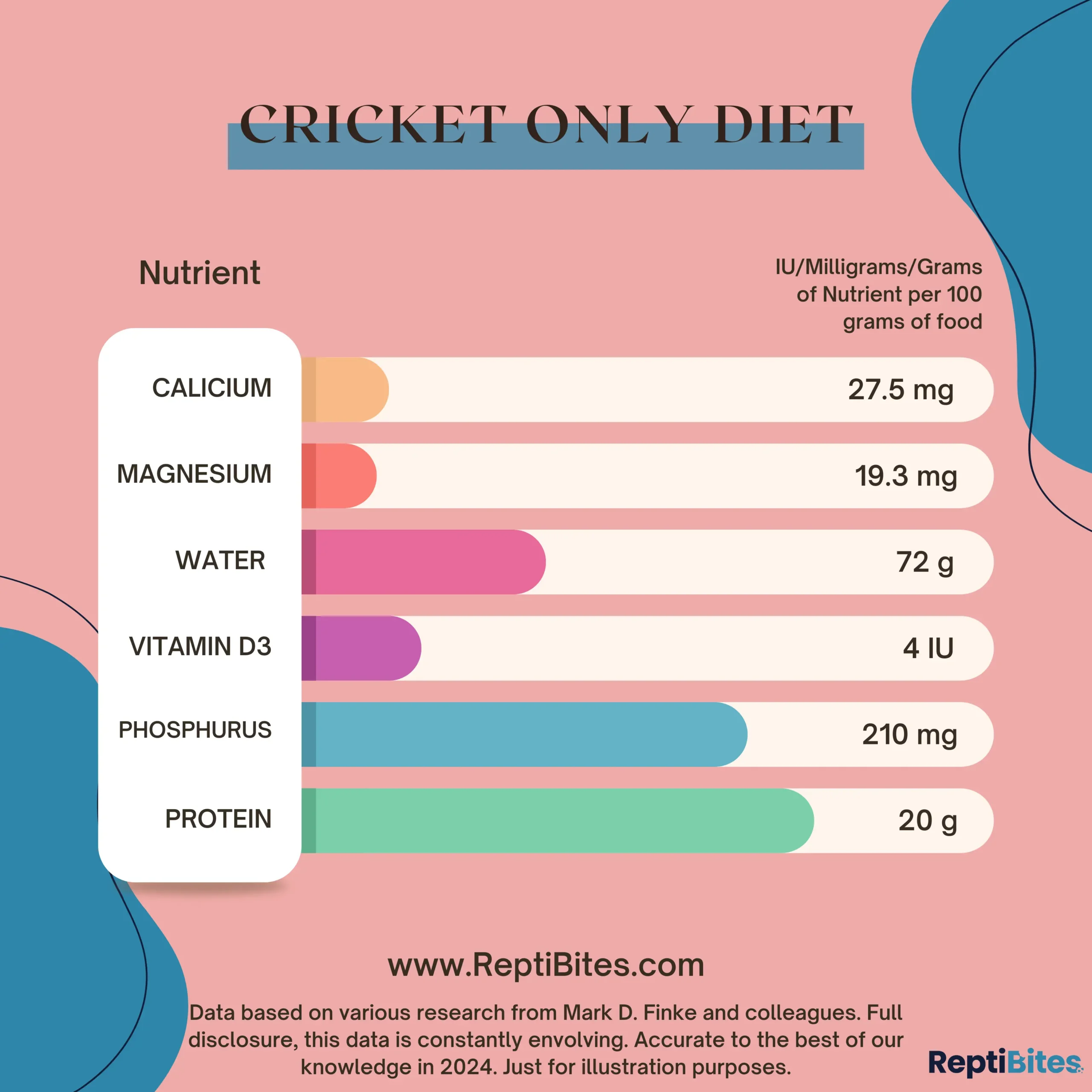
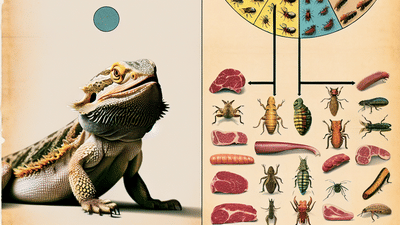
Insects are the cornerstone of a bearded dragon’s diet, providing essential protein and fats. However, not all insects are created equal. Crickets are readily available and generally well-accepted, but they shouldn’t be the only insect offered. Dubia roaches are a fantastic alternative – they’re more nutritious, don’t smell as strongly, and are less likely to escape. Black soldier fly larvae (BSFL) are another excellent option, boasting a naturally high calcium content.
Avoid feeding your bearded dragon fireflies; they are toxic. Wild-caught insects should also be avoided due to the risk of pesticides and parasites. Gut-loading is absolutely critical. This means feeding your insects a nutritious diet for at least 24 hours before offering them to your dragon. Commercial gut-loading diets are available, or you can feed them things like carrots, sweet potatoes, and dark leafy greens. A well-fed insect is a well-fed dragon!
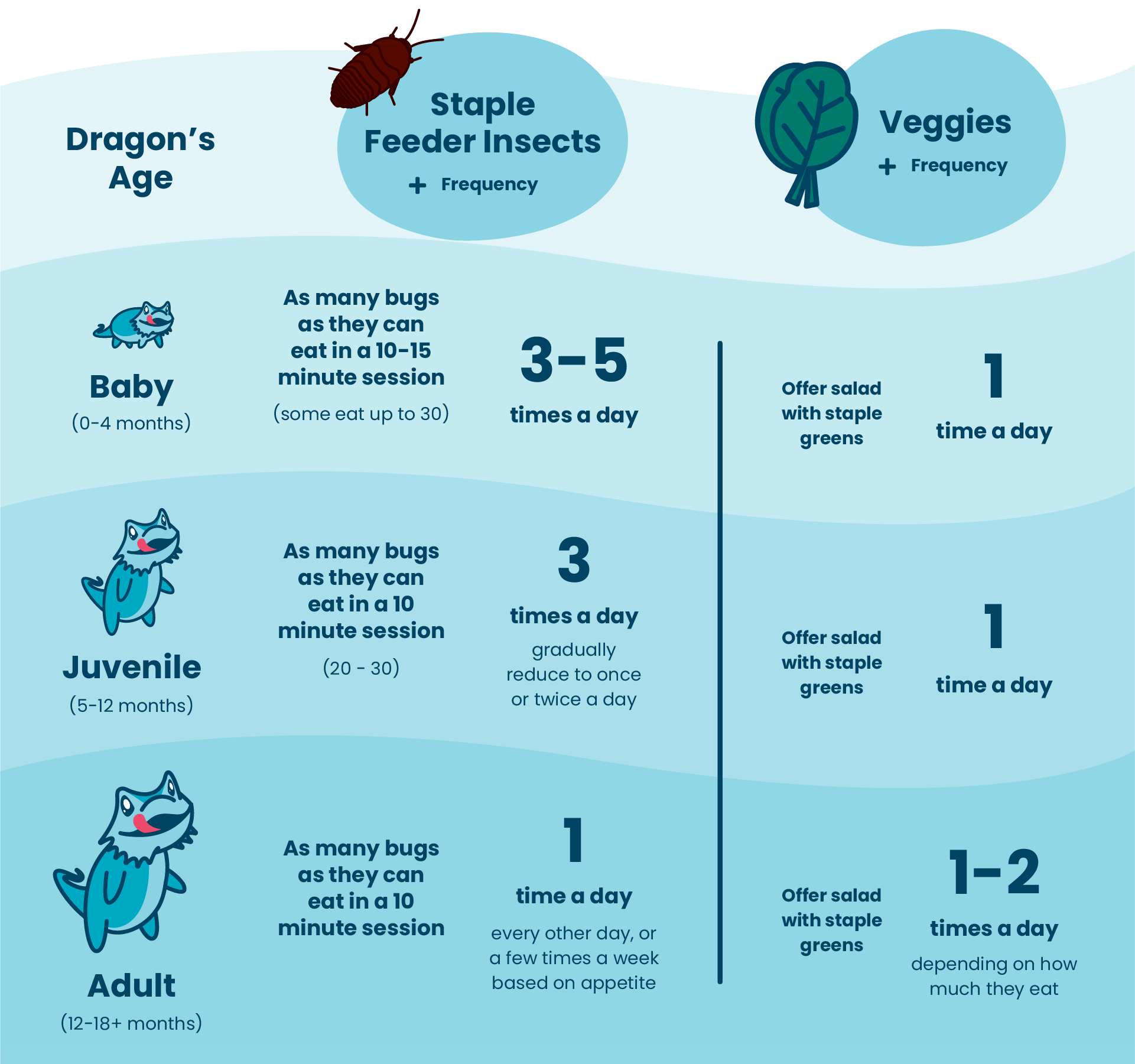
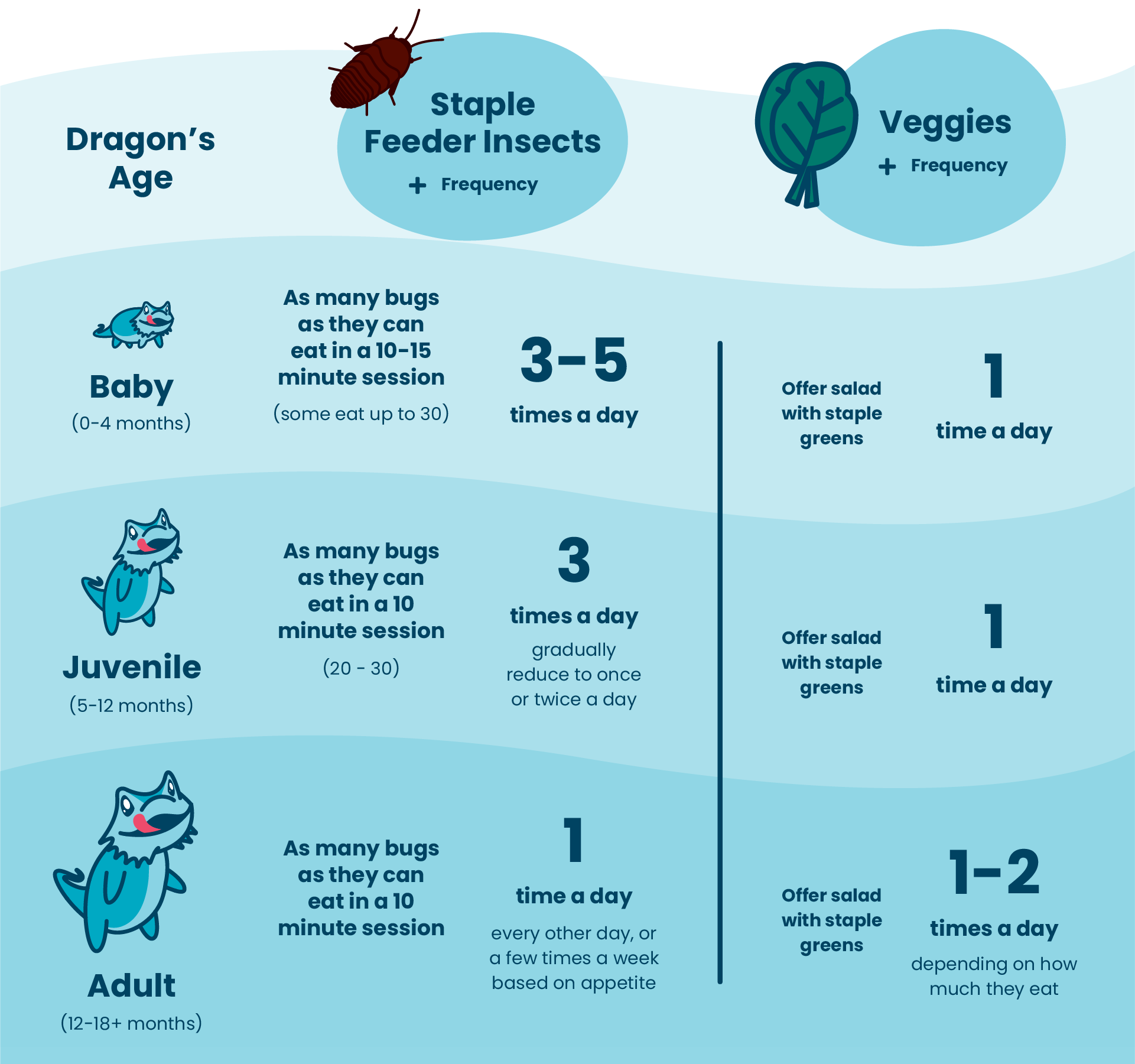
Young dragons need to eat often. Hatchlings under six months should get insects two or three times every day. Once they hit six months, you can drop that to once a day. Adults only need bugs a few times a week. You have to dust these insects with calcium powder. Most bugs have too much phosphorus, and without extra calcium, your dragon's bones will soften.
Let's be realistic: insect feeding can be a bit of a pain. Crickets can jump, roaches can hide, and both can be noisy. Using a feeding bowl can help contain the chaos. Some owners prefer tongs for a more controlled feeding experience. Regular cleaning of the enclosure is also essential to prevent odor and bacterial growth. It’s a small price to pay for a healthy dragon.
Nutritional Comparison of Common Bearded Dragon Feeder Insects (per 100g)
| Feeder Insect | Protein (%) | Fat (%) | Calcium (%) | Phosphorus (%) | Chitin Content (%) | Gut-Loading Ease (1-5 stars) |
|---|---|---|---|---|---|---|
| Crickets | 67-70% | 12-15% | 0.18-0.25% | 0.35-0.45% | Variable, ~10-15% | ★★☆☆☆ |
| Dubia Roaches | 60-65% | 20-22% | 0.4-0.6% | 0.8-1.0% | 5-8% | ★★★★☆ |
| Mealworms | 50-55% | 30-35% | 0.1-0.2% | 0.2-0.3% | 20-25% | ★☆☆☆☆ |
| Superworms | 45-50% | 35-40% | 0.1-0.2% | 0.2-0.3% | 25-30% | ★☆☆☆☆ |
| Black Soldier Fly Larvae (BSFL) | 40-45% | 30-35% | 0.2-0.4% | 0.4-0.6% | 8-12% | ★★★☆☆ |
Illustrative comparison based on the article research brief. Verify current pricing, limits, and product details in the official docs before relying on it.
Greens and vegetables
Many bearded dragon owners underestimate the importance of the vegetable component of the diet. Greens and vegetables provide essential vitamins, minerals, and fiber that insects alone cannot offer. They should make up roughly 70-80% of an adult dragon’s diet, with the proportion increasing as the dragon ages. A diverse selection is key to ensuring your dragon receives a complete range of nutrients.
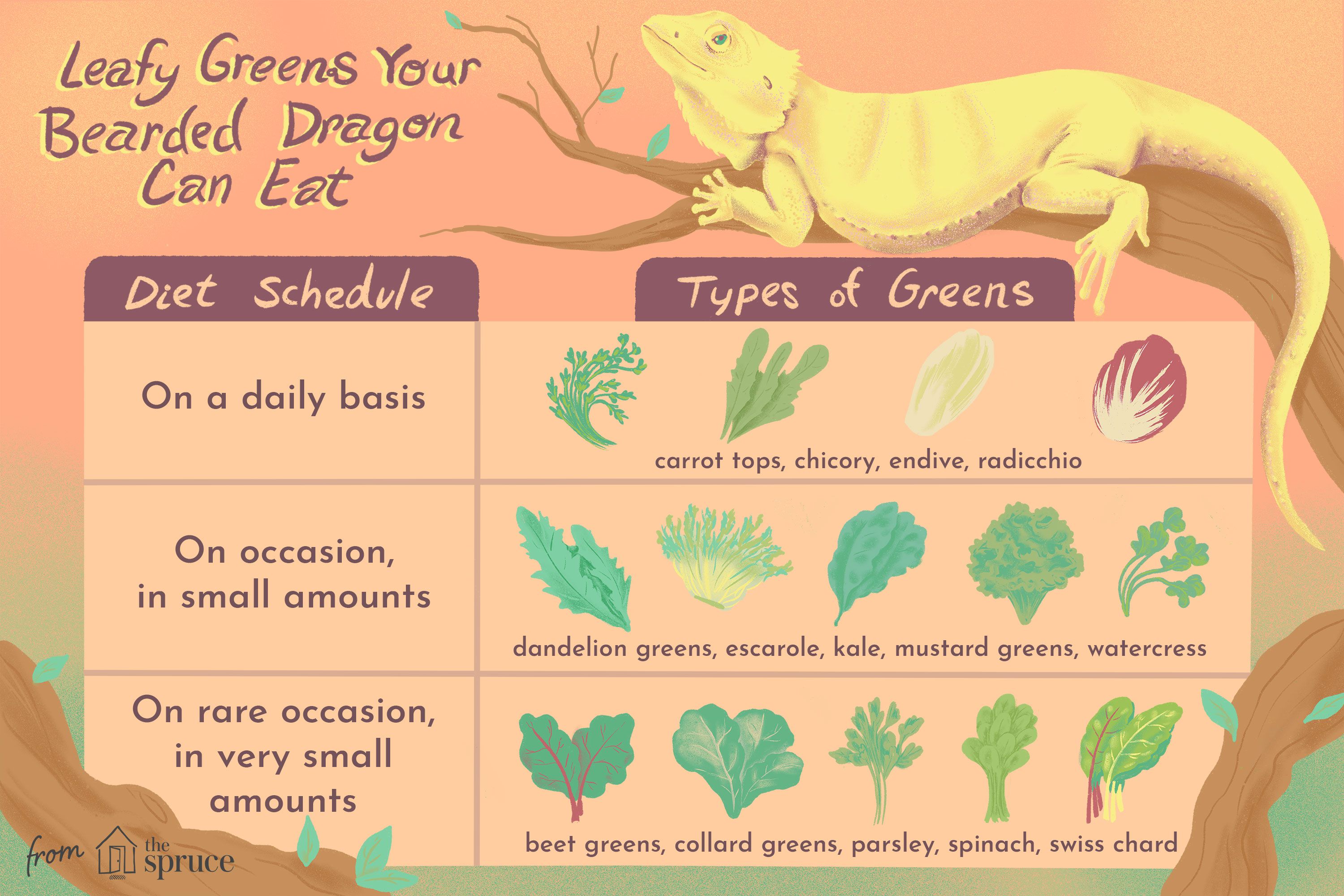
Staple greens, which can be offered daily, include collard greens, mustard greens, turnip greens, and dandelion greens. Occasional greens, offered a few times a week, include romaine lettuce, endive, and escarole. Treat vegetables, offered sparingly, include butternut squash, sweet potato, and bell peppers. Avoid spinach, kale, and iceberg lettuce – these can bind calcium and interfere with nutrient absorption. Some fruits can be offered as occasional treats, but due to their high sugar content, they should be given very rarely.
Proper preparation is also important. Always wash greens thoroughly to remove pesticides. Chop them into bite-sized pieces appropriate for your dragon’s size. Mixing different greens can encourage variety. Many dragons will be hesitant to try new foods at first, so persistence is key. Offering the greens before the insects can sometimes help encourage consumption.
- Collard, mustard, turnip, and dandelion greens are the best daily staples.
- Occasional Greens: Romaine lettuce, endive, escarole
- Treat Vegetables: Butternut squash, sweet potato, bell peppers
- Foods to AVOID: Spinach, kale, iceberg lettuce, avocado
Safe Greens & Veggies
- Collard Greens - Excellent source of calcium and vitamin A, crucial for bone health and vision.
- Dandelion Greens - High in vitamins A, C, and K, and a good source of fiber for digestive health. Offer sparingly due to potential oxalates.
- Butternut Squash - Rich in beta-carotene, which converts to vitamin A, and provides hydration. Offer cooked and diced.
- Turnip Greens - Provide a good source of calcium and fiber. Rotate with other greens to avoid overconsumption of goitrogens.
- Mustard Greens - A nutritious green offering vitamins A, C, and K. Use in moderation due to goitrogenic compounds.
- Green Beans - A good source of fiber and vitamins. Offer raw or lightly steamed and chopped.
- Bell Peppers (Red/Yellow/Orange) - High in vitamin C and beta-carotene. Offer diced; these are more nutritionally valuable than green bell peppers.
- Acorn Squash - Similar to butternut squash, providing beta-carotene and hydration. Offer cooked and diced.
Vitamins and minerals
Even with a well-planned diet, supplementation is often necessary to ensure your bearded dragon receives all the nutrients it needs. Calcium is especially important, as it’s crucial for bone health and preventing metabolic bone disease (MBD). A multivitamin supplement provides a broader range of vitamins and minerals. The need for supplementation is largely dependent on the quality of your dragon’s diet and its UVB exposure.
Bearded dragons synthesize vitamin D3 when exposed to UVB light. However, many indoor setups don’t provide adequate UVB, especially as bulbs age. A calcium supplement containing D3 is often recommended, particularly for dragons housed indoors. Over-supplementation can be harmful, leading to hypercalcemia. It's a delicate balance. Monitor your dragon for signs of MBD (lethargy, weakness, tremors) or hypercalcemia (loss of appetite, vomiting).
Supplements are available in various forms, including dusts and liquids. Dusting insects with calcium and multivitamin powder is the most common method. Liquid supplements can be administered directly into the mouth, but this can be stressful for the dragon. I generally recommend sticking with dusting, as it’s less invasive and easier to control. The best approach is to assess your dragon's individual needs and adjust supplementation accordingly.
Hydration: Water Intake Strategies
Hydration is often overlooked, but it's just as important as a balanced diet. Dehydration can lead to a range of health problems, including impaction and kidney damage. Bearded dragons don’t always drink readily from a water dish, so it’s important to be proactive about ensuring they get enough fluids.
Providing a shallow water dish is a good starting point, but many dragons will ignore it. Misting your dragon with water can encourage it to drink, as they’ll often lick the droplets off their scales. You can also drip water onto their snout. Some owners use a syringe to offer water directly, but this should be done gently and carefully.
Signs of dehydration include sunken eyes, dry skin, and thick, stringy feces. If you suspect your dragon is dehydrated, offer it a warm bath and encourage it to drink. If the condition doesn’t improve, consult a veterinarian.
Age-Specific Feeding Schedules
Tailoring the diet to your dragon's age is essential. Hatchlings (0-6 months) are growing rapidly and require a high-protein diet. Offer insects 2-3 times a day, as much as they can eat in 10-15 minutes. Greens should be offered daily, but they may not eat much at this stage. Supplement with calcium containing D3 at almost every feeding.
Juveniles (6-12 months) still need a significant amount of protein, but you can start to increase the proportion of greens in their diet. Offer insects once or twice a day, and a generous portion of chopped greens. Supplement with calcium containing D3 4-5 times a week. During shedding, you can increase the insect portion slightly to provide extra hydration.
Adults (12+ months) require a more balanced diet with a higher emphasis on greens. Offer insects 2-3 times per week, and a large portion of chopped greens daily. Supplement with calcium containing D3 2-3 times a week. Monitor their weight and adjust the amount of food accordingly. Obesity is a common problem in adult bearded dragons.
Troubleshooting: Common Dietary Issues
Picky eating is a common frustration for bearded dragon owners. Try offering different types of greens and insects to see what your dragon prefers. Hand-feeding can sometimes encourage consumption. Impaction, caused by ingesting indigestible materials, is a serious condition. Ensure your dragon’s enclosure has appropriate temperatures and humidity to aid digestion. Avoid feeding large or hard-shelled insects.
Weight loss can be a sign of underlying health problems or an inadequate diet. Monitor your dragon’s weight regularly and consult a veterinarian if you notice a significant decline. Remember, I am not a veterinarian, and this information should not be considered a substitute for professional medical advice. If you are concerned about your dragon’s health, please seek veterinary attention immediately.
Addressing these issues often requires careful observation and adjustments to your dragon's diet and environment. It can be a process of trial and error, but with patience and persistence, you can help your dragon thrive. Don’t hesitate to reach out to experienced breeders or reptile veterinarians for guidance.
What is the biggest dietary challenge you face when feeding your bearded dragon?
We want to hear from you! Understanding the most common feeding struggles can help us create better resources for bearded dragon owners. Vote below and share your experience in the comments!
New Research & Future Directions
Research into bearded dragon nutrition is ongoing. Recent studies are exploring the role of the gut microbiome in nutrient absorption and overall health. Understanding the complex relationship between the gut microbiome and diet could lead to more targeted and effective feeding strategies. There is also growing interest in the potential benefits of supplementing with probiotics.
Ongoing debates within the reptile community center around the optimal calcium-to-phosphorus ratio and the appropriate level of vitamin D3 supplementation. The ideal diet may vary depending on individual factors like genetics and environmental conditions. As our understanding evolves, it’s important to remain open to new information and adjust our practices accordingly.
The future of bearded dragon nutrition likely involves a more personalized approach, taking into account the unique needs of each individual. We may see the development of commercially available gut microbiome tests to help guide dietary choices. This is a dynamic field, and continued research will undoubtedly lead to even better care for these fascinating reptiles.
No comments yet. Be the first to share your thoughts!