

The 2026 shift toward protein
Most care guides tell you to pile on the greens and limit protein. I've found that this advice is outdated. Recent data from 2024 and 2025 shows that we've been underfeeding protein, which actually shortens their lives. We need to stop treating insects like a side dish.
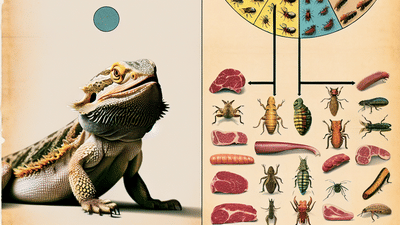
The biggest shift is away from the idea that beardies need huge salads. While greens are important, they shouldn’t be the bulk of the diet, especially for younger, growing dragons. We've been overcorrecting for a long time, assuming a plant-heavy diet mirrored their natural habitat. However, wild beardies get most of their nutrients from insects, and that’s where we need to refocus our efforts. It's about replicating their natural feeding behavior as closely as possible.
This isn't about discarding greens entirely, of course. It’s about understanding their role – offering variety and essential vitamins – while prioritizing the protein and nutrients they get from insects. I think this is a huge deal because so many owners are unknowingly shortchanging their dragons, leading to potential health issues down the line. I've seen so many dragons with metabolic bone disease or stunted growth, and diet is almost always a contributing factor.
The goal in 2026, and moving forward, is a more insect-focused diet supplemented with the right greens and a minimal amount of fruit. It’s about providing a diet that supports robust growth, strong bones, and a long, healthy life. It’s a revolution in how we think about bearded dragon nutrition, and it’s one I'm excited to share with you.
Building a diet on insects
Insects are the cornerstone of a healthy bearded dragon diet. They provide essential protein, vital amino acids, and crucial fats that dragons simply can't get enough of from plant matter alone. It's not just about how many insects you’re feeding, but what kind and how you’re preparing them. This is where gut-loading comes into play.
Gut-loading is the practice of feeding your feeder insects a nutritious diet for at least 24-48 hours before offering them to your dragon. This effectively turns the insects into vitamin and mineral packages. Good gut-loading options include collard greens, carrots, sweet potatoes, and commercial gut-load formulas. Avoid feeding your insects foods like spinach or kale, as they contain oxalates that can bind to calcium.
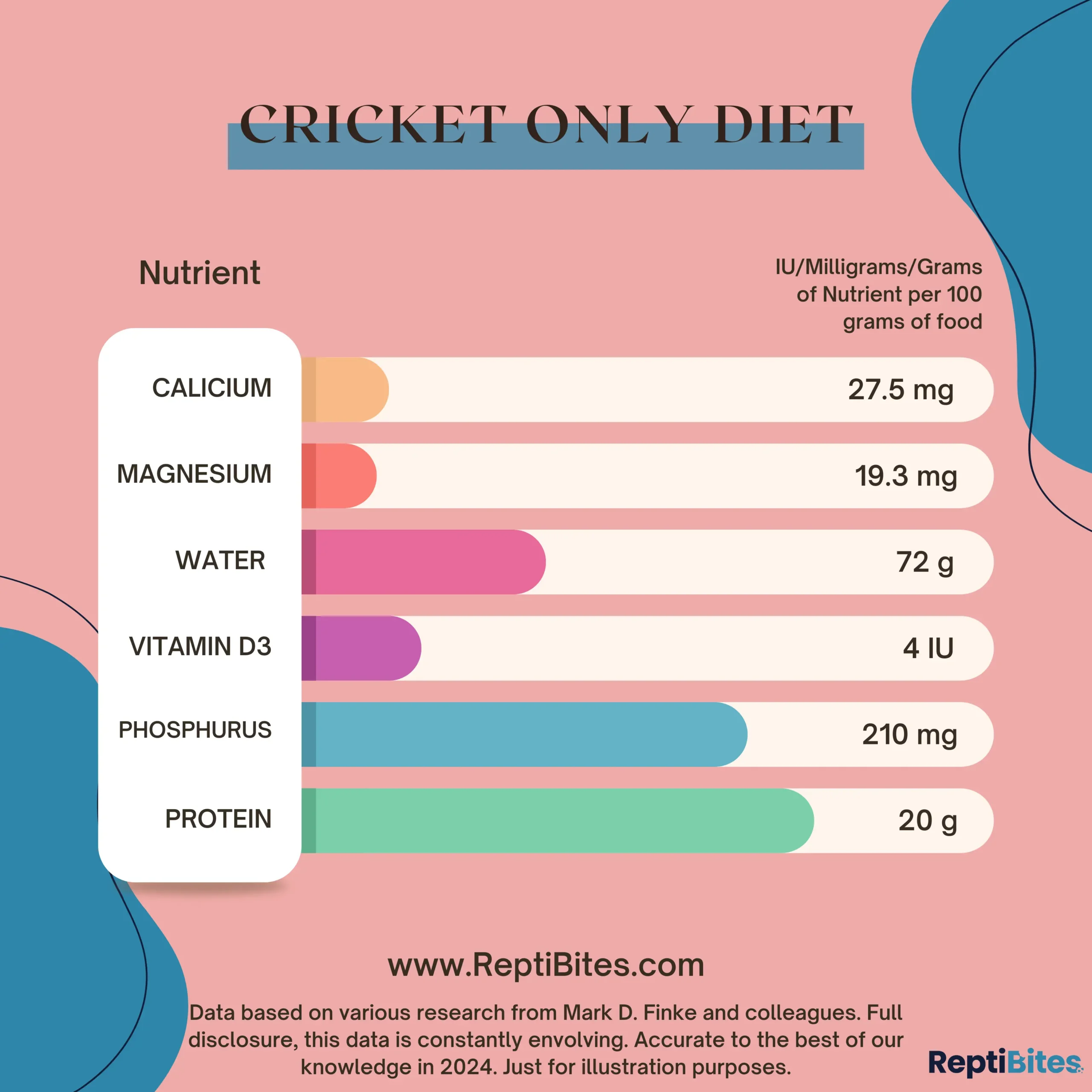
When it comes to feeder insects, dubia roaches are increasingly considered the gold standard. They have a higher protein content and a better calcium-to-phosphorus ratio than crickets. They're also easier to keep and don’t make as much noise. I know some owners are initially hesitant about handling roaches, but the nutritional benefits are undeniable. Crickets are still a viable option, but supplementation is even more crucial with crickets.
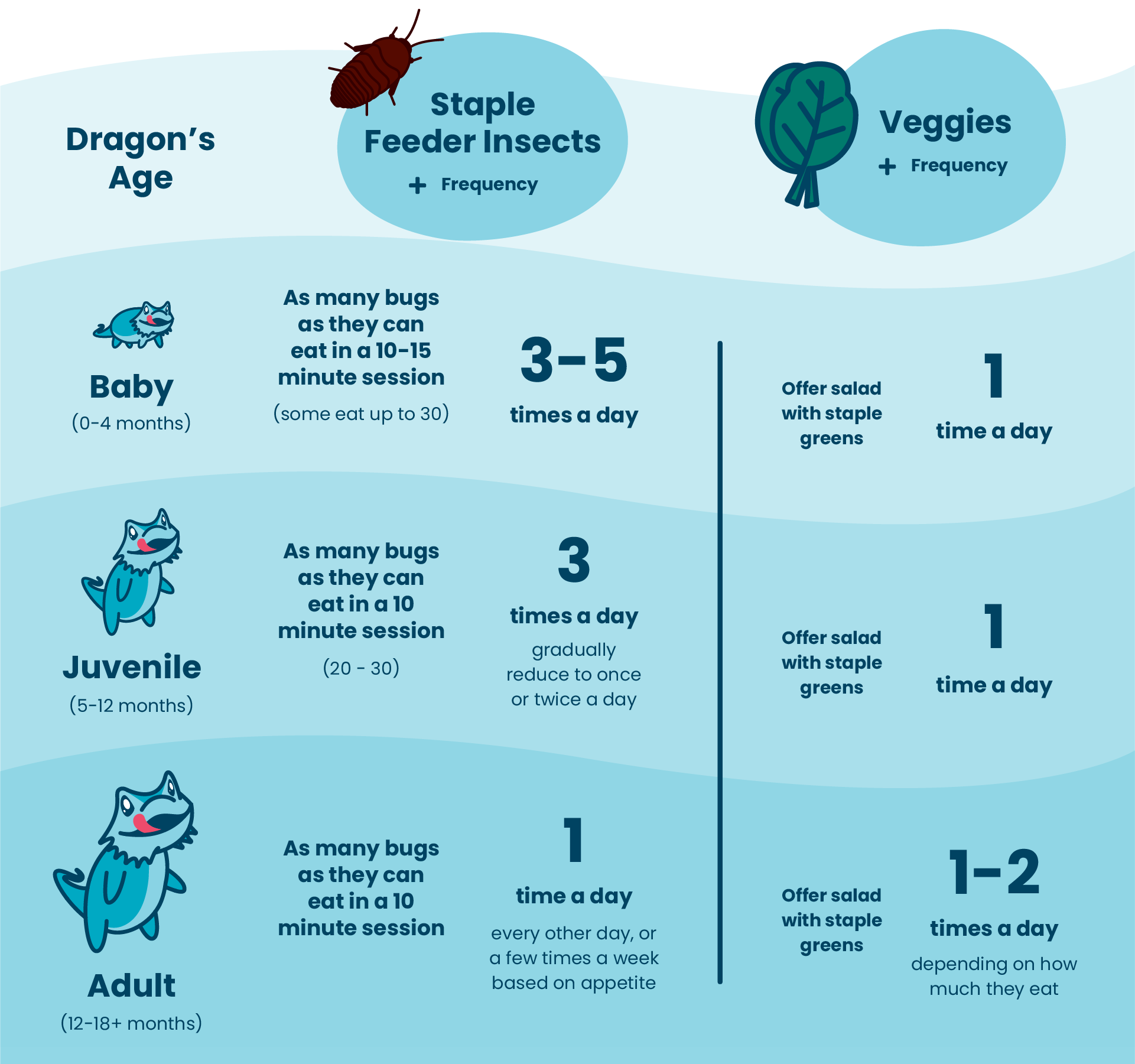
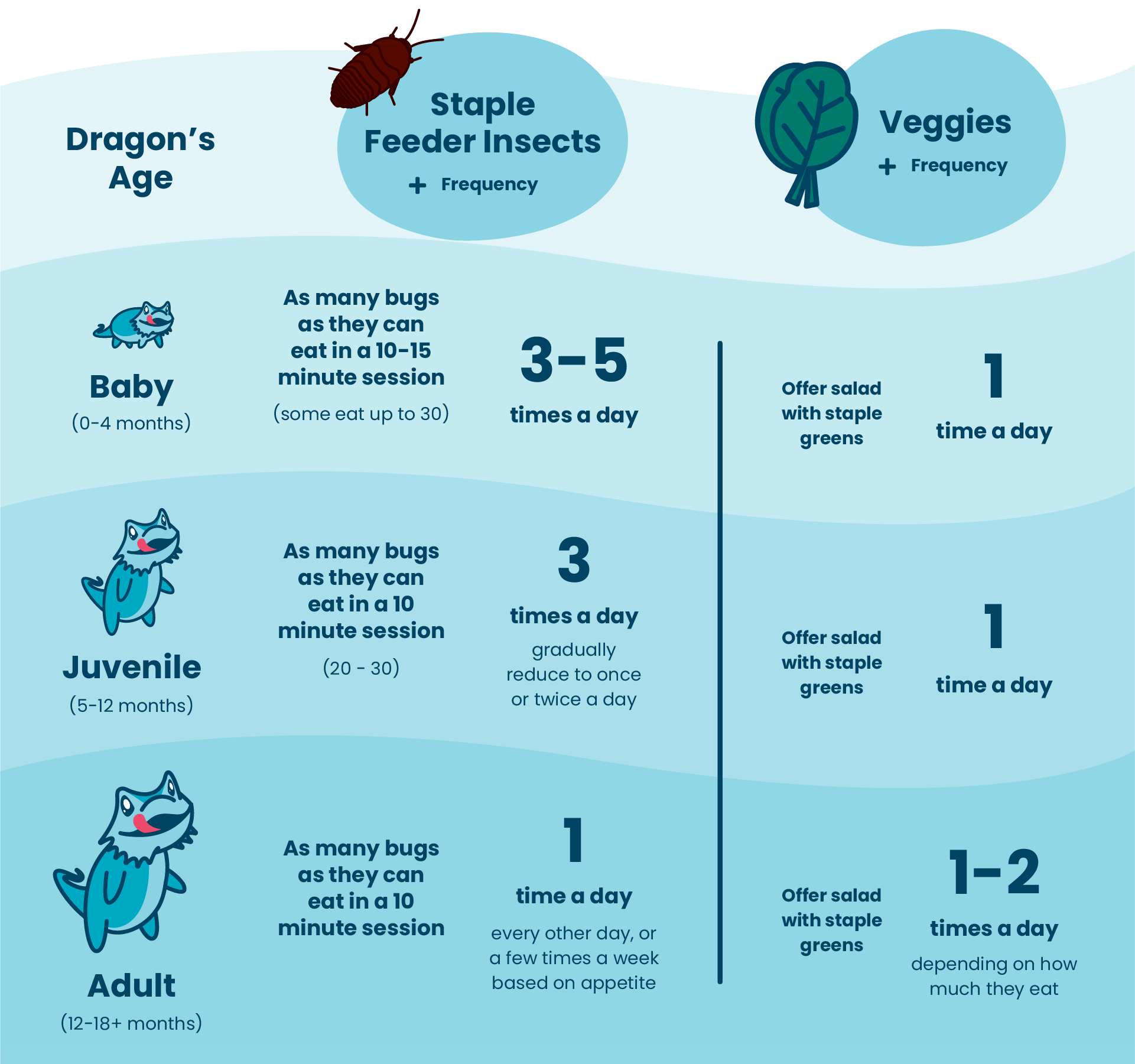
Black soldier fly larvae (BSFL) are another excellent choice, offering a good source of calcium. Just be mindful of their chitin content, which can be harder to digest for some dragons. Varying your insect selection is ideal, offering a mix of dubia roaches, BSFL, and occasionally crickets. The frequency of feeding depends on age: juveniles need insects 2-3 times per day, while adults can be fed 2-3 times per week. Always dust insects with a calcium supplement before feeding, especially for younger dragons.
- Crickets are easy to find but they are lower in protein and calcium than other options.
- Dubia roaches are my top pick because they are high in protein, easy to keep, and don't smell.
- Black Soldier Fly Larvae (BSFL): Excellent calcium source, but higher in chitin.
- Mealworms: High in fat, should be offered sparingly as a treat.
Nutritional Comparison of Common Bearded Dragon Feeder Insects
| Feeder Insect | Protein (%) | Fat (%) | Calcium (%) | Chitin Content | Gut-Load Potential |
|---|---|---|---|---|---|
| Crickets | 60-70 | 20-30 | 0.5-1.0 | Moderate-High | High |
| Dubia Roaches | 36-61 | 18-34 | 0.4-0.7 | Low-Moderate | High |
| Black Soldier Fly Larvae (BSFL) | 40-45 | 30-40 | 1.5-2.0 | Moderate | Medium |
| Mealworms | 20-25 | 30-40 | 0.4-0.6 | High | Low |
| Superworms | 15-20 | 35-45 | 0.2-0.4 | High | Low |
Illustrative comparison based on the article research brief. Verify current pricing, limits, and product details in the official docs before relying on it.
The truth about greens and oxalates
The common advice to load up your dragon’s salad bowl isn’t quite right. While greens are important for providing vitamins and fiber, they shouldn’t be the primary component of the diet. Around 10-20% of the diet should consist of greens, with the majority coming from insects. The key is variety and choosing the right types of greens.
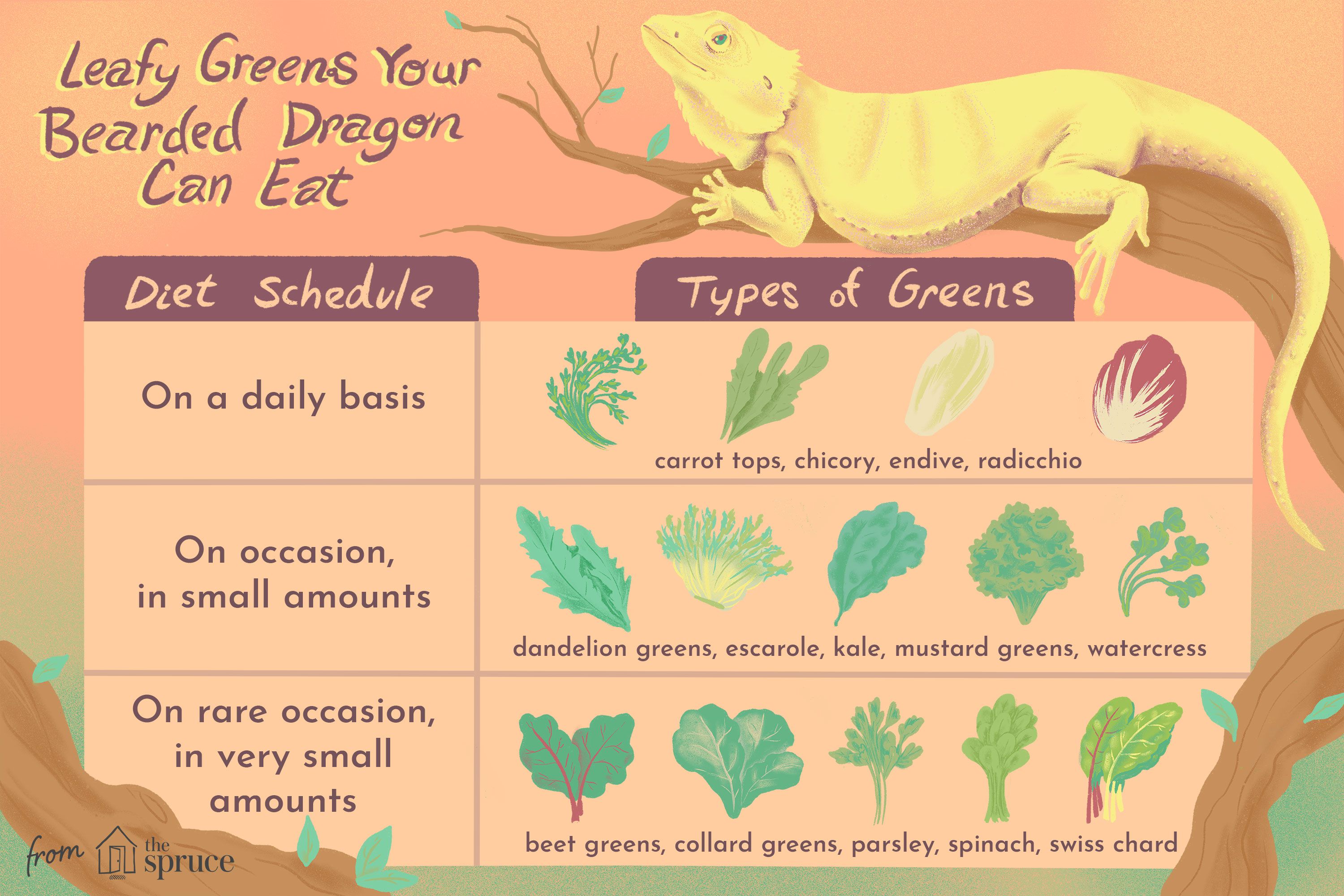
Collard greens, mustard greens, dandelion greens, and turnip greens are excellent choices, offering a good balance of nutrients. These should form the bulk of your dragon’s green intake. Avoid spinach, kale, and other high-oxalate greens, as these can bind to calcium and prevent its absorption, leading to metabolic bone disease. Romaine lettuce offers little nutritional value and should be avoided.
Proper preparation is also crucial. Always wash greens thoroughly to remove pesticides and contaminants. Chop or shred them into small, manageable pieces to make them easier for your dragon to eat. Mixing different greens together can encourage variety and ensure a broader range of nutrients. I've found that slightly wilting the greens can also make them more appealing.
I’ve had a few picky eaters over the years, and the trick is persistence. Offer a small amount of a new green alongside their favorites. It can take several attempts before they'll try it. Sometimes, lightly misting the greens with a little fruit juice can entice them. Remember, variety is key, and even a small amount of different greens can make a big difference.
Bearded Dragon Greens Guide
- Collard Greens - A fantastic daily staple, high in calcium and other essential nutrients. Offer a variety to ensure a balanced intake.
- Mustard Greens - Another excellent daily staple. They provide a good source of vitamins and contribute to overall health. Ensure they are washed thoroughly.
- Turnip Greens - A good rotation option, offering a different nutritional profile than collard or mustard greens. Introduce gradually to monitor digestion.
- Dandelion Greens - A beneficial rotation option, naturally high in vitamins and minerals. Source from pesticide-free areas or purchase from a reputable supplier.
- Butternut Squash (grated) - An occasional treat, providing beta-carotene and fiber. Offer in small quantities due to its higher sugar content.
- Red Leaf Lettuce - An occasional treat, offering some hydration. It has limited nutritional value compared to darker leafy greens and should not be a staple.
- Spinach - Avoid This - Contains oxalates which can bind calcium, potentially leading to deficiencies. While occasional small amounts are debated, it's best to avoid regular consumption.
- Iceberg Lettuce - Avoid This - Offers very little nutritional value and is mostly water. It can contribute to digestive issues and should not be part of a bearded dragon's diet.
Fruit: A Small Treat, Not a Staple
Fruit is often a dragon’s favorite, and it's tempting to offer it frequently. However, fruit should be considered a small treat, making up no more than 5-10% of the diet. It’s high in sugar, which can lead to weight gain and, more importantly, contribute to metabolic bone disease if it disrupts the calcium-to-phosphorus ratio.
Berries (strawberries, blueberries, raspberries) and papaya are the best fruit options, offering a good source of vitamins and antioxidants. Offer these in very small quantities, a few times a week. Avoid citrus fruits like oranges and lemons, as they are too acidic. Bananas are also best avoided due to their high potassium content.
I think owners often overdo it with fruit because beardies genuinely love the taste. They'll beg for it, and it's hard to resist. But remember, you're providing for their long-term health, not just their immediate enjoyment. A little fruit as a rare treat is fine, but it shouldn't be a regular part of their diet.
Supplements: Calcium, D3, and Multivitamins
Supplementation is essential, especially for bearded dragons kept indoors. They don’t get the natural UVB exposure needed to synthesize vitamin D3, which is crucial for calcium absorption. Without adequate calcium and D3, they’re at risk of developing metabolic bone disease.
Calcium supplementation should be done with almost every feeding, especially for juveniles. Dusting insects with a calcium powder is the most common method. For dragons with adequate UVB exposure, calcium supplementation 2-3 times per week is usually sufficient. Vitamin D3 should be included in the calcium supplement, or offered separately a few times per week.
Multivitamins can be beneficial, particularly during times of stress or illness. However, they shouldn’t be used as a substitute for a well-balanced diet and proper calcium/D3 supplementation. I personally trust Zoo Med Reptivite and Repashy Calcium Plus as reliable brands. I’ve used them for years with consistent results.
The appropriate dosage depends on the dragon’s age and UVB exposure. Always follow the instructions on the supplement packaging. Too much vitamin D3 can be toxic, so it’s important to be careful.
Hydration: Beyond the Water Bowl
Hydration is often overlooked, but it's just as important as diet. Bearded dragons don't always drink readily from a water bowl, so it’s important to be proactive. Misting your dragon with water a few times a day encourages them to drink droplets from their snout.
Soaking your dragon in shallow, lukewarm water for 15-20 minutes a few times a week can also help with hydration. Offering water droplets on their snout using a syringe or eyedropper is another effective method. Some dragons will also drink from a dripping faucet.
If your dragon consistently refuses to drink from a bowl, don’t be discouraged. Focus on the other methods mentioned above. Dehydration can lead to serious health problems, so it’s crucial to ensure they’re getting enough fluids. I’ve found that offering water after a feeding often encourages them to drink.
Lifespan Impact: New Research Findings
Recent studies (2024-2026) are revealing a strong correlation between diet and bearded dragon lifespan. One study published in the Journal of Reptilian Nutrition (2025) found that dragons fed a diet high in insects and low in fruit lived an average of 2.5 years longer than those fed a traditional, plant-heavy diet. These findings are significant.
Specific nutrients are being highlighted as particularly important. Vitamin A deficiency is linked to respiratory infections and reduced lifespan. Taurine, an amino acid found in insects, is now believed to play a crucial role in heart health. Ensuring adequate intake of these nutrients through a properly balanced diet is essential.
The research also shows a clear link between optimal nutrition and reduced health problems. Dragons fed a balanced diet are less likely to develop metabolic bone disease, impaction, and other common ailments. While this research is still evolving, the trends are undeniably pointing towards the importance of a more insect-focused diet.
We're still waiting on long-term data for some of these newer insect varieties, but the current numbers are hard to ignore. If you want your dragon to hit the 12 or 15-year mark, the insect-to-green ratio is the first thing you should fix.
What's the biggest feeding challenge you face with your bearded dragon?
We want to hear from you! Understanding your daily feeding struggles helps us tailor our research-backed diet guides to address the issues that matter most. Vote below and share your experience in the comments!
No comments yet. Be the first to share your thoughts!