

Bearded dragon lifespan realities
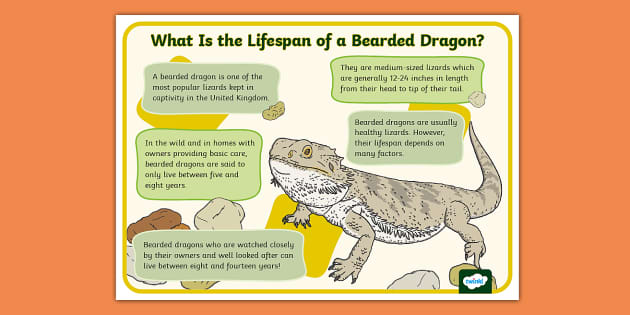
For years, the average bearded dragon lifespan was often quoted as being between 5 and 10 years. While that was a reasonable expectation, things are changing. We’re increasingly hearing about dragons living well into their teens, and even exceeding 20 years. This isn’t just luck; it’s a direct result of improvements in our understanding of their care needs.
Achieving a 20+ year lifespan is now realistic with dedicated care. This piece looks at the factors contributing to a long and healthy life for your scaled companion, a significant leap from previous expectations that demands a closer look at modern husbandry practices.
The Seattle Animal Shelter's care sheet for bearded dragons provides a solid foundation for responsible ownership, emphasizing the need for proper temperature gradients, UVB exposure, and a varied diet. This basic framework is now being built upon with more nuanced understandings of their physiological needs. However, even with that foundation, individual results will vary.
Genetics and early life
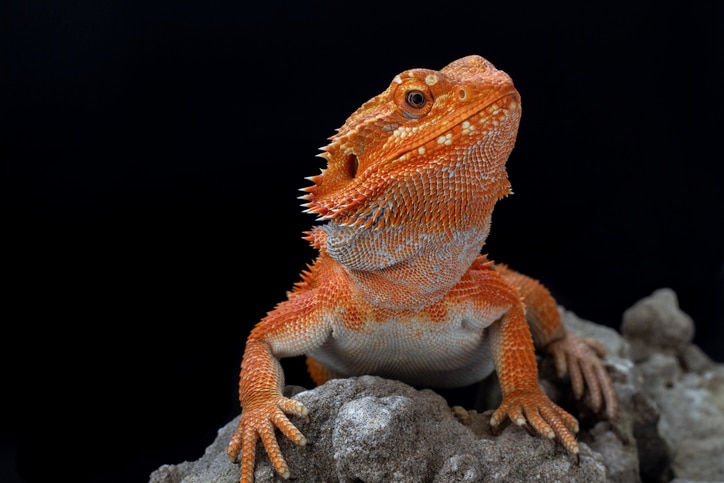
Genetics certainly play a role in a bearded dragon’s potential lifespan. While definitive research is still limited, it's reasonable to assume that some bloodlines may be predisposed to greater longevity or specific health issues. Certain morphs, particularly those resulting from intensive breeding, might be more susceptible to genetic defects, though this isn't always the case.
A healthy start is paramount. Captive-bred bearded dragons generally have a better prognosis than wild-caught individuals, as their early life and genetics are more likely to be known. The health of the mother dragon is also critical; a well-nourished mother is more likely to produce robust offspring. Early access to a correct diet is also essential.
While specific genetic predispositions of certain morphs aren't fully understood, some dragons are simply luckier than others. A strong genetic foundation, combined with excellent care, gives a dragon the best possible chance at a long life. Asking breeders about lineage is possible, but complete information isn't always available.
Diet for longevity
Nutrition is arguably the most important factor influencing a bearded dragon’s lifespan. Their dietary needs change as they age, requiring a careful balance of insects, greens, and supplementation. Young dragons need a higher proportion of insects to support their rapid growth, while adults require more greens to maintain a healthy weight and prevent obesity.
Improper calcium/phosphorus ratios are a major concern. A ratio of 2:1 (calcium to phosphorus) is ideal to prevent metabolic bone disease (MBD). Dusting insects with calcium and vitamin D3 supplements is crucial, especially for young, growing dragons. Vitamin A deficiency is also common, leading to respiratory issues and other health problems.
Our understanding of staple insects is evolving. While crickets have long been a staple, they aren't necessarily the best option. Dubia roaches, black soldier fly larvae, and other insects offer a better nutritional profile and are easier to digest. Variety is key—don't rely on a single insect source. An imbalanced diet can lead to MBD.
Here’s a general guideline for dietary composition, though individual needs may vary:
- Babies (0-6 months): 80% insects, 20% greens - Juveniles (6-12 months): 60% insects, 40% greens - Adults (12+ months): 20% insects, 80% greens
- Babies (0-6 months): 80% insects, 20% greens
- Juveniles (6-12 months): 60% insects, 40% greens
- Adults (12+ months): 20% insects, 80% greens
Bearded Dragon Dietary Ratios by Life Stage
| Life Stage | Insects (%) | Greens (%) | Other (%) | Calcium Supplementation | Vitamin D3 Supplementation |
|---|---|---|---|---|---|
| Juvenile (0-6 months) | 80-90% | 10-20% | 0-5% | Daily | Daily |
| Sub-Adult (6-12 months) | 50-70% | 20-40% | 5-10% | Most days | Most days |
| Young Adult (12-18 months) | 30-50% | 30-50% | 10-20% | Several times a week | Several times a week |
| Adult (18+ months) | 10-30% | 50-70% | 10-20% | 2-3 times a week | 2-3 times a week |
| Senior (8+ years) | 5-15% | 60-80% | 10-20% | 1-2 times a week | 1-2 times a week |
Illustrative comparison based on the article research brief. Verify current pricing, limits, and product details in the official docs before relying on it.
Terrarium setup essentials
A proper terrarium setup is non-negotiable for a long-lived bearded dragon. This goes beyond just providing a spacious enclosure; it’s about recreating their natural desert environment as closely as possible. UVB lighting is absolutely essential for vitamin D3 synthesis, which is crucial for calcium absorption and preventing MBD.
Don't skimp on the UVB bulb. The output degrades over time, even if the bulb still appears to be working. Replace UVB bulbs every 6-12 months, depending on the brand and type. Arcadia and Zoo Med are reputable brands known for producing high-quality UVB bulbs. Basking temperatures should be in the 100-110°F range, with a temperature gradient allowing the dragon to thermoregulate.
Substrate choices are a source of debate. Sand can be problematic if ingested, leading to impaction, but many dragons thrive on sand/soil mixes. Paper towels are a safe option for young dragons or those with health issues. Tile is easy to clean and provides a good basking surface. Humidity should be kept relatively low, around 30-40%.
Advancements in heating and lighting technology have significantly improved our ability to provide optimal conditions. LED grow lights can supplement UVB output and provide a naturalistic basking spot. Digital thermostats and hygrometers ensure accurate temperature and humidity control. I'm a big believer in investing in quality equipment upfront—it pays off in the long run.
Recognizing illness
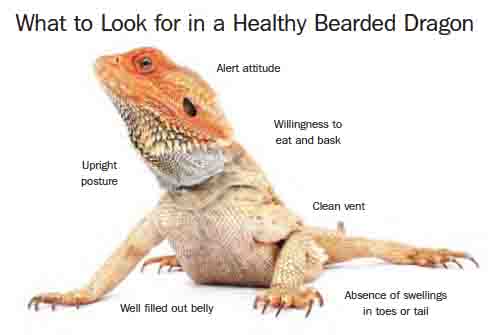
Preventative care and early detection are key to addressing health problems before they become life-threatening. Daily observation of your dragon’s behavior, appetite, and droppings is crucial. Any changes should be investigated promptly. A lethargic dragon, a loss of appetite, or abnormal stool are all red flags.
Common illnesses include metabolic bone disease (MBD), impaction, respiratory infections, and parasites. Early signs of MBD include tremors, weakness, and bone deformities. Impaction manifests as a lack of appetite, constipation, and a swollen abdomen. Respiratory infections cause wheezing, nasal discharge, and open-mouth breathing.
Regular vet checkups with a reptile-savvy veterinarian are essential, even if your dragon appears healthy. A vet can perform a thorough examination, run diagnostic tests, and identify potential problems before they become serious. Finding a vet experienced with reptiles is important; many general practice vets lack the specialized knowledge needed to properly diagnose and treat bearded dragons.
Here’s a quick checklist of things to monitor:
- Appetite: Is your dragon eating regularly? - Activity Level: Is your dragon alert and active? - Droppings: Are the droppings normal in color and consistency? - Shedding: Is shedding complete and healthy? - Breathing: Is breathing clear and effortless?
- Appetite: Is your dragon eating regularly?
- Activity Level: Is your dragon alert and active?
- Droppings: Are the droppings normal in color and consistency?
- Shedding: Is shedding complete and healthy?
- Breathing: Is breathing clear and effortless?
Stress and enrichment
Stress can significantly impact a bearded dragon's health and lifespan. A stressed dragon’s immune system is compromised, making them more susceptible to illness. Providing a stimulating and enriching environment is crucial for their mental wellbeing.
Environmental enrichment includes providing climbing structures like branches and rocks, hiding places like caves and cork bark, and opportunities for exploration. Rotate the décor periodically to keep things interesting. Puzzle feeders can also provide mental stimulation.
Occasional handling and socialization can be beneficial, but it’s important to respect your dragon’s individual personality. Some dragons enjoy being handled, while others prefer to be left alone. Never force interaction. Dragons who are bored or stressed seem to decline faster.
Avoid loud noises, sudden movements, and other stressors. A calm and predictable environment is essential for a happy and healthy dragon. Consider their enclosure's location—a busy hallway isn't ideal.
Ongoing research
Research into bearded dragon health and longevity is ongoing. Scientists are exploring the potential of genetic screening to identify dragons predisposed to certain health issues. Advanced diagnostic tools are being developed to detect illnesses earlier and more accurately.
Novel therapies, such as targeted drug delivery and regenerative medicine, may one day offer new treatment options for common bearded dragon ailments. However, much of this research is still in its early stages. Much remains unknown about these creatures.
Longer lifespans are likely as our understanding improves. Continued research and collaboration between veterinarians, breeders, and hobbyists are essential to advancing knowledge and providing the best possible care for scaled companions.
Real-world longevity stories
Hearing from fellow Dragon Freak community members is inspiring. Many have shared stories of their dragons living well into their late teens and early twenties, a testament to the power of dedicated care. One owner, Sarah M., reported her dragon, Rex, lived to be 22 years old, attributing his longevity to a meticulously balanced diet and a spacious, enriching enclosure.
Another member, John B., shared that his dragon, Spike, reached 21 years old with a focus on providing a varied diet of insects and greens, as well as regular vet checkups. These accounts demonstrate that achieving a 20+ year lifespan isn’t just a theoretical possibility—it’s a reality for many bearded dragon owners.
These success stories highlight the importance of consistent effort and attention to detail. It’s a reminder that providing optimal care is a long-term commitment, but one that is richly rewarded with the companionship of a healthy and long-lived dragon. Hearing success stories and learning from others' experiences is beneficial.
No comments yet. Be the first to share your thoughts!