

Get bearded dragon diet right
Before introducing new superfoods or removing toxic plants, you need to establish the baseline proportions that keep your dragon healthy. The core rule is simple: adult bearded dragons thrive on an 80/20 split of leafy greens and vegetables to insects. Juveniles, who are still growing, flip this ratio to 20% plants and 80% protein. If you get these base numbers wrong, the specific nutrient density of individual foods matters less.
Start by auditing your current feeding routine. Are you relying on the same handful of staples like romaine lettuce and crickets? While safe, these offer limited nutritional variety. The goal of the 2026 update is to broaden this palette safely. You will need to identify which "superfoods" fit into that 80% plant portion without displacing essential calcium sources. Simultaneously, you must cross-reference your current plant list against the updated toxicity database to ensure no accidental poisons are present.
This section serves as your pre-flight checklist. We will walk through the specific substitutions that maximize nutrient density while minimizing risk. Pay close attention to the preparation steps for new greens; many superfoods require blanching or chopping to be digestible. Skipping this prep can lead to impaction, a serious and common issue in bearded dragons.
-
Verify your dragon’s age to confirm the correct plant-to-insect ratio
-
Audit current greens for outdated or toxic varieties
-
Prepare a shopping list for approved superfoods
-
Review blanching and chopping techniques for new vegetables
Once you have cleared these prerequisites, you are ready to build a varied, safe, and nutritionally complete plate.
Build the daily feeding routine
A consistent routine reduces stress and ensures your bearded dragon gets the right balance of nutrients. Start by preparing the enclosure: verify that the basking spot is between 95°F and 105°F (35°C–40°C) and the cool side is around 80°F (27°C). Proper heat is essential for digestion, so turn on the basking light 30 minutes before feeding.
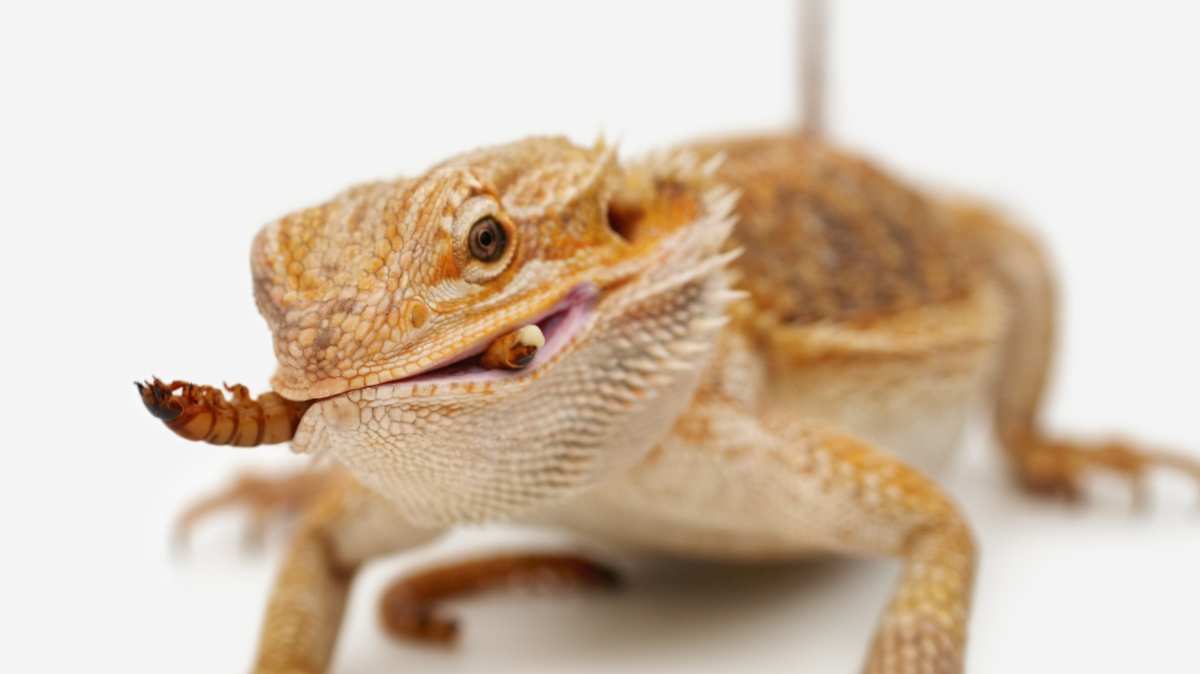
Adults should receive 10–15 gut-loaded insects daily, while juveniles need 20–30. Gut-loading means feeding the insects nutritious foods like dark leafy greens 24 hours before offering them to your dragon. This ensures the nutrients transfer to your pet. Avoid feeding wild-caught insects, as they may carry parasites or pesticides.
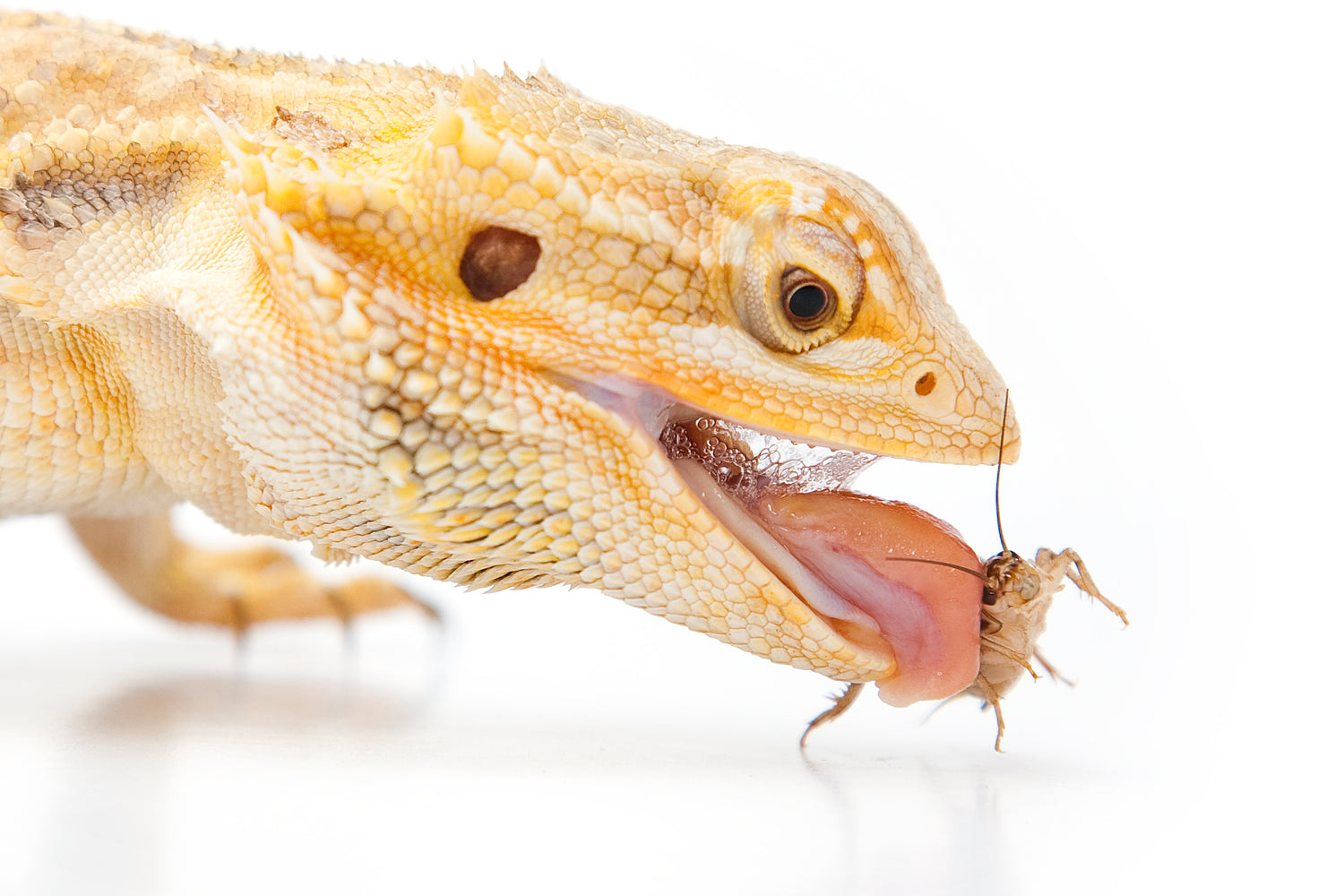
Fill the rest of the plate with 80% plants for adults. Focus on dark leafy greens like collard greens, mustard greens, and dandelion greens. Chop vegetables into small, manageable pieces. Juveniles need more insects and can handle slightly more variety, but the plant-based foundation remains critical for preventing metabolic bone disease.
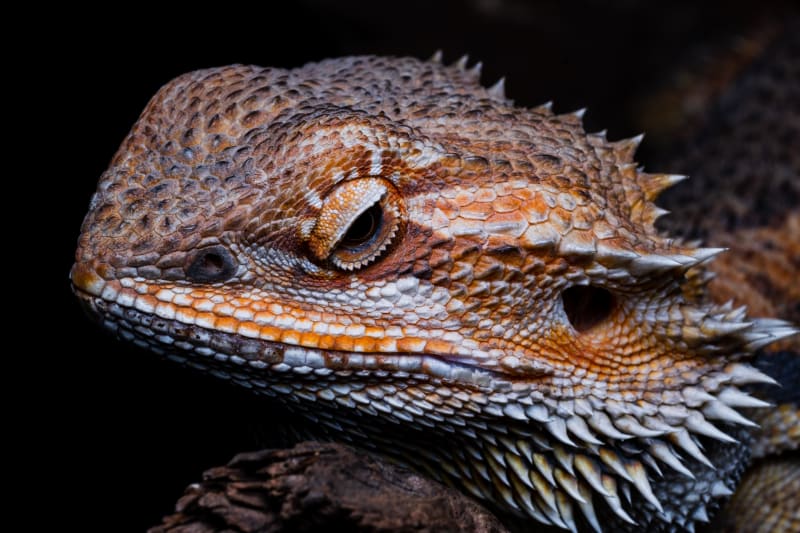
Fruits should make up less than 10% of the diet. Offer small pieces of berries, melons, or papaya once or twice a week. High-sugar fruits like figs or grapes should be avoided. Think of fruit as a occasional snack, not a staple. Too much sugar can lead to obesity and digestive issues.
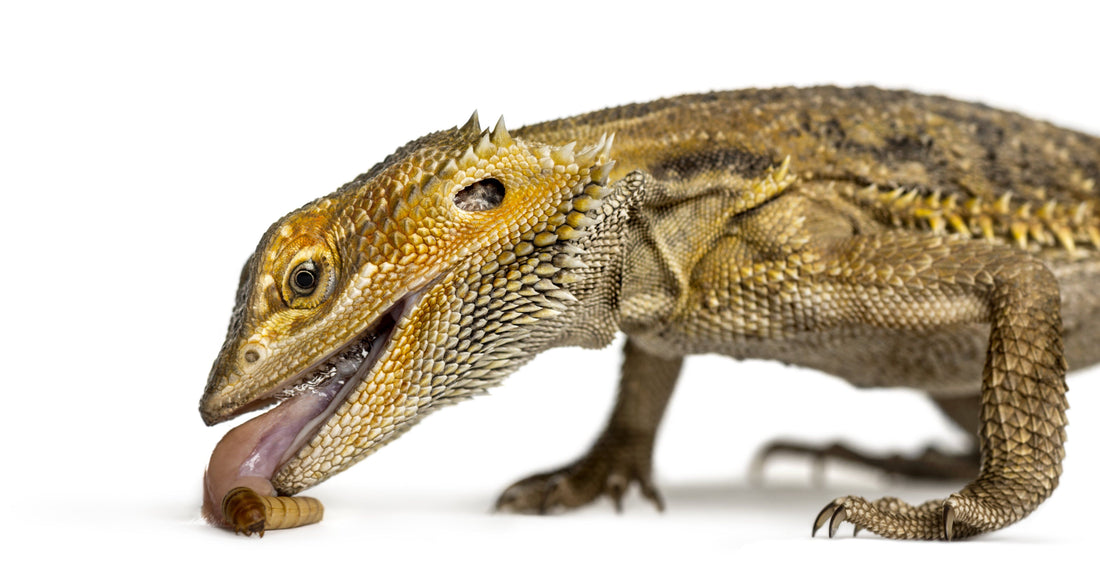
Lightly coat insects with a calcium powder supplement once a week, or daily if your dragon lacks UVB lighting. Use a calcium powder without D3 if your enclosure has proper UVB lighting, as excess D3 can be toxic. For juveniles, dust insects three times a week to support rapid bone growth. Avoid over-supplementing, which can cause kidney stress.
Change the water dish daily and scrub it to prevent bacterial growth. Many dragons prefer to drink from misted leaves or running water. If your dragon refuses to drink from a bowl, try misting them lightly with lukewarm water once a day. Hydration is critical for proper digestion and shedding.
Fix common mistakes
Bearded dragons are resilient, but they are not invincible. Even experienced keepers slip up on basic nutrition and habitat details, leading to preventable health issues. The most frequent errors stem from treating reptile care as a set of rigid rules rather than a dynamic balance of biology and environment. By understanding these pitfalls, you can avoid the mistakes that cause metabolic bone disease, obesity, and stress.
Overfeeding Insects to Adults
Adult bearded dragons require a diet that is roughly 80% plant matter and only 20% protein. Many owners continue to feed heavy insect portions well past the juvenile stage. This habit leads to obesity, fatty liver disease, and kidney strain. Instead of daily gut-loaded crickets or mealworms, offer insects as occasional treats or training rewards. Focus on leafy greens, squash, and safe fruits. If you do offer protein, stick to smaller, easier-to-digest options like dubia roaches or black soldier fly larvae in moderation.
Ignoring UVB Lighting Lifespans
UVB bulbs are invisible to the naked eye, but their output degrades over time. A bulb that looks fine may no longer be emitting the necessary spectrum for calcium synthesis. Most T5 HO linear bulbs lose significant efficacy after six to twelve months, even if they still turn on. Replace your UVB source every six to twelve months, regardless of appearance. Without proper UVB, your dragon cannot produce vitamin D3, leading to metabolic bone disease, a painful and often fatal condition characterized by softened bones and deformities.
Using Incorrect Substrates
The substrate you choose directly impacts your dragon’s digestive health and safety. Loose, grainy materials like sand, corn cob, or walnut shell are common mistakes. When ingested, these materials can cause impaction, a blockage in the intestines that often requires surgery. Even small amounts of sand mixed with food can be dangerous. Opt for non-absorbent options like tile, paper towels, or reptile carpet. If you prefer a more natural look, use large, smooth river stones that cannot be swallowed, or stick to completely safe, digestible options like coconut fiber in very thin layers, though tile remains the safest bet for beginners.
Neglecting Humidity and Hydration
While bearded dragons are desert animals, they still require proper hydration. Many owners mistake low humidity for a desert requirement, but stagnant air and lack of fresh water lead to chronic dehydration and shedding problems. Provide a shallow water dish for soaking, and mist the enclosure lightly if the air is very dry. Watch for signs of dehydration, such as sunken eyes or sticky skin. Regular water changes and cleaning prevent bacterial growth, ensuring your dragon stays healthy and active.
Bearded dragon diet: what to check next
New superfoods and updated toxic plant lists can create confusion for keepers who have managed their dragons for years. The following questions address the most common practical objections regarding safety, portioning, and nutritional balance.
These guidelines prioritize concrete safety checks over abstract advice. By focusing on specific ratios and verified plant lists, you can maintain a healthy diet without unnecessary guesswork.
No comments yet. Be the first to share your thoughts!