
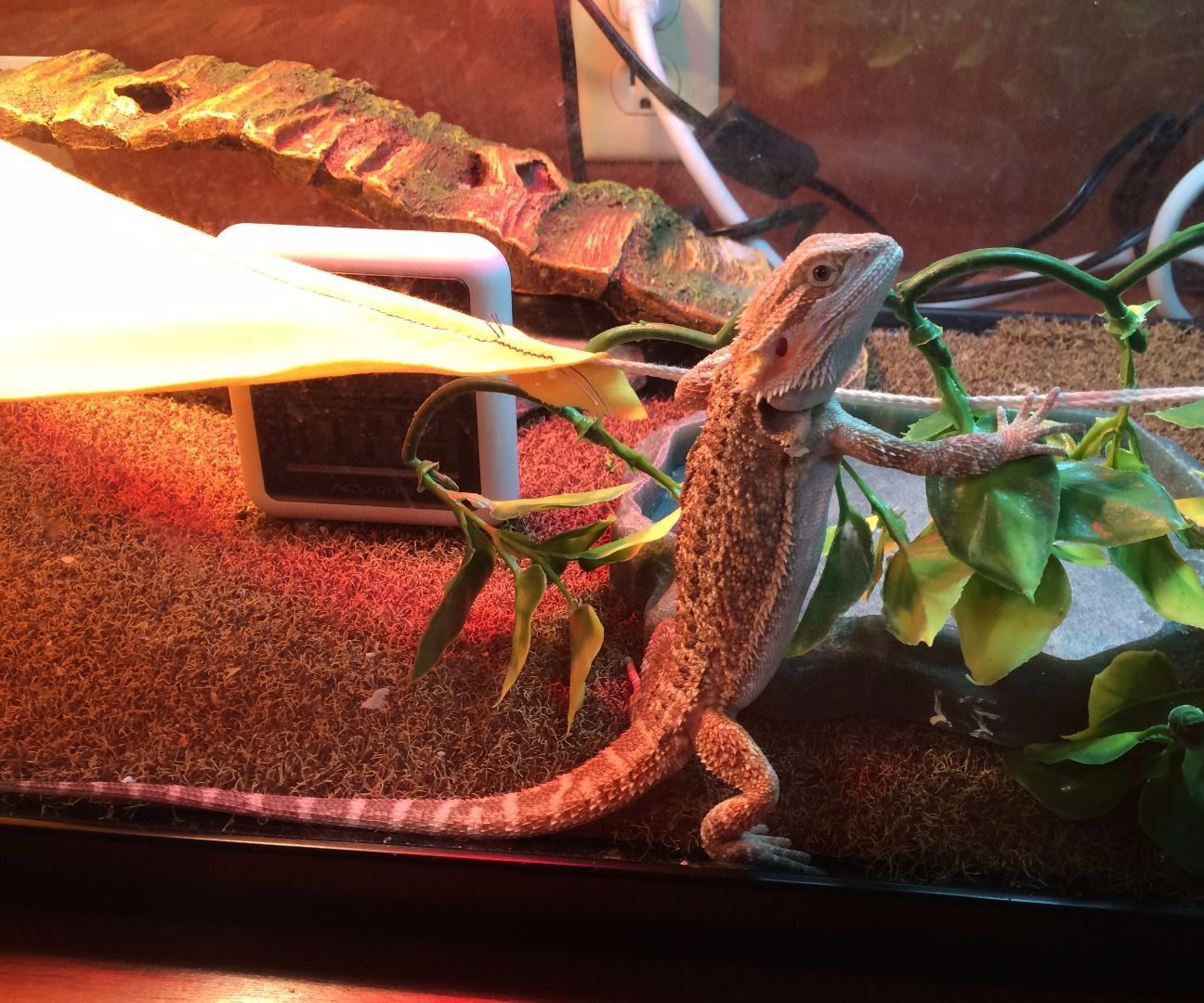

Choose the right enclosure size
The single most common mistake new owners make is buying a tank that is too small. A bearded dragon is not a static pet; it is an active, ground-dwelling reptile that requires significant floor space to regulate its body temperature and maintain healthy muscle tone. Think of the enclosure as a small apartment, not a studio closet. If the space is cramped, the dragon cannot create a proper thermal gradient, leading to stress and digestive issues.
For a juvenile bearded dragon, a 40-gallon breeder tank is the absolute floor. This size allows for a basking zone, a cool zone, and enough room to move between them. However, this is only a temporary solution. As the dragon grows, it will quickly outgrow this space. Most experts agree that an adult bearded dragon needs a minimum of a 75-gallon tank, with dimensions of at least 72 inches long by 18 inches wide by 24 inches high. Going larger is always better, as it reduces stress and prevents metabolic bone disease caused by poor thermoregulation.
While glass tanks are traditional, they have significant drawbacks. Glass retains heat poorly and blocks UVB light, meaning you need stronger, more expensive bulbs to compensate. Glass is also heavy, fragile, and prone to condensation, which can foster bacterial growth. PVC (polyvinyl chloride) enclosures are a superior alternative for many setups. They are lightweight, excellent insulators, and easy to clean. A well-ventilated PVC enclosure maintains stable temperatures with less energy, creating a more natural and comfortable environment for your pet.
Essential lighting and heating gear
Bearded dragons are ectotherms, meaning they rely entirely on external heat sources to regulate their body temperature. Without precise lighting and heating, they cannot digest food or synthesize the vitamins necessary for survival. The two non-negotiable components of any successful setup are a high-output UVB bulb and a focused basking heat source.
UVB Lighting
UVB radiation is the engine behind calcium metabolism. Without it, bearded dragons develop Metabolic Bone Disease (MBD), a painful and often fatal condition where bones become soft and brittle. Even with a calcium-rich diet, UVB is required to convert dietary calcium into a usable form.
T5 HO (High Output) fluorescent tubes are the gold standard for bearded dragon enclosures. Unlike compact bulbs, tubes provide a broad, linear field of UVB that matches the dragon's natural basking behavior. The Zoo Med ReptiSun 10.0 T5 HO is a widely recognized choice that delivers the necessary 10% UVB output. These bulbs must be placed within 10-12 inches of the basking spot and replaced every 6-12 months, as their output degrades significantly even when the light still appears to shine.
Heat Sources
Heat gradients allow the dragon to thermoregulate. The basking spot under the UVB bulb should reach 95-105°F (35-40°C), while the cool side of the enclosure should remain around 75-80°F (24-27°C). Spotlights and ceramic heat emitters are common tools for creating this gradient.
Incandescent basking bulbs, such as the Zoo Med Basking Spot Lamp, provide both heat and visible light, mimicking the sun. For nighttime heating, ceramic heat emitters (CHEs) are preferred because they emit heat without light, allowing the dragon to rest undisturbed. Pairing these with a reliable thermostat ensures the enclosure stays within safe temperature ranges, preventing dangerous overheating or chilling.
Safe substrate and flooring options
The floor of your bearded dragon tank is more than just decoration; it is a critical health factor. Loose, granular substrates like sand or crushed walnut shell pose a severe impaction risk. If your dragon ingests these particles while hunting or basking, they can block the digestive tract, a condition that often requires emergency surgery. Avoid these materials entirely to keep your pet safe.
For the best balance of safety and ease of cleaning, slate tile or ceramic tile is the gold standard. These surfaces are non-porous, easy to wipe down, and provide a secure grip for climbing. If you prefer a softer look, paper towels or butcher paper are the safest alternatives for hatchlings, though they lack aesthetic appeal. Many keepers also use reptile carpet, which mimics grass but requires thorough washing to prevent bacterial buildup.
When selecting a substrate, prioritize hygiene and physical safety over naturalism. A clean, solid surface reduces the risk of metabolic bone disease by allowing for consistent UVB exposure without hiding in dirt. Regular spot cleaning and weekly deep cleans are essential regardless of the material you choose.
Top complete enclosure kits
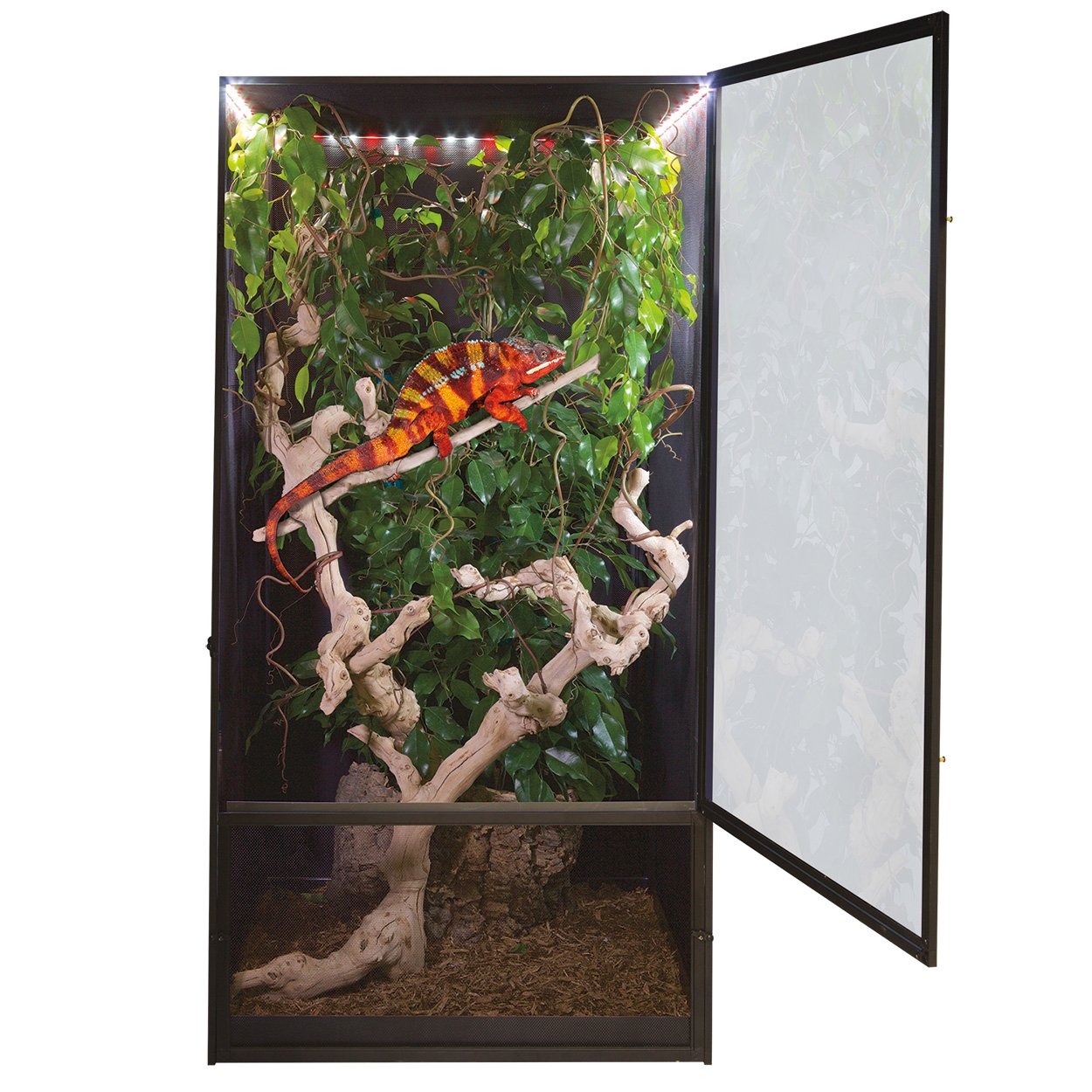
If you want a ready-to-go solution, a complete bearded dragon tank setup eliminates the guesswork of sourcing individual components. These kits typically bundle the enclosure, lighting, and substrate, providing a functional habitat right out of the box. While custom builds offer more flexibility, these kits are ideal for beginners or anyone who values convenience without sacrificing basic care standards.
When selecting a kit, prioritize size over aesthetics. A bearded dragon needs ample floor space to regulate its body temperature and move freely. Most experts recommend a minimum of 40 gallons for an adult, though larger is always better for their long-term well-being.
Below are three reliable options that balance quality and ease of use. Each kit addresses the core requirements of ventilation, heating, and durability.


As an Amazon Associate, we may earn from qualifying purchases.
These enclosures differ in material and ventilation style. Glass tanks retain heat well but may require additional ventilation adjustments. Screen-top or hybrid designs offer superior airflow, which is critical for preventing respiratory issues in reptiles. Always verify that the kit includes or is compatible with the necessary UVB lighting and basking bulbs, as these are not always included in the base price.
| Brand | Size | Material | Ventilation |
|---|---|---|---|
| Zoo Med | 40 Gallon | Screen/Glass | High |
| Exo Terra | 48x24x24 | Glass | Medium |
| Vision Enclosures | 40+ Gallon | Aluminum/Glass | High |
Building your own custom setup
For keepers who want precise control over their enclosure, mixing and matching components offers the best long-term value. While pre-built kits are convenient, they often compromise on lighting quality or tank volume. A custom build lets you prioritize the specific needs of your dragon, ensuring optimal heat gradients and UVB exposure.
Start with a high-quality screen-top tank, such as the Exo Terra Habitat, which allows proper airflow and light penetration. Pair this with a Zoo Med PowerSun UVB bulb and a Arcadia 12% fixture for reliable ultraviolet output. For heating, a Zilla Ceramic Heat Emitter works well alongside a Thermo Pro digital thermostat to prevent overheating. Always verify that your thermostat is calibrated to maintain a basking spot between 95-110°F (35-43°C).
Substrate choices vary by preference, but tile or paper towels are the safest for beginners, while sand mixes can work if monitored closely to avoid impaction. Add sturdy branches like driftwood for climbing and artificial plants for hiding spots. This modular approach ensures every component serves a purpose, creating a habitat that supports your bearded dragon’s health and natural behaviors.
-
Verify thermostat calibration
-
Check UVB bulb distance (10-12 inches)
-
Ensure hide spots are secure and cool
No comments yet. Be the first to share your thoughts!