

Finding a healthy dragon in 2026
Bearded dragon breeding has shifted toward specific traits like witblits and silkbacks. While you have more variety than ever, the surge in popularity makes it easier for low-quality 'mill' breeders to hide among the good ones. You have to be more selective about where your money goes.
Planning ahead is more important than ever. The availability of certain morphs and the overall health of available dragons can shift quickly. Breeders’ offerings change with each clutch, and rescue organizations see fluctuating intake rates. Don’t wait until you’re ready to bring a dragon home to start your search; begin researching breeders and rescues now to understand the landscape and what to expect.
High demand always brings out sellers looking for a quick buck. I've found that the difference between a healthy $100 dragon and a sick one often comes down to the breeder's daily cleaning habits and their willingness to show you the parent animals.
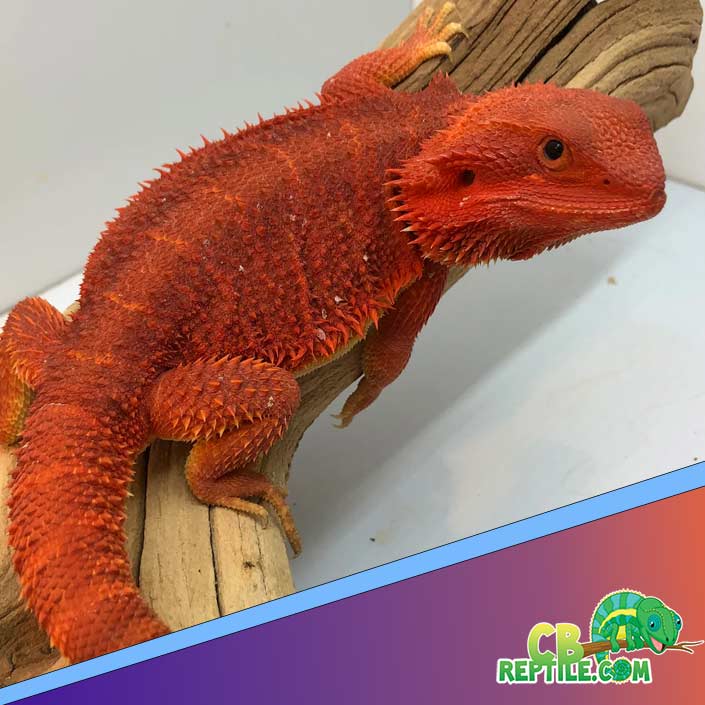
How to spot a decent breeder
A truly ethical breeder prioritizes the health and well-being of their dragons above all else. This isn’t just about avoiding obvious neglect; it’s about a deep understanding of genetics, husbandry, and a commitment to improving the species. Start by observing the breeder’s setup. Enclosures should be spacious, clean, and appropriately furnished with basking spots, UVB lighting, and hides.
Pay close attention to the parent dragons. Are they healthy-looking, with bright eyes and clear skin? Do they appear alert and responsive? A reputable breeder will happily show you the parents and discuss their lineage. They should be knowledgeable about potential genetic issues within their lines and be able to explain how they’re working to avoid them—avoiding line-breeding to minimize the risk of recessive gene expression is a good sign.
Don’t be afraid to ask detailed questions. A good breeder will be transparent about their practices and eager to share information. They should be able to provide a detailed history of the dragon you’re interested in, including its diet, shedding patterns, and any medical care it’s received. Be wary of breeders who are evasive or unwilling to answer your questions. I've seen too many breeders who are more interested in making a quick sale than ensuring their dragons go to good homes.
Red flags include cramped or dirty enclosures, lethargic or underweight dragons, a lack of knowledge about genetics, and a refusal to provide detailed information about the dragon’s history. A breeder who consistently produces dragons with health problems or who seems more focused on profit than welfare should be avoided.
MorphMarket: A Breeder Directory
MorphMarket (morphmarket.com) is a widely used online platform connecting buyers with reptile breeders. It’s a good starting point for your search, offering a vast selection of bearded dragons from breeders across the country. The site allows you to filter by morph, genetics, location, and price, making it easier to narrow down your options.
Check the ratings on MorphMarket, but don't treat them as gospel. I've seen sellers inflate their numbers by having friends post reviews. Look for specific comments about shipping times and how the animal looked upon arrival rather than just five-star clicks.
Dig deeper than the surface. Check if the breeder has a website or social media presence where you can. Contact them directly and ask questions. A reputable breeder will be happy to provide additional information and answer your concerns. It’s also a good idea to search for the breeder’s name online to see if there are any complaints or red flags.
- Filter by location to find breeders within driving distance so you can skip the stress of shipping.
- Check Genetics: Understand the genetics of the morph you’re interested in.
- Read Reviews: But take them with a grain of salt and verify information independently.
Evaluating Breeders on MorphMarket
- Breeder Rating: Check the breeder's overall star rating on MorphMarket. A consistently high rating (4.5 stars or higher) is a good initial indicator.
- Review Count: Look for breeders with a substantial number of reviews – more reviews generally provide a more reliable picture of their practices.
- Response Time: Assess how quickly the breeder responds to inquiries sent through MorphMarket. Prompt and detailed responses suggest good communication and care.
- Enclosure Details: Carefully examine photos of the breeder's enclosures. Look for spacious, clean habitats with appropriate UVB lighting, basking spots, and enrichment.
- Health Guarantees: Determine if the breeder offers any health guarantees. A reputable breeder will often provide a limited health guarantee, covering potential genetic issues.
- Shipping Policies: If the breeder ships, thoroughly review their shipping policies. Ensure they use a reputable shipping company and prioritize the dragon’s safety during transit.
- Transparency: Look for breeders who are open about their breeding practices and willing to answer your questions honestly.
Big Apple Herp: A Specialized Option
Big Apple Herp (bigappleherp.com) is a well-known reptile seller specializing in a wide variety of species, including bearded dragons. They ship live animals overnight, Monday through Thursday, which is a significant consideration if you’re not located near their facility. They offer a substantial range of morphs, often including rarer and more sought-after varieties.
One of the benefits of buying from a specialized breeder like Big Apple Herp is the expertise and knowledge they possess. They’re generally very knowledgeable about the dragons they sell and can provide detailed information about their genetics and care requirements. However, this expertise often comes at a premium price. Dragons from Big Apple Herp tend to be more expensive than those from smaller, local breeders.
Their shipping practices are generally considered reliable, but it's important to be home to receive the shipment and ensure the dragon is settled into its new environment quickly. Be prepared for the higher cost of purchasing from a specialized breeder, and factor in the shipping fees when calculating the total cost. They also have a good return policy, but it is important to understand the terms and conditions before making a purchase.
Adopting a rescue dragon
Adopting a bearded dragon from a reptile rescue or adoption center is a rewarding experience. You’re giving a deserving animal a second chance at a loving home, and you’re often saving a life. Adoption fees are typically much lower than the purchase price from a breeder, and you’ll be supporting a valuable organization dedicated to reptile welfare.
However, adopting a dragon comes with its own set of challenges. Rescued dragons may have an unknown history, which can make it difficult to assess their temperament and health. They may also have pre-existing health issues that require ongoing care. Be prepared to provide a patient and understanding environment, especially if the dragon has experienced neglect or trauma.
Finding a reputable reptile rescue can take some effort. Organizations like the Reptile Rescue of the Carolinas and the New England Reptile Distributors (though they also sell) are good starting points. Be sure to ask about the dragon’s history, any known health problems, and the rescue’s policies regarding follow-up care. Don't let the possibility of past issues discourage you; many rescued dragons thrive in loving homes with proper care.
Health Checks: What to Expect
Regardless of whether you buy from a breeder or adopt from a rescue, a veterinary checkup is absolutely essential before finalizing the purchase. This is your opportunity to identify any potential health problems and ensure your new dragon is starting life with you on the right foot. Find a veterinarian experienced in reptile care – not all vets are equipped to treat bearded dragons.
A comprehensive health check should include a fecal exam to check for parasites, a physical examination to assess the dragon’s overall condition, a weight assessment to ensure it’s at a healthy size, and a skin check to look for signs of infection or injury. The vet should also check the dragon’s eyes, mouth, and respiratory system.
Be prepared to ask questions about common bearded dragon health problems, such as metabolic bone disease, impaction, and respiratory infections. Ask the breeder or rescue about the dragon’s medical history, including any previous illnesses or treatments. Don’t hesitate to seek a second opinion if you’re not comfortable with the vet’s assessment.
- Fecal Exam: Checks for parasites.
- Physical Examination: Assesses overall health.
- Weight Assessment: Ensures healthy size.
Costs: Breeders vs. Rescues
The cost of acquiring a bearded dragon can vary significantly depending on the source. From breeders, expect to pay anywhere from $100 to $500 or more, depending on the morph and lineage. Rare morphs, like those with extreme patterns or colors, will command a higher price. Adoption fees from rescues typically range from $50 to $200, making it a much more affordable option.
However, the initial purchase price is just the beginning. A vet check will cost around $80 to $150. You’ll also need to invest in an enclosure, lighting, heating, substrate, food, and other essential supplies. These costs can easily add up to $300 to $600 or more. Don’t forget to factor in potential hidden costs, such as emergency vet visits or the need for specialized equipment.
While breeders may be more expensive upfront, they often provide a higher degree of certainty regarding the dragon’s genetics and health. Rescues may require more initial investment in veterinary care, but they offer the satisfaction of giving a deserving animal a second chance.
Bearded Dragon Source Comparison: Breeders vs. Rescue Centers (2026)
| Factor | Ethical Breeders | Rescue Centers/Rehoming | Notes |
|---|---|---|---|
| Initial Cost | Medium to High | Low to Medium | Breeders, particularly those specializing in specific morphs, often have higher initial costs. Rescue fees typically cover initial vet checks and care. |
| Health History Transparency | Medium to High | Medium | Reputable breeders should provide details about the dragon's lineage and known health issues. Rescue centers may have limited health history, but will disclose what is known. |
| Morph Selection | High | Low | Breeders, especially those listed on platforms like MorphMarket, offer a wide variety of morphs. Rescue dragons are generally 'normal' coloration, though occasional morphs may become available. |
| Seller Support/Guidance | High | Medium | Good breeders typically offer ongoing support and guidance to new owners. Rescue organizations provide support, but may have limited capacity for individual follow-up. |
| Ethical Considerations | Medium | High | Breeder ethics vary; responsible breeders prioritize health and genetics. Rescues directly address the issue of reptile relinquishment and provide a home for animals in need. |
| Known Genetic Issues | Medium | Low | Breeders may inadvertently perpetuate genetic issues if not careful with breeding practices. Rescues typically don't deal with planned breeding, reducing this risk. |
| Age of Dragon | Variable | Variable | Both breeders and rescues can offer dragons of various ages, from hatchlings to adults. Availability depends on the specific source. |
| Quarantine Needs | Medium | High | All new reptiles require quarantine, but rescues may have unknown exposure histories, requiring a more stringent quarantine period. |
Illustrative comparison based on the article research brief. Verify current pricing, limits, and product details in the official docs before relying on it.
Essential Bearded Dragon Starter Kit Essentials for Your New Pet

Provides essential UVB lighting · 10.0 rating suitable for bearded dragons · Aids in calcium metabolism and bone development
Crucial for bearded dragons to synthesize Vitamin D3, which is necessary for calcium absorption and preventing metabolic bone disease.

Heavy-duty clamp for secure mounting · Accommodates bulbs up to 150 watts · Features an on/off switch
Essential for creating a basking spot, a critical temperature gradient that bearded dragons need for digestion and activity.

Monitors temperature and humidity · Bluetooth connectivity for app tracking · Records max/min values and stores data
Maintaining the correct temperature and humidity is vital for a bearded dragon's respiratory health and overall well-being.
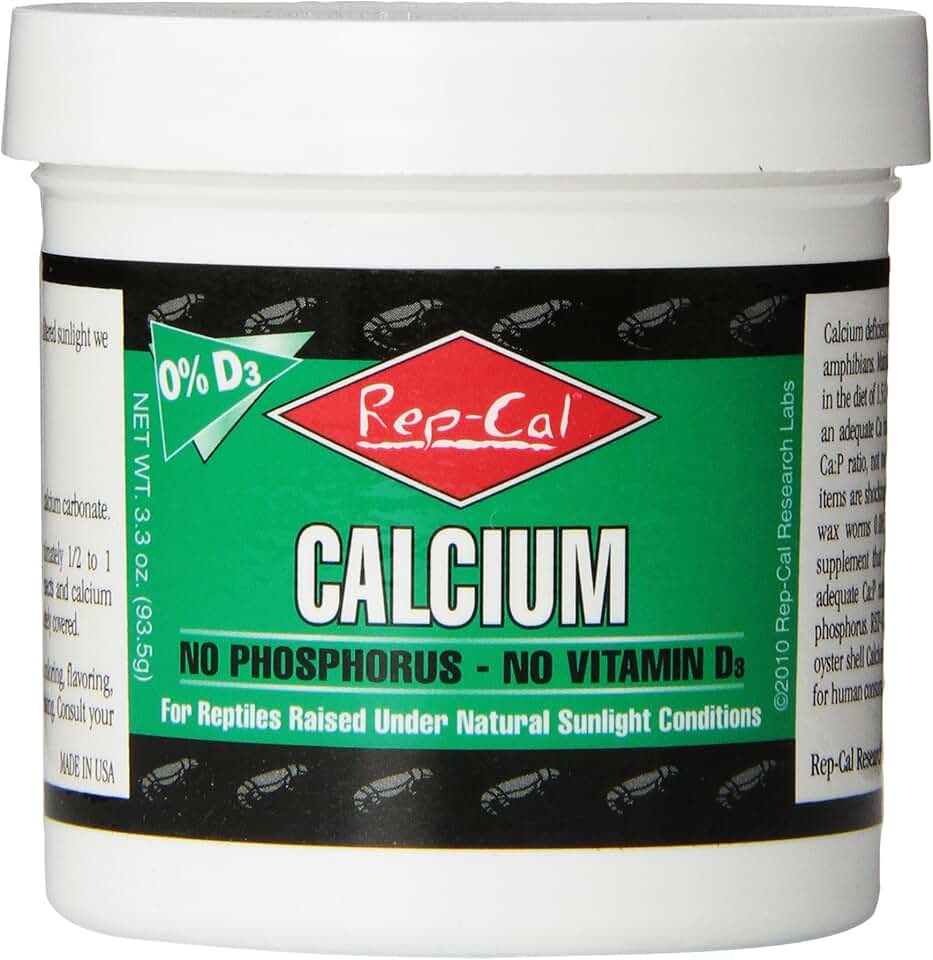
Phosphorous-free calcium supplement · Does not contain Vitamin D3 · Suitable for reptiles and amphibians
Provides necessary calcium for strong bones and prevents deficiencies, especially when used in conjunction with a D3-free supplement or when UVB is sufficient.

Mimics natural forest floor · Holds humidity well · Suitable for various reptile species
While bearded dragons are arid-dwelling, a small, dry substrate like sand or a specialized reptile carpet is preferred. This jungle mix is not ideal for their specific needs.
As an Amazon Associate I earn from qualifying purchases. Prices may vary.


No comments yet. Be the first to share your thoughts!