

Set up the right habitat
The enclosure dictates whether a bearded dragon thrives or merely survives. Start by choosing a tank that allows for proper thermoregulation and movement.
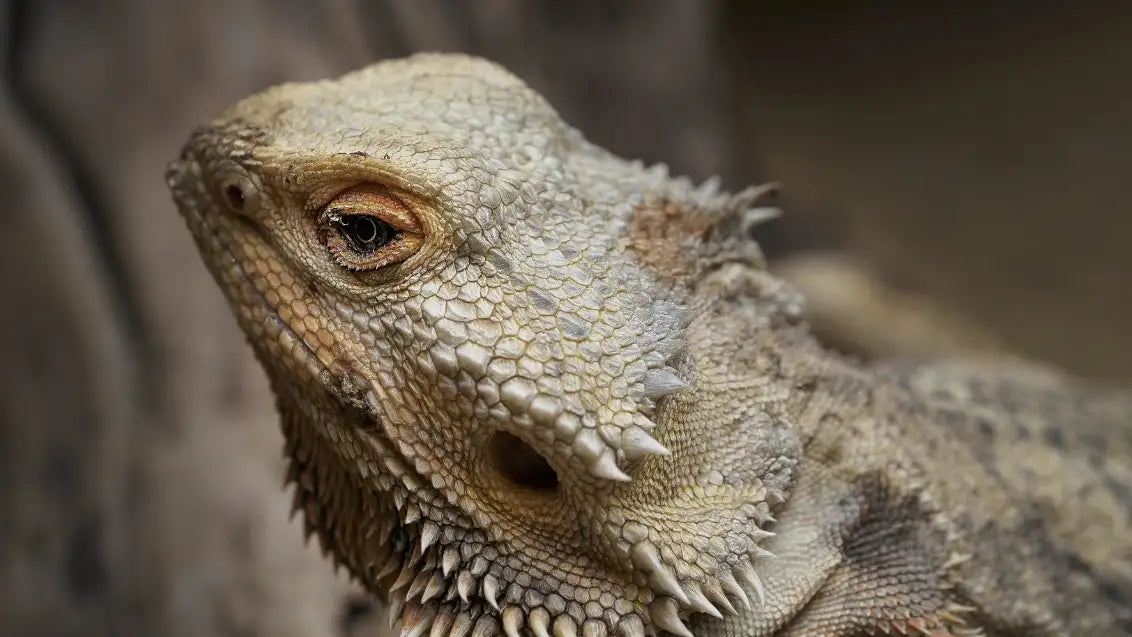
Adult bearded dragons need at least a 4x2x2 foot enclosure. Smaller tanks restrict movement and make it difficult to maintain a proper temperature gradient. Glass tanks retain heat well but can reflect light, causing stress; consider adding opaque backing to reduce this effect.
Create a basking spot between 95°F and 110°F (35°C–43°C) using a ceramic heat emitter or incandescent bulb. The cool side of the tank should remain between 75°F and 85°F (24°C–29°C). Use a digital thermometer with a probe to monitor both zones accurately. Avoid heat rocks, which can cause severe burns.
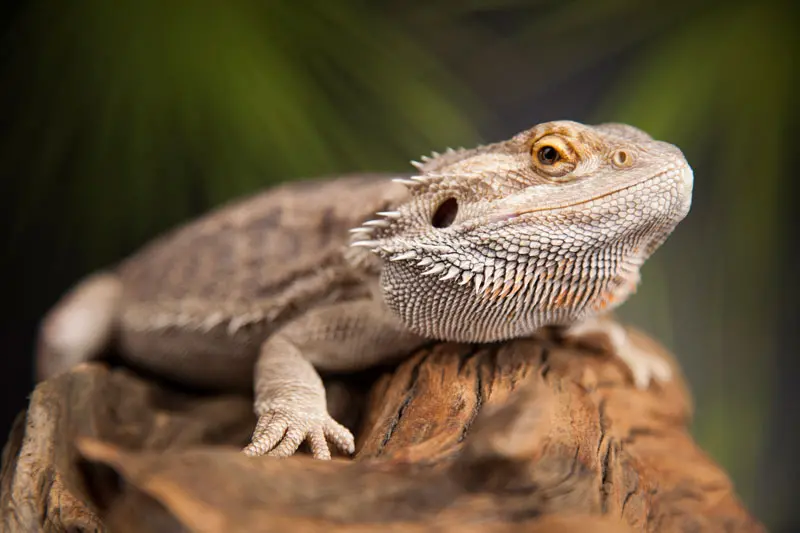
UVB light is non-negotiable for calcium metabolism and preventing metabolic bone disease. Install a linear T5 HO 10.0 or 5.0 UVB bulb that covers at least two-thirds of the enclosure. Position it 10–12 inches below the basking area. Ensure the bulb is not covered by glass or acrylic, as these materials block UVB rays.
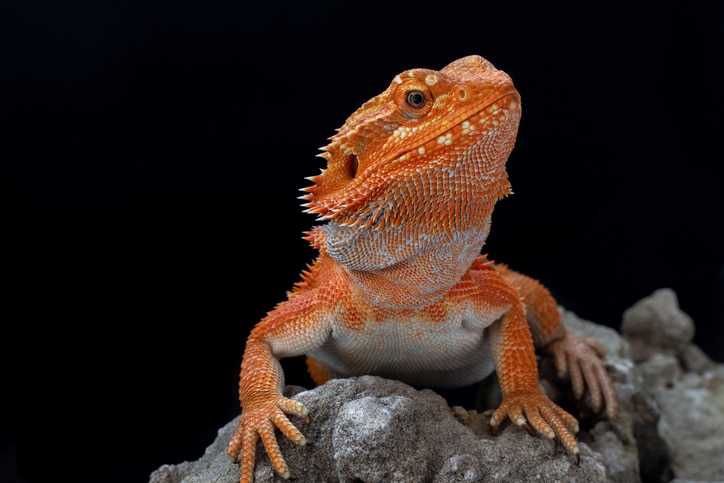
Avoid loose sand or gravel, which can cause impaction if ingested. Use reptile carpet, tile, or paper towels for easy cleaning and safety. These surfaces allow for proper toe grip and reduce the risk of gastrointestinal issues.
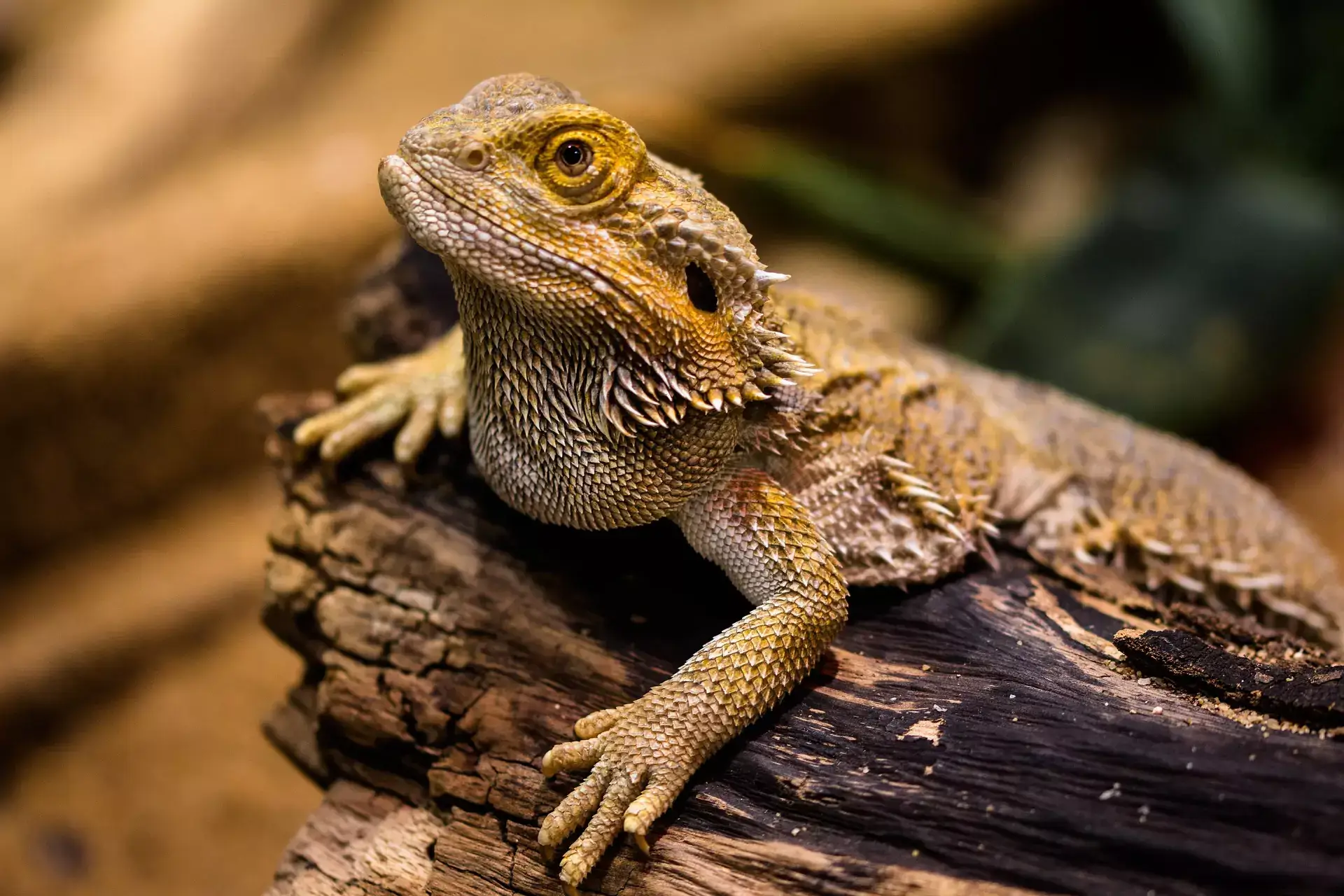
Place sturdy branches, rocks, and plants to encourage climbing and exploration. Include at least two hiding spots—one on the warm side and one on the cool side—to reduce stress. A secure environment promotes natural behaviors and supports long-term health.
Feed a balanced diet
Bearded dragons require different nutritional profiles depending on their age. Young dragons are growing rapidly and need high protein to support muscle and bone development, while adults require more fiber and calcium to prevent obesity and metabolic bone disease. Feeding the wrong ratio of insects to vegetables is the most common cause of preventable health issues in captive bearded dragons.
Hatchlings and Juveniles (0–18 months)
During the first year of life, their digestive systems are smaller, so they need frequent, nutrient-dense meals. Feed them a variety of live insects daily, including crickets, dubia roaches, and black soldier fly larvae. These insects provide the necessary protein and fat. Supplement every meal with a calcium powder containing vitamin D3 to ensure proper skeletal growth. Offer small amounts of dark leafy greens like collard greens or mustard greens alongside the insects to establish early eating habits.
Adults (18 months and older)
Once they reach sexual maturity, dietary needs shift significantly. They become primarily herbivorous, with insects making up only a small portion of their intake. Reduce insect feeding to two or three times per week, offering no more than 10–15 insects per session. The bulk of their diet should consist of chopped vegetables and safe fruits. Focus on calcium-rich greens such as dandelion greens, turnip greens, and squash. Avoid iceberg lettuce, which offers little nutritional value and can cause digestive upset. Continue to dust vegetables with calcium powder twice a week to maintain bone density.
Preventing Obesity and Deficiencies
Obesity often results from overfeeding insects or providing too many high-fat treats like mealworms. Monitor body shape; you should be able to feel ribs lightly without seeing them protrude. If overweight, reduce insect portions and increase low-calorie greens. Conversely, signs of nutritional deficiency include soft jaws, lethargy, or swollen limbs. These symptoms indicate a lack of calcium or vitamin D3, often exacerbated by insufficient UVB lighting. Regular veterinary check-ups can help identify these issues early, ensuring a healthy weight and balanced diet.
Keep the enclosure clean to prevent illness
Sanitation is the first line of defense against respiratory infections and parasitic loads that shorten lifespan. Reptile enclosures trap heat, humidity, and waste, creating a breeding ground for bacteria like Salmonella and parasites if left unchecked. A dirty tank actively compromises the immune system.
Start with daily spot cleaning. Remove any feces, uneaten insects, or fresh vegetable matter immediately. These items decompose quickly and release ammonia, which irritates the delicate respiratory tract. Use a paper towel or a dedicated reptile-safe disinfectant wipe for quick surface cleanups.
Perform a full enclosure wash once a week. Empty the tank completely and scrub all surfaces, including the basking spot, hides, and water dish. Use a 10% bleach solution or a veterinary-approved reptile disinfectant. Rinse everything thoroughly with hot water and let it dry completely before adding fresh substrate and returning the pet. This weekly routine breaks the life cycle of parasites and reduces bacterial load significantly.
Check your filtration system regularly. If you use a small air filter or a UV sterilizer in a large setup, clean or replace the filters according to the manufacturer’s instructions. Clogged filters circulate dust and spores, increasing the risk of respiratory issues.
-
Remove all substrate and decorations
-
Scrub tank with reptile-safe disinfectant
-
Rinse and dry all surfaces completely
-
Replace with fresh, dust-free substrate
-
Clean water dish and sanitize feeding area
Schedule regular vet checkups
Book an annual wellness exam with an exotic veterinarian who specializes in reptiles. This isn't just for when the pet looks sick; it's for catching problems before you see them. Reptiles are masters at hiding illness, a survival instinct from the wild. By the time symptoms like lethargy or weight loss become obvious, the condition is often advanced.
During these visits, the vet will perform a physical exam and likely take a fresh fecal sample. This allows them to check for internal parasites like flagellates or coccidia, which are common and treatable if caught early. They will also assess the body condition score, ensuring the pet is maintaining a healthy weight for its size.
Early detection of metabolic bone disease (MBD) is critical. MBD is a widespread issue in captive bearded dragons caused by improper calcium and vitamin D3 levels. A vet can spot subtle skeletal deformities or softening of the jaw long before the pet suffers a fracture or becomes unable to eat. Regular blood work can also reveal kidney or liver issues that don't show external signs until significant damage has occurred.
Finding the right vet is part of the process. Not all veterinarians are comfortable with reptiles. Look for a provider listed by the Association of Reptilian and Amphibian Veterinarians (ARAV) or a local exotic animal clinic. Establishing this relationship early means you have a trusted expert to call if something seems off between annual visits.
Handle with care and respect
Support the full body when lifting. Place one hand under the chest and the other under the hind legs. Avoid grabbing by the tail, which can detach, or squeezing the ribs, which can cause internal injury. Always approach from the front so the pet sees you coming, reducing startle responses that spike stress hormones.
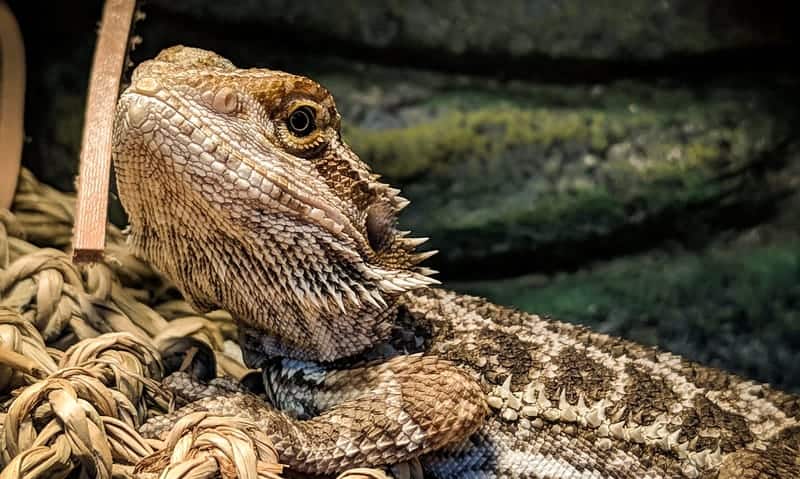
Move slowly and speak in a low voice. Let the pet see your hand before touching. This prevents sudden movements that trigger a flight response.
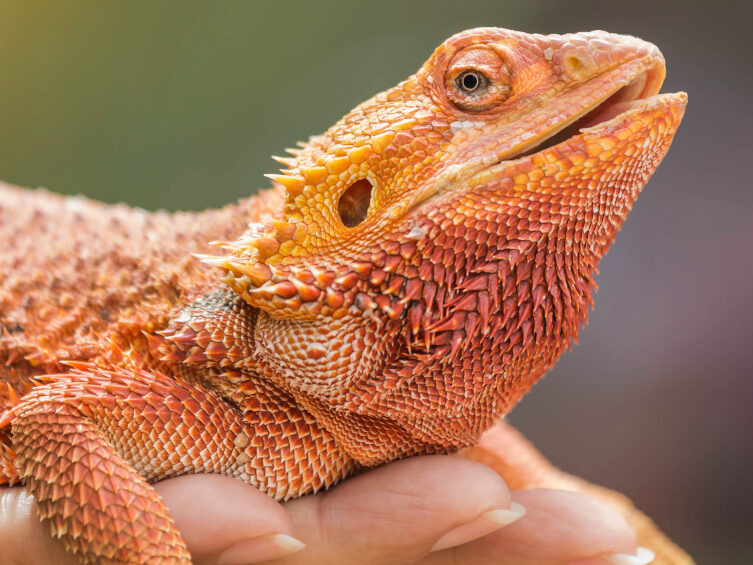
Cradle the pet fully. Keep the body level and supported. Do not hold them high above the ground where a drop could cause serious injury.
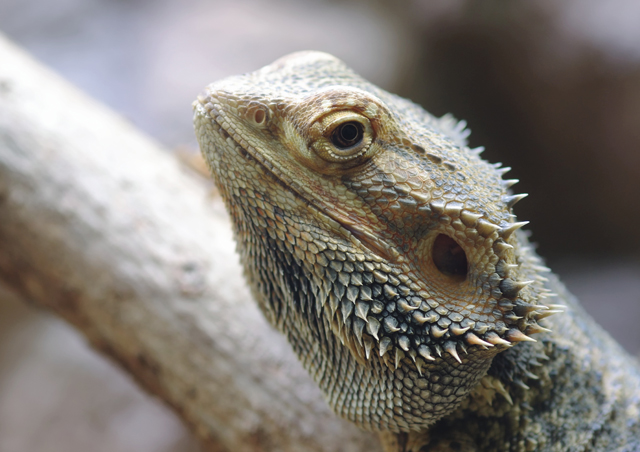
Keep sessions short, ideally 10–15 minutes. Overhandling leads to fatigue and stress. Place the pet back in the enclosure when they show signs of restlessness or darkening beard color.
Watch the video above to see proper hand placement and body support techniques demonstrated by experienced reptile keepers. Visual cues help you avoid common mistakes like supporting only the belly or holding the tail.
If the pet puffs its beard, opens its mouth, or tries to bite, put it down immediately. These are clear signs of distress. Forcing handling during these moments can damage trust and health.
Consistent, gentle handling builds trust and allows you to monitor health closely. Regular interaction helps you spot changes in weight, skin condition, or behavior early. This proactive approach is essential for extending lifespan.
No comments yet. Be the first to share your thoughts!