

Choose your source carefully
Where you buy a bearded dragon determines its health history and your long-term care burden. Reputable breeders, pet stores, and adoption channels each offer distinct advantages and risks. Understanding these differences helps you avoid sick animals and support ethical breeding practices.
| Source | Typical Price | Health Guarantee | Ethical Sourcing |
|---|---|---|---|
| Reputable Breeder | $30–$150+ | 7–30 days, often longer | Wild-caught free; lineage tracked |
| Pet Store (Petco/PetSmart) | $20–$60 | 7–14 days (varies by store) | High turnover; potential stress |
| Rescue/Adoption | $10–$50 | Varies; often none | Saves lives; no new breeding |
Reputable breeders prioritize genetics and socialization. They typically offer longer health guarantees and can provide lineage information. This transparency reduces the risk of hidden genetic defects. Look for breeders who allow video calls or detailed photos before purchase.
Pet stores like Petco and PetSmart offer convenience but often source from large-scale suppliers. High turnover and crowded conditions can stress the animals. While prices are lower, health guarantees are usually shorter. Inspect the animal closely for signs of lethargy or respiratory issues.
Adoption through reptile rescues is an ethical choice that saves lives. Prices are low, but health guarantees may be limited. Rescue animals might have existing health issues requiring immediate vet attention. This option suits experienced owners who can handle potential medical needs.
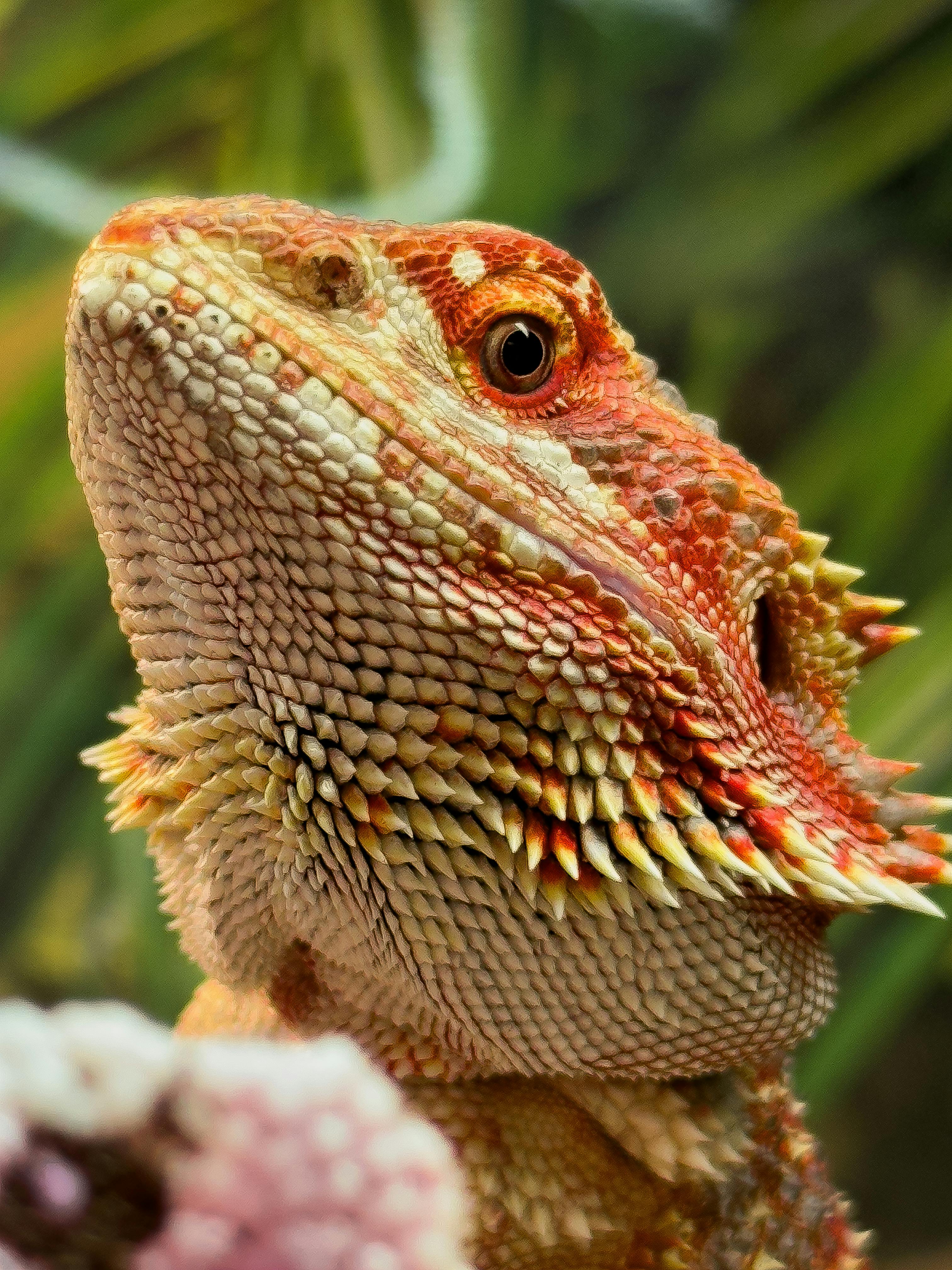
Inspect the bearded dragon before buying
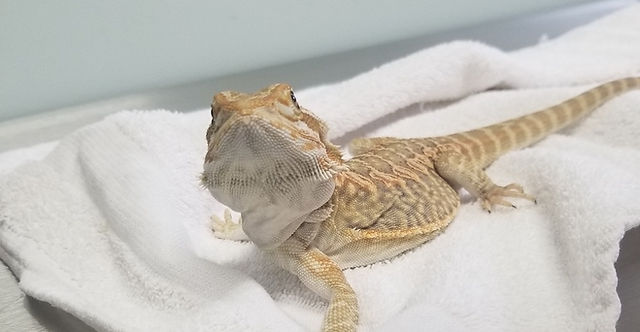
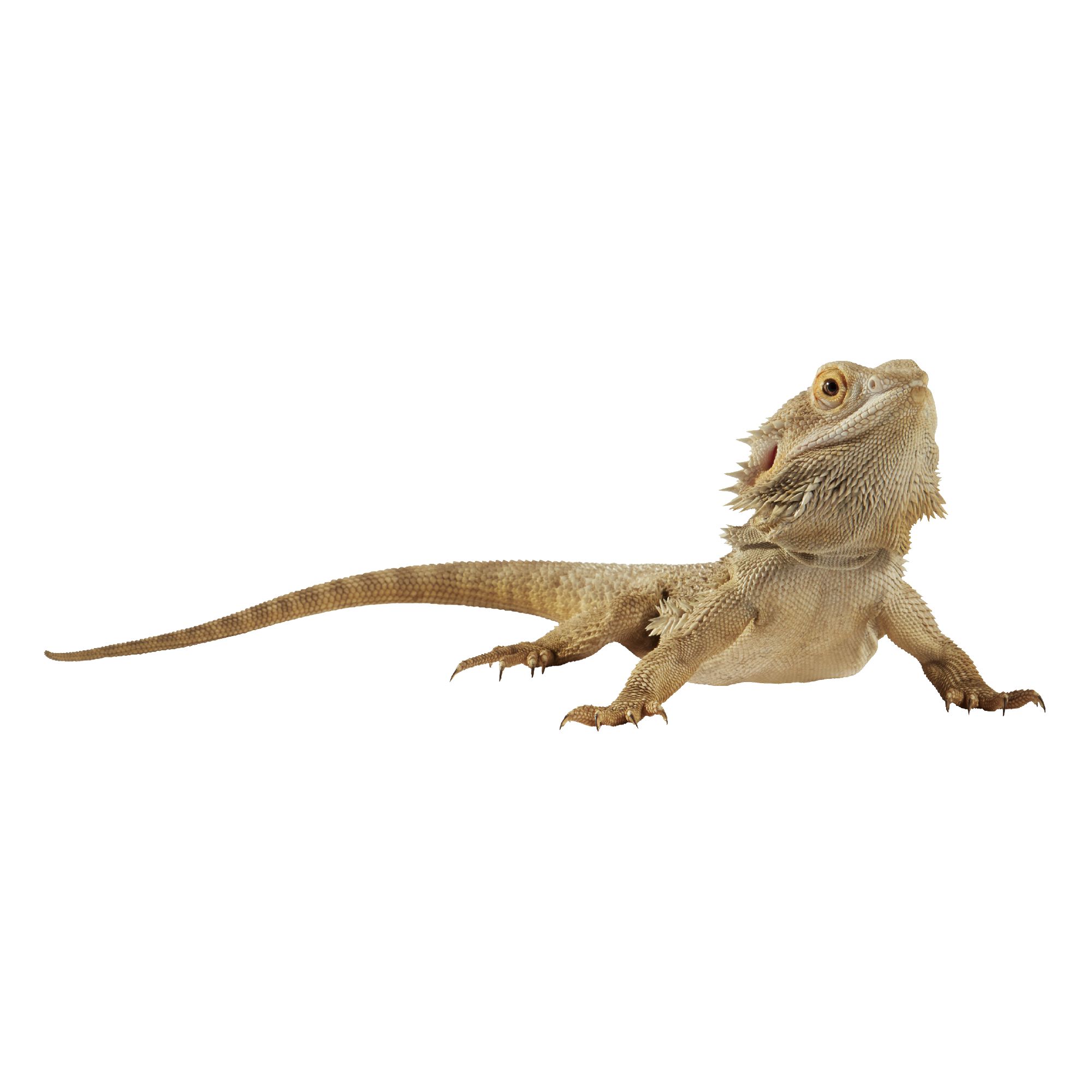
A healthy bearded dragon looks alert and active. When you first see the animal, watch how it moves. It should lift its head, track movement, and respond to your presence. Lethargy or hiding in the corner of the enclosure is often a sign of illness or stress.
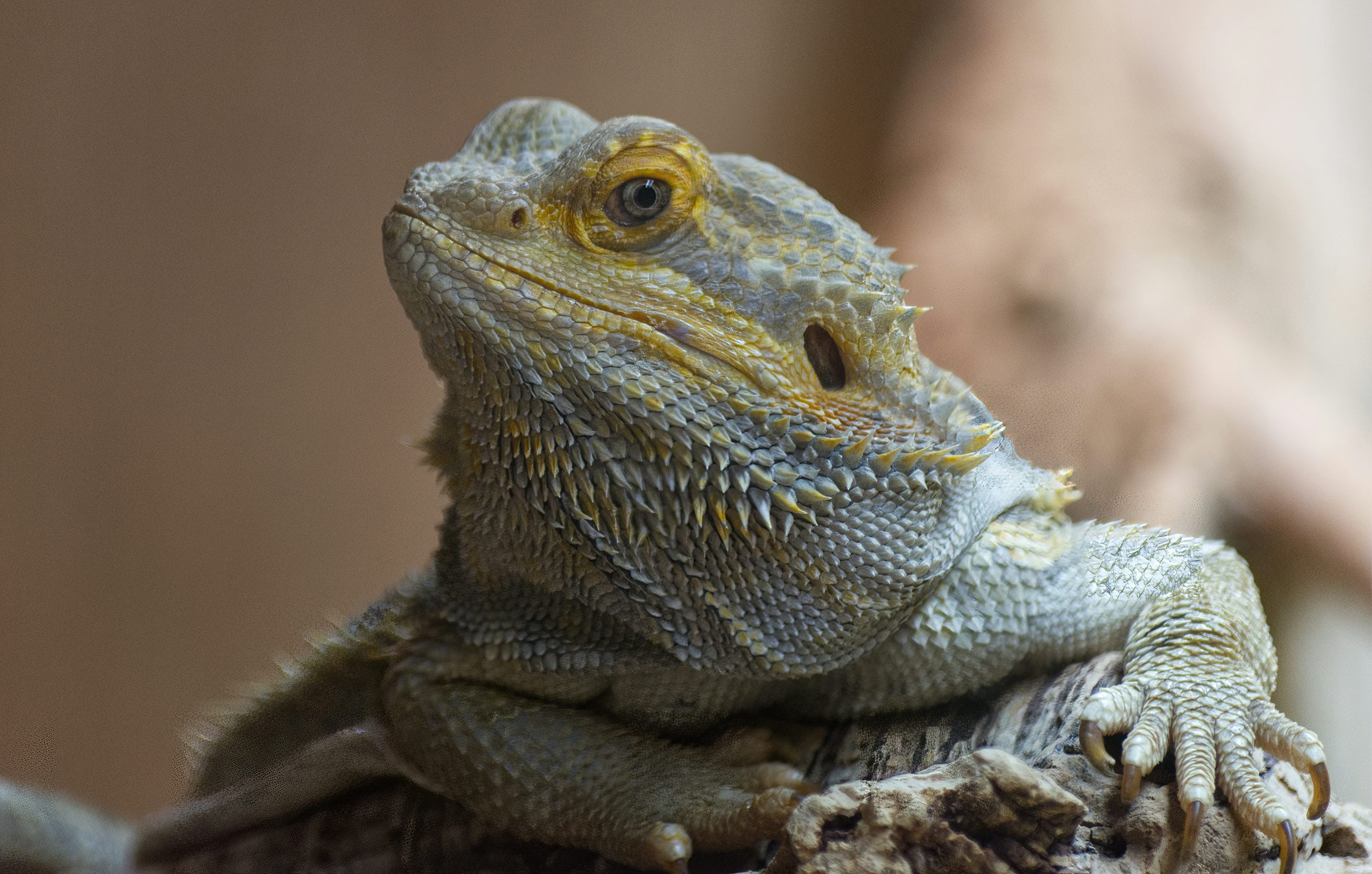
Look for clear, bright eyes that are fully open. Swollen, puffy, or crusty eyelids indicate respiratory infections. The nostrils should be clean and free of mucus or bubbles. If the dragon breathes with its mouth open or makes clicking sounds, walk away.
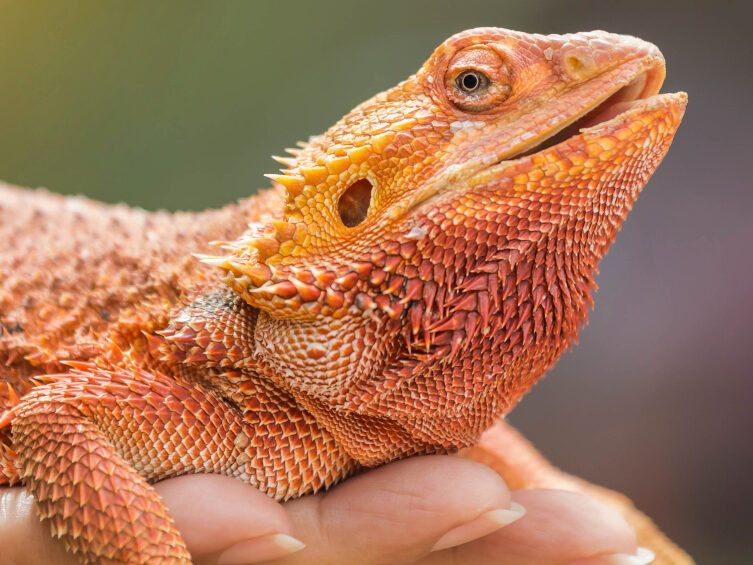
Gently open the mouth if the dragon allows it. The gums should be pink, not pale or blue. Look for white, puffy patches on the tongue or inside the cheeks, which signal stomatitis (mouth rot). Healthy teeth are small, sharp, and evenly spaced.
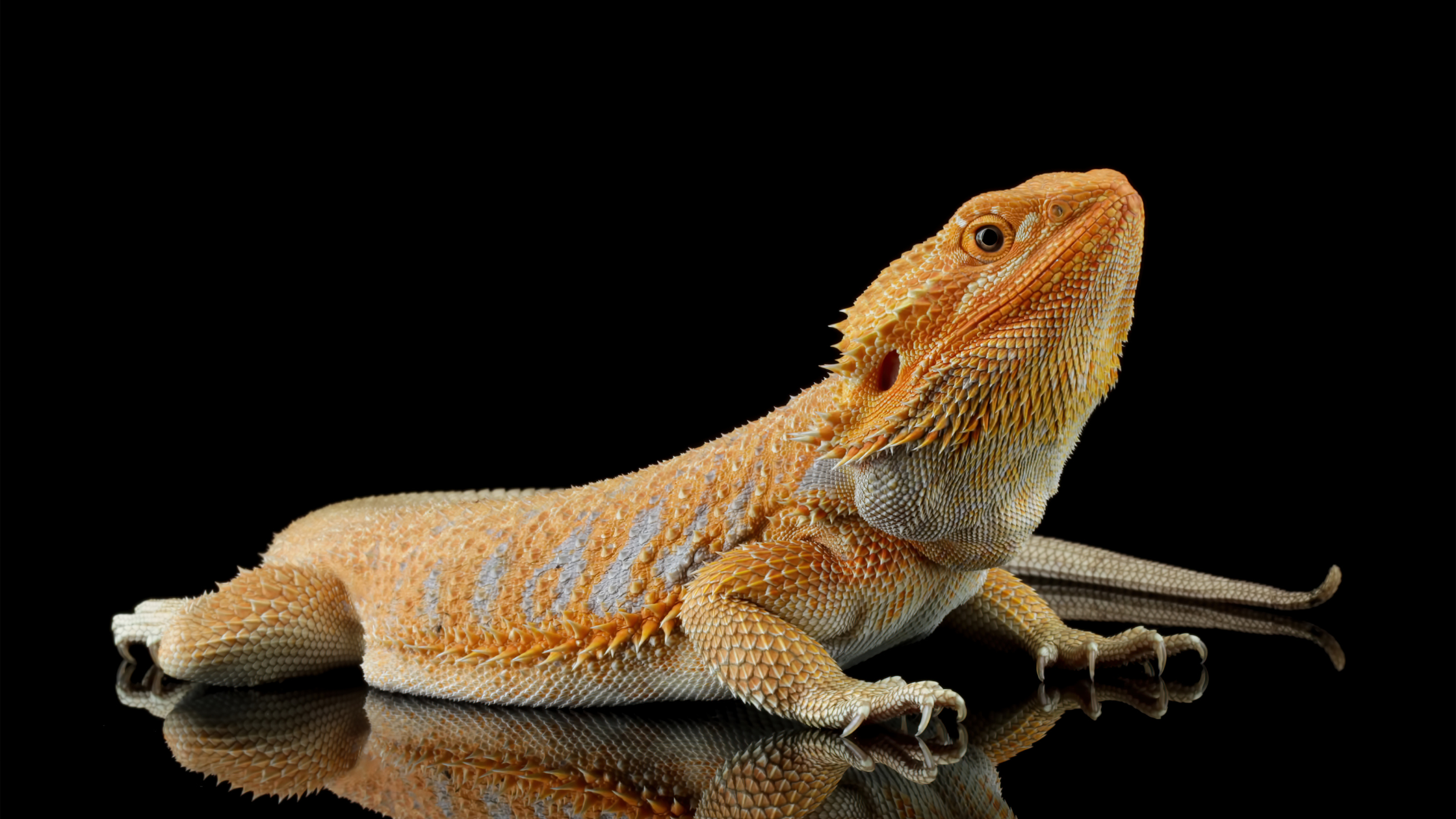
Run your fingers lightly over the body. The skin should be firm and tight against the body, not loose or wrinkled. Check for stuck shed skin, especially around the toes and tail tip, which can cut off circulation. Avoid dragons with visible wounds, abscesses, or mites (tiny moving dots).
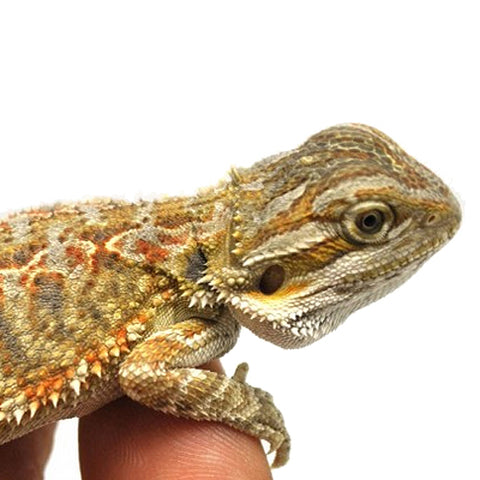
Look at the vent area for swelling, redness, or fecal matter stuck to the skin. The tail should be thick at the base and taper smoothly to the tip. A thin, shriveled tail indicates chronic malnutrition or parasites. Ensure the tail is intact and not regenerating, as this shows past injury or stress.
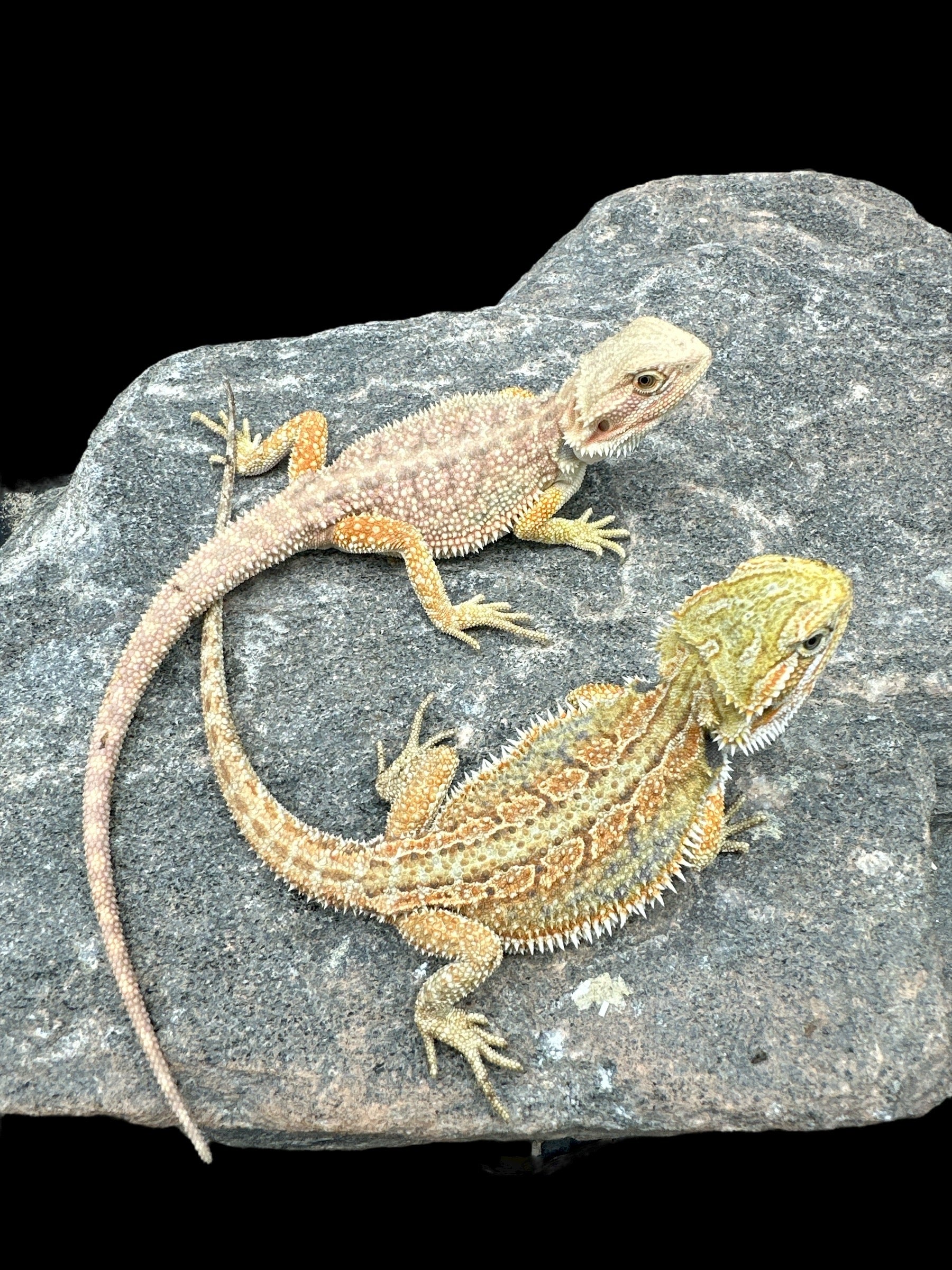
Lift the dragon gently. It should feel heavy and solid, not light and bony. The legs should be strong enough to support its weight. Check for swollen joints or difficulty walking. A healthy bearded dragon will grip your hands or the enclosure glass firmly.
When you handle the dragon, it should feel dense and muscular. If it feels unusually light, it may be underweight or dehydrated. Ask the seller to show you the dragon eating or drinking if possible. A dragon that refuses food during the inspection is a red flag.
Take your time with this inspection. Rushing through the check can miss subtle signs of illness. If anything seems off, do not buy the dragon. There are many healthy bearded dragons available, and it is better to wait for a healthy one than to risk bringing a sick pet home.
Calculate total setup costs
The purchase price is only the first expense. Most new owners underestimate the total cost to buy a bearded dragon and its necessary habitat. A healthy juvenile might cost $50 to $100, but the enclosure, lighting, and heating equipment will likely exceed that amount.
Think of the initial investment as two parts: the animal and the infrastructure. The infrastructure is non-negotiable. Without proper UVB lighting and a thermal gradient, the dragon cannot process calcium or regulate its body temperature, leading to metabolic bone disease. This is the most common and costly mistake in reptile ownership.
Budget at least $300 to $500 for a complete, high-quality starter setup. This includes a 4x2 foot enclosure, a ceramic heat emitter, a basking bulb, a full-spectrum UVB tube, a thermometer/hygrometer, and substrate. Do not skimp on the lighting; it is the most critical component for long-term health.


As an Amazon Associate, we may earn from qualifying purchases.
Avoid common buying mistakes
Most first-time owners make the same three errors: buying on impulse, accepting a too-small enclosure, and ordering from unverified online sellers. Each mistake creates immediate health risks or long-term financial drain. Treat the purchase as a commitment, not a spontaneous gift.
Impulse buys lead to neglect. Bearded dragons require specific UVB lighting, precise temperature gradients, and live insect diets. If you haven’t researched these needs before bringing the dragon home, you will likely under-prepare. This leads to metabolic bone disease and stress. Wait until your enclosure is fully cycled and equipped before acquiring the animal.
Small enclosures stunt growth. A common mistake is starting with a 20-gallon tank for an adult. Bearded dragons are terrestrial and need floor space to thermoregulate. An adult needs at least a 4x2x2 footprint. Starting small means you will have to buy a new enclosure within months, wasting money and stressing the dragon during relocation.
Unverified online sellers are risky. While online marketplaces like MorphMarket offer variety, they vary in reliability. Always check seller reviews and ensure they provide a live arrival guarantee. Avoid sellers who cannot answer specific questions about the dragon’s lineage, diet history, or health checks. If a seller seems evasive, walk away.
By avoiding these pitfalls, you ensure a healthier start for your bearded dragon and a more rewarding ownership experience. Take your time to research, prepare, and choose a reputable source.
Prepare your enclosure before arrival
Setting up the habitat correctly before bringing your bearded dragon home is the single most important step in responsible ownership. A mismatched environment causes chronic stress, which suppresses the immune system and leads to illness. You must build a complete, functioning ecosystem before the animal steps into it.
Start with a 4x2x2 foot enclosure for an adult. Smaller tanks like 2x1x1 units are only suitable for juveniles and will require an immediate, expensive upgrade. A larger space allows for proper thermal gradients and reduces territorial stress. Use a glass terrarium with screen tops or a custom wooden enclosure with screened sides for optimal airflow.
Heat lamps are not enough on their own; they fail if the bulb burns out. Always use a dimming thermostat to control your primary heat source, such as a ceramic heat emitter or a low-wattage incandescent bulb. This device cuts power if the temperature exceeds your set point, preventing fatal burns. Place the heat source on one end of the tank to create a basking zone of 95–110°F and a cool zone of 75–80°F.
UVB is non-negotiable for bearded dragons. Without it, they cannot synthesize vitamin D3, leading to metabolic bone disease (MBD), a painful and often fatal condition. Use a linear T5 HO 10.0 or 10.0 UVB tube fixture. Fluorescent bulbs lose their UVB output significantly after six months, so mark your calendar to replace them annually. Mount the fixture inside the glass canopy or directly above the screen, within the manufacturer’s recommended distance.
The floor of the enclosure must be easy to sanitize and safe if ingested. Avoid loose sand, gravel, or crushed walnut shells, as these cause fatal impactions when swallowed. Use reptile carpet, slate tile, or paper towels for the easiest cleaning routine. If you prefer a more natural look, use a shallow layer of tile or large, smooth stones that cannot be swallowed.
Bearded dragons are arboreal and need vertical space to thermoregulate and feel secure. Install sturdy branches, rocks, or cork bark tubes for climbing. Place at least two hiding spots—one under the basking lamp and one in the cool zone. A secure hide reduces stress, which is critical for a new pet adjusting to its environment.
Before you purchase your bearded dragon, run a quick checklist to ensure every element is operational. Verify that your thermostat is holding the correct temperature and that your UVB light is turned on and emitting the correct spectrum. A fully prepared enclosure prevents the most common mistakes new owners make.
-
Enclosure is at least 4x2x2 feet for adults.
-
Thermostat is plugged in and calibrated.
-
UVB bulb is installed and scheduled for annual replacement.
-
Substrate is non-loose and easy to clean.
-
Hides and climbing structures are stable and secure.
Frequently asked questions about buying a bearded dragon
Buying a bearded dragon involves more than just picking a lizard. You need to verify the animal's health, understand the total cost of ownership, and choose a source that prioritizes the animal's well-being over quick sales.
No comments yet. Be the first to share your thoughts!