

Set up the right enclosure
A proper bearded dragon enclosure prevents metabolic bone disease and chronic stress. The setup requires specific dimensions, safe substrate, and precise heating zones. Follow this sequence to build a habitat that supports healthy growth.
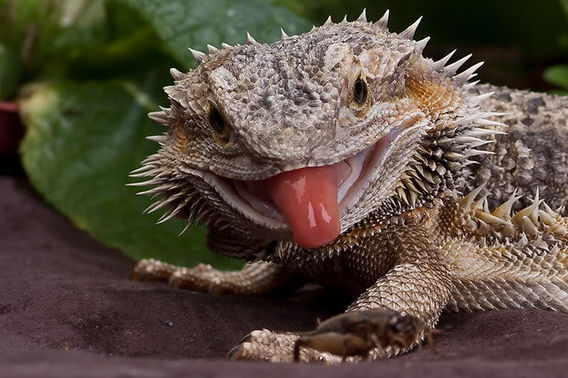
Start with a 20-gallon long tank for hatchlings and juveniles. This provides approximately 30 inches of length for early movement. As the dragon matures, upgrade to a 4x2x2 foot enclosure. Adequate floor space allows the dragon to thermoregulate by moving between heat and cool zones, reducing stress and promoting natural behavior.
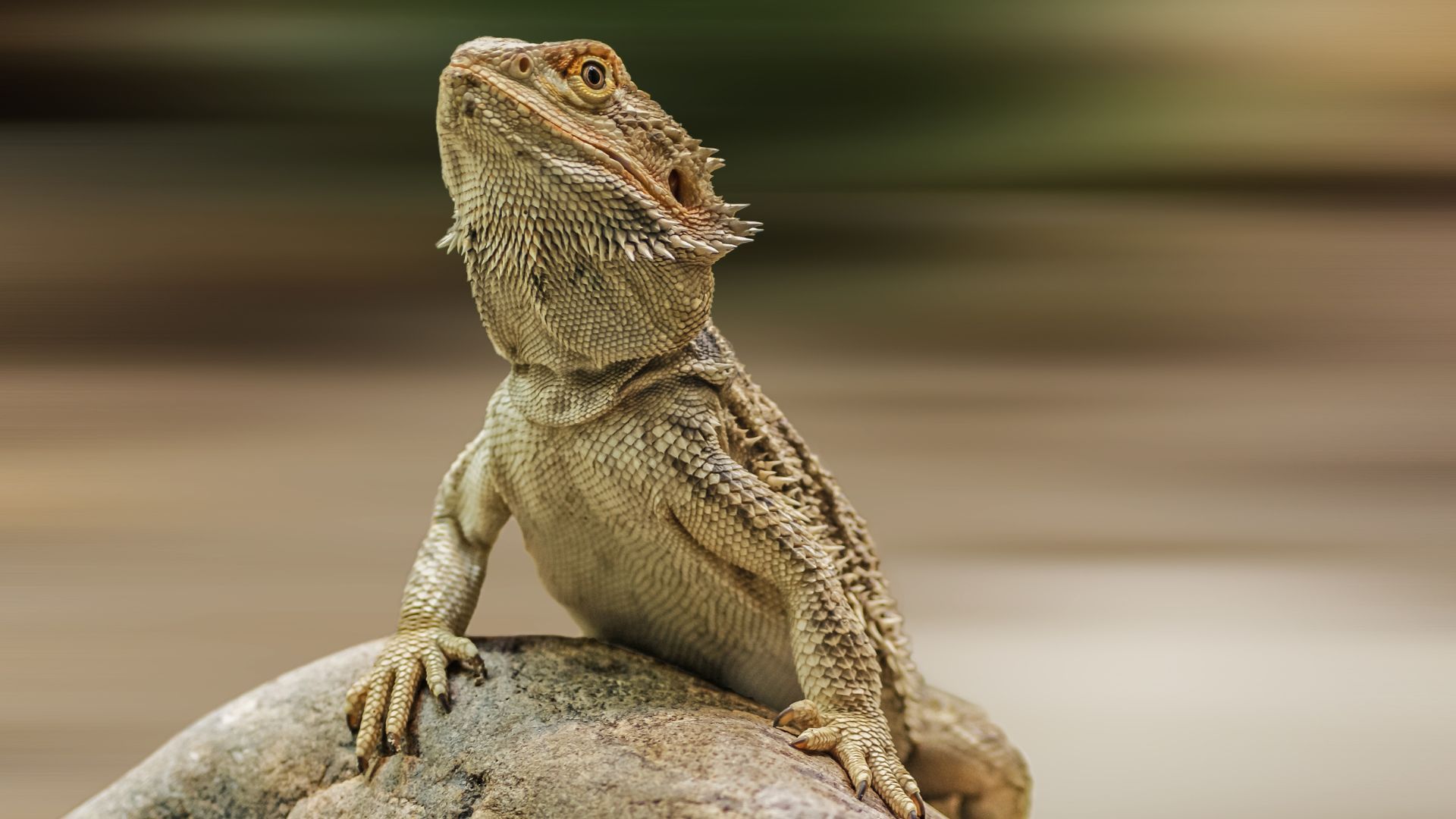
Avoid loose sand or gravel, which can cause impaction if ingested. Use reptile carpet tiles or slate tile for easy cleaning and safe footing. These materials prevent leg injuries and eliminate the risk of intestinal blockage, a common and serious health issue in captive bearded dragons.
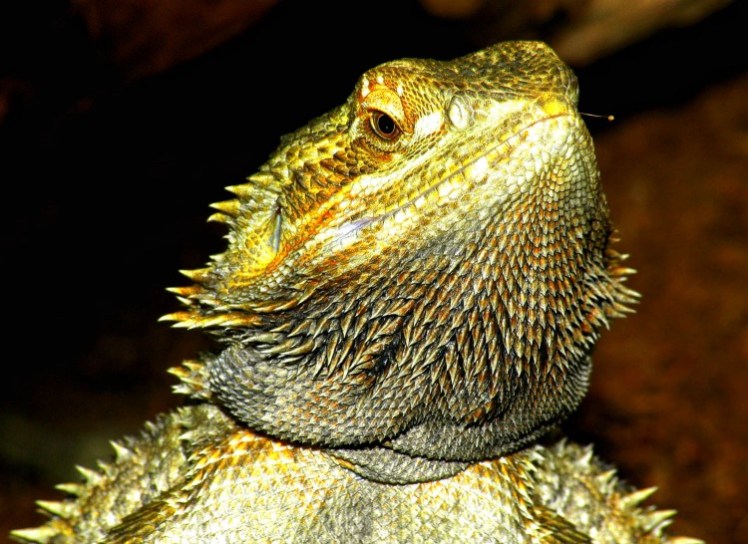
Position a basking bulb over one end of the tank to create a hotspot of 95–110°F. The cool side should remain around 75–85°F. Install a full-spectrum UVB tube light spanning two-thirds of the enclosure length. UVB exposure is essential for calcium metabolism; without it, bearded dragons develop metabolic bone disease, leading to deformities and weakness.
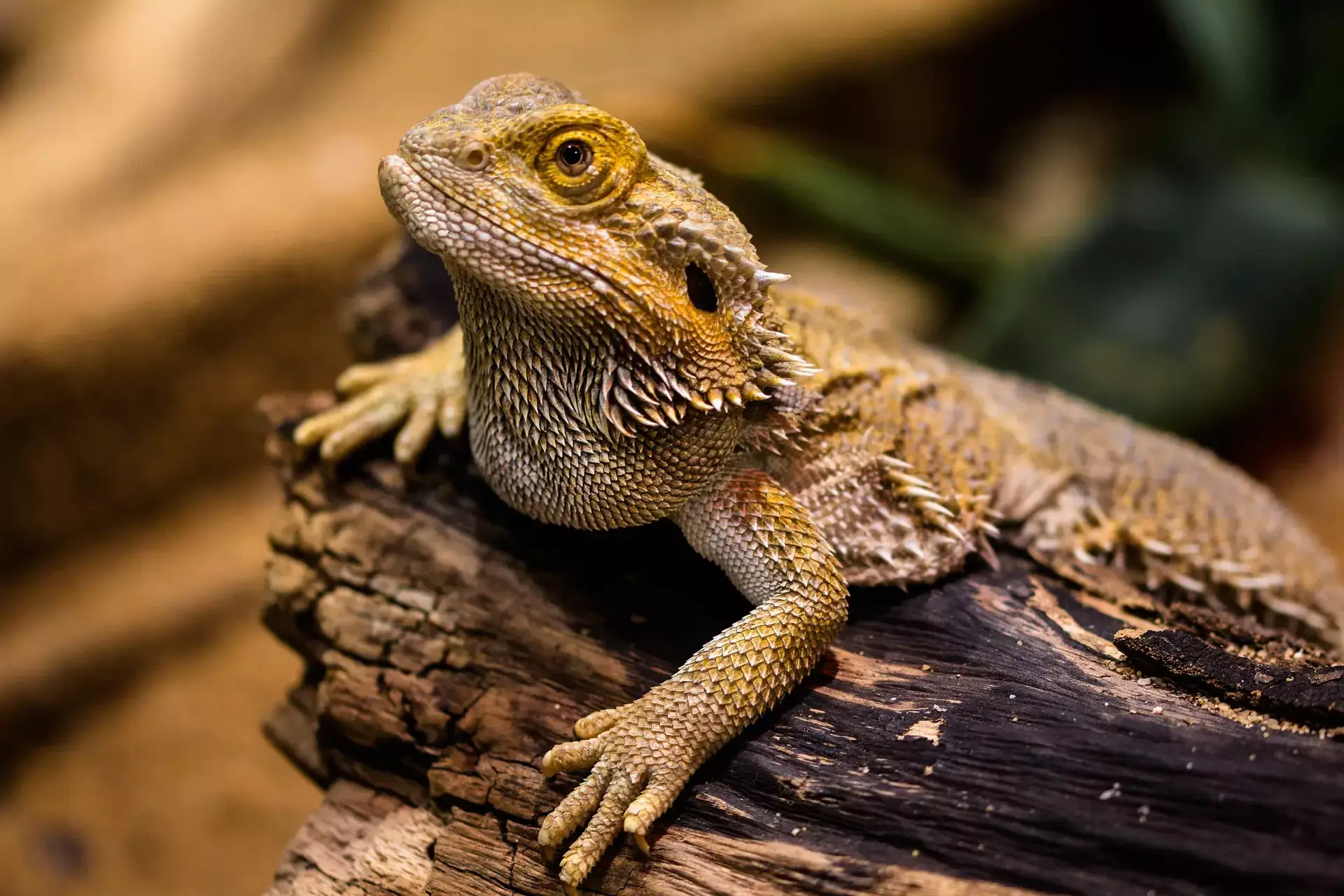
Place a hide box on the cool end of the enclosure. This provides a secure retreat where the dragon can feel safe from perceived threats. A proper hide reduces stress hormones and encourages natural basking and feeding behaviors. Ensure the hide is large enough for the dragon to fit comfortably but small enough to feel enclosed.
A well-structured enclosure mimics the arid environments of Australia, supporting both physical health and mental well-being. Regularly monitor temperatures with digital thermometers to ensure the gradient remains stable.
Install UVB and heat sources
Proper lighting is the foundation of bearded dragon health. Without it, your dragon cannot process calcium, leading to metabolic bone disease. You need two distinct elements: a UVB bulb for biological function and a heat source for digestion and thermoregulation.
-
Mount the UVB tube light. Use a 10.0 linear fluorescent tube (T5 HO) positioned 10-12 inches below the basking surface. Place it at one end of the enclosure to create a gradient. Replace the bulb every six months, as output degrades even if the light still turns on.
-
Install the basking lamp. Position a ceramic heat emitter or a halogen floodlight directly under the UVB fixture at the warm end. This creates a basking spot of 95-105°F (35-40°C). Ensure the fixture has a ceramic socket that won't melt from the heat.
-
Add a night heat source. Bearded dragons do not need UVB at night. Use a red ceramic heat emitter or an infrared bulb for overnight warmth. These provide heat without light, allowing your dragon to sleep undisturbed.
-
Set up a lighting timer. Use an automatic timer to maintain a consistent 12-hour light cycle. This mimics natural daylight and regulates your dragon’s circadian rhythm. Consistency reduces stress and supports healthy eating habits.
-
Verify temperatures with thermometers. Place one digital thermometer at the basking spot and another at the cool end. The cool side should stay between 75-85°F (24-29°C). Adjust bulb height or wattage until you hit these ranges.
Choose a T5 HO 10.0 linear fluorescent tube. Avoid compact "bug light" bulbs; they are too weak and have a narrow beam. Mount the fixture so the tube runs the length of the enclosure, not just one corner.
Install your basking lamp directly above the UVB tube. This concentrates heat on the basking spot. Use a dimmer switch if possible to fine-tune the temperature without changing the distance.
Your dragon should be able to move from the hot end to the cool end freely. If the entire enclosure is too hot, they cannot regulate their body temperature, which leads to stress and health issues.
Feed greens and insects daily
Bearded dragon diets shift dramatically as they age. Juveniles require an insect-heavy diet to support rapid growth, but adults transition to primarily herbivorous eating patterns. This change prevents obesity and metabolic bone disease, which are common in improperly fed adults.
Adjust the ratio by age
Young bearded dragons (under 6 months) need about 80% insects and 20% vegetables. As they approach adulthood, invert this ratio. Adult bearded dragons should consume mostly dark leafy greens, with insects serving as a supplement rather than the main course. Rhinebeck Animal Hospital notes that romaine lettuce, collard greens, and kale form the foundation of an adult’s diet.
Prepare the greens
Fresh vegetables must be washed thoroughly to remove pesticides. Offer a variety of dark leafy greens daily to ensure nutritional balance. Avoid iceberg lettuce, which offers little nutritional value. Lightly misting greens before serving can also help maintain hydration, especially if your enclosure includes a humid hide.
Gut-load and dust insects
Insects are not just food; they are delivery vehicles for nutrients. "Gut-loading" means feeding insects high-quality food 24–48 hours before offering them to your dragon. This ensures the insect’s gut contents are nutritious. Additionally, dust insects with calcium powder (without vitamin D3 if using full-spectrum UVB lighting) and a multivitamin supplement to prevent deficiencies.
Daily feeding checklist
- Provide fresh, clean water daily; mist greens lightly for hydration.
- Offer a mix of dark leafy greens appropriate for the dragon’s age.
- Dust insects with calcium and multivitamin supplements before feeding.
- Remove uneated fresh food and live insects to prevent bacterial growth or injury.
Spot clean and maintain humidity
Start your daily routine with a quick spot clean. Remove any soiled substrate, uneaten food, or feces immediately. This simple step prevents bacterial growth and keeps the enclosure smelling fresh. PetMD recommends checking the habitat every day to catch messes before they become a health hazard.
While bearded dragons are desert animals, they still need a humidity range of 30-40%. Too much moisture invites respiratory infections and shed issues. Use a hygrometer to monitor levels. If humidity spikes, increase ventilation or reduce misting. Keep the basking area dry to ensure the dragon can thermoregulate properly.
Daily hygiene checklist
- Remove feces and soiled substrate.
- Discard uneaten live prey or fresh veggies.
- Wipe down water bowls with hot water.
- Check humidity levels with a hygrometer.
- Wipe condensation from glass or acrylic walls.
Staying on top of these small tasks makes a big difference in your dragon's long-term health.
Watch for signs of good health
A healthy bearded dragon displays specific physical and behavioral markers that indicate proper husbandry. Regular observation allows you to catch potential issues before they become serious. Use the image below as a reference for a well-conditioned adult.
Physical Indicators
Check these areas during daily interactions:
- Eyes: Clear, bright, and fully open. There should be no swelling, discharge, or cloudiness.
- Skin: Smooth and firm. Look for regular shedding; incomplete sheds (retained sheds) around toes or the tail can signal low humidity.
- Body Condition: The body should feel solid but not overly fat. The spine and ribs should not be visibly protruding, nor should there be excessive fat deposits at the base of the tail.
- Mouth: Pink and moist. Avoid any white patches (thrush) or bubbling at the corners of the mouth, which can indicate respiratory infection.
Behavioral Baselines
Behavior varies by individual, but healthy dragons share common traits:
- Alertness: They respond to movement and sound. A lethargic dragon that remains unresponsive for hours may be ill.
- Appetite: Consistent eating is a strong sign of health. Sudden refusal of food or water warrants monitoring.
- Activity: Healthy dragons explore their enclosure, climb, and bask. Excessive hiding or inability to right themselves when flipped can indicate neurological or muscular issues.
When to Call the Vet
Seek veterinary care if you notice:
- Labored breathing or open-mouth breathing at rest.
- Persistent diarrhea or blood in the stool.
- Swollen limbs or joints.
- Significant weight loss over a short period.
For general care standards, refer to the Bearded Dragon Care & Community guide.
Common care: what to check next
New owners often have specific concerns about how long their pet will live, how to handle them, and what is safe to feed. Here are the answers to the most frequent questions.
No comments yet. Be the first to share your thoughts!