
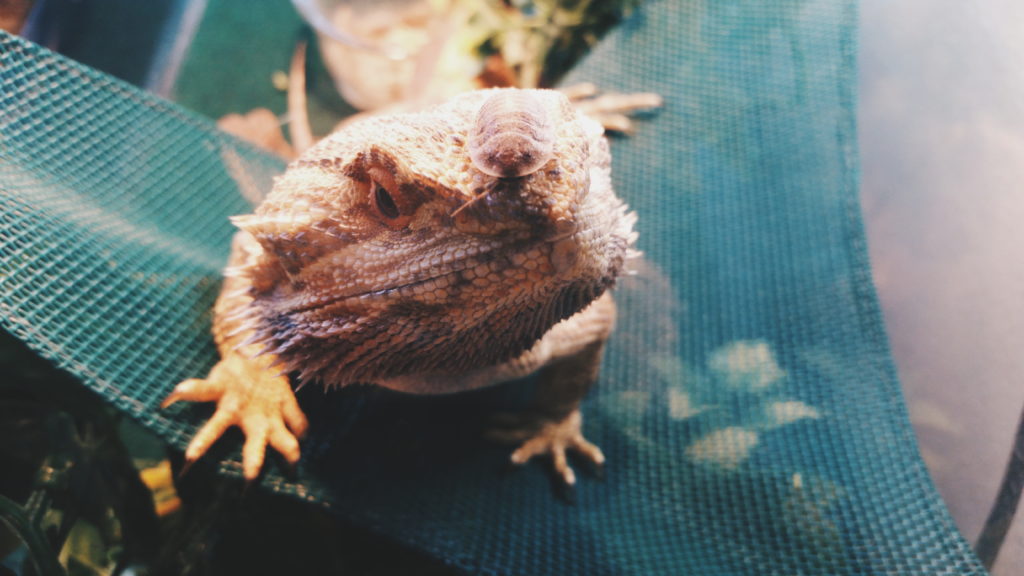

How age changes the bearded dragon diet
Bearded dragon nutrition is not static; it shifts dramatically from protein-heavy juveniles to plant-heavy adults. This transition is the primary defense against metabolic bone disease and obesity. A diet that sustains a hatchling will cause kidney failure and fatty liver disease in an adult.
Juveniles (0-6 Months)
During the first six months, your dragon is in a rapid growth phase. The diet must be heavily skewed toward live insects to provide the protein and calcium required for bone development. At this stage, live food should make up approximately 65% to 75% of the daily intake, with the remainder being finely chopped leafy greens like collard greens and mustard greens.
Feed juveniles twice daily. Suitable protein sources include small crickets, pinhead mealworms, and dubia roaches. Because their digestive systems are small, insects should be no larger than the space between the dragon's eyes. A high-quality gut-loaded insect is essential, as the nutritional value of the prey is transferred to the dragon.
Sub-Adults (6-12 Months)
At six months, growth begins to slow, and the digestive system can handle more fibrous plant matter. The ratio shifts to roughly 50% insects and 50% vegetables. This transition period is critical; feeding too many insects can lead to early obesity, while too few can stunt skeletal growth.
Introduce a wider variety of greens, including dandelion greens and squash. Insects should still be offered daily but in slightly smaller quantities. This is also the time to begin introducing small amounts of fruit as occasional treats, such as sliced strawberries or mango, though these should never exceed 10% of the total diet.
Adults (12+ Months)
Once fully mature, bearded dragons become primarily herbivorous. The standard veterinary recommendation is 80% vegetables and fruits and only 20% insects. This plant-heavy diet prevents obesity and supports long-term organ health. Feed adults once daily, preferably in the morning to allow for full digestion during the day.
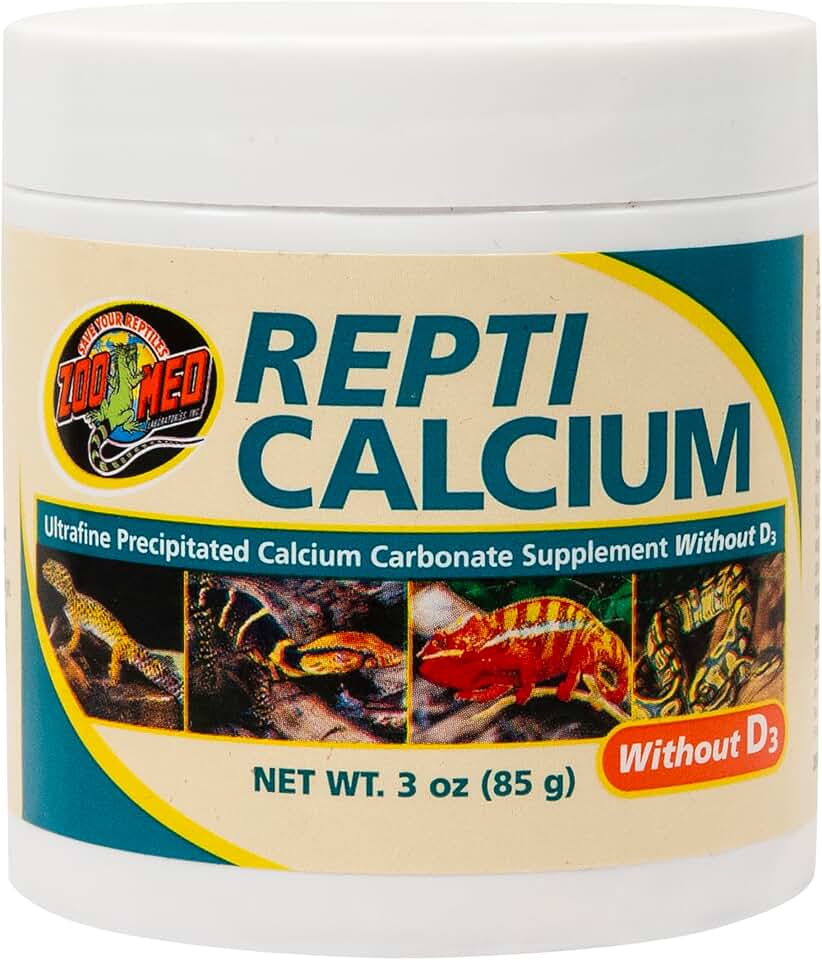
Focus on nutrient-dense greens like kale, turnip greens, and endive. Insects such as crickets and silkworms are still necessary for calcium and variety but should be limited to 2-3 times per week. A balanced reptile supplement, such as the product below, can help ensure adequate micronutrient intake when used as directed.

As an Amazon Associate, we may earn from qualifying purchases.
Best insects for your bearded dragon
Feeder insects provide the essential protein and calcium required for healthy bone development and shedding. While adult bearded dragons shift toward an 80% plant-based diet, insects remain a critical component of their omnivorous needs. The goal is to select insects with favorable calcium-to-phosphorus ratios, ensuring that calcium absorption isn't blocked by excess phosphorus.
Crickets
Crickets are the staple feeder insect for most bearded dragons due to their high protein content and ease of digestion. They are active, which encourages natural hunting behavior, but they require regular dusting with calcium supplements to balance their natural mineral ratios. Crickets should make up the majority of the insect portion of the diet for juveniles and sub-adults.
Dubia Roaches
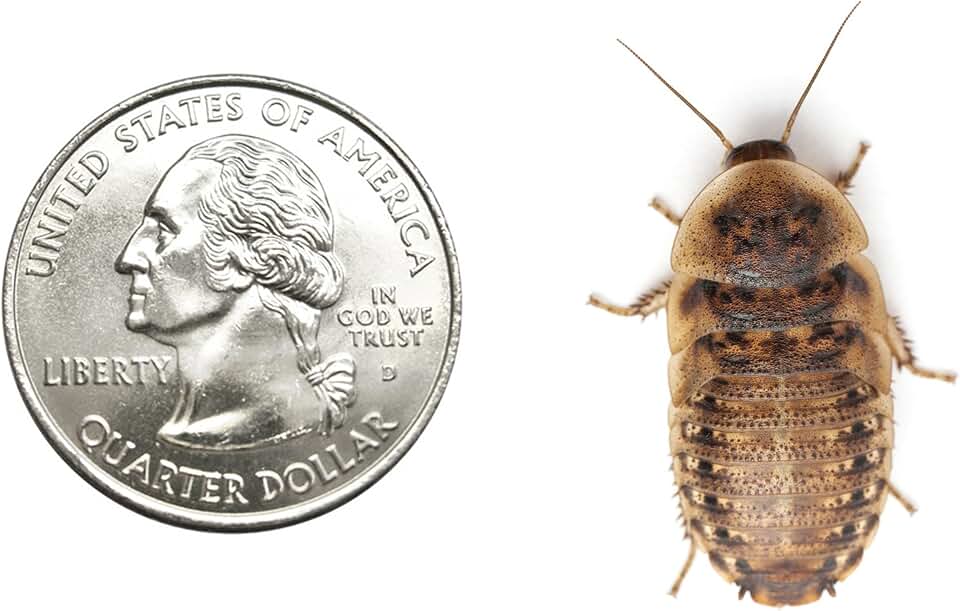
Dubia roaches are often considered superior to crickets because they have a higher calcium-to-phosphorus ratio and a softer exoskeleton, making them easier to digest. They do not climb smooth vertical surfaces, which reduces the risk of escaping the enclosure. Their lower chitin content also means less waste for the dragon to process, promoting better gut health.
Mealworms
Mealworms should be treated as occasional treats rather than a dietary staple. They are high in fat and have a tough exoskeleton that can be difficult for younger dragons to digest. While bearded dragons enjoy the taste, frequent feeding can lead to obesity and impaction. Limit mealworms to a small portion of the weekly insect intake.


As an Amazon Associate, we may earn from qualifying purchases.
Greens and vegetables to offer daily
An adult bearded dragon’s plate should be dominated by dark leafy greens and fibrous vegetables. Veterinary guidelines from North Carolina State University suggest a daily composition of 50% dark leafy greens, 20% chopped vegetables, 25% animal matter, and a maximum of 5% fruit [src-serp-2]. This structure ensures they receive adequate calcium and fiber while avoiding the digestive issues that come from excess sugar or oxalates.
Start by rotating high-calcium greens like collard greens, mustard greens, and dandelion greens. These form the base of the salad. Add variety with grated or chopped vegetables such as bell peppers, carrots, and sweet potatoes [src-serp-8]. Parsley and kale are also excellent additions, though kale should be offered in moderation due to its moderate oxalate content compared to collards.
The goal is a colorful, crunchy salad that mimics the variety found in their natural habitat. Avoid spinach and Swiss chard entirely; their high oxalate levels bind to calcium and can lead to metabolic bone disease. Stick to the safe options below.
Safe vs. Unsafe Vegetables
Use this comparison to quickly identify which vegetables support long-term health and which should be avoided.
| Category | Safe Options | Avoid |
|---|---|---|
| Dark Leafy Greens | Collards, Mustard Greens, Dandelion Greens | Spinach, Swiss Chard, Iceberg Lettuce |
| Vegetables | Bell Peppers, Carrots, Sweet Potatoes | Onions, Garlic, Avocado |
| Herbs | Parsley, Basil, Cilantro | None specific |
Safe fruits and occasional treats
Fruit should be viewed as a rare indulgence rather than a dietary staple. Because bearded dragons are omnivores, their baseline diet for adults is roughly 80% leafy greens and vegetables, with only 20% consisting of live insects. Within that 20% protein allowance, or occasionally as a separate small side, fruit fits in—but only in small quantities due to its high sugar content.
Excessive sugar can lead to obesity, diarrhea, and metabolic issues in reptiles. Think of fruit like a dessert for your dragon: enjoyable in tiny portions, but never a main course. Stick to low-sugar options that provide hydration and vitamins without overwhelming their system.
Berries and Melons
Strawberries, blueberries, raspberries, and blackberries are excellent choices. They are rich in antioxidants and fiber while keeping sugar levels manageable. Cantaloupe and honeydew melons are also safe and offer good hydration, which is helpful for maintaining healthy skin and digestion.
Fruits to Avoid
Tropical fruits like mangoes, papayas, and pineapples are too high in natural sugars and should be avoided entirely. Similarly, avoid dried fruits, which are concentrated sources of sugar and may contain preservatives harmful to reptiles. If you want to offer a treat, stick to fresh, washed, and chopped berries or melons once or twice a week.
Supplements and hydration basics
Indoor bearded dragons cannot synthesize enough vitamin D3 without exposure to natural sunlight, making supplementation a non-negotiable part of their diet. Calcium is the foundation of this regimen, but without D3, the dragon cannot absorb it, leading to metabolic bone disease. A dusting of calcium powder on every meal for juveniles, and three to four times weekly for adults, is the standard veterinary recommendation.
For indoor setups, a high-quality calcium supplement with added D3 is essential. Look for products specifically formulated for reptiles, such as Zoo Med ReptiCalcium with D3 or Calcium + D3 by Rep-Cal. These powders are lightly dusted over greens and insects just before feeding. Avoid using plain calcium without D3 unless your dragon has access to a full-spectrum UVB lamp that is replaced every six months.
Hydration is equally critical, as bearded dragons often drink from standing water rather than their food. Provide a shallow, heavy ceramic dish that cannot be tipped over, ensuring the water level is no deeper than the dragon’s shoulders to prevent drowning. Mist the enclosure lightly with dechlorinated water two to three times a week, particularly if the humidity drops below 30%. Many dragons will drink droplets from the glass walls or leaves, mimicking morning dew in their native habitat.
Weekly supplement and hydration checklist
-
Dust insects with calcium powder 3-4 times per week for adults
-
Offer fresh, shallow water dish daily
-
Mist enclosure lightly if humidity is low
-
Check UVB bulb expiration date every 6 months
Common feeding mistakes to avoid
Even with a well-stocked pantry, small errors in portion control and supplementation can lead to serious health issues like obesity or metabolic bone disease. The most frequent mistake is over-relying on insects. While baby dragons need a diet of roughly 65% live food, adults should shift to 80% greens and only 20% insects. Feeding crickets or mealworms too frequently displaces essential vegetables and leads to rapid weight gain.
Under-supplementation is the second critical error. Calcium and vitamin D3 are not optional; they are structural necessities. Without them, your dragon cannot process calcium, leading to soft, deformed bones. Ensure you are using a high-quality reptile supplement with every meal, particularly for growing juveniles.
Finally, avoid inappropriate substrates and stagnant water. Loose gravel or sand can cause fatal impaction if swallowed during hunting, and dirty water bowls harbor bacteria. Switch to paper towels or tile for substrate, and use a shallow, heavy ceramic dish for water to prevent tipping and contamination.


As an Amazon Associate, we may earn from qualifying purchases.
No comments yet. Be the first to share your thoughts!