
Build the right habitat first
Bearded dragon care starts with the enclosure. The tank is not just a container; it is the primary regulator of your dragon’s health. A proper setup mimics the arid shrublands and desert floors of Australia, providing the specific thermal gradients and space needed for digestion, movement, and stress reduction. Getting the physical foundation right prevents the most common health issues, from metabolic bone disease to respiratory infections.
1. Select the correct tank size and material
Space is the most critical factor in bearded dragon care. Adult bearded dragons need ample floor space to regulate their body temperature by moving between hot and cool zones. A single adult requires a minimum 4-foot by 2-foot by 2-foot (120x60x60 cm) enclosure. Larger is always better, but never go smaller.
Glass tanks are the standard choice because they retain heat and humidity effectively, which is vital for maintaining stable temperatures. However, glass can be heavy and prone to condensation if ventilation is poor. Ensure the tank has adequate screen or mesh tops for airflow while preventing escape. Avoid small terrariums or aquariums with low profiles; bearded dragons are terrestrial and need horizontal space more than vertical height, though some climbing branches are beneficial.
2. Create a precise thermal gradient
Bearded dragons are ectothermic, meaning they rely on external heat sources to digest food and maintain immune function. Your tank must have a distinct thermal gradient: a basking spot and a cooler zone.
The basking spot should reach 95-110°F (35-43°C) under the heat lamp. This area is where your dragon will spend most of its day to raise its core body temperature. Use a ceramic heat emitter or a high-wattage basking bulb positioned directly over this area. The opposite end of the tank should remain significantly cooler, around 75-85°F (24-29°C), allowing the dragon to cool down if it overheats. Use digital thermometers with probes placed at both the basking spot and the cool end to monitor these temperatures daily. Inaccurate heat leads to poor digestion and lethargy.
3. Install safe substrate and hides
The floor of the enclosure dictates hygiene and foot health. Avoid loose sand, especially for juveniles, as ingesting sand can cause fatal impaction. Instead, use reptile carpet, slate tile, or vinyl flooring. These surfaces are easy to disinfect and provide good traction, preventing splayed legs. If you choose tile, ensure it is not too slippery; a light texture helps with grip.
Provide at least two hides: one under the basking spot to create a warm, secure retreat, and another on the cool side. Hides reduce stress, which is a silent killer in captive reptiles. A stressed dragon will stop eating and become susceptible to disease. Place decorations like branches and rocks sparingly to maintain open floor space for movement.
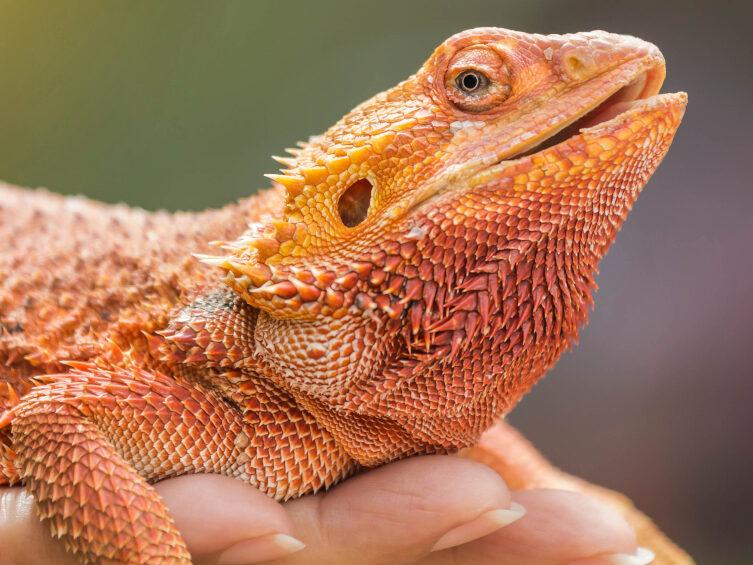
Start with a 4-foot glass tank or custom enclosure. Ensure it has a secure screen top for ventilation and a sturdy base. This size provides the necessary horizontal space for an adult to move freely between thermal zones.
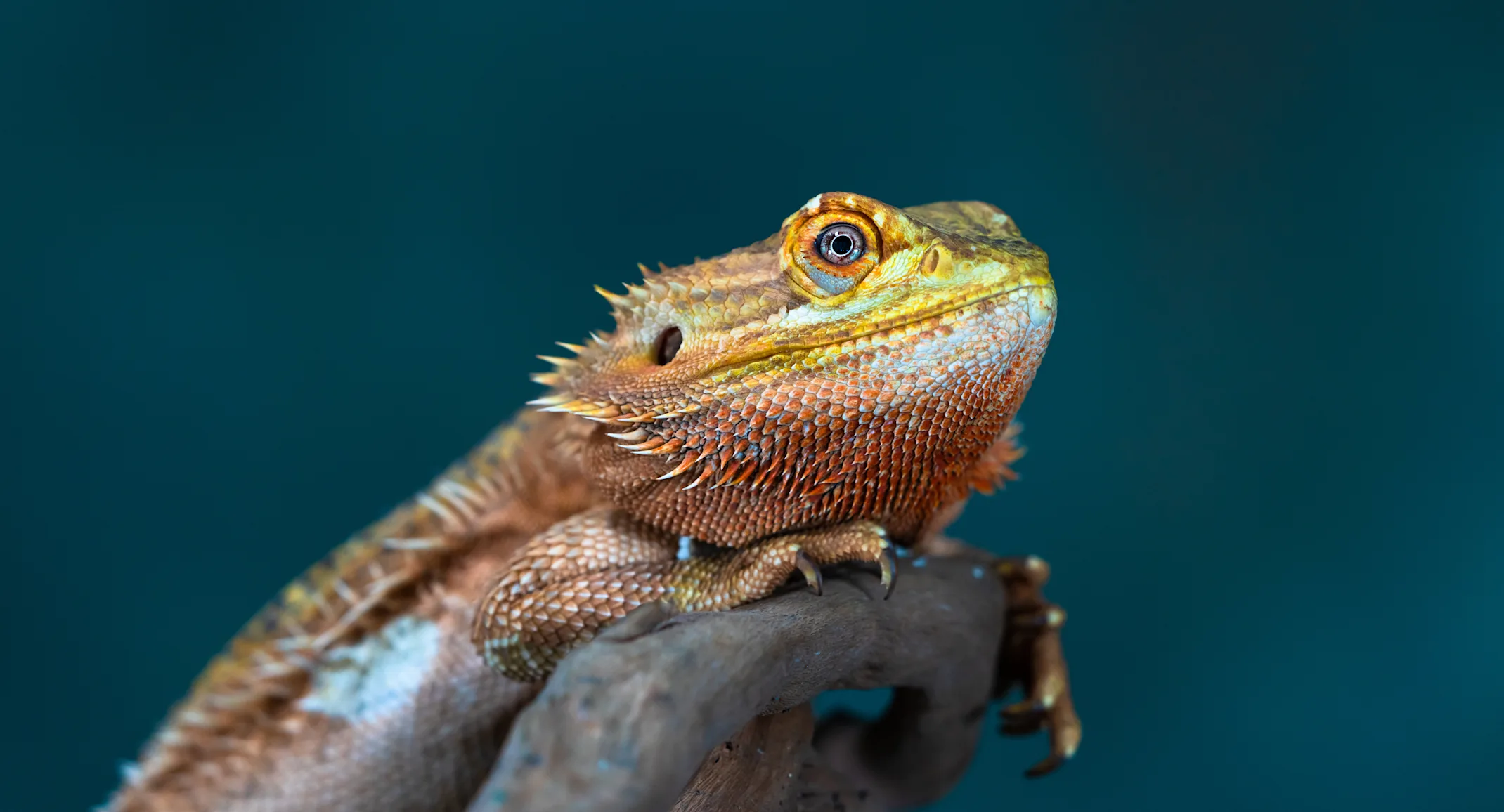
Position your basking lamp to create a hot spot of 95-110°F on one end. Leave the other end unheated to maintain a cool zone of 75-85°F. Place digital thermometers at both locations to verify the gradient before introducing your dragon.
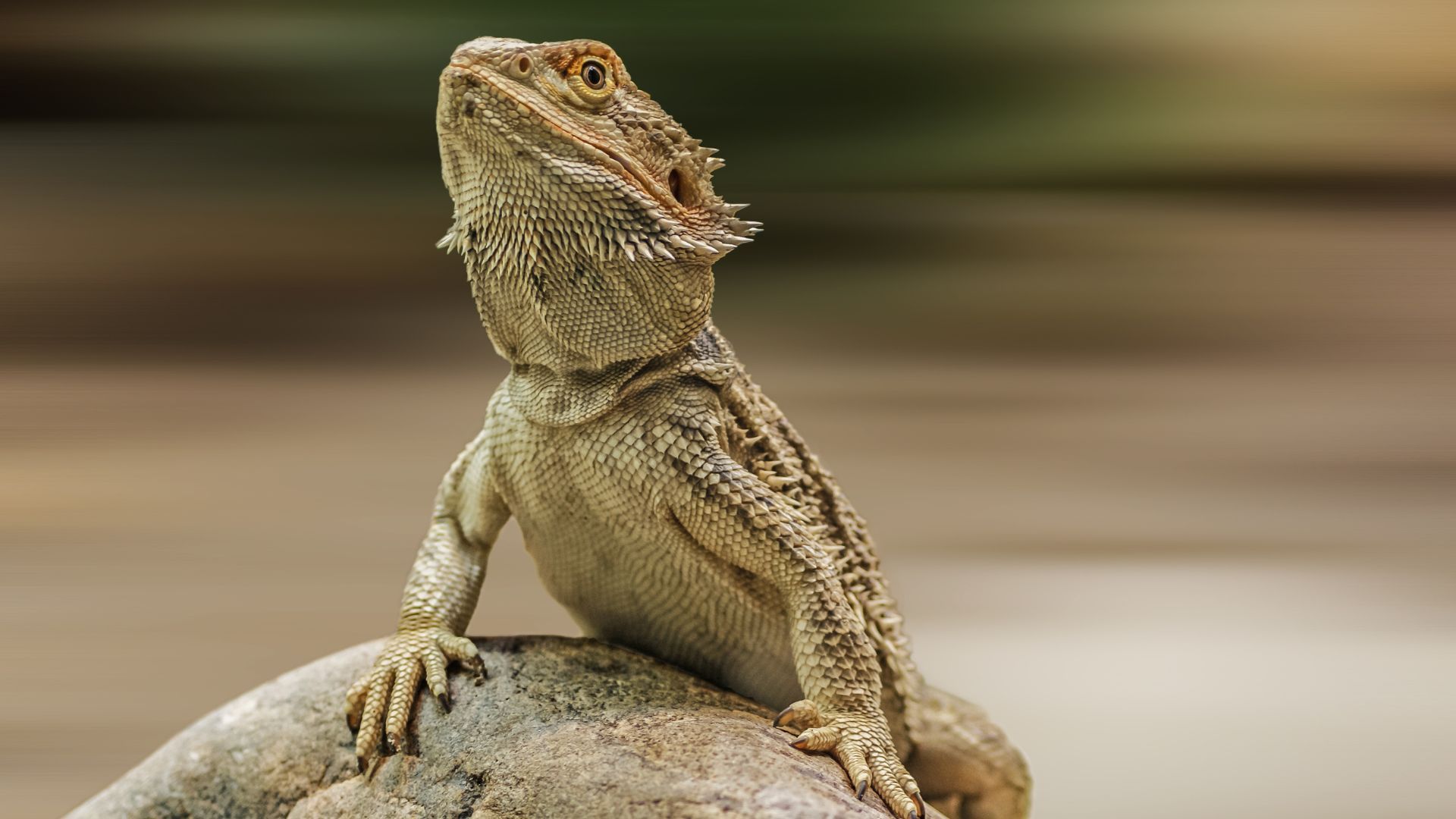
Lay down non-loose substrate like reptile carpet or slate tile. Place two hides—one under the heat and one on the cool side—to provide security. Keep the floor clear of excessive decor to allow for easy cleaning and natural movement.
Set up lighting and heating correctly
Bearded dragon care hinges on two non-negotiable elements: UVB light and precise heat gradients. Without these, your dragon cannot synthesize vitamin D3 or digest food properly, leading to metabolic bone disease (MBD). Think of the enclosure as a miniature desert ecosystem; you are building the sun and the shade that allow the animal to regulate its body temperature.
Choose the right UVB bulb
UVB radiation is the primary driver of health in captive bearded dragons. You must use a linear fluorescent tube, specifically a 10.0 or 12.0 UVB bulb. Coil bulbs or compact "spotlight" UVB lights are inadequate because they do not cover enough surface area, leaving large portions of the tank unprotected.
The bulb must be mounted directly above the basking area. Glass and acrylic block UVB rays, so the bulb must be placed on the outside of the screen top or inside the tank with no glass barrier between the bulb and the dragon. Replace the bulb every six to twelve months, even if it still appears to glow, as UVB output degrades significantly over time.
Create a thermal gradient
Bearded dragons are ectothermic, meaning they rely on external heat sources to regulate their body temperature. Your enclosure needs a "hot side" and a "cool side." The hot side, directly under the UVB bulb, should reach 95-110°F (35-43°C) for adults. The cool side should remain around 75-85°F (24-29°C).
Use a combination of a basking bulb for heat and a ceramic heat emitter (CHE) for nighttime warmth. Bearded dragons do not need light at night; in fact, artificial light disrupts their circadian rhythm. A CHE provides warmth without emitting visible light, ensuring your pet can rest undisturbed.
Verify temperatures with a thermometer
Do not rely on the dial settings of your thermostat or the bulb wattage alone. These are often inaccurate. Use a digital thermometer with a probe to measure the actual surface temperature of the basking spot and the ambient temperature on the cool side. Place one thermometer on the hot side and another on the cool side to monitor the gradient throughout the day.
Adjust the Bearded Dragon Diet by Age
Bearded dragon care requires a strict shift in feeding strategy as your pet matures. Juveniles need high protein to support rapid skeletal growth, while adults require a plant-heavy diet to prevent obesity and metabolic bone disease. The transition typically begins around six months of age.
Juvenile Feeding Schedule
For the first six months, your bearded dragon is essentially a growing adolescent. Their primary caloric intake must come from insects to fuel development. Offer a variety of gut-loaded insects, such as dubia roaches, crickets, or black soldier fly larvae, multiple times a day. Vegetables should be introduced early to establish habits, but they should only make up about 30% of the diet. Focus on dark leafy greens like collard greens and mustard greens, which provide essential calcium and vitamins.
Adult Feeding Ratio
Once your bearded dragon reaches adulthood, the nutritional balance flips. Adults are primarily herbivores. The standard guideline for bearded dragon care is a 70/30 split: 70% vegetables and 30% insects. You can offer insects once a day or every other day. If you overfeed insects to an adult, you risk fatty liver disease and kidney issues due to excessive protein intake. Continue to offer a wide variety of greens, including dandelion greens, turnip greens, and squash, to ensure a broad nutrient profile.
Calcium and Supplementation
Proper supplementation is non-negotiable in bearded dragon care. Dust every insect with calcium powder containing vitamin D3 for juveniles, and calcium without D3 for adults if they receive adequate UVB lighting. Juveniles should be dusted at every feeding, while adults can be dusted two to three times a week. This routine prevents metabolic bone disease, the most common health issue in captive bearded dragons.
| Life Stage | Insect % | Veggie % | Calcium + D3 |
|---|---|---|---|
| Juvenile (0-6 mos) | 70% | 30% | Every feeding |
| Adult (6+ mos) | 30% | 70% | 2-3x per week |
Transitioning the Diet
Switching from a high-protein to a high-vegetable diet should happen gradually. Over the course of two to three weeks, slowly reduce the number of insects offered and increase the volume of chopped vegetables. Mix the new greens with familiar treats like carrots or bell peppers to encourage eating. Monitor your dragon’s stool and activity levels during this transition to ensure they are adapting well to the new caloric density.
Maintain daily hygiene and health checks
Treat this step as a welfare screen for Bearded Dragon Care. Compare the source, the animal's visible condition, the seller's care knowledge, the paperwork, and the transport plan before you commit. A good purchase path should make the dragon's health easier to verify, not harder. Pause before paying if any part of the chain is unclear. Confirm the exact animal, pickup or shipping timing, heat-pack plan when relevant, return policy, and the supplies you need at home for the first week.
-
Verify the sourceUse this as a welfare screen: confirm the breeder, rescue, store, or private seller can explain care history and answer basic husbandry questions.
-
Check health signsLook for clear eyes, alert behavior, healthy weight, clean vent area, and no obvious swelling, wounds, or stuck shed.
-
Prepare the enclosureHave heat, UVB, substrate, hides, food, and temperature checks ready before pickup or shipping day.
-
Plan transportConfirm pickup timing, shipping weather, packaging, and the first-week settling plan before paying.
Common Care Mistakes to Avoid
Even experienced keepers can slip up on basic Bearded Dragon Care habits that cause long-term health issues. These errors often stem from misunderstanding their desert origins or assuming reptile needs mirror those of mammals. Addressing these pitfalls early prevents stress, metabolic bone disease, and injury.
Incorrect Humidity Levels
Bearded dragons are desert animals that thrive in dry conditions. Maintaining high humidity is one of the most common errors, leading to respiratory infections and shedding problems. Keep relative humidity between 30% and 40%. Use a hygrometer to monitor levels daily and ensure proper ventilation in the enclosure to prevent stale, damp air from accumulating.
Unsafe Substrate Choices
Loose substrates like sand, gravel, or corn cob pose a serious impaction risk if ingested during feeding.幼体 dragons are especially vulnerable to eating these materials. Use tile, paper towels, or reptile carpet instead. These options are easy to sanitize and eliminate the danger of accidental ingestion while providing adequate traction for their feet.
Improper Handling Techniques
Rushing into handling or grabbing a dragon from above can trigger a stress response or defensive biting. Always approach slowly and support the dragon’s entire body, including the tail, which they may drop if startled. Limit handling sessions for young dragons to 10–15 minutes to prevent exhaustion. Consistent, gentle interaction builds trust and reduces aggression over time.
No comments yet. Be the first to share your thoughts!