

The Evolving World of Bearded Dragon Care: Beyond the Basics
Bearded dragon care has come a long way. For years, the advice was fairly standard: provide a heat lamp, UVB light, a suitable diet, and a clean enclosure. Resources like the care sheet from the Seattle Animal Shelter provide a solid foundation, outlining the basic needs of these diurnal reptiles. But we’re entering a new era. The availability of affordable microcontrollers, sophisticated sensors, and budding AI applications is changing how we interact with and monitor our pets.
What was once a hobby relying heavily on visual checks and educated guesses is becoming increasingly data-driven. We can now move beyond simply hoping our dragon is comfortable and healthy, to actually measuring their environment and behavior. This isn't about replacing traditional care, it’s about enhancing it. It’s about providing a level of proactive, preventative care that wasn’t possible even a few years ago.
Modern reptile care now involves microcontrollers and sensors that track environment and behavior in real time. It's a shift towards a more precise, responsive, and ultimately, more fulfilling experience for both dragon and owner. It’s about understanding that a healthy dragon is a happy dragon, and data can help us achieve that.
Of course, technology isn’t a magic bullet. A strong understanding of fundamental bearded dragon biology and behavior remains essential. But by combining that knowledge with the power of automation and AI, we can create a truly optimized care routine.
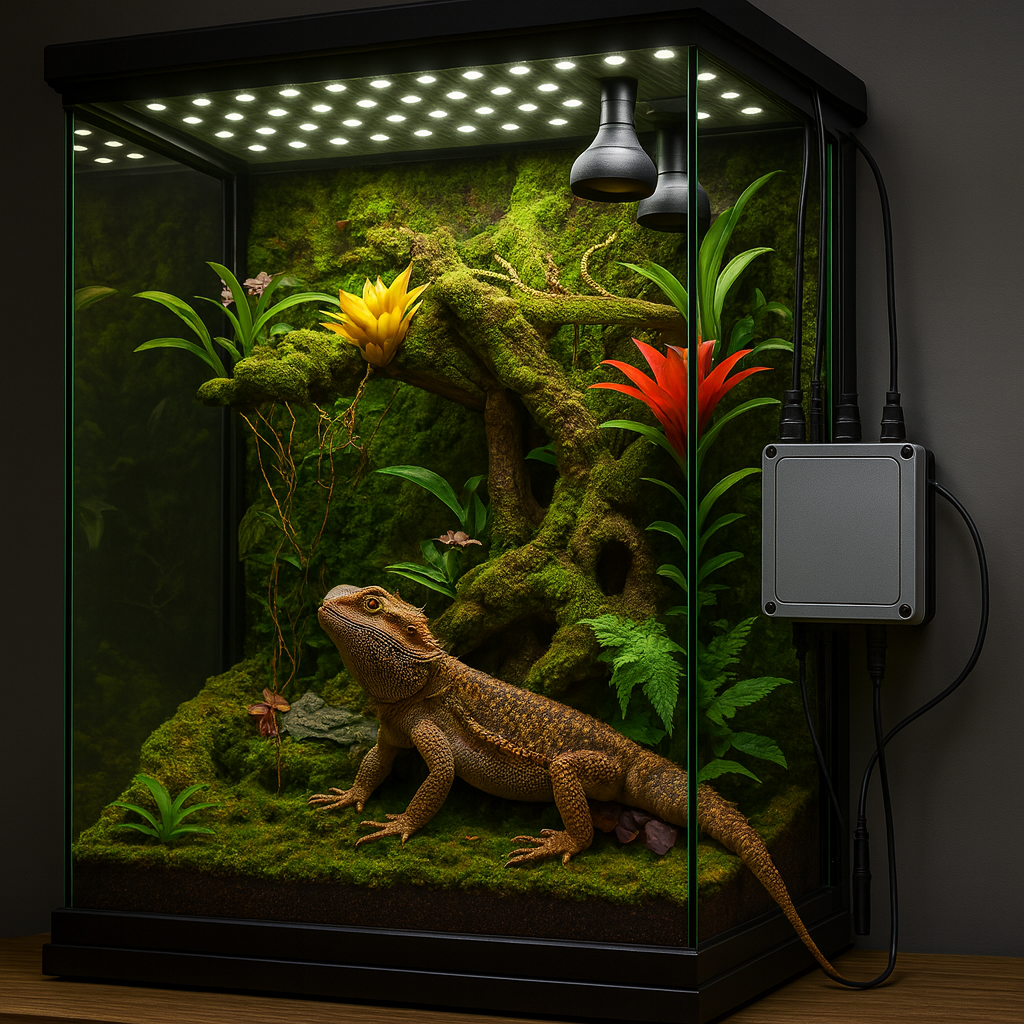
Smart Tank Setup: Automating Environmental Control
Bearded dragons need specific temperature gradients, humidity levels, and UVB exposure to stay healthy. Historically, this meant constant monitoring with thermometers and hygrometers, and manual adjustments to heating and lighting. Now, we have options for full automation. Smart thermostats like those from Zoo Med or Fluker’s allow for precise temperature control, eliminating fluctuations that can stress your dragon.
Humidity control is also becoming increasingly automated. While bearded dragons generally prefer low humidity, occasional misting or a small water dish can be managed with timers or even smart plugs connected to humidifiers. UVB and UVA lighting schedules can be automated as well, ensuring consistent exposure throughout the day. Some systems even allow for gradual ramping up and down of light intensity, mimicking natural sunrise and sunset.
For those with a bit more technical inclination, DIY automation is possible using platforms like Raspberry Pi or Arduino. These microcontrollers can be programmed to control a wide range of devices, from heaters and lights to fans and misting systems. While this requires some programming knowledge, the level of customization is virtually limitless. There are communities online, such as on Reptile Forums, that are sharing information on these DIY setups.
However, it’s crucial to have redundancy built into any automated system. What happens if the thermostat fails? What if the power goes out? Having a backup heating source and a way to manually control lighting is essential to prevent a potentially life-threatening situation. I always recommend a secondary thermometer and manual lighting setup as a failsafe.
Bearded Dragon Tank Automation Levels: A Comparative Overview
| Cost | Complexity | Reliability | Precision | Time Savings |
|---|---|---|---|---|
| Low | Low | High | Lower | Low |
| Medium | Medium | Medium | Better for consistent schedules | Medium |
| High | High | Medium | Highest | High |
| Better for experienced owners | Significant learning curve | Dependent on system quality | Precise control over microclimates | Substantial |
| Requires regular monitoring | Simple setup | Reliant on owner adherence | Variable | Minimal |
Qualitative comparison based on the article research brief. Confirm current product details in the official docs before making implementation choices.
AI-Powered Health Monitoring: Early Detection is Key
The most exciting frontier in bearded dragon care is the application of artificial intelligence to health monitoring. While still in its early stages, the potential for non-invasive health assessment is enormous. Imagine a system that can detect subtle changes in your dragon’s behavior, indicating illness before visible symptoms appear. That's the promise of AI-powered monitoring.
Computer vision is a key technology here. A camera trained to recognize normal bearded dragon behavior – activity levels, appetite, posture, basking habits – can flag anomalies that might suggest a problem. For example, a sudden decrease in activity or a change in the way your dragon holds its head could be an early sign of a respiratory infection.
Beyond visual analysis, sensors are being developed to track physiological parameters. Heart rate, respiration rate, and even subtle changes in skin color (which can indicate stress or illness) could all be monitored remotely. The data collected could be analyzed by AI algorithms to identify patterns and predict potential health issues.
This technology is still in its early stages. These systems are not yet perfect, and they should never be used as a substitute for veterinary care. However, they can be a valuable tool for early detection, allowing you to seek professional help sooner rather than later. A vet’s diagnosis is always the gold standard, and AI should be seen as a supporting technology.
AI Bearded Dragon Health Monitor: Early Illness Detection Prototype
ReptileTech Innovations
Watch on YouTube →Diet and Nutrition in the Age of Data: Personalized Feeding Plans
Traditionally, bearded dragon diets have been based on general guidelines: a mix of insects, vegetables, and occasional fruits. Dragon Freak provides a comprehensive overview of appropriate food items. But what if we could tailor that diet to the individual needs of your dragon, based on their health status, activity level, and even their gut microbiome?
Data from health monitoring systems can play a crucial role in personalized feeding plans. For example, if a dragon is showing signs of weight loss, the system could recommend increasing their insect intake or supplementing their diet with calcium. Conversely, if a dragon is gaining too much weight, the system could suggest reducing their food intake or increasing their exercise.
Apps and software are emerging that allow you to track your dragon’s food intake, nutrient levels, and weight over time. This data can be used to identify potential deficiencies or imbalances. There’s also growing interest in the role of gut health in overall well-being. Probiotic supplements may be beneficial, but the optimal strains and dosages will likely vary from dragon to dragon.
Ultimately, the goal is to move beyond a one-size-fits-all approach to nutrition and create a diet that supports your dragon’s unique needs. Data-driven insights can help us achieve that, but it's essential to consult with a veterinarian to ensure your dragon is getting the nutrients they need.
Decoding Dragon Behavior: Using AI to Understand Your Pet
Bearded dragons communicate through a variety of subtle cues: head bobs, beard puffs, tail movements, and body posture. Recognizing these signals is essential for understanding your dragon’s mood and needs. AI can help us decode these behaviors with greater accuracy. Machine learning algorithms can be trained to identify patterns that indicate stress, illness, or contentment.
For example, a dragon that is consistently hiding or refusing to eat may be experiencing stress. An AI system could detect these patterns and alert you to a potential problem. Similarly, a dragon that is basking excessively or displaying unusual lethargy may be showing signs of illness. As the Seattle Animal Shelter points out, understanding their diurnal nature is key—a change in activity during their active hours is more concerning than usual sleepiness.
Not all behaviors signal a problem. Basking, brumation (a period of dormancy), and shedding are all natural behaviors that should not be mistaken for signs of illness. AI can help us differentiate between normal and abnormal behaviors, but it’s still essential to use our own judgment and consult with a veterinarian when in doubt.
By combining AI-powered analysis with our own observations, we can gain a deeper understanding of our dragons and provide them with the care they need to thrive. We can now interpret dragon behavior through data patterns that were previously invisible to the naked eye. possible before.
Troubleshooting Common Health Issues with Smart Tech
Smart technology can be a valuable aid in the early detection and prevention of common bearded dragon health issues. Metabolic Bone Disease (MBD), for instance, is often caused by insufficient UVB exposure and calcium intake. Temperature and humidity sensors can help ensure the tank environment is within the optimal range for calcium absorption.
Impaction, a blockage in the digestive tract, is another common problem. Monitoring your dragon’s feeding habits and stool consistency can help identify potential issues early on. AI-powered activity monitoring can also detect changes in behavior that might indicate discomfort or digestive problems. A sudden decrease in appetite or activity can be a red flag.
Respiratory infections are often caused by improper temperature or humidity levels. Maintaining a stable environment with the help of automated climate control systems can significantly reduce the risk of these infections. If you do suspect a respiratory infection, it’s crucial to seek veterinary care immediately.
However, it's vital to reiterate: smart tech is not a replacement for veterinary care. It’s a tool to help you monitor your dragon’s health and detect potential problems early on. If you notice any concerning symptoms, always consult with a qualified reptile veterinarian. Early intervention is key to successful treatment.
The Future of Bearded Dragon Care: What's on the Horizon?
The future of bearded dragon care is likely to be shaped by continued advancements in sensor technology, AI algorithms, and remote veterinary monitoring. We can expect to see more sophisticated sensors that can track a wider range of physiological parameters, providing a more comprehensive picture of your dragon’s health.
AI algorithms will become more accurate at identifying subtle changes in behavior and predicting potential health issues. Remote veterinary monitoring could allow vets to remotely assess your dragon’s condition and provide guidance on treatment. Imagine being able to share data from your dragon’s health monitoring system with your vet in real-time.
However, it’s important to consider the ethical implications of using technology to care for animals. We need to ensure that these technologies are used responsibly and that they enhance, rather than detract from, the human-animal bond. There’s a balance to be struck between leveraging the power of technology and preserving the natural connection we have with our pets.
The potential for genetic testing to identify predispositions to certain health conditions is another area of interest. This could allow us to proactively manage your dragon’s health and prevent problems before they arise. While still in its early stages, genetic testing holds promise for a future where we can provide truly personalized care for our bearded dragons.
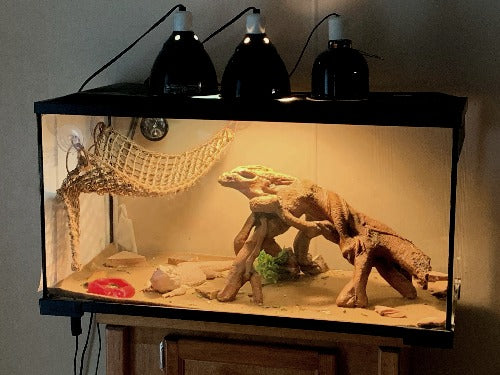
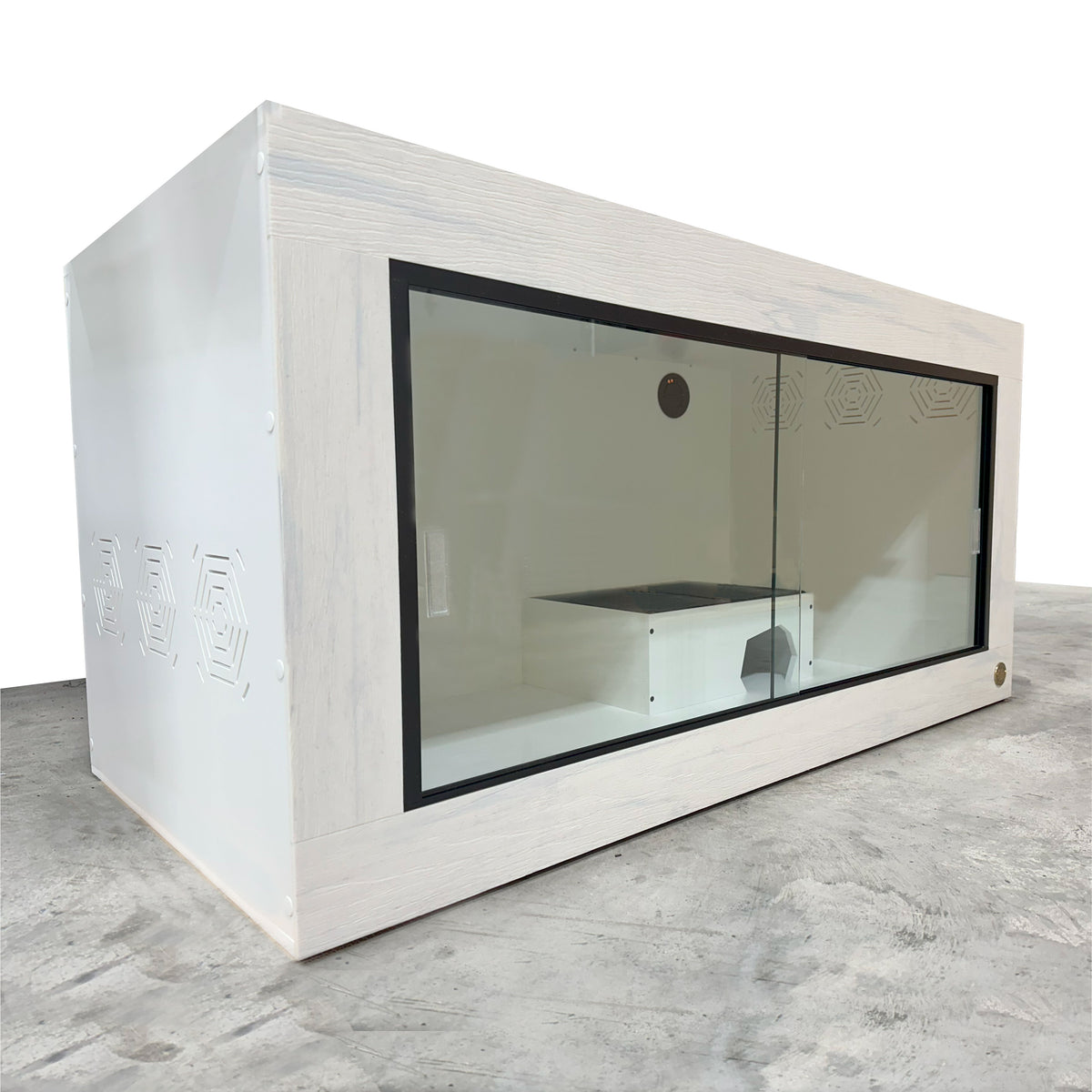
Breaded Dragon Setup 101
— Johnny Appleseed (@JohnnyStowe123) December 15, 2024
Bearded Dragon Tank Setup: Feeding Essentials
Shallow dishes. For greens, fruits, insects, supplements, and water, you’ll want at least three or four shallow dishes on hand.
Insect tweezers. For live insect feeding, it’s helpful to have one or two… pic.twitter.com/JxpNx4vR8G

No comments yet. Be the first to share your thoughts!