

Smart tech in 2026
For years, bearded dragon care has relied on a fairly static setup: a glass tank, heat lamps, a UVB bulb, and some substrate. It works, but it's often a compromise. Maintaining consistent temperatures, proper humidity, and observing subtle changes in your dragon’s behavior can be challenging with traditional methods. In 2026, we're seeing a shift, driven by affordable and reliable smart technology designed to address these limitations.
This isn’t about turning your reptile room into a science fiction movie set. It's about using technology to create a more stable, healthier, and enriching environment for your bearded dragon. Think precise climate control, automated feeding, and even behavioral monitoring. The goal is to remove guesswork and provide optimal conditions, ultimately leading to a longer, happier life for your pet.
Smart systems help catch health issues before they turn into emergencies. If a dragon stops basking or loses its appetite, sensors and cameras flag that change immediately. We're looking at how to actually use these tools without overcomplicating the enclosure.
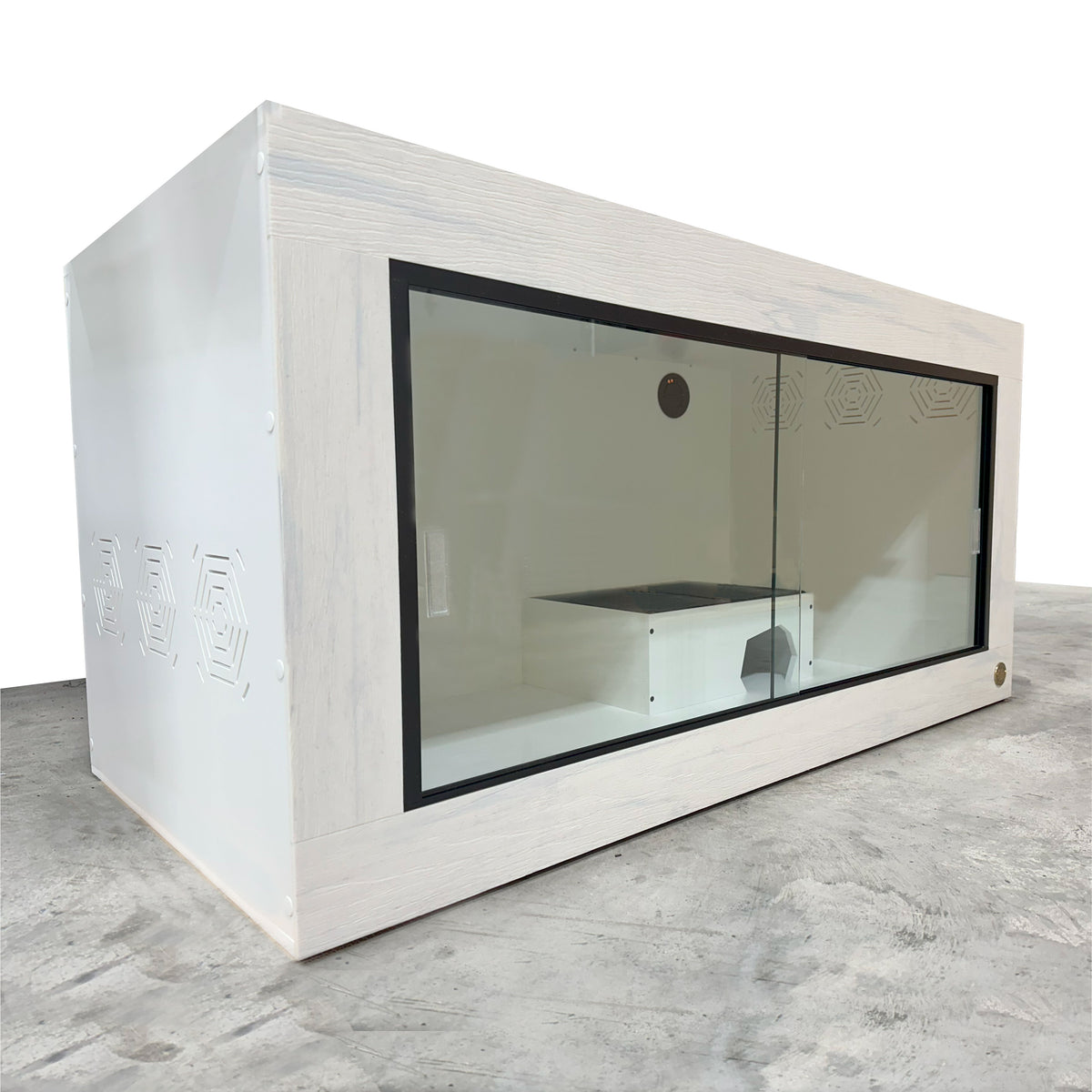
Heating and lighting control
Bearded dragons are picky about their heat. You need a 100-110°F basking spot and a cool side in the 70s. Keeping that balance manually is a headache. Smart thermostats like the BN-LINK models handle the switching for you so the tank never overheats.
These thermostats connect to your heat lamps and allow you to set specific temperatures and schedules. Many also feature remote monitoring via a smartphone app, so you can check conditions even when you’re away from home. Dimming systems are equally important, allowing you to adjust the intensity of UVB and heat lamps throughout the day to mimic natural sunlight cycles. This is far more effective than simply turning lamps on and off.
Data logging is another key benefit. Smart thermostats and lighting controllers often record temperature and humidity data over time, allowing you to identify trends and optimize your setup. For example, if you notice the temperature consistently drops at night, you might need to adjust your heating schedule or add insulation. Integration with home automation systems, like those offered by SmartThings or Hubitat, is also becoming increasingly common, allowing you to control your dragon’s environment alongside other smart home devices.
Consider a system like the Zoo Med ReptiTemp Digital Thermostat paired with a dimming fixture. While not a fully integrated 'smart' system, it's a step in the right direction. More advanced systems, like those offered by Arcadia, provide full spectrum control and monitoring. The initial investment can be higher, but the long-term benefits for your dragon’s health are significant. Don’t skimp on quality – a reliable thermostat is worth its weight in gold.
Humidity Management: Sensors & Automation
Bearded dragons hail from arid environments and generally require low humidity levels, typically between 30-40%. However, humidity needs can vary based on age and whether your dragon is shedding. Too little humidity can lead to shedding problems, while too much can contribute to respiratory infections. Maintaining this delicate balance is where smart technology can help.
Smart humidity sensors, such as those from SensorPush, continuously monitor humidity levels within the tank and can trigger automatic adjustments. These systems can be paired with misting systems or dehumidifiers to maintain optimal conditions. A misting system might activate when humidity drops below a certain threshold, while a dehumidifier kicks in when it gets too high.
The risk of both extremes is very real. Prolonged exposure to high humidity can create a breeding ground for bacteria and fungi, increasing the risk of infections. Conversely, extremely low humidity can cause dehydration and difficulty shedding. Calibration is also crucial; sensors can drift over time, so regular calibration is essential for accurate readings.
Maintaining proper humidity can be particularly challenging in different climates. In humid regions, you may need a more powerful dehumidifier, while in dry climates, you may need to rely more heavily on misting. Consider a system with adjustable settings and the ability to create custom schedules based on your local climate and your dragon’s individual needs.
- Compare your sensor readings against a handheld hygrometer once a week.
- Ensure proper ventilation within the enclosure.
- Bump up the misting frequency when you see the dragon's skin start to dull before a shed.
Water & Feeding: Automated Systems
While bearded dragons get much of their hydration from their food, providing access to water is still essential. Automated misting systems can supplement hydration, particularly during shedding. These systems, often integrated with humidity control, release a fine mist into the enclosure at scheduled intervals. This can also help maintain appropriate humidity levels.
Smart feeders offer a convenient way to ensure your dragon receives consistent, portion-controlled meals. These feeders can be programmed to dispense food at specific times, reducing the risk of overfeeding or underfeeding. Some models even allow for remote monitoring, so you can see how much your dragon is eating. Companies like Little Giants offer options with programmable timers.
Automation isn't an excuse to stop watching your pet. I still check the bowl every day. Feeders jam, and software glitches. Use these tools to keep a schedule, but make sure you're still the one verifying the dragon actually ate.
Automated water bowl filling and cleaning systems are less common, but emerging technologies are starting to address this need. These systems can automatically refill the water bowl and even sanitize it to prevent bacterial growth. While still relatively expensive, they offer a significant convenience for busy reptile keepers.
Behavioral Monitoring: Cameras & AI
A simple camera, like a Wyze Cam, can provide valuable insights into your bearded dragon’s behavior. Observing your dragon throughout the day can help you identify subtle changes that might indicate illness or stress. Are they basking less frequently? Are they refusing to eat? Are they exhibiting unusual movements? These are all potential warning signs.
The real potential lies in the integration of artificial intelligence. AI-powered behavior analysis can automatically detect these subtle changes and alert you to potential problems. For example, an AI system could identify a decrease in activity levels or a change in posture that might indicate a health issue. Several companies are developing these types of systems, though widespread availability is still a few years away.
Privacy is a legitimate concern with camera-based monitoring. Ensure any cameras you use are secure and that the data is protected. It’s also important to be mindful of your dragon’s privacy and avoid excessive monitoring. The goal is to use technology to enhance their well-being, not to intrude on their lives.
Remote vet consultations based on video footage are becoming increasingly common. This allows vets to assess your dragon’s condition remotely and provide advice without requiring a visit to the clinic. This can be particularly useful for minor health concerns or for owners who live far from a reptile vet.
Substrate & Sanitation: Smart Sensors
Substrate moisture and temperature play a critical role in maintaining a healthy environment. Too much moisture can promote bacterial growth, while too little can lead to dryness and dust. Smart sensors can continuously monitor these parameters and alert you to potential problems. Sensors like those from iKasa can be embedded in the substrate to provide accurate readings.
This data can help you optimize your cleaning schedule and prevent the buildup of harmful bacteria. While fully automated waste removal systems are still rare, some companies are experimenting with robotic cleaners designed for reptile enclosures. These systems would automatically remove solid waste, reducing the frequency of manual cleaning.
Even with automated systems, regular manual cleaning is essential. No system can completely replace the need for spot cleaning and full substrate changes. The frequency of cleaning will depend on the type of substrate you use and the size of the enclosure. Always prioritize thorough cleaning to prevent the spread of disease.
Integrating sensors with different substrate types can be challenging. Some substrates, like sand, can interfere with sensor readings. It’s important to choose sensors that are compatible with your chosen substrate and to calibrate them regularly for accuracy.
When the tech fails
Smart tank technology isn’t without its challenges. Connectivity issues are common, especially with Wi-Fi-based devices. Sensor failures can also occur, providing inaccurate readings or no readings at all. Software glitches can disrupt automated schedules and cause unexpected behavior. It's crucial to have backup plans in place.
Integrating different devices and platforms can be another hurdle. Not all devices are compatible with each other, and setting up a seamless system can require some technical expertise. Choosing brands that prioritize interoperability is essential. Look for devices that support common communication protocols like Zigbee or Z-Wave.
Security vulnerabilities are also a concern. Smart devices can be hacked, potentially giving unauthorized access to your system. Protect your system by using strong passwords, enabling two-factor authentication, and keeping the firmware up to date. Regularly check for security updates from the manufacturer.
A power outage can render your entire system useless. Invest in a backup power supply, such as a UPS (Uninterruptible Power Supply), to keep your essential devices running during a power outage. This will ensure that your dragon’s environment remains stable even when the power goes out. Resources like the BN Tech Solutions support forum can be invaluable for troubleshooting.
No comments yet. Be the first to share your thoughts!