

The shift toward naturalistic biotopes
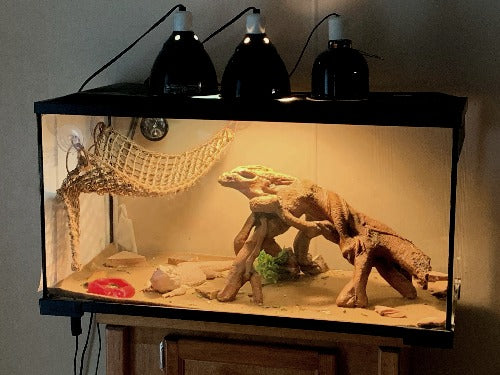
Bearded dragon tank setups have come a long way from the basic glass tank with a heat lamp. For years, function absolutely dictated form. Now, we're seeing a significant shift toward enclosures that are both enriching for the dragon and visually appealing to the owner. People are realizing these animals are a part of their living space and they want to enjoy looking at them.
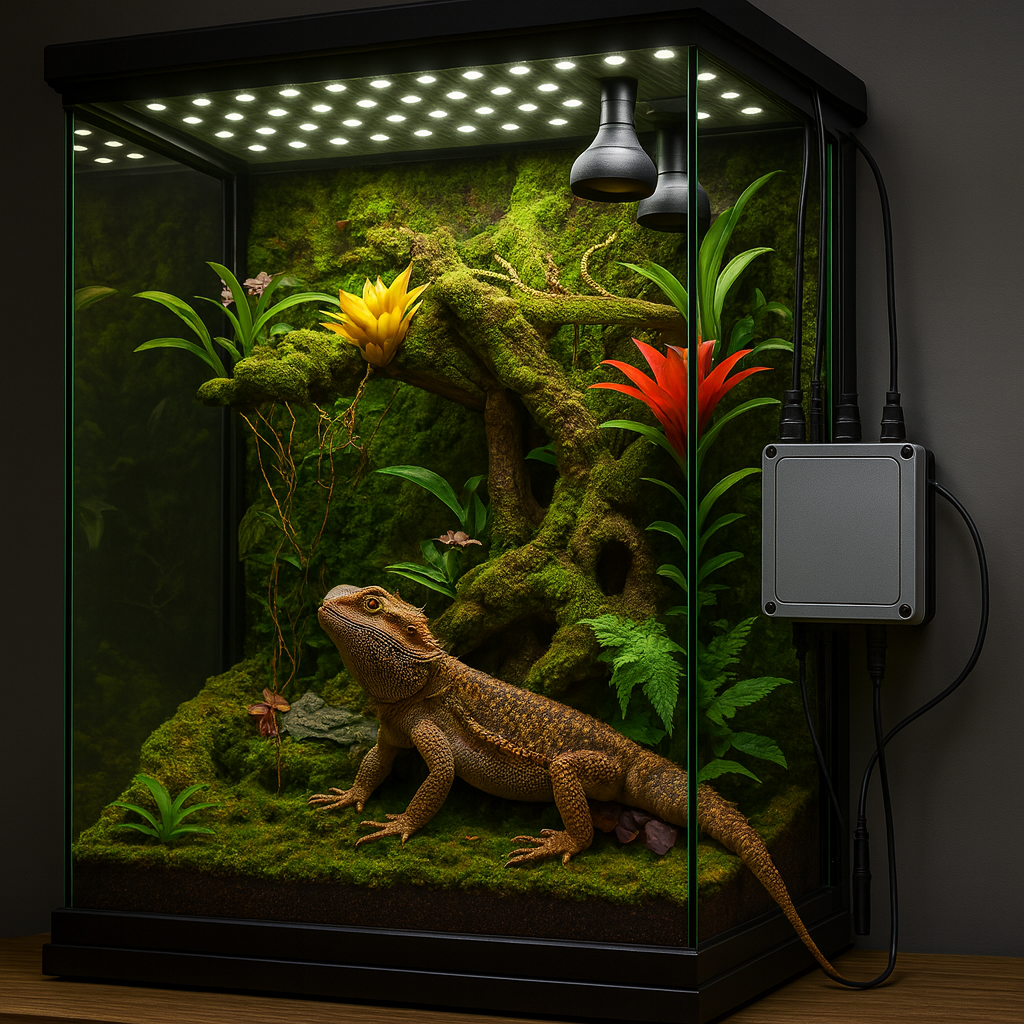
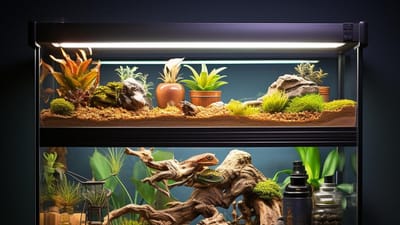
The trend is moving away from stark, minimalist designs and toward more naturalistic environments. A lot of owners are embracing the 'biotope' concept, attempting to recreate the arid, rocky landscapes of central Australia within their tanks. This means using more natural substrates like sand and rock, along with carefully chosen plants – even if they're artificial – to mimic a natural habitat.
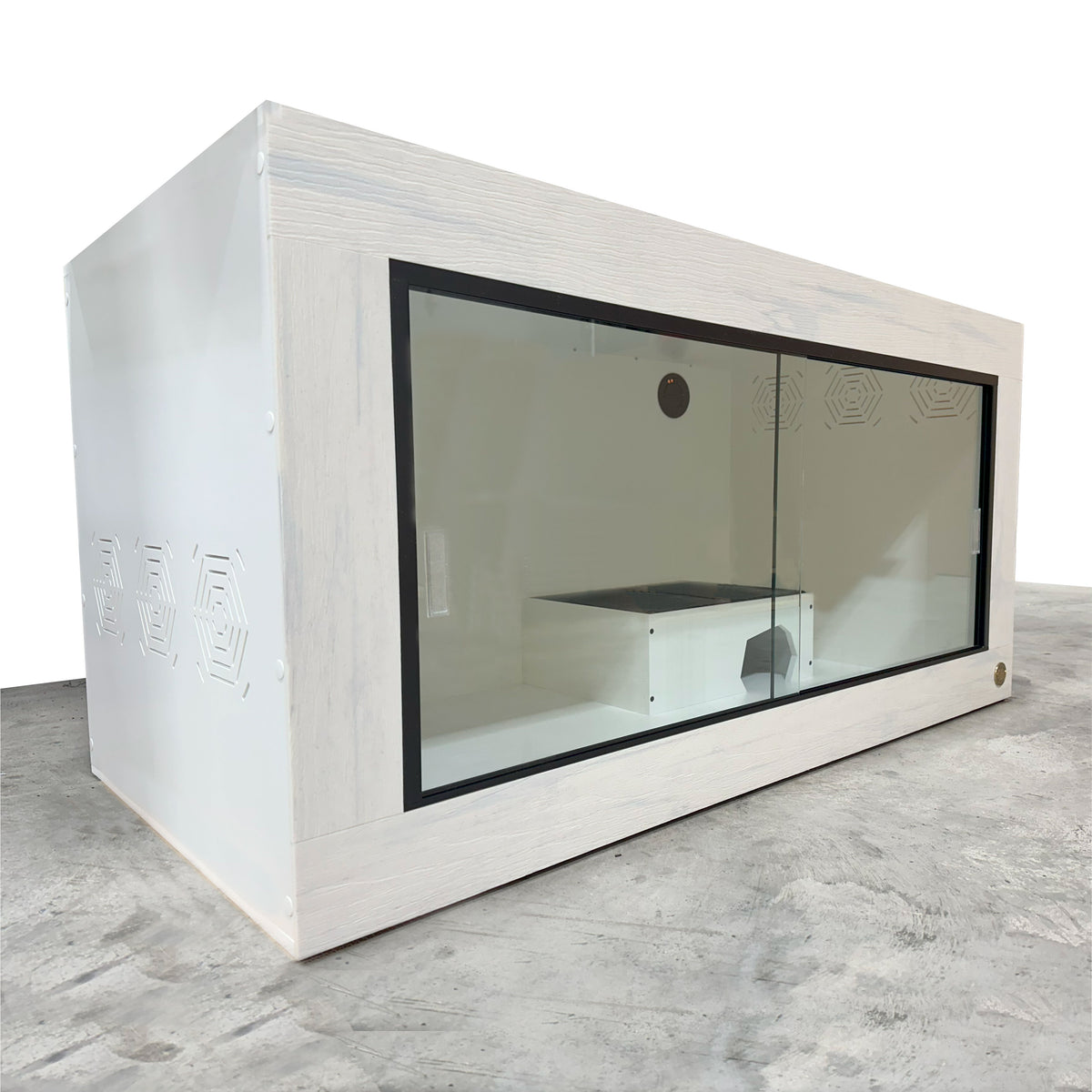
I’ve noticed a growing interest in larger enclosures as well. People are opting for 4x2x2 or even larger tanks, providing more space for their dragons to explore and exhibit natural behaviors. The bigger the space, the more opportunity for a detailed, immersive biotope setup. This isn’t just about aesthetics either; a larger, well-designed enclosure contributes directly to the dragon’s physical and mental wellbeing.
By 2026, I expect 3D backgrounds and custom rockwork to be the standard. We are moving toward integrated planting systems that make a tank look less like a plastic box and more like a slice of the Australian outback.
Smart thermostats and humidity control
Bearded dragons need specific heat gradients to digest food. I used to spend half my day checking manual hygrometers, but smart controllers now handle the heavy lifting. They are more precise than the old analog dials.
Devices like the Zoo Med ReptiTemp Connect are leading the way. These systems allow you to remotely monitor and adjust temperature and humidity levels via a smartphone app. You can set specific temperature ranges, receive alerts if conditions fall outside those ranges, and even create custom schedules to mimic natural day/night cycles. The benefit is peace of mind, especially if you travel frequently or work long hours.
The precision offered by these systems is a huge advantage. Traditional thermostats can sometimes fluctuate significantly, leading to temperature swings that can stress your dragon. Smart thermostats, on the other hand, use sophisticated sensors and algorithms to maintain a much more stable environment. This is particularly important for regulating the basking spot temperature, which is critical for digestion.
I’m curious to see if we’ll see more open-source options emerge in the next few years. The ability to customize these systems and integrate them with other smart home devices would be a game-changer. Imagine a system that automatically adjusts the basking temperature based on your dragon’s activity level or the ambient room temperature. That’s the future I see.
- Zoo Med ReptiTemp Connect for remote smartphone adjustments.
- iPower Smart Thermostat: Offers similar features, often at a lower price point.
- Inkbird ITC-308: A popular choice for DIY setups, offering precise temperature control.
Smart Thermostat & Humidity Controller Comparison for Reptile Enclosures (2026 Trends)
| Brand | Model | Temperature Control | Humidity Control | Connectivity |
|---|---|---|---|---|
| Zoo Med | ReptiTemp Connect | Precise, Digital | Basic monitoring only | WiFi, Mobile App |
| BN Tech | ITC-308 | Accurate, On/Off Control | Accurate, On/Off Control | None - Local Control |
| Herpstat Pro | Elite | Advanced PID Control | Advanced PID Control | WiFi via Hub (sold separately) |
| Active Aqua | Heat Controller Pro | Simple On/Off | Basic monitoring only | None - Local Control |
| Inkbird | ITC-308S | Accurate, On/Off Control | Accurate, On/Off Control | None - Local Control |
| Digital Aquatics | Nano Controller | Precise, Digital | Precise, Digital | Bluetooth, Mobile App |
Qualitative comparison based on the article research brief. Confirm current product details in the official docs before making implementation choices.
Breaded Dragon Setup 101
— Johnny Appleseed (@JohnnyStowe123) December 15, 2024
Bearded Dragon Tank Setup: Decor
Mow the most fun part of setting up your dragon’s new home is selecting the decor. When it comes to creativity, the sky’s the limit. Some Dragon Keepers opt for a laid back, simple environment, while others choose an… pic.twitter.com/fTPt4mf9dI
Automated misting systems
Proper hydration is crucial for bearded dragons, and while a water bowl is essential, misting can also play an important role, especially during shedding. Automated misting systems can simplify this process, ensuring your dragon receives the hydration it needs without requiring constant manual intervention. These systems deliver a fine mist into the enclosure on a pre-set schedule.
There are several different types of misting nozzles available, each with its own pros and cons. Ultrasonic misters produce a very fine mist, but they can also increase humidity levels significantly. Pressure misters offer more control over the mist volume, but they can be more expensive. Choosing the right nozzle depends on your dragon’s specific needs and your enclosure’s ventilation.
For the tech-savvy owners, DIY setups are also an option. I’ve seen some impressive projects using Raspberry Pis and solenoid valves to control misting schedules. These systems offer a high degree of customization, but they require some technical expertise to set up and maintain.
Don’t forget the importance of water bowl placement and size. The bowl should be large enough for your dragon to soak in, but not so large that it takes up too much space in the enclosure. It should also be placed in a location that is easily accessible, but not directly under the basking lamp.
LED lighting beyond UVB
For a long time, bearded dragon lighting has focused primarily on UVB and heat. While these are still essential, advancements in LED technology are opening up new possibilities. LEDs are now capable of providing a full spectrum of light, mimicking the sun’s natural output more closely than traditional bulbs. This can enhance colors, promote natural behaviors, and improve overall health.
The importance of UVB cannot be overstated. It's crucial for vitamin D3 synthesis, which is essential for calcium absorption. However, LEDs can supplement UVB with other wavelengths of light that benefit your dragon. For example, red and infrared light can stimulate appetite and promote basking, while blue light can enhance visual acuity.
There are several different types of LEDs available for bearded dragon enclosures. Linear LEDs are a good choice for providing broad coverage, while flood LEDs are ideal for creating focused basking spots. LED strips can be used to add accent lighting or to create a more naturalistic lighting gradient. The key is to choose LEDs that emit the appropriate wavelengths of light and have sufficient intensity.
I think the trend is moving toward more customizable LED setups. Owners want to be able to tailor the light spectrum to their dragon’s specific needs, and LEDs make this possible. We’re seeing more and more products that allow you to adjust the intensity and color temperature of the light, giving you complete control over the lighting environment. Arcadia and Zoo Med both offer excellent, reptile-specific LED options.
- Arcadia T5 Hybrid LED combines UVB with full-spectrum visible light.
- Zoo Med ReptiSun LED: Provides a broad spectrum of light for optimal health.
- Exo Terra Nano LED: A compact and energy-efficient option for smaller enclosures.
Automating day and night cycles
Simulating a natural day/night cycle is vital for bearded dragon health and well-being. This helps regulate their circadian rhythm, which influences everything from appetite to sleep patterns. Smart plugs and timers make it easy to automate lighting schedules, ensuring your dragon receives the appropriate amount of light and darkness each day.
Many smart plugs and timers can be controlled remotely via smartphone apps, allowing you to adjust the lighting schedule even when you’re away from home. Some apps also allow you to create custom schedules based on sunrise and sunset times, ensuring the lighting is perfectly synchronized with the natural environment.
I’ve been experimenting with IFTTT (If This Then That) recipes to link lighting schedules to weather forecasts. For example, I’ve created a recipe that automatically increases the intensity of the basking lamp on cloudy days to compensate for the reduced sunlight. This level of automation can help ensure your dragon always receives the optimal amount of light.
Consider integrating light sensors into your setup. These sensors can automatically adjust the brightness of the LEDs based on the ambient light levels in the room. This can help create a more naturalistic lighting environment and reduce energy consumption.
Cameras and behavior tracking
Security cameras and webcams can be incredibly valuable tools for monitoring your bearded dragon’s behavior. Remote monitoring allows you to check on your dragon at any time, ensuring its safety and well-being. This is particularly useful if you travel frequently or have other pets that could potentially interact with your dragon.
The potential for using AI-powered behavioral analysis tools is particularly exciting. These tools can analyze video footage to detect subtle changes in your dragon’s behavior that could indicate illness or stress. For example, a sudden decrease in activity level or a change in appetite could be early warning signs of a health problem.
I've seen demos of systems that flag when a dragon hasn't moved for 24 hours. It's early days for this tech, and it won't replace a vet, but it helps catch lethargy before it becomes a crisis.
Privacy is a concern when using cameras in the enclosure. Make sure to choose a camera with strong security features and be mindful of where you store the video footage. It’s also important to respect your dragon’s privacy and avoid constantly monitoring it unless there’s a specific reason to do so.
No comments yet. Be the first to share your thoughts!