

Set up the enclosure correctly
The enclosure is the foundation of bearded dragon care. A properly configured habitat replicates their natural environment, regulating body temperature and supporting immune function. Start with the right size, then layer in heat and light sources.
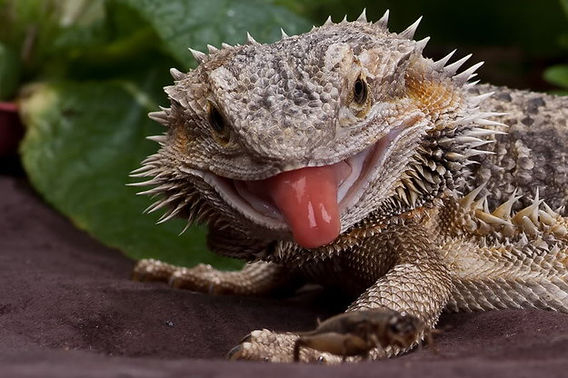
Adult bearded dragons need a minimum of a 4x2x2 foot enclosure. Smaller tanks restrict movement and stress the animal. Glass tanks retain heat well but can be cool at night; consider adding a heat mat if your room gets cold. Ensure the tank has secure mesh or glass lids to prevent escapes and maintain humidity.
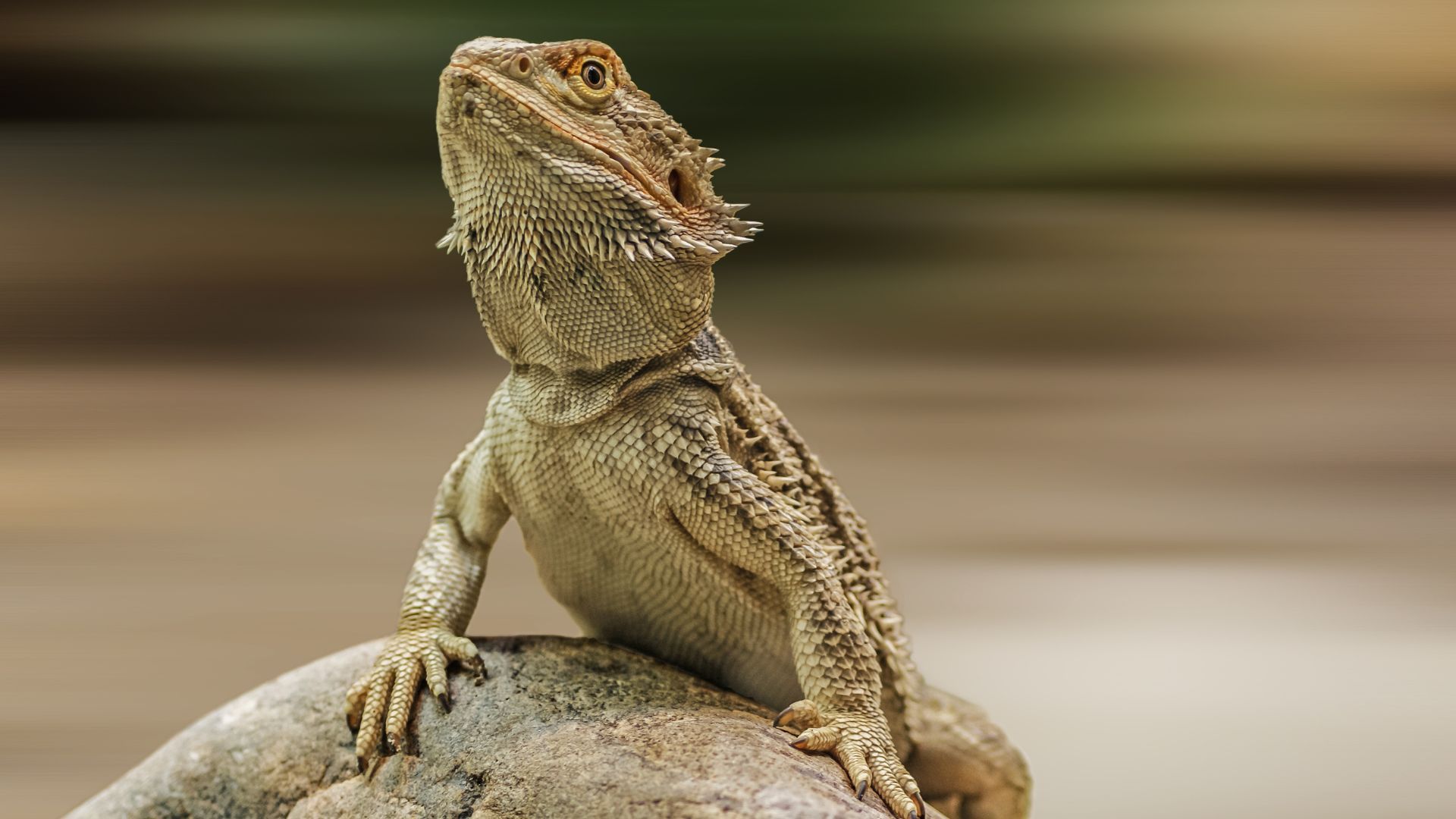
Create a thermal gradient with a basking spot between 95°F and 110°F (35°C–43°C). Use a ceramic heat emitter or a high-wattage incandescent bulb for daytime heat. Place a low-wattage ceramic heat emitter or red night bulb over the basking area for nighttime warmth, as standard bulbs disrupt their sleep cycle. Attach a thermostat to prevent overheating.
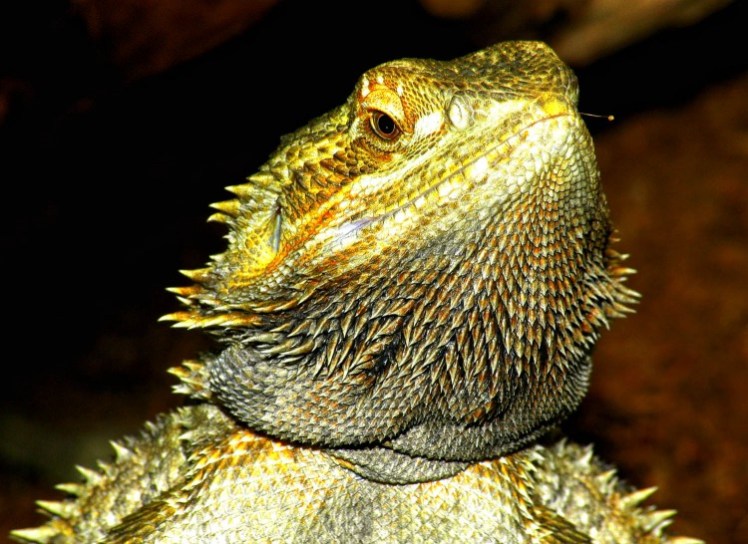
UVB lighting is non-negotiable for calcium absorption and preventing metabolic bone disease. Use a linear T5 HO 10.0 or 10.1 UVB bulb. Mount it 10–12 inches below the basking platform, centered over the heat source. Covering the bulb with glass or plastic blocks UVB rays, so use a reflective fixture that allows emission. Replace the bulb every 6–12 months, even if it still emits visible light.
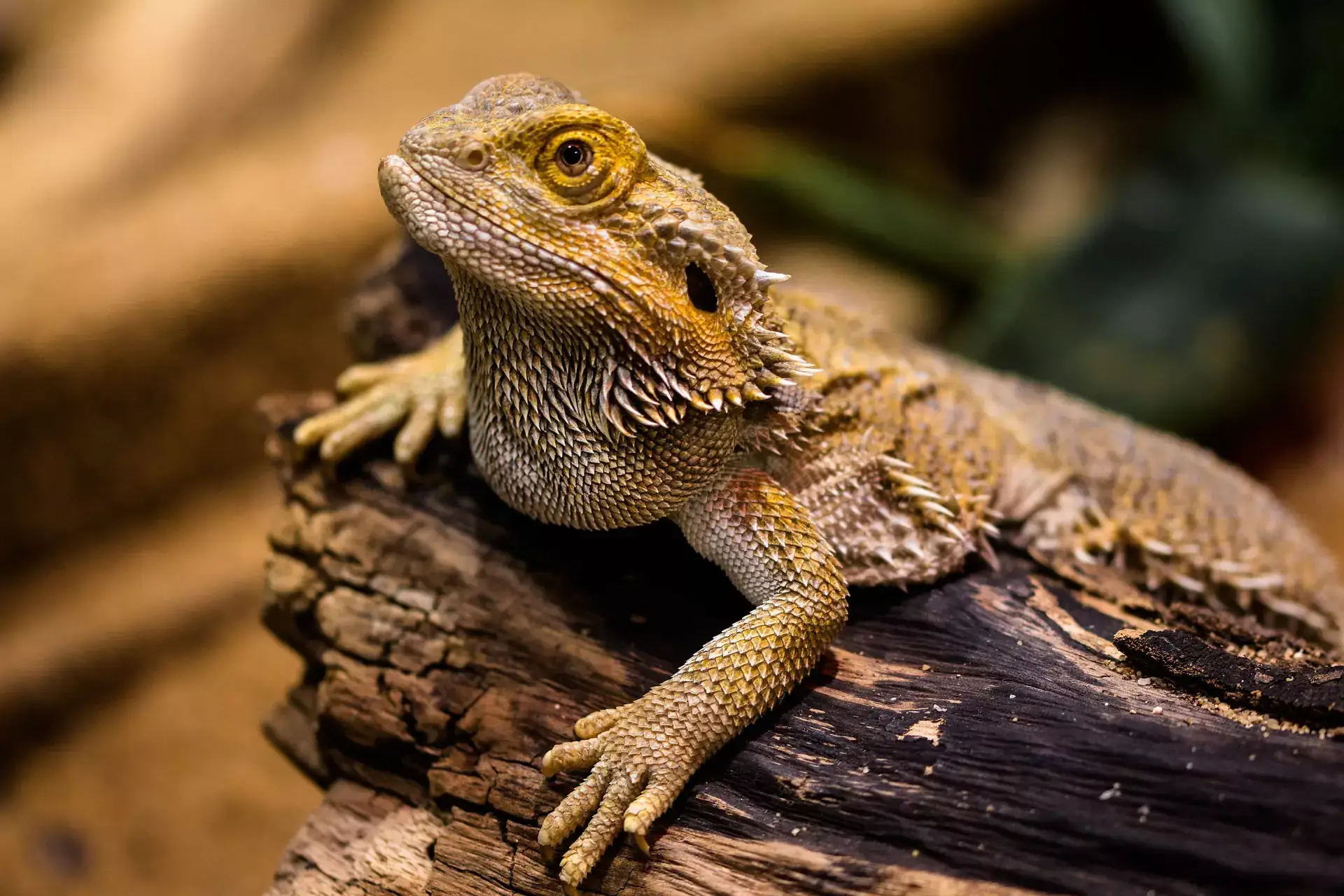
Provide at least two hides: one on the cool end and one under the basking spot. Use cork bark flats, rock caves, or commercial hides to create secure spaces. Add sturdy branches or ledges for climbing, as bearded dragons are semi-arboreal. Ensure all decor is easy to sanitize and has no sharp edges that could injure their feet.
Verify temperatures with a digital thermometer and hygrometer. Place one sensor on the basking spot and another on the cool end. The cool side should remain between 75°F and 85°F (24°C–29°C). Adjust bulb wattage or distance to maintain these ranges. Consistent heat and UVB exposure are the primary drivers of health in captivity.
Feed a balanced diet of greens and insects
Your bearded dragon’s nutritional needs shift dramatically as it matures. Juveniles require an insect-heavy diet to fuel rapid growth, but adults transition to primarily herbivores. Mismanaging this shift is the most common cause of metabolic bone disease and obesity in captive bearded dragons.
Juvenile Diet (0–6 Months)
Feed your hatchling mostly insects with minimal greens. Offer crickets, dubia roaches, or mealworms multiple times a day. Introduce small amounts of leafy greens like collards or mustard greens to establish early habits, but do not force them to eat vegetables yet. The goal is high protein intake for skeletal development.
Adult Diet (6+ Months)
Once your dragon reaches six months, flip the ratio. Adults need 80% dark leafy greens and 20% insects. Rotate vegetables such as romaine lettuce, dandelion greens, squash, and bell peppers. Limit insects to 2–3 feedings per week. This reduction prevents obesity and supports kidney health.
Calcium and Hydration
Dust all insects with calcium powder containing vitamin D3 before feeding. This supplementation is non-negotiable for preventing metabolic bone disease. Ensure fresh water is always available. You can also mist the enclosure lightly twice a week to encourage drinking, as bearded dragons often lap water droplets from leaves or glass.
Juvenile vs. Adult Feeding Ratios
| Life Stage | Insect Ratio | Green Ratio | Feeding Frequency |
|---|---|---|---|
| Hatchling (0–6 mos) | 80% | 20% | Multiple times daily |
| Adult (6+ mos) | 20% | 80% | Insects 2–3x/week; Greens daily |
Sources: Rhinebeck Animal Hospital, PetMD Bearded Dragon Care Sheet
Maintain daily hygiene and water access
Preventative hygiene is the most effective tool against common bearded dragon ailments like impaction, respiratory infections, and metabolic bone disease. A clean environment reduces bacterial load and ensures your dragon stays hydrated, which is critical for proper digestion and kidney function.
Spot-clean the enclosure daily
Remove soiled substrate, uneaten insects, and feces every morning. PetMD advises that daily spot-cleaning prevents the buildup of harmful bacteria and ammonia from waste, which can irritate your dragon's sensitive respiratory system. Use a paper towel or a dedicated reptile-safe disinfectant for spot treatments.
Provide fresh water and humidity
Bearded dragons often drink from water bowls, but many also absorb moisture through soaking. Offer a shallow, heavy ceramic bowl filled with dechlorinated water daily. Replace the water if it becomes cloudy or contaminated with substrate. For dragons that do not drink from bowls, mist the enclosure lightly or offer a shallow bath in lukewarm water for 10-15 minutes, three to four times a week. This helps prevent dehydration and aids in shedding.
Perform weekly deep cleans
Once a week, remove all decor, substrate, and accessories. Wash everything with a reptile-safe disinfectant or a diluted bleach solution (1 part bleach to 10 parts water), then rinse thoroughly and let dry completely. Replace the substrate entirely to remove hidden eggs of parasites or mites. This routine breaks the cycle of contamination and keeps the habitat safe for long-term health.
Spot signs of illness early
Bearded dragons are masters at hiding pain, a survival instinct inherited from their wild ancestors. By the time symptoms become obvious, the condition is often advanced. Your best defense is daily observation. Look for subtle shifts in behavior, appetite, and physical appearance that deviate from their normal routine.
Watch for lethargy or prolonged hiding. A healthy dragon basks openly and moves with purpose. If your pet stays in the cool side of the enclosure or refuses to eat for more than 24 hours, investigate immediately. Check for swollen eyes, discharge from the nose or mouth, or labored breathing, which may indicate a respiratory infection.
Monitor stool consistency and frequency. Impaction is a common and serious issue caused by ingesting substrate or insufficient hydration. Look for hard, dry, or blood-tinged feces. Conversely, diarrhea can signal infection or dietary errors.
Inspect the skin and bones for deformities. Soft, swollen limbs or a curved spine may point to metabolic bone disease (MBD), often caused by improper UVB lighting or calcium deficiency. Check for stuck shed skin, particularly around the tail tip or toes, which can restrict circulation if left untreated.
Watch the setup video
Use this visual guide to clarify complex aspects of your bearded dragon enclosure, such as proper lighting placement and tank layout. Watching the demonstration helps ensure you position heat lamps and UVB fixtures correctly for your pet's health.
Check your care routine with this list
Consistency keeps your bearded dragon healthy. Use this checklist to ensure daily and weekly tasks are completed without fail.
Common bearded dragon care: what to check next
Reptile owners often ask how long their pet will live and what immediate steps to take for basic health. Understanding these fundamentals helps you provide a stable environment and prevent common husbandry errors.
Lifespan expectations
A healthy bearded dragon typically lives 10 to 15 years in captivity. This lifespan depends heavily on consistent UVB lighting, proper temperature gradients, and a balanced diet. Neglecting these core requirements often shortens their life expectancy significantly.
Humidity and hydration
Maintaining low humidity is critical for respiratory health. Keep enclosure humidity between 30-40% to prevent respiratory infections. Provide a shallow, clean water dish for drinking and soaking, but avoid misting the enclosure regularly.
Dietary basics
Feed juvenile bearded dragons daily with a mix of insects and leafy greens. Adult dragons require fewer insects and more vegetables. Always dust insects with calcium and vitamin supplements to prevent metabolic bone disease.
No comments yet. Be the first to share your thoughts!