

Is MBD actually becoming more common?
Metabolic Bone Disease (MBD) is still a major issue for bearded dragons. It is a calcium deficiency that makes bones weak and brittle. We are seeing more talk about it lately, but I don't think cases are actually spiking. We just have better tools to find it now, and owners are getting better at spotting the signs early.
A significant challenge is the potential for misdiagnosis. Early symptoms can mimic other common ailments, leading to delayed treatment. This is why vigilance and a proactive approach to care are so important. Ignoring subtle signs can lead to irreversible damage, and the financial burden of veterinary care, including potential surgeries, can be substantial. Beyond the monetary cost, the emotional toll of watching your dragon suffer is immeasurable.
The increased focus on MBD is largely positive. Online communities and resources like DragonFreak.com are empowering owners with knowledge. This heightened awareness is prompting more preventative measures and earlier intervention, which ultimately improves the outlook for these amazing reptiles. It’s a situation where informed ownership is genuinely making a difference, even if the underlying prevalence of the disease hasn’t dramatically changed.
Early warning signs to watch for
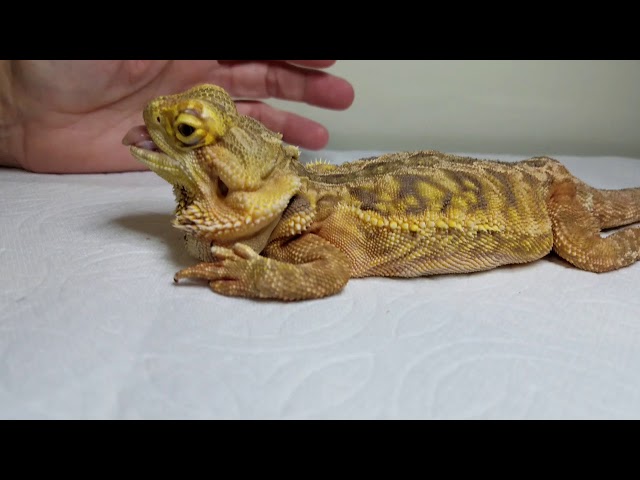
The initial signs of MBD are often subtle and easily overlooked. Lethargy, for example, isn’t simply your dragon being sleepy. It's a sign that their body is conserving energy because muscle function is impaired due to calcium deficiencies. A noticeable change in appetite, whether an increase or a decrease, should also raise a red flag. Some dragons will initially crave calcium, leading to increased feeding, while others will lose interest in food altogether.
Pay close attention to your dragon’s limbs. Early MBD can manifest as slight weakness or a reluctance to climb or bask – activities that normally should be enjoyed. You might notice a subtle tremor or unsteadiness in their gait. Behavioral changes, such as increased hiding or irritability, can also be indicators. These aren't definitive diagnoses, but they should prompt a closer look and potentially a vet visit.
Don't ignore these signs as a 'bad day.' Catching MBD early makes treatment much easier. It is simple to fix a minor calcium dip, but nearly impossible to repair a shattered or deformed spine. ReptiFiles (2023) notes that early intervention is the only way to ensure a full recovery.
The truth about UVB lighting
UVB lighting is the most common reason dragons get sick. Without these rays, a dragon can't make vitamin D3 in its skin. If they don't have D3, they can't use the calcium in their food, no matter how much you give them.
There are two main types of UVB bulbs: linear fluorescent and mercury vapor bulbs. Linear fluorescent bulbs are generally more affordable and provide a broader area of UVB, but they require closer placement to the basking spot. Mercury vapor bulbs offer both heat and UVB in a single bulb, but they can be more expensive. Proper bulb placement and distance are critical for both types; too far away and the UVB output is insufficient, too close and you risk burns.
A significant mistake owners make is assuming that a warm basking spot is enough. While heat is important, it doesn’t replace the need for UVB. Furthermore, UVB output degrades over time, even if the bulb still appears to be functioning. I recommend replacing UVB bulbs every six months, even if they haven’t burned out, to ensure your dragon receives adequate exposure. Regularly replacing bulbs is a small price to pay for preventing MBD.
- Swap your UVB bulbs every six months.
- Ensure proper distance between bulb and basking spot.
- Heat lamps don't provide D3; you need a dedicated UVB source.
Calcium is more than just powder
Simply dusting insects with calcium isn’t enough. While calcium supplementation is important, the quality of that calcium and how it’s delivered matters immensely. Calcium carbonate is a common and affordable supplement, suitable for general supplementation. Calcium citrate is more readily absorbed, and can be beneficial for dragons with digestive issues.
The calcium-to-phosphorus ratio in your dragon’s diet is also crucial. An imbalance can interfere with calcium absorption. Aim for a ratio of 2:1 or 3:1 (calcium to phosphorus). This is where gutloading comes in. Gutloading involves feeding your feeder insects a nutrient-rich diet before offering them to your dragon.
A well-gutloaded insect is far more valuable than one simply dusted with calcium. Insects like dubia roaches, crickets, and black soldier fly larvae should be fed calcium-rich foods like collard greens, mustard greens, and sweet potato for at least 24-48 hours before feeding them to your dragon. This allows them to store the nutrients, effectively delivering a calcium boost from the inside out.
Dietary Diversity: Beyond Crickets
Relying solely on crickets as a food source is a recipe for disaster. Crickets are relatively low in essential nutrients and can be a poor source of calcium. A varied diet is vital for providing your bearded dragon with all the nutrients they need to thrive. Dubia roaches are an excellent staple insect, offering a higher protein and calcium content than crickets.
Black soldier fly larvae (BSFL) are another great option, naturally rich in calcium. Silkworms are a treat with a high moisture content and a good source of protein. Don't forget about fresh vegetables and greens! Collard greens, mustard greens, and turnip greens are excellent choices for calcium absorption. However, be cautious – spinach, avocado, and rhubarb are toxic to bearded dragons and should be avoided.
Consider this table as a starting point for diversifying your dragon’s diet:
Nutritional Comparison: Calcium, Phosphorus & Gutload Potential for Bearded Dragon Diet
| Feeder Insect/Vegetable | Calcium Content (mg/100g) | Phosphorus Content (mg/100g) | Ca:P Ratio | Gutload Potential |
|---|---|---|---|---|
| Crickets | 55mg | 190mg | 0.29:1 | Moderate - benefit from calcium-rich gutloading |
| Dubia Roaches | 50mg | 140mg | 0.36:1 | Excellent - readily take on gutload flavors |
| Black Soldier Fly Larvae (BSFL) | 300mg | 70mg | 4.3:1 | Excellent - naturally high in calcium |
| Superworms | 25mg | 110mg | 0.23:1 | Moderate - high fat content, gutload carefully |
| Collard Greens | 180mg | 40mg | 4.5:1 | Good - readily consumed, nutritious base |
| Butternut Squash | 30mg | 35mg | 0.86:1 | Moderate - good source of Vitamin A, offer in moderation |
| Turnip Greens | 150mg | 30mg | 5:1 | Good - excellent calcium source, offer frequently |
| Carrots | 59mg | 69mg | 0.85:1 | Fair - lower calcium, good for variety |
Illustrative comparison based on the article research brief. Verify current pricing, limits, and product details in the official docs before relying on it.
Recognizing Advanced MBD: What to Do
If MBD progresses, the symptoms become far more severe. You might notice visible deformities in the limbs, such as bowing or twisting. Tremors, paralysis, and fractures are also common signs. A dragon with advanced MBD may struggle to move, have difficulty eating, and appear generally weak and distressed.
If you suspect your dragon has advanced MBD, immediate veterinary attention is crucial. A veterinarian can confirm the diagnosis through X-rays and blood tests. Treatment typically involves calcium injections, fluid therapy to correct dehydration, and supportive care to prevent secondary infections.
The prognosis for advanced MBD is often guarded. While treatment can help alleviate some symptoms and improve quality of life, it’s often difficult to fully reverse the damage. Early intervention is always the best course of action. Don’t hesitate to seek professional help if you have any concerns about your dragon’s health.
No comments yet. Be the first to share your thoughts!