

The shift toward plant-heavy diets
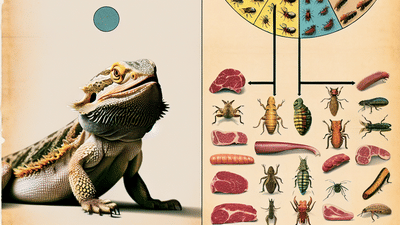
For decades, the image of a happy bearded dragon involved a dish piled high with crickets. While insects remain an important part of their diet, our understanding of these reptiles’ nutritional needs has evolved significantly. Early care guides often focused almost exclusively on protein from insects, but we now know that plant matter plays a much larger role in their overall health and well-being.
This shift isn't just about improving health; it's about sustainability. The mass breeding of insects for pet food has environmental consequences, and many owners are seeking more eco-friendly options. There’s a growing acknowledgement that a more balanced, plant-forward diet isn’t just beneficial for the dragon, it's a responsible choice for the planet.
Most care guides are stuck in the 90s. If you want a healthy dragon today, you have to look at plant-based alternatives and sustainable sourcing. It's better for the animal and easier on the environment.
Calcium, protein, and the 80/20 rule
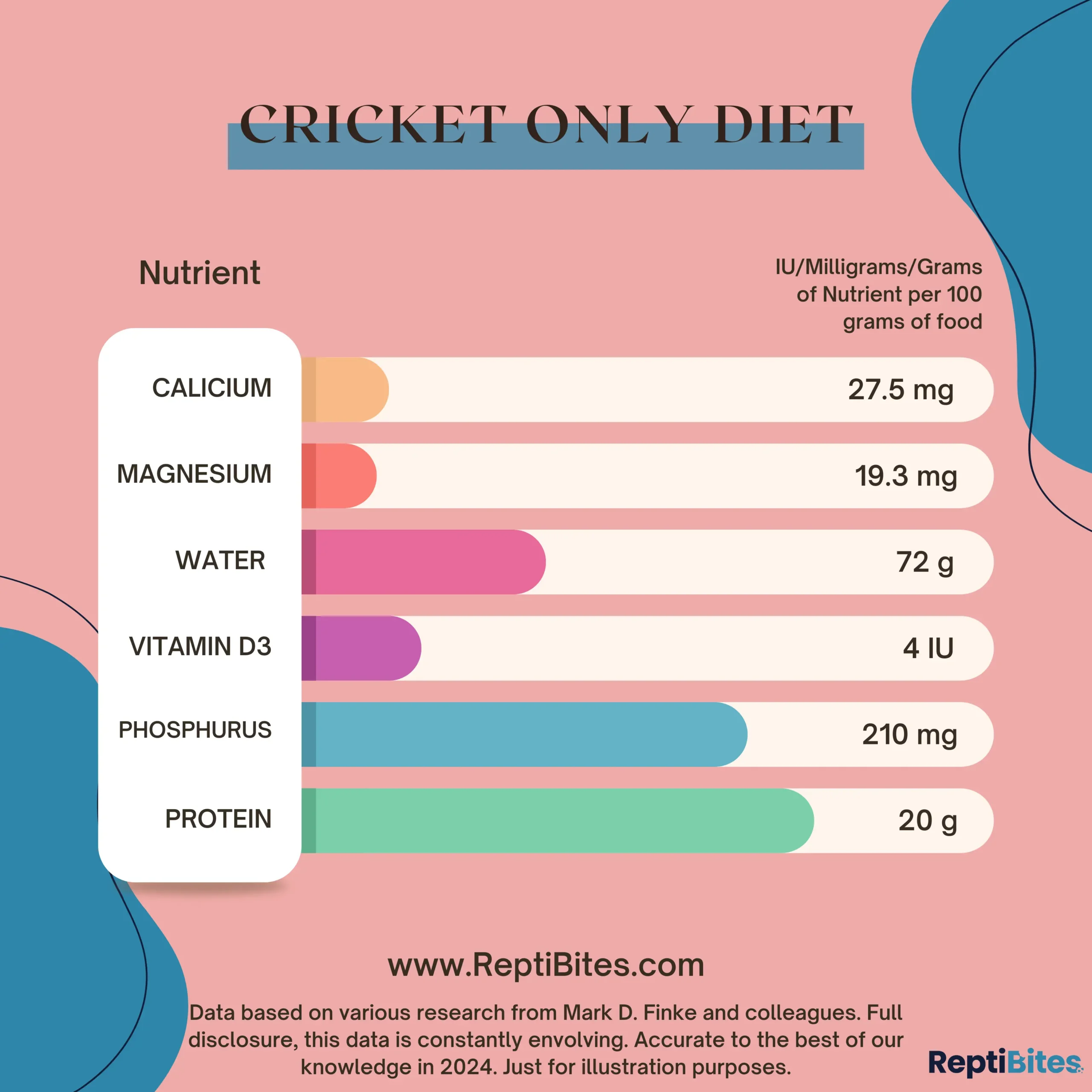
Bearded dragons require a carefully balanced diet to stay healthy. Calcium is absolutely essential for bone growth and preventing metabolic bone disease, especially in young, growing dragons. Vitamin D3 is equally important, as it allows them to absorb calcium effectively – often achieved through UVB exposure, but dietary sources are helpful too.
Protein is vital for tissue repair and growth, but too much can strain their kidneys. Fiber aids in digestion and prevents impaction, while hydration is crucial for overall bodily functions. The Seattle.gov care sheet recommends a varied diet, but doesn't go into the specific ratios needed at different life stages.
Juveniles need about 30-40% protein to fuel their growth spurts. Once they hit adulthood, I drop that to 20%. For seniors, I lean even harder into fiber to keep their digestion moving. An 80/20 split—mostly greens—is the standard for adults, but watch your dragon's weight and adjust if they get too chunky.
The best greens and vegetables
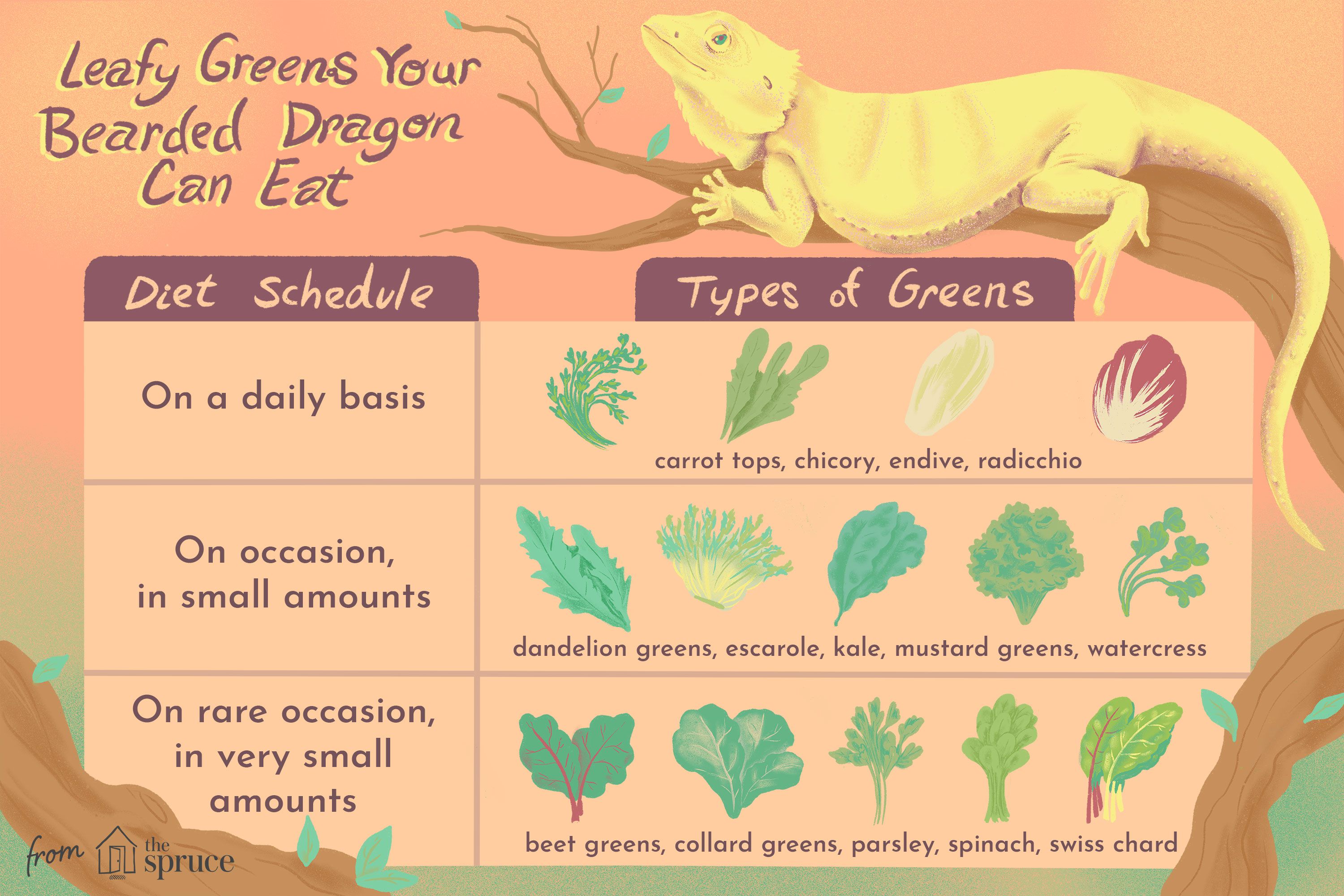
Don’t underestimate the power of greens! Collard greens, mustard greens, and dandelion greens are excellent sources of calcium and vitamins. These should form the base of your dragon’s plant-based diet. Other great options include turnip greens, bok choy, and escarole. Variety is key to ensure they receive a broad spectrum of nutrients.
Vegetables like butternut squash, bell peppers (red and yellow are higher in vitamins), and shredded carrots provide additional vitamins and hydration. Fruits, such as berries (strawberries, blueberries, raspberries) and figs, can be offered as occasional treats due to their higher sugar content. Remember moderation – fruits should only make up a small percentage of their diet.
Preparation is important. All greens and vegetables should be finely chopped to prevent impaction. Offer a variety of options daily, rotating through different choices to keep your dragon interested. Be mindful of oxalates (found in spinach and kale) and goitrogens (found in cruciferous vegetables like broccoli and cabbage). While not strictly harmful in small amounts, offering these in moderation and combining them with calcium-rich foods can help mitigate any potential issues.
Here's a quick breakdown of some excellent choices:
- Calcium-Rich Greens: Collard greens, mustard greens, dandelion greens, turnip greens
- Vitamin-Rich Vegetables: Butternut squash, bell peppers (red & yellow), shredded carrots
- Occasional Fruit Treats: Berries (strawberries, blueberries, raspberries), figs (in moderation)
- Hydrating Options: Cucumber, shredded zucchini
Safe Plant Foods for Bearded Dragons - 2026 Dietary Guide
| Food Name | Nutritional Benefit | Frequency of Offering | Preparation Notes | Oxalate/Goitrogen Level |
|---|---|---|---|---|
| Collard Greens | Calcium, Vitamin A, Fiber | Daily | Finely chopped or shredded | Low |
| Dandelion Greens | Vitamin A, Calcium, Hydration | 2-3 times Weekly | Wash thoroughly, chop | Low |
| Butternut Squash | Vitamin A, Potassium, Hydration | Weekly | Steamed or grated, small portions | Low |
| Turnip Greens | Calcium, Vitamin K, Fiber | 2 times Weekly | Finely chopped | Medium |
| Mustard Greens | Vitamin A, Vitamin C, Calcium | Weekly | Finely chopped, offer in moderation | Medium |
| Cilantro | Vitamin A, Vitamin K, Hydration | Daily (small amount) | Finely chopped | Low |
| Parsley | Vitamin A, Vitamin C, Calcium | Weekly (small amount) | Finely chopped, offer in moderation | Medium |
| Bell Peppers (Red/Yellow) | Vitamin A, Vitamin C | Weekly | Finely diced | Low |
Illustrative comparison based on the article research brief. Verify current pricing, limits, and product details in the official docs before relying on it.
Insect Alternatives & Reducing Reliance
Insects are still an important source of protein, but it’s possible – and often beneficial – to reduce reliance on them. Crickets, while readily available, aren’t the most sustainable option due to their resource-intensive farming practices. Black soldier fly larvae (BSFL) are emerging as a more eco-friendly alternative, offering a similar nutritional profile with a significantly lower environmental impact.
Researchers are also exploring other potential protein sources, such as sustainably raised mealworms or even cultured insect protein. However, these options are not yet widely available or thoroughly researched for long-term bearded dragon health, so I’d recommend sticking with BSFL as the primary insect alternative for now.
Gradually shifting your dragon’s diet involves slowly increasing the proportion of plant matter and decreasing the frequency of insect feedings. Start by offering insects every other day, then every few days, while simultaneously introducing a wider variety of greens and vegetables. Be patient and observe your dragon’s appetite and overall health throughout the transition.
Sustainable Sourcing: Where Does Your Food Come From?
The environmental impact of your dragon’s food is a significant consideration. Commercially raised insects often have a larger carbon footprint due to the energy required for breeding and transportation. Locally grown greens, on the other hand, require less transportation and support local agriculture.
I grow my own greens indoors. It's the only way to be 100% sure there are no pesticides on the leaves. Plus, it's cheaper than buying organic bundles every week. You can find basic indoor gardening tips through the American Horticultural Society.
When purchasing insects, look for breeders who prioritize sustainable practices. Ask about their farming methods and sourcing of feed. Avoid suppliers who use harmful pesticides or antibiotics. A checklist to help you find sustainable options:
- Prioritize Local: Source greens from local farmers markets or grow your own.
- Choose Sustainable Insect Breeders: Inquire about their farming practices.
- Avoid Pesticides & Herbicides: Ensure all food is thoroughly washed or organically grown.
- Reduce Packaging: Opt for bulk purchases when possible to minimize waste.
Content is being updated. Check back soon.
Age-Specific Feeding Schedules
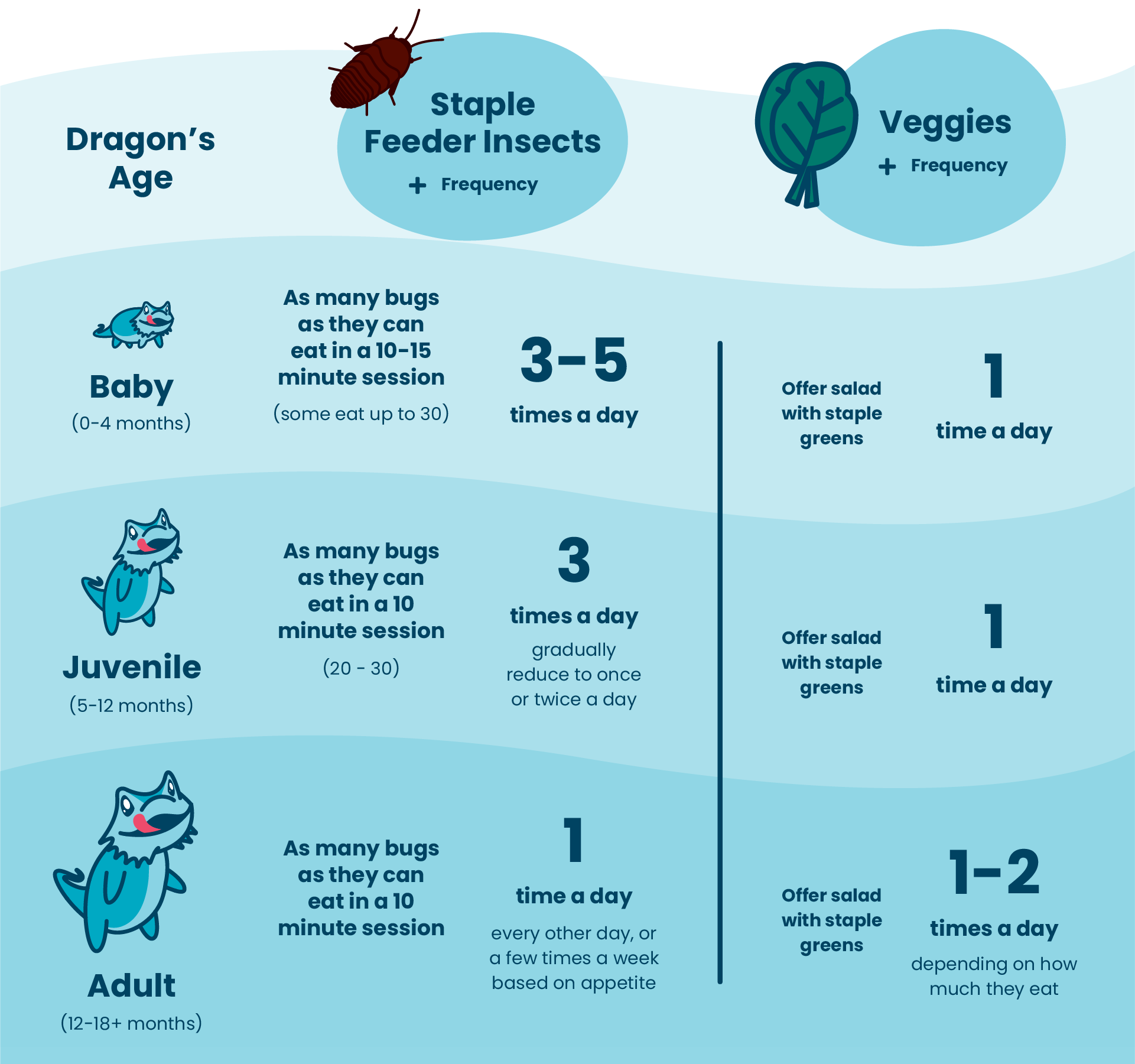
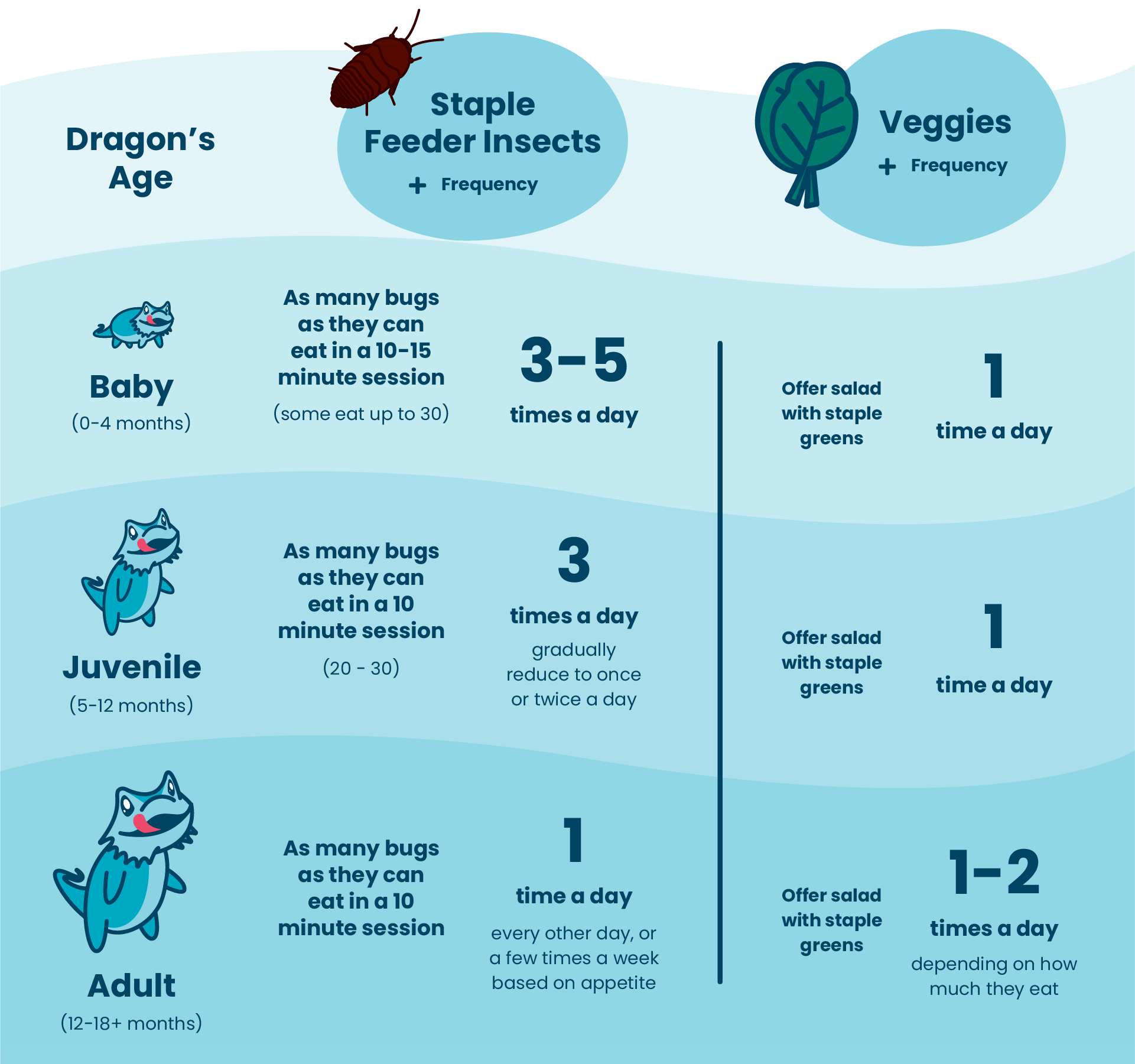
Feeding schedules need to adapt as your dragon grows. Babies (0-6 months) require frequent, small meals – typically 2-3 times a day, consisting of approximately 80% insects and 20% greens. Juveniles (6-12 months) can be fed 1-2 times a day, shifting the ratio to 60% insects and 40% greens.
Adults (12+ months) should be fed once a day or every other day, with a diet consisting of 20% insects and 80% plant matter. Seniors may benefit from smaller, more frequent meals to aid digestion. Dragon's Diet offers a helpful chart, but remember these are starting points.
A sample meal for a juvenile might include 10-15 appropriately sized crickets or BSFL, along with a generous helping of chopped collard greens, butternut squash, and a small slice of strawberry. For an adult, this could be 5-8 insects and a larger portion of greens and vegetables. Common feeding mistakes include offering too much protein, not providing enough variety, and failing to dust insects with calcium and vitamin D3.
Here's a quick FAQ:
- Q: My dragon won't eat greens! What should I do? A: Try finely chopping them and mixing them with a small amount of fruit. You can also offer different types of greens to find one they prefer.
- Supplement with calcium every feeding. If your UVB setup is older than six months, use D3 twice a week.
- Q: Can bearded dragons eat fruit? A: Yes, but in moderation. Fruit should only make up a small percentage of their diet due to its high sugar content.
Content is being updated. Check back soon.
Supplements: What's Really Necessary?
Calcium and vitamin D3 supplementation are often necessary, especially if your dragon doesn’t have access to adequate UVB lighting. UVB is essential for calcium absorption, but even with UVB, supplementation can help ensure they receive enough. Choose a high-quality calcium powder and dust insects with it before feeding.
The debate around multivitamin supplements is ongoing. While they can provide additional nutrients, they are not always necessary if your dragon is receiving a varied and balanced diet. Over-supplementation can actually be harmful, leading to vitamin toxicity. I recommend consulting with a veterinarian before adding any multivitamin supplements to your dragon’s diet.
Look for supplements from reputable brands like Zoo Med or Arcadia. Avoid products with excessive fillers or artificial ingredients. Remember, a well-planned diet should be the foundation of your dragon’s health, with supplements used to address specific deficiencies.
Monitoring and Adjusting: Observing Your Dragon
The best way to ensure your dragon is thriving is to carefully observe their health and adjust their diet accordingly. Signs of a healthy dragon include bright, clear eyes, active behavior, a firm and healthy stool, and a good appetite. Watch for any changes in these areas.
Signs of potential problems include lethargy, weight loss, diarrhea, loss of appetite, or swollen limbs. If you notice any of these symptoms, consult a veterinarian immediately. Every dragon is an individual, and their dietary needs may vary. Be prepared to experiment with different foods and adjust the diet based on their specific response.
Ultimately, providing a complete and balanced diet is an ongoing process of learning and adaptation. Staying informed about the latest research and paying close attention to your dragon’s individual needs will ensure they live a long and healthy life.
No comments yet. Be the first to share your thoughts!