

Updated feeding standards
Bearded dragon care has moved away from the insect-heavy diets common in 2020. We used to think bugs were the priority, but current data shows that overfeeding protein at the expense of greens leads to long-term health issues. The balance is shifting toward a plant-first approach for adults.
An ideal ratio depends on the dragon's age and activity level. While there isn't one universal rule, recent observations suggest we need to be more specific about metabolism and life stages rather than using a one-size-fits-all feeding schedule.
Recent studies are showing that adult bearded dragons, in particular, benefit from a significantly higher proportion of plant matter than previously thought. We’re also learning more about the nutritional profiles of different insect species and the importance of proper gut-loading techniques. It’s a fascinating time to be a bearded dragon keeper, and I want to share the most current information available.
This guide will go beyond the basics of Dubia roaches and collard greens. My goal is to equip you with the knowledge to create a varied, nutritious, and enriching diet that will help your bearded dragon live a long and healthy life. We’ll cover everything from insect sourcing to leafy green selection, and even explore the role of supplemental vitamins.
Protein sources beyond dubia roaches
Dubia roaches remain a gold standard for bearded dragon insect protein. They’re relatively easy to breed, readily available, and have a good nutritional profile. However, relying solely on Dubia roaches can lead to nutritional imbalances. It’s important to diversify your dragon’s insect intake whenever possible.
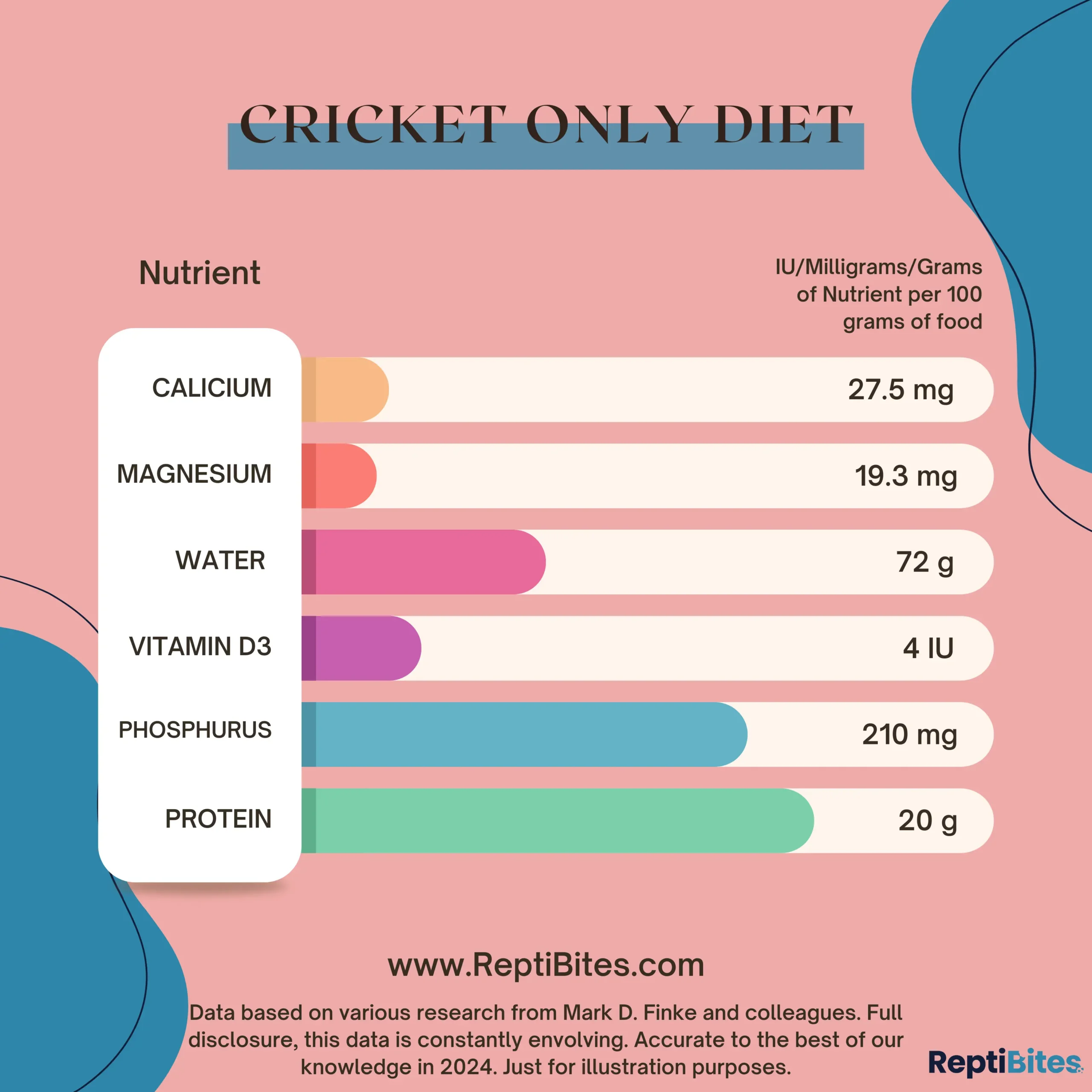
Black soldier fly larvae are high in calcium, which reduces the need for heavy supplement dusting. Crickets are still common, but they are nutritionally empty unless you gut-load them with high-quality greens and grains for 24 hours before feeding.
Silkworms are a fantastic treat, high in protein and moisture. They’re also relatively easy to digest. Hornworms, while expensive, are excellent for helping a dragon gain weight or recover from illness. They’re very palatable and packed with nutrients. However, don’t make them a staple; the cost is prohibitive, and their high moisture content isn’t ideal for everyday feeding.
Sourcing high-quality insects can be a challenge. Many commercially available insects are raised on poor diets, resulting in lower nutritional value. I recommend finding a reputable breeder who prioritizes insect health and nutrition. Don't be afraid to ask questions about their feeding practices. Regardless of the insect source, always dust with a calcium supplement with D3 a few times a week, especially for younger dragons.
- Dubia roaches are a reliable protein staple.
- Black Soldier Fly Larvae: High in calcium, good alternative to Dubia.
- Crickets: Requires gut-loading for optimal nutrition.
- Silkworms: High in protein and moisture, good as a treat.
- Hornworms: Excellent for weight gain, but expensive.
Nutritional Content of Common Bearded Dragon Insect Feeders
| Insect Type | Protein (%) | Fat (%) | Calcium (%) | Chitin (%) | Gut-Loading Potential |
|---|---|---|---|---|---|
| Dubia Roaches | 36-60% | 18-22% | 0.4% | 7-10% | High |
| Crickets | 22-28% | 12-18% | 0.18-0.3% | 6-9% | Medium |
| Black Soldier Fly Larvae (BSFL) | 40-45% | 30-35% | 0.2-0.4% | 8-12% | Medium |
| Silkworms | 50-60% | 15-20% | 0.5-0.8% | 2-4% | High |
| Hornworms | 40-45% | 30-35% | 0.1-0.2% | 7-10% | Medium |
Illustrative comparison based on the article research brief. Verify current pricing, limits, and product details in the official docs before relying on it.
Greens and vegetables
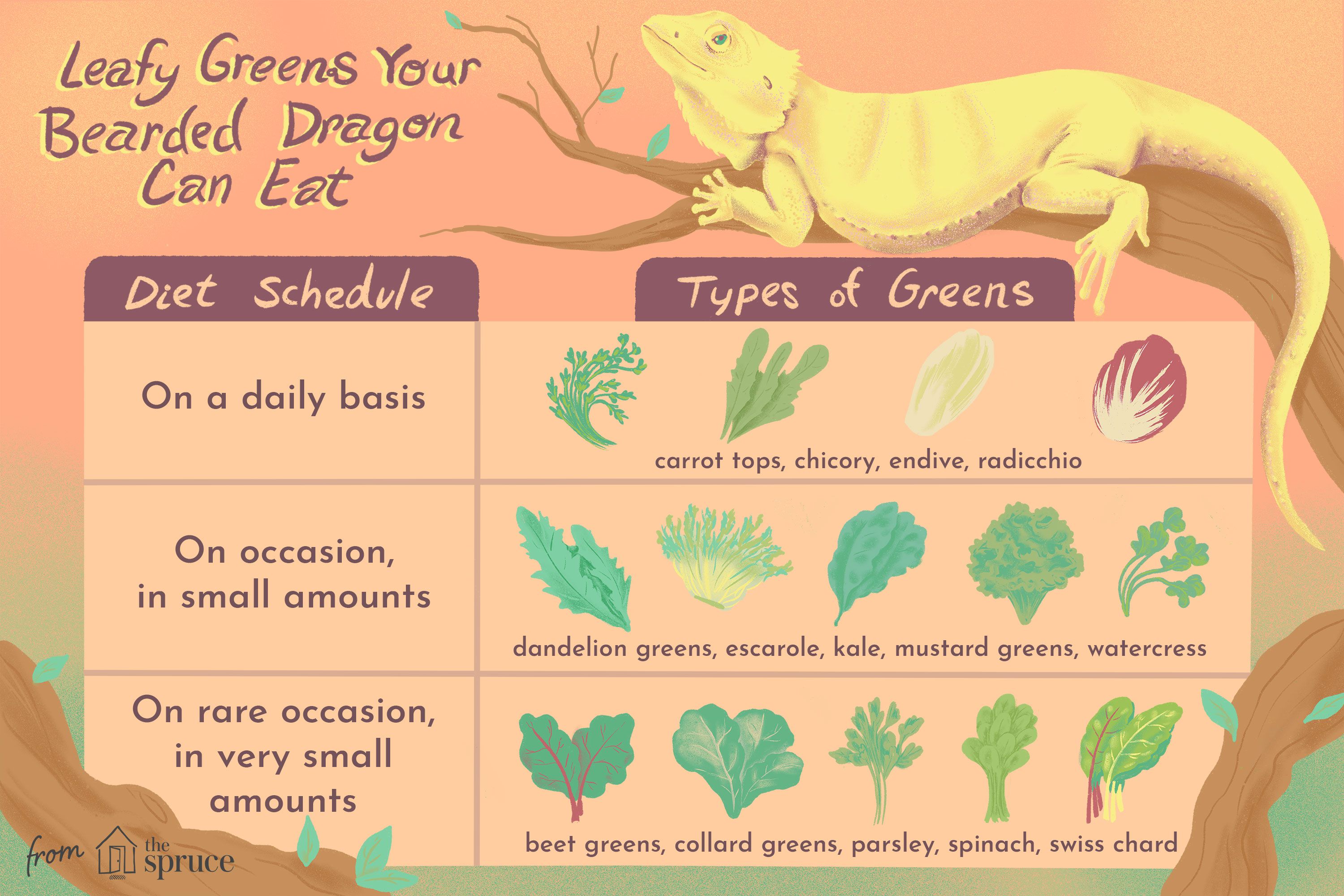
The old advice of sticking to just collard greens and mustard greens is outdated. Bearded dragons benefit from a wide variety of leafy greens and vegetables. This diversity ensures they receive a broader range of vitamins and minerals. Variety truly is the spice of life, even for a reptile.
Calcium-rich greens like collard greens, mustard greens, turnip greens, and dandelion greens should form the base of your dragon’s plant-based diet. Vitamin A-rich options include butternut squash, sweet potato (cooked), and carrot greens. Hydrating choices include endive, escarole, and romaine lettuce (though romaine is lower in nutritional value, so use it as a supplement).
Preparation matters. Finely chop or shred greens to make them easier to digest. Steaming tougher vegetables like butternut squash can also improve digestibility. Offer a fresh salad daily, rotating through different greens and vegetables to provide variety. Don’t overwhelm your dragon with too much food at once; start with small portions.
There’s been concern about oxalates and goitrogens in certain greens. Oxalates can bind to calcium, reducing its absorption. Goitrogens can interfere with thyroid function. While these are valid concerns, a varied diet and proper calcium supplementation can mitigate the risks. Avoid feeding large amounts of spinach, kale, or broccoli, and always offer a calcium supplement.
- Collard, mustard, turnip, and dandelion greens provide necessary calcium.
- Vitamin A-Rich: Butternut squash, sweet potato (cooked), carrot greens
- Hydrating: Endive, escarole, romaine lettuce
- Occasional Treats: Bell peppers, green beans (cooked)
Food Rating Guide
- Recommended - These foods should form the bulk of your bearded dragon’s diet. They offer excellent nutritional value and are easily digestible. Examples include: Black Soldier Fly Larvae (BSFL), collard greens, mustard greens, turnip greens.
- Okay in Moderation - These foods can be offered a few times a week as part of a varied diet. They may lack certain nutrients found in 'Recommended' foods or require more careful monitoring. Examples include: Butternut squash, bell peppers (all colors), waxworms (treat only, high in fat), blueberries.
- Avoid - These foods are potentially harmful to bearded dragons and should *never* be fed. They can cause impaction, toxicity, or other health problems. Examples include: Avocado, rhubarb, iceberg lettuce, fireflies.
- Insect Protein - BSFL (Black Soldier Fly Larvae) - Increasingly recognized as a staple due to its high calcium to phosphorus ratio, crucial for preventing Metabolic Bone Disease. Can be gut-loaded with nutritious foods for added benefit.
- Staple Greens - Collard Greens - Excellent source of calcium and other vital nutrients. Should make up a significant portion of the plant matter in a juvenile and adult bearded dragon’s diet.
- Occasional Treat - Waxworms - High in fat and should only be offered as an infrequent treat (a few per week at most) to prevent obesity and liver issues. Use for encouraging eating in sick dragons.
- Dangerous Food - Avocado - Contains persin, a toxin that is harmful to bearded dragons. Can cause vomiting, diarrhea, and potentially more serious health complications.
- Fiber Source - Pumpkin - Provides fiber and hydration. Good for aiding digestion, but should be offered in moderation due to its carbohydrate content.
New insect to plant ratios
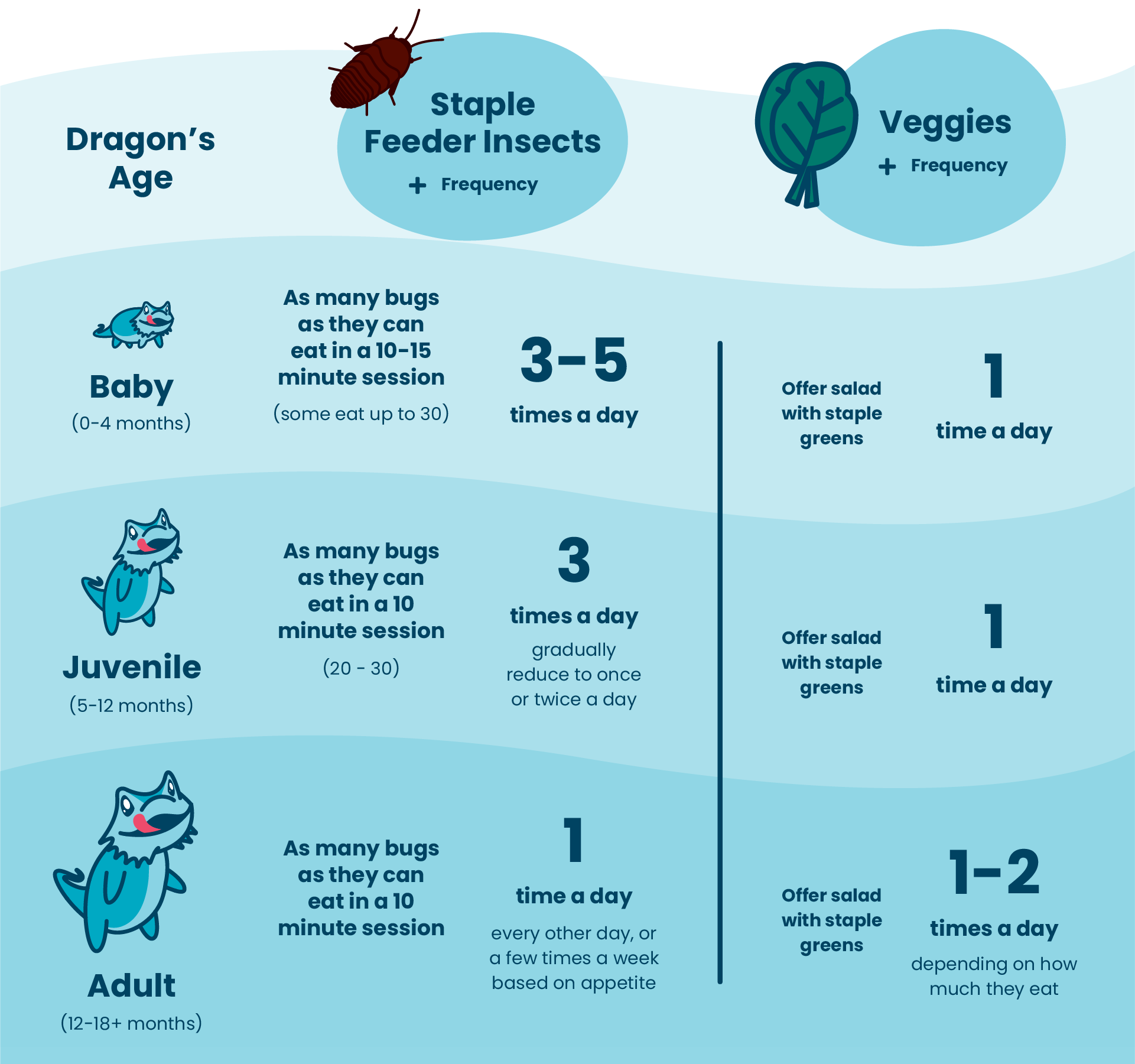
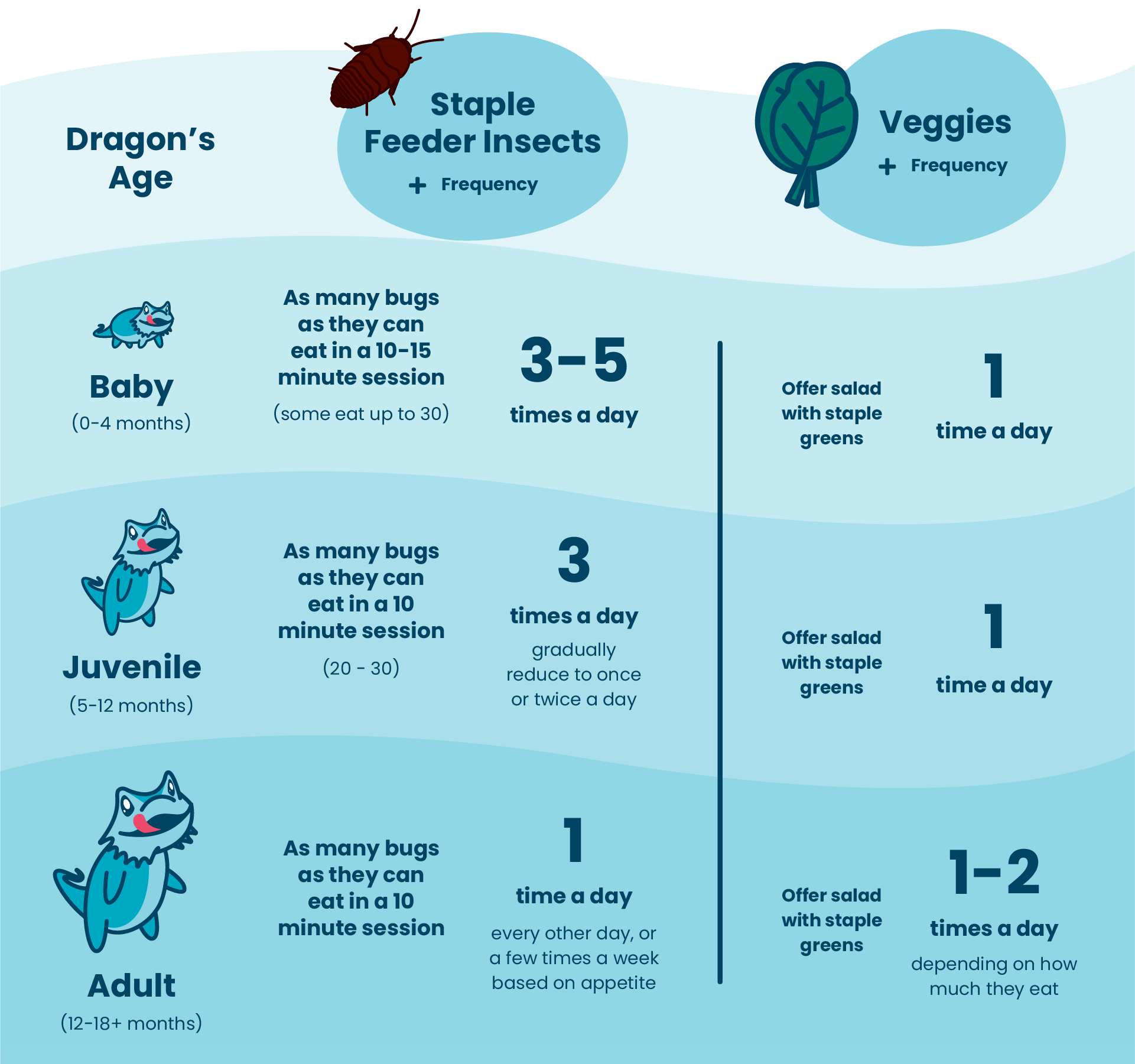
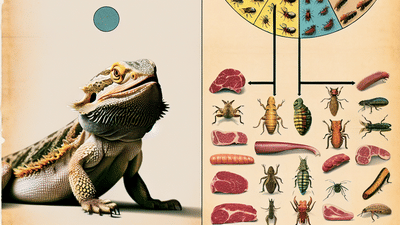
The research is evolving, but a general consensus is emerging: younger bearded dragons require a higher proportion of insects, while adults benefit from a more plant-heavy diet. For hatchlings and juveniles (under 6 months), a ratio of around 80% insects to 20% plant matter is a good starting point. As they grow, gradually decrease the insect portion and increase the plant portion.
For adults (over 18 months), the ideal ratio is closer to 20% insects and 80% plant matter. However, this is a guideline, not a rigid rule. An active dragon will likely need more protein than a sedentary one. A dragon recovering from illness or injury may also require a temporary increase in insect intake.
Monitoring your dragon’s weight and body condition is crucial. You should be able to feel their ribs, but they shouldn’t be prominently visible. If your dragon is losing weight, increase the insect portion. If they’re gaining too much weight, decrease it. Regular veterinary checkups are also essential for monitoring their overall health.
I've seen some keepers use online calculators to help determine appropriate feeding amounts, but these should be used with caution. They often don’t account for individual variations. The best approach is to observe your dragon closely and adjust the diet accordingly. Remember, we’re aiming for a healthy weight and a vibrant appearance.
Supplements: Beyond Calcium & D3
Calcium and vitamin D3 supplementation are non-negotiable, especially for growing dragons. Without adequate calcium, they’re prone to metabolic bone disease. However, there’s growing interest in other potential supplements. Multivitamins can help fill any nutritional gaps, but they shouldn’t be used as a substitute for a varied diet.
Probiotics may improve gut health and digestion, potentially enhancing nutrient absorption. Omega-3 fatty acids can contribute to healthy skin and coat. However, the research on these supplements is still limited, and it’s important to proceed with caution. Over-supplementation can be harmful.
There’s some controversy surrounding certain supplements, particularly those marketed for specific health conditions. Always consult with a veterinarian before adding any new supplements to your dragon’s diet. They can assess your dragon’s individual needs and recommend appropriate supplementation.
Choosing high-quality supplements is essential. Look for reputable brands that undergo third-party testing to ensure purity and potency. Avoid supplements with unnecessary fillers or additives. Follow the dosage instructions carefully, and don’t exceed the recommended amount.
Hydration: Water Sources & Strategies
Hydration is often overlooked, but it’s absolutely crucial for bearded dragon health. Dehydration can lead to impaction (a blockage in the digestive tract) and kidney problems. Providing adequate water sources is essential.
A shallow water bowl is a good starting point, but many dragons won’t readily drink from a bowl. Misting your dragon with water encourages them to drink droplets from their snout. You can also gently drip water onto their snout using a syringe or eyedropper.
Hydrating foods, like fruits and vegetables with high water content, can also contribute to their daily fluid intake. Offer small pieces of watermelon, berries, or cucumber a few times a week. Remember that these should be offered as treats, not as a primary source of hydration.
Consistent hydration is something I continually emphasize to new dragon owners. Check your dragon’s hydration status by gently pinching the skin on their back. If it doesn’t snap back quickly, they may be dehydrated.
What is your primary challenge when managing your bearded dragon's diet?
Based on the latest 2026 research regarding insect protein and plant ratios, we want to know which area of nutrition you find most difficult to manage for your pet.
No comments yet. Be the first to share your thoughts!