

The 2026 Smart Vivarium
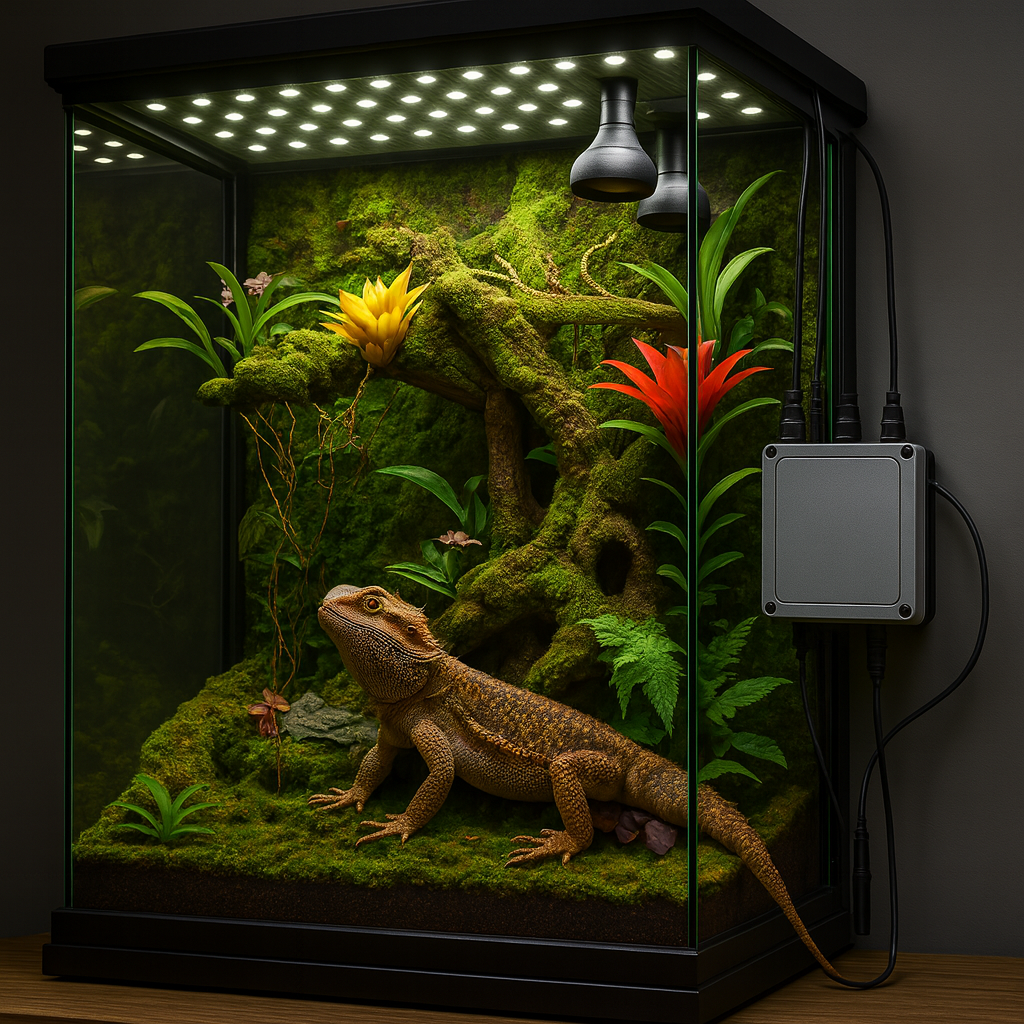
Bearded dragon care is changing. We're moving from just watching our pets to using technology for more precise and proactive care. The 'smart vivarium' is leading this change – a fully integrated enclosure with sensors, automated controls, and artificial intelligence. It's a big step up from simple heat lamps and substrate.
For years, responsible ownership meant diligently monitoring temperatures with thermometers and humidity with gauges. Now, these measurements are taken continuously and automatically. This isn’t just about convenience; it’s about creating an environment that consistently meets your dragon’s needs. Data-driven pet care is a growing trend, and bearded dragons are benefitting.
A smart vivarium costs more upfront than a traditional setup, but the long-term benefits – improved health, reduced stress for your dragon, and peace of mind for you – are substantial. We're moving beyond simply providing for our pets to actively optimizing their lives with available tools. This is relevant as more people seek detailed information about proper care, shown by the popularity of resources like DragonFreak.com.
AI-Driven Health Monitoring
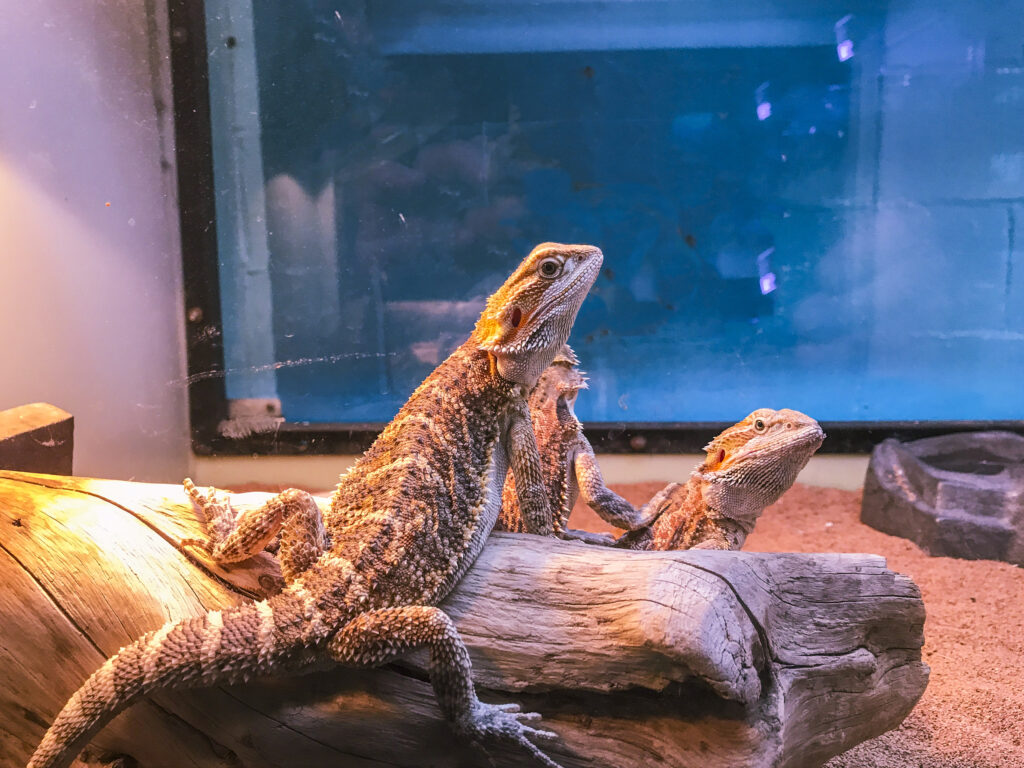
Artificial intelligence is changing bearded dragon health monitoring. While new, it has significant potential for early disease detection. This technology relies on wearable sensors, though dragon-sized devices are still developing as of late 2026. Several companies are experimenting with lightweight, biocompatible sensors that attach to a dragon’s harness or integrate into their enclosure.
These sensors track biometrics like activity levels, heart rate, respiration rate, and subtle body temperature changes. The data transmits wirelessly to an AI algorithm that analyzes it for deviations from the dragon’s baseline. This identifies early warning signs of illness or stress before they become apparent. Imagine being alerted to a potential respiratory infection based on a slight decrease in activity and a subtle change in breathing pattern.
Data privacy is a legitimate concern. Any system collecting personal health data must prioritize security and transparency. Reputable companies will offer clear policies on data storage, access, and usage. AI is not a substitute for veterinary care. These systems are designed to supplement regular checkups, not replace them. The University of California, Davis School of Veterinary Medicine’s resources on bearded dragon health (healthtopics.vetmed.ucdavis.edu) remain essential for understanding proper care.
Currently, the market offers a few prototype systems. The "ReptiGuard’ sensor suite promises baseline tracking and anomaly detection but requires a subscription. The ‘ScaleSense" platform uses image analysis to assess body condition, but its accuracy is still being evaluated. The field is rapidly evolving, and we expect more sophisticated and affordable options in the coming years.
- Activity Tracking: Monitors movement to detect changes in behavior.
- Heart Rate Monitoring: Identifies potential cardiovascular issues.
- Respiration Rate Analysis: Detects early signs of respiratory infections.
- Temperature Fluctuations: Flags deviations from optimal body temperature.
Automated Environmental Control
The 'smart' aspect of the vivarium extends beyond health monitoring to environmental control. Automated systems precisely regulate temperature, humidity, and UV index, creating an ideal habitat for your bearded dragon. This level of control is crucial for preventing metabolic bone disease (MBD) and other health problems from improper husbandry. UCDavis vetmed resources emphasize a proper temperature gradient, with a basking spot reaching 95-105°F and a cool side around 75-85°F.
Modern thermostats and humidistats communicate wirelessly, allowing remote monitoring and adjustment via a smartphone app. Some systems learn your dragon’s preferences over time, automatically adjusting settings based on its behavior and the ambient room temperature. This eliminates constant manual adjustments and ensures a stable environment. Systems like the "EcoTerrarium’ controller and the ‘Zoo Med ReptiTemp Connect" offer these features.
UVB lighting is equally important, and smart systems can monitor UV output and alert you when it’s time to replace bulbs. Maintaining proper UVB levels is essential for vitamin D3 synthesis and calcium absorption. Automated systems can also control misting and fogging, maintaining optimal humidity levels without over saturating the enclosure. Even with automation, regular calibration and maintenance are essential.
- Temperature Control: Precise regulation of basking spot and cool side temperatures.
- Humidity Regulation: Automated misting and fogging systems.
- UV Index Management: Monitoring and alerts for UVB bulb replacement.
- Remote Monitoring: Access and control via smartphone app.
Choosing the Right Heating/Lighting Setup
| Heating/Lighting Type | Cost | Lifespan | Heat Output | UVB Output | Suitability |
|---|---|---|---|---|---|
| Heat Lamps | Moderate | Shorter | High | None | Good for creating basking spots, best for juvenile dragons needing higher temperatures. |
| Ceramic Heat Emitters | Moderate | Moderate | High | None | Excellent for nighttime heating without light disturbance, suitable for all ages. |
| UVB Bulbs (Mercury Vapor) | Higher | Moderate | Moderate | Good | Provides both heat and UVB, a convenient all-in-one option, requires replacement every 6-12 months. |
| UVB Bulbs (Linear/Tube) | Moderate | Longer | Low | Excellent | Best for providing a broad UVB gradient across the enclosure, requires separate heat source. |
| LED Lighting | Lower | Very Long | Very Low | None (requires separate UVB) | Ideal for visual lighting, energy efficient, but does *not* provide heat or UVB. |
| Fluorescent Lighting | Lower | Moderate | Low | Moderate | Can provide some UVB, but generally less effective than mercury vapor or linear bulbs, requires more frequent replacement than LEDs. |
Qualitative comparison based on the article research brief. Confirm current product details in the official docs before making implementation choices.
Diet Optimization with Data
Technology is also optimizing a bearded dragon’s diet. Automated feeders dispense pre-programmed portions of insects or greens at scheduled times, ensuring consistent feeding and preventing overfeeding. These feeders, like the "Arcadia FeedSmart’ model, can be controlled remotely and adjusted based on your dragon"s age, weight, and activity level.
Several apps and platforms are emerging that allow owners to track food intake and nutritional balance. These tools help you ensure your dragon is receiving a varied and complete diet. While fully AI-powered dietary recommendations are still in development, the potential exists to analyze a dragon’s weight, activity level, and health data to suggest personalized diet adjustments.
An AI could identify a pattern of weight loss despite consistent feeding and recommend increasing the protein content of the diet. This proactive approach could help prevent nutritional deficiencies and improve overall health. It is crucial to always consult with a veterinarian before making significant changes to your dragon’s diet. DragonFreak.com’s existing diet guides provide a solid foundation for understanding nutritional requirements.
Decoding Dragon Behavior
A system that could understand what your bearded dragon is trying to tell you is becoming possible with AI-powered video analysis, though it's still nascent. By analyzing subtle body language cues – head bobs, arm waving, beard puffing, and even changes in eye shape – AI algorithms can potentially recognize signs of stress, contentment
This technology could be particularly useful for remote monitoring while owners are away, providing peace of mind and allowing for early intervention if a problem arises. However, accurately interpreting animal behavior is incredibly complex. Current technology struggles with nuances and context, and misinterpretations are common. A seemingly relaxed posture might actually indicate subtle discomfort, and vice versa.
The Facebook group dedicated to bearded dragon care (facebook.com/groups/BeardedDragonCare) often features discussions about interpreting dragon behavior, highlighting the challenges even experienced owners face. While AI can assist, it’s unlikely to replace the intuitive understanding that comes from spending time observing your dragon. For now, consider AI-powered video analysis as a supplementary tool, not a definitive diagnostic method.
Troubleshooting Common Tech Issues
Like any technology, smart vivarium systems are prone to occasional glitches. Connectivity issues, sensor malfunctions, software bugs, and data security concerns are all potential problems. A common issue is Wi-Fi interference, which can disrupt communication between sensors and the control hub. Ensuring a strong and stable Wi-Fi signal is crucial.
Sensor malfunctions can be identified by cross-referencing readings with a manual thermometer or hygrometer. Software bugs can often be resolved by updating the system’s firmware. Data security is paramount, so choose reputable brands with robust security protocols. Regularly update passwords and be cautious about sharing access to your system.
Most manufacturers offer online support resources, including FAQs, troubleshooting guides, and contact information for technical assistance. It’s also helpful to consult online forums and communities for advice from other users. Remember to keep a record of your system’s settings and configurations in case you need to reset or reconfigure it.
- Connectivity Issues: Ensure a strong Wi-Fi signal.
- Sensor Malfunctions: Cross-reference with manual readings.
- Software Bugs: Update firmware regularly.
- Data Security: Use strong passwords and reputable brands.
Future Trends in Reptile Tech
The future of bearded dragon care technology is brimming with possibilities. We can expect to see advancements in sensor technology, leading to smaller, more accurate, and less intrusive devices. AI algorithms will become more sophisticated, capable of interpreting complex behaviors with greater accuracy. Automated systems will become even more integrated and intuitive.
One exciting possibility is the integration of virtual reality (VR) or augmented reality (AR) for enrichment and training. VR could be used to create stimulating environments, while AR could overlay information about your dragon’s health and behavior onto your view of the enclosure. Imagine pointing your phone at your dragon and seeing a real-time display of its heart rate and body temperature.
However, these advancements raise ethical considerations. How much control should we have over our pets’ lives? Is it possible to create an environment that is too perfect, depriving them of natural challenges and opportunities for exploration? These are important questions to consider as we continue to push the boundaries of reptile technology. We must prioritize the dragon’s wellbeing above all else, ensuring that technology serves to enhance, not replace, responsible care.
What future tech are you most excited about for bearded dragon care?
Smart technology is changing the way we care for our bearded dragons. From AI-powered health monitoring that could detect early signs of illness to automated tank systems that maintain ideal temperatures and humidity, the future of reptile care is evolving fast. We want to hear from you — which emerging technology would make the biggest difference in how you care for your bearded dragon? Vote below!
Choosing the Right Setup for You
The options for bearded dragon setups range from basic to fully automated. A traditional setup with a heat lamp, UVB bulb, and thermometer is perfectly adequate for providing proper care, and is the most affordable option. A mid-range setup might include a digital thermostat and hygrometer for more precise control. A fully automated smart vivarium represents the highest level of technology and investment.
The right choice depends on your budget, lifestyle, and commitment level. If you’re a hands-on owner who enjoys meticulously monitoring your dragon’s environment, a traditional or mid-range setup might be sufficient. If you’re a busy professional or simply prefer the convenience of automation, a smart vivarium could be a good fit. No matter which setup you choose, prioritize your dragon’s needs above all else.
Remember that technology is a tool, not a substitute for knowledge and dedication. Thoroughly research bearded dragon care requirements and consult with a veterinarian before making any decisions. DragonFreak.com’s buying guides offer valuable information on selecting the right equipment for your needs. Ultimately, a happy and healthy dragon is the result of responsible ownership, regardless of the technology involved.

No comments yet. Be the first to share your thoughts!