

Spotting Differences: Male vs. Female
Figuring out if your bearded dragon is male or female is tough, especially when they're young. It gets easier as they grow, but juveniles are hard to pin down. The differences aren't always clear, and focusing on just one trait can lead to mistakes.
Knowing your dragon's sex matters for good pet ownership. It's essential if you plan to breed. Even if not, understanding potential differences in behavior and physical traits helps you provide better care and anticipate sex-specific health issues.
We'll cover the best ways to identify your bearded dragon's gender. Patience is key; don't get discouraged if you can't tell right away. It takes time and observation. Combining factors, not just one trait, gives the most accurate result.
Hemipenal Bulges: The Primary Indicator
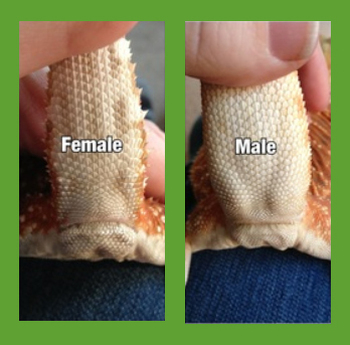
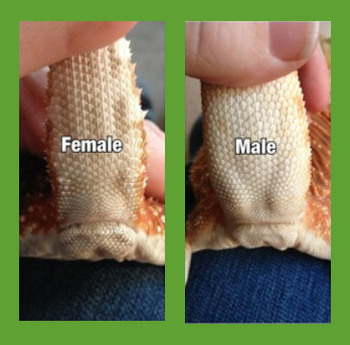
The best way to tell a bearded dragon's sex is by looking for hemipenal bulges. These are the male reproductive organs, appearing as slight swellings at the base of the tail, near the vent. It's a subtle widening just before the tail tapers.
To check for these bulges, gently hold your dragon and examine the area. Avoid squeezing or applying pressure to prevent stress or discomfort. Look for two distinct bumps. Gently feeling along the base of the tail can help. It's subtle, so don't worry if it's hard to see at first.
Hemipenal bulges are hard to spot on young dragons because they haven't fully developed. The swellings can be faint or missing. As your dragon matures, these bulges become more obvious, making sexing much easier. The Petco guide notes they are located at the base of the tail, near the vent.
Not all males have equally prominent bulges; some are more subtle. However, the presence of bulges strongly suggests a male. No swelling makes it less likely to be male, but more investigation is needed.
Ventral Scales: A Closer Look
Besides hemipenal bulges, ventral scales (on the underside near the vent) offer clues. Males usually have a row of slightly darker, enlarged scales just before the vent, called a preanal pore.
The preanal pore isn't a hole but more prominent scales than the surrounding ones, often appearing bumpy or ridged. Its visibility increases with age and maturity.
However, no preanal pore doesn't automatically mean your dragon is female. Juvenile males might not have a developed pore yet, and some females can have slightly enlarged ventral scales that look like one. It's just one piece of the puzzle, not a definitive answer.
Carefully observe the scales here, looking for a clear distinction between the preanal scales and surrounding ones. Compare your findings with other indicators, like hemipenal bulges, for a more accurate assessment.
Tail Shape & Size: Subtle Clues
Tail shape and size offer subtle clues but are the least reliable sexing method. Males generally have wider tails at the base due to hemipenal bulges, most noticeable from above.
Females usually have more slender, tapered tails. This difference isn't always apparent, and individual variation is significant. A dragon's diet, health, and body condition also affect tail size.
Consider tail shape and size with other indicators. Don't rely on this characteristic alone to determine sex, as focusing on it in isolation can lead to misidentification.
Look at overall body proportions. Is the tail noticeably wider at the base than the rest of the body? Combined with other indicators, this might suggest a male, but it's just one piece of the puzzle.
Behavioral Differences: What You Might Observe
While not definitive, you might see behavioral differences. Males are often more prone to dominant behaviors like head-bobbing and black beard displays, especially around other males or potential mates.
Females, especially during breeding season, may be more receptive and tolerant of male advances. However, individual personality and environmental factors heavily influence these behaviors.
A dragon's behavior is affected by upbringing, social interactions, and health. A shy male might not show dominant behaviors, and a confident female might display traits usually associated with males.
null
Sexing at Different Ages: A Timeline
The accuracy of sexing a bearded dragon increases significantly with age. It’s nearly impossible to accurately sex hatchlings or very young juveniles (under 6 months). Their reproductive organs are still developing, and the physical characteristics are often too subtle to discern.
As they grow (6-9 months), hemipenal bulges and preanal pores begin to become more visible. This is when you can start to make a more informed assessment, but it still requires careful observation and comparison.
By the time your dragon reaches 1 year of age, sexing is usually quite reliable. The physical characteristics are fully developed, making it much easier to identify the presence of bulges and pores. You’ll have a much clearer picture of your dragon’s gender at this stage.
The Cold Blood Creations video on YouTube provides a helpful visual demonstration of how these features develop over time. Watching the video can give you a better understanding of what to look for at different stages of growth.
When to Seek Expert Help
If you’re unsure about your dragon’s sex, or if you’re uncomfortable attempting to sex it yourself, don’t hesitate to seek expert help. A veterinarian experienced with reptiles is the best resource for accurate sexing.
Experienced breeders and active members of bearded dragon communities can also provide valuable insights. They’ve likely encountered many dragons at different stages of development and can offer a second opinion.
However, always prioritize your dragon’s well-being. Avoid any handling or examination that causes stress or discomfort. A gentle and patient approach is essential. If your dragon is showing signs of distress, stop immediately.
Remember, accurate sexing isn't always critical. If you're simply curious, it's fine to wait until your dragon is older and the characteristics are more obvious. Prioritize your dragon’s comfort and well-being above all else.
Common Mistakes & Misconceptions
One common mistake is relying solely on size or color to determine a dragon’s sex. While there can be slight size variations, they are not reliable indicators. Color morphs don't impact sex. These factors are influenced by genetics, diet, and overall health.
Another misconception is that all males have prominent hemipenal bulges, and all females have perfectly smooth tails. Individual variation exists, and some males may have subtler bulges than others. Similarly, some females might have slightly wider tails.
It’s crucial to look at multiple indicators – hemipenal bulges, preanal pores, tail shape, and even behavioral observations – to form a comprehensive assessment. Don’t base your conclusion on a single trait.
Bearded Dragon Lady addresses many frequently asked questions and common concerns about sexing bearded dragons. Their resources emphasize the importance of patience and careful observation. Remember, sexing juveniles is difficult, and it’s okay to be uncertain. Don't rush the process.

No comments yet. Be the first to share your thoughts!