

Beyond a Decade: New Lifespan Data
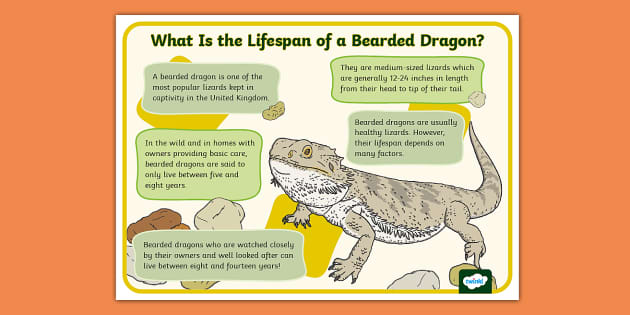
For years, the accepted bearded dragon lifespan hovered around 7-10 years. It was a figure repeated in care guides, shared among owners, and generally understood as the upper limit. But that understanding is shifting, and dramatically. Emerging research, primarily originating in 2026, is demonstrating that with optimized care, bearded dragons can routinely live well past 15 years, and increasingly, beyond 20 – even exceeding 25 years in some cases.
This isn’t a minor adjustment to existing estimates. We’re talking about potentially doubling the expected lifespan of these reptiles. The initial findings point to a combination of factors at play, including significant advancements in husbandry practices and a growing understanding of genetic predispositions. It's a pretty exciting time to be a beardie owner, or thinking about becoming one.
The research isn’t focused on a single, massive study, but rather a convergence of data from dedicated breeders, long-term observation projects, and increasingly precise veterinary diagnostics. What’s becoming clear is that the 'standard' care of even a decade ago falls short of what’s required to unlock a dragon's full longevity potential. We’re learning that subtle changes in environment and diet can have a profound impact on their overall health and lifespan.
It's important to remember that these longer lifespans aren’t guaranteed. They require a commitment to providing the absolute best possible care, staying abreast of new research, and being proactive about your dragon’s health. But the evidence is mounting: a 20+ year lifespan is no longer a hopeful dream, but a realistic possibility.
The Husbandry Revolution: What’s Changed?
The biggest driver of this increased lifespan is demonstrably improved husbandry. It's not enough to simply provide the basics; we now understand the precise requirements for optimal health. The most significant changes center around UVB lighting, temperature gradients, and enclosure design.
UVB lighting has undergone a revolution. Older, compact fluorescent bulbs provided inconsistent and often insufficient UVB exposure. Now, longer tube UVB bulbs, like the Arcadia T5 12% or Zoo Med ReptiSun 10.0, deliver a more consistent and effective output when properly mounted inside the enclosure. Proper placement is also critical – the bulb should be positioned at the correct distance to provide the appropriate UVB intensity without creating hot spots. A reflector is also essential to maximize the output.
Temperature gradients are equally important. Forget the single basking spot. Dragons need a range of temperatures to effectively thermoregulate. This means a hot basking spot around 100-110°F (38-43°C), a warm side around 85-90°F (29-32°C), and a cool side around 75-80°F (24-27°C). Precise temperature control is key, and digital thermometers are a must. Multiple basking spots, offering different heights and temperatures, allow the dragon to choose its preferred thermal environment.
Enclosure size also plays a role. A juvenile can start in a 40-gallon breeder tank, but an adult requires a minimum of a 75-gallon tank, with larger being better. More space allows for a more pronounced temperature gradient and provides opportunities for enrichment. Enrichment is key to minimizing stress – branches for climbing, rocks for basking, and digging boxes all contribute to a happier, healthier dragon.
Previously, many owners considered these recommendations 'nice to haves'. Now, we know they are non-negotiable for maximizing longevity. Simply put, 'good enough' is no longer sufficient. The margins for error have shrunk, and the standards for care have risen.
- Invest in a high-quality UVB tube light (Arcadia T5 12% or Zoo Med ReptiSun 10.0)
- Ensure proper UVB bulb placement and use a reflector.
- Create a precise temperature gradient with multiple basking spots.
- Provide a sufficiently large enclosure with enrichment items.
- Monitor temperatures and humidity with digital thermometers and hygrometers.
Diet and Supplementation: Fueling a Longer Life
Diet is the second major pillar of longevity. The traditional 80/20 rule – 80% insects, 20% greens – is a good starting point, but it needs refinement. Variety is crucial, both in insects and greens. Avoid relying solely on crickets; offer dubia roaches, black soldier fly larvae, and superworms (in moderation, due to their higher fat content).
Greens should include collard greens, mustard greens, turnip greens, dandelion greens, and occasionally, small amounts of fruit like blueberries or strawberries. Avoid spinach, kale, and other oxalates-rich greens, as they can bind calcium. Gut-loading insects is paramount. Feed them a nutritious diet of fresh vegetables and fruits for at least 24 hours before feeding them to your dragon. This ensures your dragon is receiving maximum nutritional value.
Supplementation is non-negotiable. A calcium supplement with D3 should be dusted onto insects at most feedings, especially for juveniles. A multivitamin supplement should be used 2-3 times per week. The specific formulation of the multivitamin is less important than consistency. Consider a calcium supplement that also contains vitamin A, as deficiencies are common.
We’re also learning more about the importance of gut health. Probiotics can help maintain a healthy gut microbiome, which aids in digestion and nutrient absorption. Some owners are experimenting with fecal transplants from healthy dragons to improve the gut health of their own, but this is still an experimental practice and should be approached with caution. Overfeeding is a major problem, leading to obesity and a shortened lifespan. Monitor your dragon’s weight and adjust feeding amounts accordingly.
Dietary Needs by Life Stage
| Life Stage | % Insects | % Greens | % Fruits | Supplementation Notes |
|---|---|---|---|---|
| Baby (0-6 months) | 80-90% | 10-20% | 0-10% | Daily D3 and Calcium with every feeding |
| Juvenile (6-12 months) | 50-60% | 30-40% | 10-20% | Calcium 3-4 times per week, D3 as directed by veterinarian |
| Adult (12-5+ years) | 20-30% | 60-70% | 10-20% | Calcium 2-3 times per week, Vitamin supplement as needed |
| Senior (8+ years) | 10-20% | 70-80% | 10-20% | Focus on easily digestible foods, Calcium 1-2 times per week, monitor D3 levels with vet |
| Baby (continued) | High | Low | Minimal | Ensure insect gut-loading for optimal nutrition |
| Juvenile (continued) | Moderate | Increasing | Moderate | Variety of greens is important for balanced diet |
| Adult (continued) | Low | High | Moderate | Offer a wide range of leafy greens and vegetables |
| Senior (continued) | Very Low | Very High | Moderate | Soften greens with water if needed for easier consumption |
Illustrative comparison based on the article research brief. Verify current pricing, limits, and product details in the official docs before relying on it.
Genetic Predisposition: Are Some Dragons Destined for More?
The question of genetic predisposition is gaining traction in the research community. While husbandry plays a massive role, it’s becoming increasingly clear that some dragons are simply "built’ to live longer than others. This isn"t to say that genetics are destiny, but they certainly appear to influence lifespan potential.
Selective breeding for specific traits, like color or pattern, is common in the bearded dragon hobby. However, intentional breeding for longevity is less prevalent, and the complexities of reptile genetics make it challenging. Identifying the specific genes responsible for longevity is proving difficult. Unlike mammals, reptiles have more complex genomes and slower reproductive rates, making genetic studies more challenging.
Anecdotal evidence from breeders suggests that dragons from certain lineages consistently live longer than others. Tracking lineages and documenting lifespans is becoming more common, but it’s still a relatively new practice. Some breeders are reporting that dragons descended from wild-caught specimens tend to be more robust and long-lived, but this is not universally observed.
The field is still in its early stages, and we’re far from being able to predict a dragon’s lifespan based on its genetics. However, it’s a promising area of research that could lead to even further advancements in bearded dragon care. For now, focusing on providing optimal husbandry remains the most effective way to maximize your dragon’s chances of a long and healthy life.
Recognizing Age-Related Health Issues
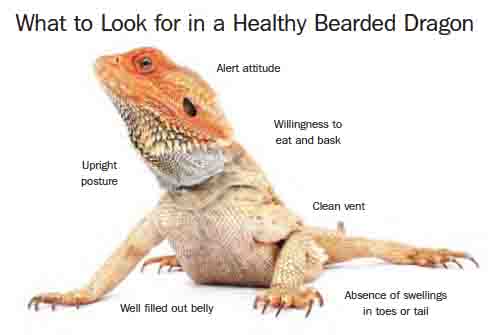
As bearded dragons age, they become more susceptible to certain health problems. Metabolic bone disease (MBD), often caused by calcium deficiency, remains a significant concern, even in older dragons. Signs include tremors, lethargy, and bone deformities. Kidney issues are also common, particularly in dragons who have been dehydrated or fed a poor diet. Symptoms can include weight loss, decreased appetite, and changes in urination habits.
Arthritis can develop in older dragons, causing joint pain and stiffness. This can be managed with pain medication and supportive care, such as providing soft surfaces and avoiding strenuous activity. Cataracts, a clouding of the lens of the eye, are also relatively common and can impair vision. While cataracts are not usually life-threatening, they can affect a dragon’s quality of life.
Preventative measures are key. Regular vet checkups, at least annually, are essential for early detection of health problems. Blood tests can help assess kidney function and calcium levels. Monitoring your dragon’s weight, appetite, and behavior can also provide valuable clues. Adjusting care protocols for senior dragons is crucial. This may involve offering softer foods, providing easier access to basking spots, and reducing stress.
Early detection and prompt treatment can significantly improve the quality of life for older bearded dragons. Don’t dismiss changes in behavior or physical condition as simply "old age." Consult with a reptile veterinarian to rule out underlying medical conditions and develop a tailored care plan. Remember, a proactive approach is the best way to ensure your dragon enjoys a long and comfortable life.
Community Insights: Dragons Living Long Lives
The Dragon Freak community is full of inspiring stories of dragons exceeding expectations. Take, for example, Bartholomew, owned by user "DesertDweller78’. Bartholomew recently celebrated his 23rd birthday, thriving on a diet of gut-loaded dubia roaches and a varied selection of greens. DesertDweller78 credits meticulous UVB setup and a stress-free environment for Bartholomew"s longevity.
Another member, "ScalesAndTails’, shared the story of their dragon, Luna, who is currently 21 years old. Luna"s secret, according to ScalesAndTails, is a consistent routine and a strong bond with her owner. Luna enjoys daily handling and enrichment activities, which keep her mentally stimulated and physically active.
These stories demonstrate that these longer lifespans are not just theoretical possibilities, but achievable realities. They also highlight the importance of dedication and attention to detail. These owners have gone above and beyond to provide their dragons with the best possible care, and their efforts have been rewarded with many years of companionship.
We’ve also received numerous questions from owners of older dragons, primarily regarding appetite changes and mobility issues. The consensus is that adjusting the diet to softer foods and providing supportive care, such as ramps and comfortable resting spots, can significantly improve their quality of life. It's a testament to the community's dedication to the wellbeing of their scaly companions.
Future Research & What It Means For You
Research into bearded dragon longevity is ongoing, with several promising avenues being explored. Gene editing technologies hold the potential to correct genetic predispositions to certain diseases, but this is still in the very early stages of development. Novel supplements, designed to support gut health and immune function, are also being investigated.
Advanced diagnostic tools, such as non-invasive imaging techniques, could allow for earlier detection of health problems, leading to more effective treatment. The ultimate goal is to develop a comprehensive understanding of the factors that influence lifespan and to translate that knowledge into practical care recommendations.
The 25+ year lifespan is possible, but it requires a commitment to providing the best possible care and a willingness to adapt to new knowledge. Stay informed, be proactive, and don’t be afraid to experiment (responsibly) with new techniques. The future of bearded dragon care is bright, and with continued research and dedication, we can unlock the full longevity potential of these amazing creatures.
For you, as a dragon owner, this means staying engaged with the Dragon Freak community, reading the latest research, and consulting with a qualified reptile veterinarian. It means being prepared to invest in high-quality equipment and supplements, and it means being patient and observant. The rewards – many more years of companionship with your beloved dragon – are well worth the effort.
No comments yet. Be the first to share your thoughts!