

Finding a healthy bearded dragon
Bringing a bearded dragon into your life is a rewarding experience, but it starts with finding a healthy individual. A healthy dragon will have bright, clear eyes and smooth, unblemished skin. They should be alert and responsive to their surroundings, and possess a good body condition – not overly thin or obese. Observing their behavior is just as important as their physical appearance; a healthy dragon will be active and curious, not lethargic or hiding constantly.
You have to decide between the convenience of a pet store and the quality of a private breeder. I've found that while a store lizard is easy to grab on a weekend whim, those cute faces often hide respiratory issues or parasites that show up a week later. Don't let a clean-looking scale pattern fool you.
Common health concerns to watch for include metabolic bone disease (MBD), which manifests as deformities in the limbs and jaw, and parasites, which can cause weight loss and lethargy. Respiratory infections are also relatively common, presenting as wheezing, nasal discharge, or open-mouth breathing. These aren’t necessarily dealbreakers, particularly if a breeder is transparent about them and has a plan for treatment, but they are things to be aware of.
I’ve seen firsthand how a poorly started dragon can lead to expensive vet bills and heartache down the line. Spending a little extra time and effort upfront to find a healthy dragon from a reputable source can save you a lot of trouble – and money – in the long run. Don’t hesitate to ask questions, request a vet check, and trust your instincts.

The reality of buying from pet stores
Large chain pet stores like PetSmart and Petco, as well as smaller local shops, offer the undeniable convenience of readily available bearded dragons. As of late 2026, you can typically expect to pay between $100 and $300 for a standard morph dragon from a pet store, though prices can fluctuate based on location and availability. This makes them an attractive option for those looking for a quick and easy purchase.
This convenience has a cost. Most chains buy from massive reptile mills where genetic health is an afterthought. You won't get a pedigree or a hatch date. Without knowing the parents, you're guessing at how big the dragon will get or if it carries a predisposition for bone disease.
Another concern is the level of care provided in pet stores. While most stores strive to maintain adequate conditions, the sheer number of animals they house can make it challenging to provide individualized attention and optimal husbandry. This can lead to stress and illness, which may not be immediately apparent. I’ve frequently observed dragons in pet stores exhibiting signs of stress, such as hiding or refusing to eat.
While I acknowledge the convenience, I maintain that pet stores aren’t usually the best place to find a truly thriving bearded dragon. The focus is often on volume and profit, rather than the long-term health and well-being of the animals. It’s not to say you can’t find a healthy dragon in a pet store, but you'll need to be extra diligent and prepared to potentially address health issues later on.
- They are easy to find and you can take one home the same day.
- Price: Typically between $100 - $300 (as of late 2026).
- Limited Genetic Diversity: Often sourced from large-scale breeding facilities.
- Unknown Lineage: Difficult to predict adult size or temperament.
Why I prefer ethical breeders
An ethical breeder prioritizes the health and temperament of their dragons above all else. They aren't primarily focused on producing rare or expensive morphs, although they may breed for specific traits. Transparency is key – they should be willing to openly discuss the lineage of their dragons, their breeding practices, and any potential health concerns. Proper husbandry is non-negotiable; their dragons should be housed in clean, spacious enclosures with appropriate heating, lighting, and enrichment.
A reputable breeder will also be knowledgeable about bearded dragon care and happy to answer your questions, even if they seem basic. They should be able to provide guidance on everything from proper diet and enclosure setup to recognizing signs of illness. They'll often offer a health guarantee, providing some assurance that your dragon is free from genetic defects or contagious diseases. This guarantee is a sign of confidence in their breeding program.
Finding these breeders takes a little more effort. MorphMarket.com is an excellent starting point, allowing you to search for breeders in your area and view their available dragons. Reptile expos are another great option, providing an opportunity to meet breeders in person and see their animals firsthand. Word of mouth is also invaluable – ask other reptile enthusiasts for recommendations.
Be prepared to pay a higher price for a dragon from an ethical breeder – typically between $300 and $800, depending on the morph and lineage. However, this price is usually justified by the breeder’s commitment to quality, health, and temperament. You’re not just buying a dragon; you're investing in a healthier, happier companion. I’ve consistently found that the long-term costs are lower with a well-bred dragon, as you're less likely to encounter serious health issues.
- Good breeders care more about the animal's health than producing a rare color.
- Transparency: Openly discusses lineage and breeding practices.
- Proper Husbandry: Maintains clean, spacious enclosures.
- Knowledgeable: Willing to answer questions and provide guidance.
- Health Guarantee: Offers assurance against genetic defects or disease.
Ethical Breeders vs. Pet Stores: A Comparison
| Characteristic | Ethical Breeder | Large Chain Pet Store | Local Pet Store |
|---|---|---|---|
| Transparency | High | Low | Medium |
| Health Focus | High | Medium | Medium |
| Husbandry Practices | Excellent | Fair | Good |
| Willingness to Answer Questions | Always | Sometimes | Often |
| Health Guarantees | Yes | Limited | No |
| Bearded Dragon Source | Often captive-bred with documented lineage | Frequently mass-produced from mills | Variable, can be captive-bred or sourced from mills |
| Selection | May have limited morph selection, focused on health | Large selection of morphs, quality varies | Moderate selection, quality varies |
| Price Range | Generally higher initial cost | Typically lower initial cost | Moderate price range |
Illustrative comparison based on the article research brief. Verify current pricing, limits, and product details in the official docs before relying on it.
Using MorphMarket in 2026
MorphMarket.com remains a dominant platform for buying and selling reptiles in 2026. It allows you to filter your search by location, morph, price, and breeder reputation. When evaluating breeders on MorphMarket, pay close attention to their profile – look for detailed information about their breeding practices, photos of their setup, and reviews from other buyers. Don't be afraid to reach out with specific questions.
The platform’s rating system can be helpful, but it’s not foolproof. Take ratings with a grain of salt and read the reviews carefully. Look for patterns – are there consistent complaints about a particular breeder? Also, be wary of new breeders with limited or no reviews. A lack of history doesn’t necessarily mean they’re untrustworthy, but it warrants extra caution.
Unfortunately, scams are becoming increasingly prevalent online. Be extremely cautious of deals that seem too good to be true, and never send money via untraceable methods like gift cards or wire transfers. Always insist on a secure payment method like PayPal Goods and Services, which offers buyer protection. Verify the breeder's identity and location before making a purchase.
I recommend using MorphMarket's 'Shipping Calculator' to get an accurate estimate of shipping costs. Breeders typically ship dragons via overnight courier to ensure their safe arrival. You can also use the platform's messaging system to discuss shipping arrangements and ask about the breeder's shipping policies.
- Filter: Narrow your search by location, morph, and price.
- Review Profiles: Examine breeder information and photos.
- Read Reviews: Look for patterns and potential red flags.
- Verify Identity: Confirm the breeder's legitimacy.
- Secure Payment: Use PayPal Goods and Services.
Big Apple Herp: A Detailed Review
Big Apple Herp (bigappleherp.com) has established itself as a major supplier of reptiles, including bearded dragons. They offer a wide variety of morphs and ship animals overnight, Monday through Thursday. Their website is user-friendly, and they provide detailed information about each animal, including its lineage (when available) and feeding history. They are known for their fast shipping and generally healthy animals.
However, their prices tend to be on the higher end compared to some other breeders. Customer reviews are mixed, with some customers praising their excellent service and healthy animals, while others have reported issues with shipping delays or communication. The overnight shipping can also be expensive, adding a significant cost to the overall purchase price.
Big Apple Herp’s health guarantee is fairly standard – they offer a live arrival guarantee and a limited health guarantee covering certain genetic defects. It’s crucial to read the terms and conditions carefully to understand what is and isn’t covered. They do not offer refunds for shipping costs, which is something to keep in mind.
Overall, Big Apple Herp is a reputable supplier, but it’s not without its drawbacks. Their high prices and mixed customer reviews suggest that it’s important to do your research and weigh the pros and cons before making a purchase. Their commitment to overnight shipping is a definite plus for those who want their dragon delivered quickly and safely.
- Pros: Wide variety of morphs, fast shipping, user-friendly website.
- Cons: Higher prices, mixed customer reviews, expensive shipping.
- Shipping: Overnight, Monday-Thursday.
- Health Guarantee: Standard live arrival and limited health guarantee.
Essential Bearded Dragon Starter Kits for New Owners
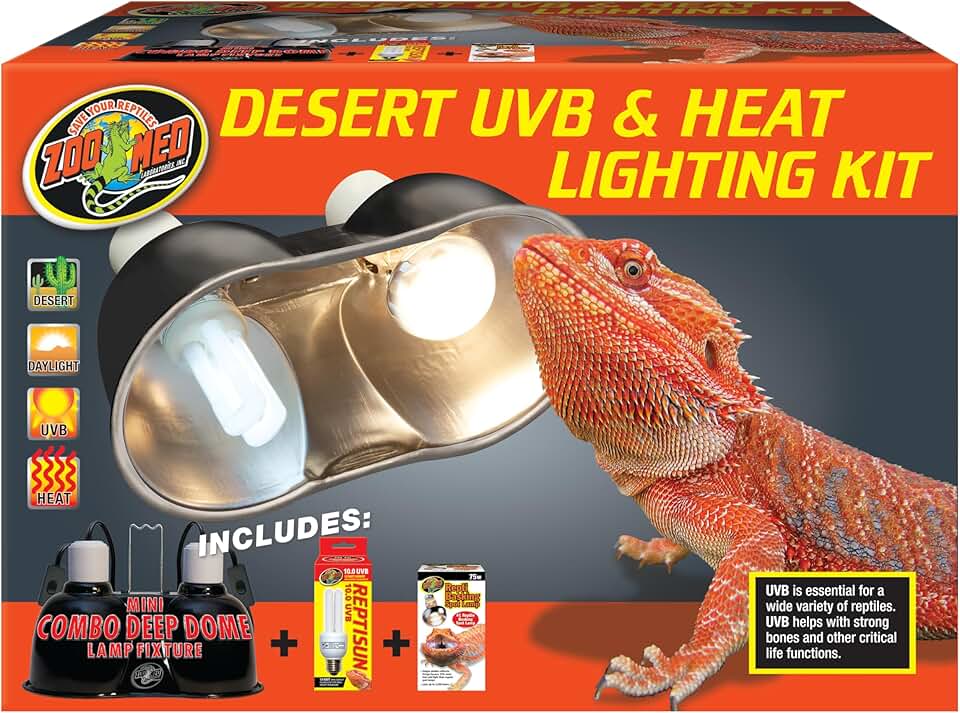
Provides both UVB and heat lighting · Essential for reptile health and thermoregulation · Designed for desert environments
This kit provides the essential lighting components for a bearded dragon's habitat, crucial for their health and well-being.

Comprehensive starter kit for bearded dragons · Includes essentials for habitat setup · Designed to meet the needs of a new bearded dragon owner
This all-in-one kit simplifies the setup process for new owners, ensuring they have the fundamental equipment for a suitable bearded dragon environment.
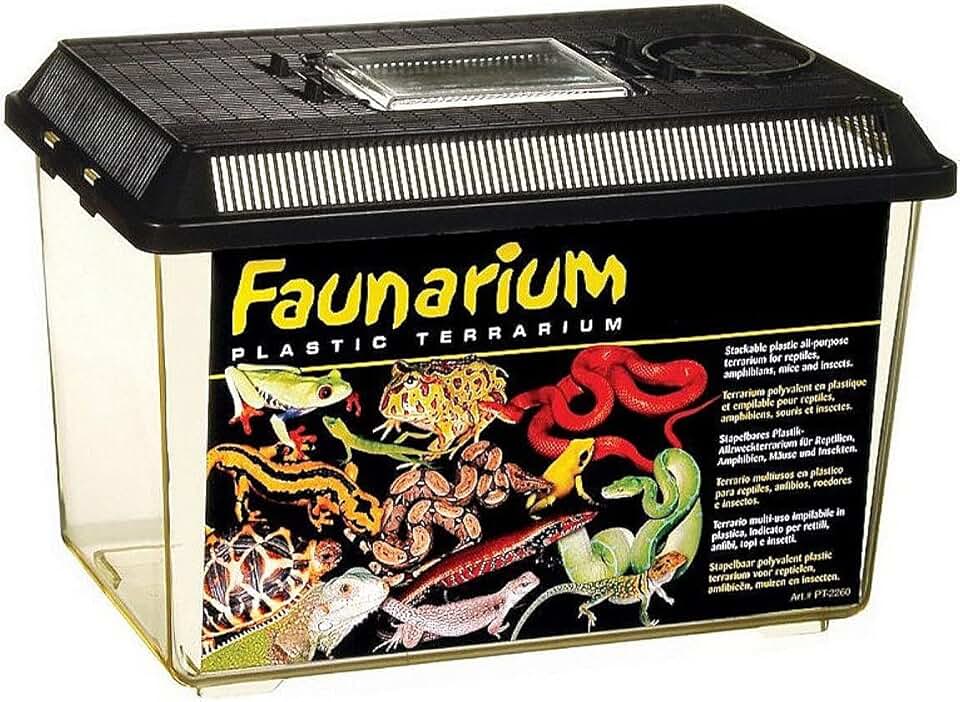
Durable plastic terrarium · Medium size suitable for small reptiles or temporary housing · Ventilation for air circulation
A cost-effective and practical option for temporary housing or transporting a bearded dragon, offering basic security and ventilation.

Complete 20-gallon terrarium starter kit · Integrated heating system with digital thermostat · Includes UVB lighting (5.0 & 10.0 options)
This highly comprehensive kit offers a complete, integrated solution for a bearded dragon habitat, including advanced temperature control and essential accessories.
As an Amazon Associate I earn from qualifying purchases. Prices may vary.
Health Guarantees: What Do They Cover?
Health guarantees are designed to protect you in case your newly purchased dragon develops health problems. However, they aren’t a blanket protection against all potential issues. Most guarantees cover genetic defects and contagious diseases that are present at the time of sale, but they typically don’t cover injuries sustained after purchase or conditions that develop due to improper care. The duration of the guarantee typically ranges from 30 to 90 days.
What steps do you need to take if your dragon gets sick? First, consult a qualified reptile veterinarian and obtain a written diagnosis. Then, immediately notify the breeder and provide them with the vet’s report. Be prepared to provide proof of purchase and demonstrate that you’ve been providing proper care. The breeder may require you to return the dragon for examination or offer a replacement.
It’s absolutely essential to get everything in writing. A verbal guarantee is worthless. Make sure the health guarantee is clearly outlined in a written contract, specifying the covered conditions, the duration of the guarantee, and the steps you need to take to make a claim. If a breeder refuses to provide a written guarantee, that’s a major red flag.
What if a breeder refuses to honor a guarantee? Your options may be limited, depending on the laws in your state. You could consider filing a complaint with the Better Business Bureau or seeking legal advice. Prevention is always better than cure, so thorough research and a careful selection process are the best ways to avoid this situation.
Where did you purchase your bearded dragon?
We are curious about how our community finds their scaly companions. Whether you went with a big-name pet store or sought out a specialized breeder, your experience can help fellow Dragon Freak readers make a more informed decision. Vote below and share your experience in the comments!


No comments yet. Be the first to share your thoughts!