
Check the setup requirements
Before bringing your bearded dragon home, ensure the enclosure meets specific thermal and structural standards. A proper setup prevents metabolic bone disease and stress, which are the leading causes of health issues in captivity.
Thermal gradient
Bearded dragons are ectothermic and rely on external heat sources to regulate their body temperature. You must create a thermal gradient within the tank.
- Basking spot: The area directly under the heat lamp should reach 95–110°F (35–43°C) for adults, or 100–110°F for juveniles.
- Cool side: The opposite end of the enclosure should remain between 75–85°F (24–29°C).
- Nighttime: Temperatures can drop to 70–75°F (21–24°C) at night, provided they do not fall below 65°F.
Use a digital thermometer with a probe to verify these temperatures at the basking spot and cool zone. Thermostat-controlled heat lamps are essential to prevent overheating.
Lighting and UVB
UVB lighting is non-negotiable for bearded dragon health. It enables the synthesis of vitamin D3, which is required for calcium absorption.
- Tube lights: Use a T5 HO linear UVB bulb (10.0 or 12.0 strength). Coil bulbs are less effective and often ineffective.
- Placement: Mount the UVB bulb 10–12 inches below the basking platform. Glass or plastic barriers block UVB rays, so the bulb must be uncovered or behind mesh.
- Replacement: UVB output degrades over time. Replace the bulb every 6–12 months, even if it still emits visible light.
Substrate and Hygiene
The substrate you choose impacts both safety and cleanliness. Avoid loose particulate substrates like sand or corn cob, which can cause impaction if ingested.
- Safe options: Tile, slate, paper towels, or reptile carpet are ideal. They are non-abrasive and easy to sanitize.
- Daily maintenance: Spot-clean waste, soiled substrate, and uneaten food every day. Wash food and water dishes daily with a reptile-safe disinfectant to prevent bacterial growth.
Humidity and Hides
Maintain humidity levels between 30–40%. Bearded dragons require a humid hide—a small enclosure within the tank with higher moisture—to help with shedding and hydration.
- Hydration: Offer well-hydrated greens and lightly mist the enclosure or your dragon’s back daily.
- Hides: Provide at least one hide on the cool side and one on the warm side to reduce stress.
Configure it in order
A bearded dragon’s enclosure is a living environment that requires daily maintenance to prevent disease and stress. Proper care involves a sequence of tasks: cleaning the habitat, checking equipment, and monitoring the animal’s health. Skipping steps or rushing through them can lead to metabolic bone disease, respiratory infections, or behavioral issues.
Follow this ordered checklist to maintain a healthy setup. Each step addresses a specific risk factor, from bacterial growth to thermal imbalance.
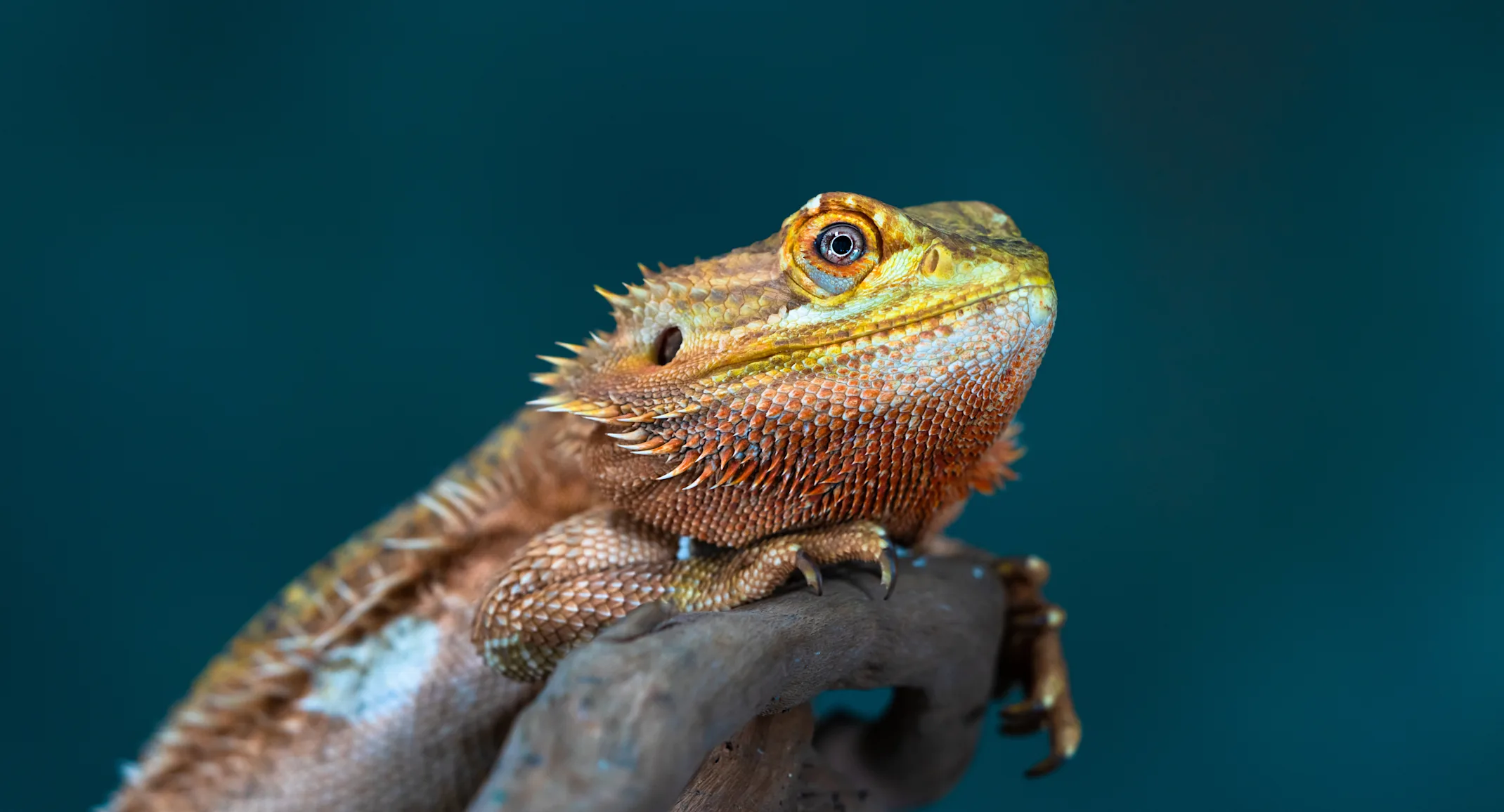
Remove waste, soiled substrate, and uneaten food immediately. Bearded dragons often eat and defecate in the same spot, so focus on their favorite basking or hiding areas. Use a paper towel or non-toxic disinfectant safe for reptiles to wipe down surfaces. This prevents bacterial buildup and keeps the air quality stable.
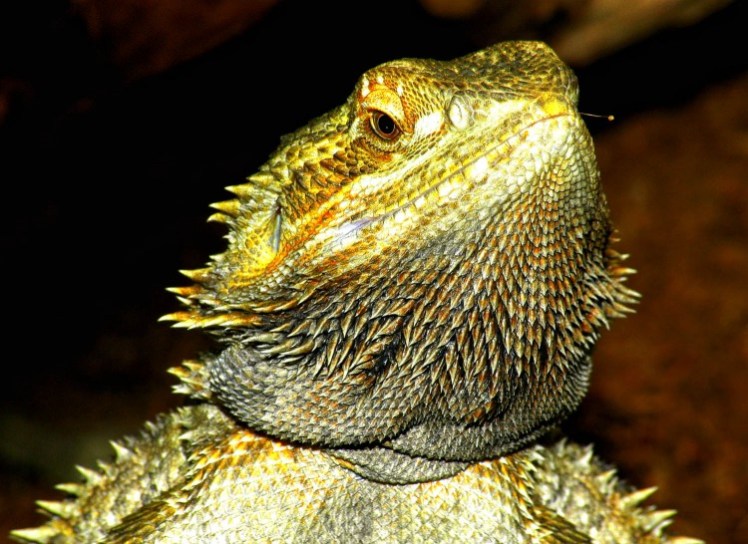
Empty, scrub, and refill the water bowl every 24 hours. Even if the water looks clear, it accumulates bacteria and fecal matter quickly. Use a reptile-safe cleaner or vinegar solution, then rinse thoroughly. If your dragon drinks from a spray bottle, wipe the nozzle daily to prevent clogging and contamination.
Use a digital thermometer and hygrometer to verify your heat lamp and basking spot are within range. The basking area should be 95–110°F (35–43°C), while the cool side should be 75–85°F (24–29°C). Nighttime temperatures can drop to 70–75°F (21–24°C). If temperatures are off, adjust bulb wattage or thermostat settings before the dragon’s metabolism is affected.
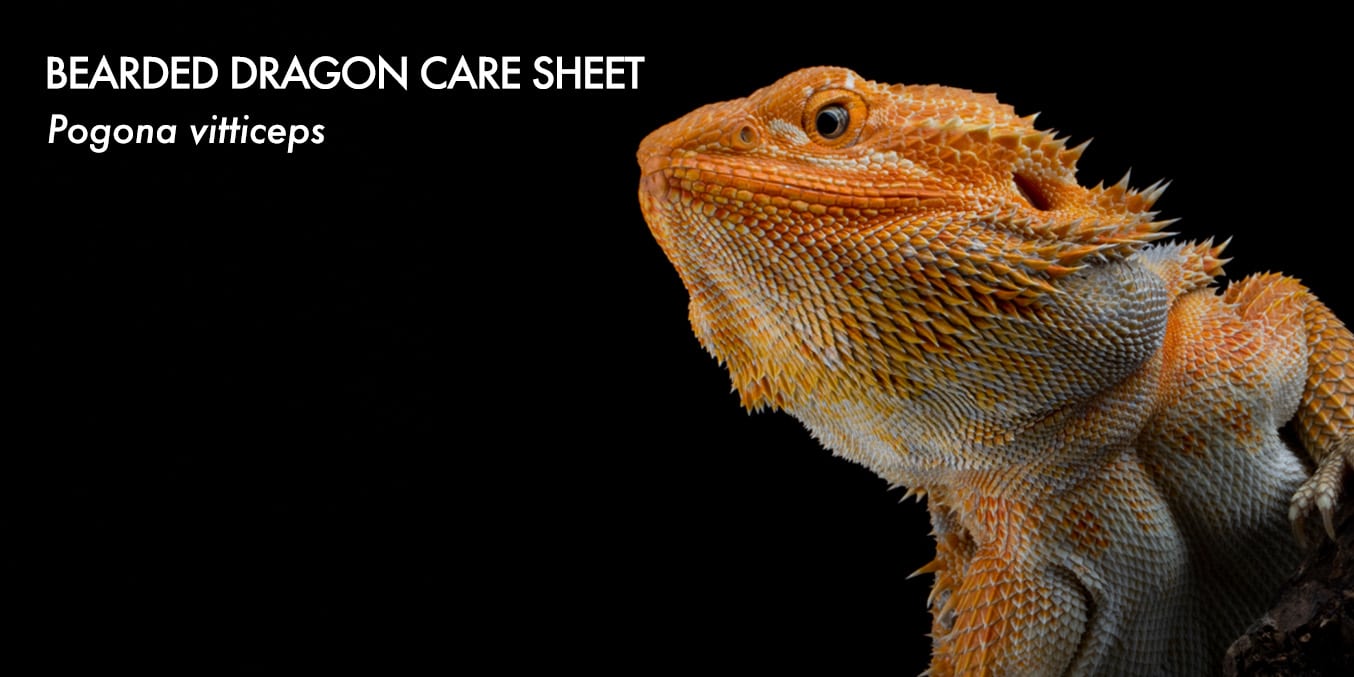
Once a week, remove all substrate and wash the entire enclosure with a reptile-safe disinfectant. Rinse thoroughly and let it dry completely before adding fresh substrate. Avoid cedar or pine shavings, which are toxic. Reptile carpet or paper towels are safer, easier-to-clean alternatives for beginners.
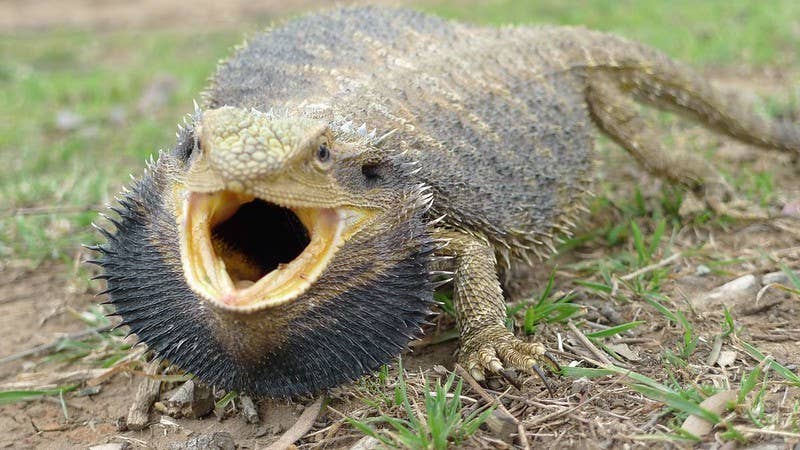
Offer appropriately sized insects and leafy greens daily. Dust insects with calcium and vitamin D3 supplements twice a week for adults. Lightly mist greens or provide a humid hide to encourage hydration. Watch for signs of impaction (constipation) or metabolic bone disease (tremors, lethargy) and adjust diet or UVB lighting accordingly.


As an Amazon Associate, we may earn from qualifying purchases.
Mistakes that break the setup
The most common reason bearded dragons fail to thrive is not a lack of love, but a misunderstanding of their desert biology. Owners often treat a reptile tank like a standard pet cage, missing the specific environmental stresses that trigger illness. Below are the critical errors that compromise your dragon’s health, along with the immediate fixes to restore a safe habitat.
Using the wrong substrate
Many beginners choose loose sand or gravel because it looks natural. This is a dangerous mistake. Bearded dragons ingest substrate while foraging, leading to impaction—a blockage that can be fatal. Even small amounts of loose dirt can cause severe digestive distress.
The Fix: Switch to non-absorbent materials immediately. Use ceramic tile, butcher paper, or slate tiles. These surfaces are easy to sanitize and eliminate the risk of ingestion entirely. If you prefer a more natural look, use reptile carpet or paper towels, which provide traction without the ingestion hazard.
Ignoring daily hygiene
A dirty tank is a breeding ground for bacteria and parasites. Spot-cleaning waste, uneaten food, and soiled substrate every single day is non-negotiable for preventing respiratory infections and skin issues. Many owners make the mistake of waiting for a "deep clean" once a month, allowing harmful pathogens to accumulate in the meantime.
The Fix: Establish a daily 10-minute cleaning routine. Remove all waste and scrub food dishes with hot, soapy water. This simple habit drastically reduces the load of harmful bacteria in the enclosure, keeping your dragon’s immune system from being constantly challenged.
Skipping humidity checks
While bearded dragons are desert animals, they still need hydration. A common error is assuming "dry" means zero moisture. Dehydrated dragons struggle to shed their skin properly, leading to retained sheds that can cut off circulation to toes or tails. Conversely, excessive humidity causes respiratory infections.
The Fix: Aim for 30-40% humidity during the day. Provide a humid hide—a small box with damp moss or a damp sponge—where your dragon can go to rehydrate. Lightly mist leafy greens before offering them to increase moisture intake. Monitor humidity with a reliable digital hygrometer, not just a guess.
No comments yet. Be the first to share your thoughts!