

Set up the enclosure correctly
A proper habitat is the foundation of effective Bearded Dragon Care. These reptiles need a large, warm environment that mimics their native Australian outback. Before bringing your dragon home, ensure the enclosure meets the minimum size requirements and has the correct heating gradients.
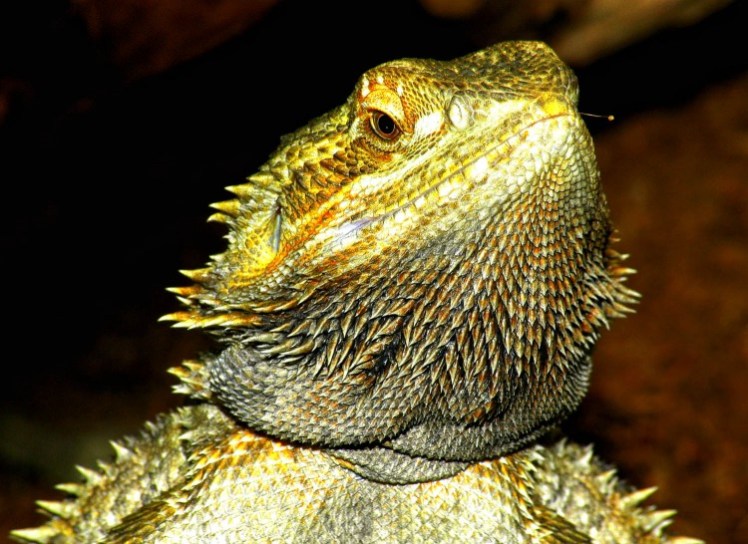
Adult bearded dragons need at least a 4x2x2 foot enclosure. Smaller tanks cause stress and limit movement. As they grow, they require more floor space than height, so prioritize a long, wide tank over a tall one. Juveniles can start in smaller enclosures but will outgrow them quickly.
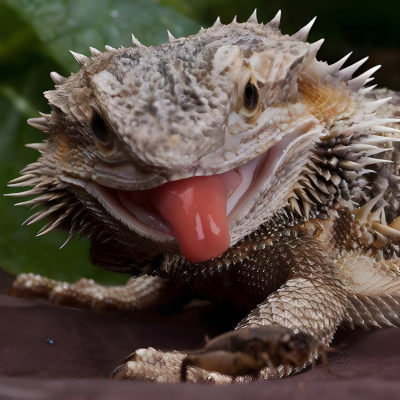
You must create a temperature gradient so your dragon can thermoregulate. The basking spot under the heat lamp should reach 95–110°F (35–43°C). The cool side of the enclosure should stay around 75–85°F (24–29°C). Use a digital thermometer with a probe to verify these temperatures accurately, as guesswork often leads to incorrect readings.
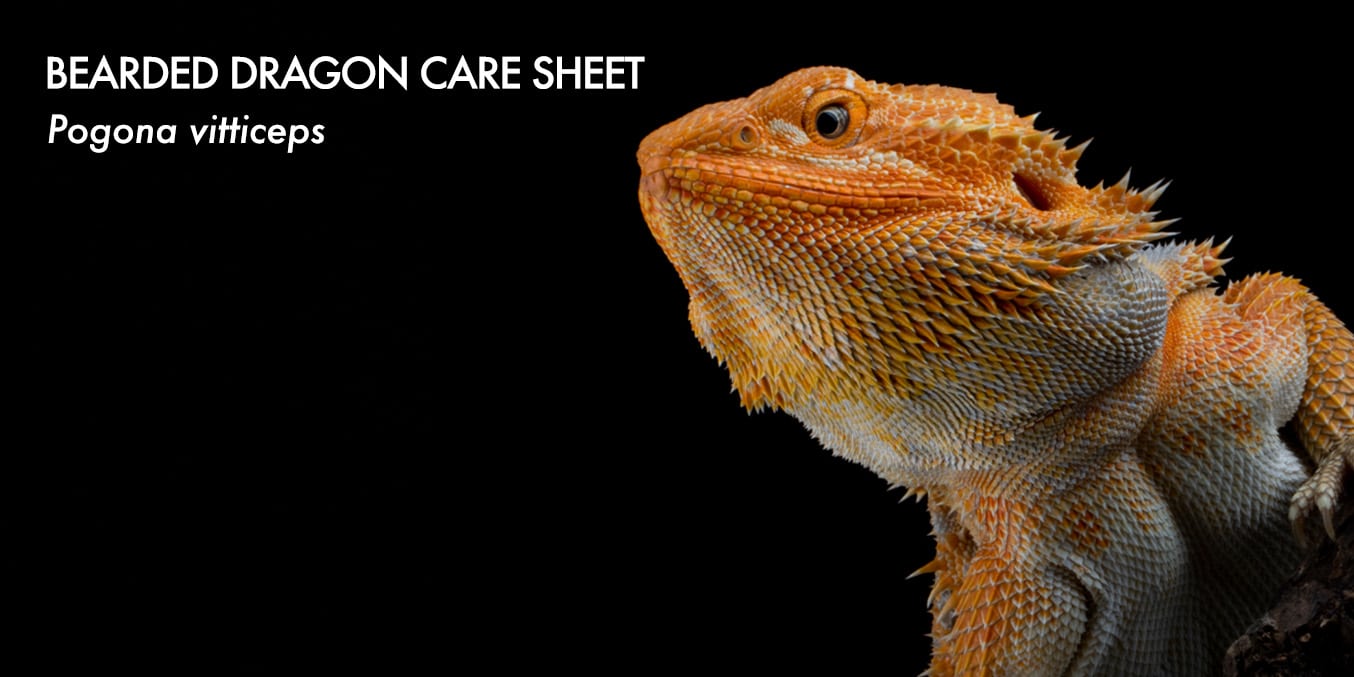
UVB light is non-negotiable for Bearded Dragon Care. It allows your pet to synthesize vitamin D3, which prevents metabolic bone disease. Install a linear T5 HO fluorescent tube (10.0 or 12.0 strength) that spans at least two-thirds of the enclosure. Replace the bulb every six to twelve months, even if it still appears to emit light, as UVB output degrades over time.
Feed a balanced diet of greens and insects
Bearded dragons are omnivores, but their nutritional needs shift dramatically as they grow. Juveniles require a protein-heavy diet to support rapid skeletal development, while adults transition to a herbivore-leaning regimen to prevent obesity and metabolic bone disease. Feeding the correct ratio is the most critical aspect of bearded dragon care.
Juvenile Diet (0–18 Months)
During the first year and a half, your bearded dragon is essentially a growing adolescent. Their metabolism is incredibly fast, and they need substantial protein to build bone density and muscle mass. Insects should make up the majority of their daily intake. Offer small crickets, dubia roaches, or mealworms multiple times a day. While greens are introduced early, they are secondary to the high protein requirements of this life stage.
Adult Diet (18+ Months)
Once your bearded dragon reaches adulthood, their growth rate slows significantly. The diet must shift to prevent health issues associated with excess protein and fat. Dark, leafy greens such as collard greens, mustard greens, and dandelion greens should comprise about 70-80% of their diet. Insects are still necessary for essential nutrients like calcium and vitamin D3, but they should be reduced to 20-30% of the total food volume. Feeding insects only two or three times a week is often sufficient for adults.
Diet Comparison
Use the table below to quickly identify the correct feeding ratio for your dragon's age group.
| Life Stage | Greens & Veggies | Insects | Feeding Frequency |
|---|---|---|---|
| Juvenile (0-18 months) | 20-30% | 70-80% | Multiple times daily |
| Adult (18+ months) | 70-80% | 20-30% | Once daily or every other day |
Daily and weekly maintenance routines
Consistent cleaning prevents bacterial growth and keeps your bearded dragon healthy. A dirty enclosure is the fastest way to introduce illness into a stable habitat. Follow this simple sequence to maintain hygiene and hydration.
Daily enclosure checks
Spot-clean the enclosure every morning. Remove any waste, soiled substrate, and uneaten food immediately. These items decompose quickly and create ammonia fumes that irritate your dragon’s respiratory system. Food and water dishes should also be washed daily with hot water and a reptile-safe disinfectant, then dried thoroughly before refilling.
Weekly deep clean
Once a week, perform a full enclosure clean. Remove all decor, plants, and substrate. Scrub the glass and shelves with a 10% bleach solution or a commercial reptile-safe cleaner. Rinse everything multiple times to ensure no chemical residue remains. Replace the substrate entirely with fresh, dust-free material. This routine removes accumulated bacteria and parasites that daily spot-cleaning misses.
Hydration and bathing
Bearded dragons absorb moisture through their skin and by drinking. Provide a shallow dish of lukewarm water in the enclosure, changing it daily to prevent algae and bacteria growth. For hydration support, offer a shallow lukewarm bath 2-3 times a week. Let your dragon soak for 10-15 minutes. This mimics natural desert rain events and encourages drinking and waste elimination.
Remove waste, soiled substrate, and uneaten food every morning. Wash water and food dishes with hot water and reptile-safe cleaner, then dry thoroughly.
Remove all decor and substrate. Scrub the enclosure with a 10% bleach solution or reptile-safe cleaner. Rinse thoroughly and replace with fresh substrate.
Offer a shallow lukewarm bath 2-3 times a week for 10-15 minutes. This encourages drinking and helps eliminate waste naturally.
-
Remove waste and uneaten food daily
-
Wash food and water dishes daily
-
Deep clean enclosure weekly with safe disinfectant
-
Replace substrate completely
-
Offer shallow water dish daily
-
Provide lukewarm bath 2-3 times weekly
Handling and Bonding
Regular handling is essential for successful Bearded Dragon Care, transforming your pet from a skittish captive into a calm companion. Start with short sessions of five to ten minutes daily. As your dragon adjusts, gradually extend this to thirty minutes. Always handle your pet after they have warmed up under their basking lamp, as cold reptiles become sluggish and defensive.
Support the body fully. Slide one hand under the chest and the other under the hind legs, keeping the belly supported. Never grab a bearded dragon by the tail, as it breaks easily and does not regenerate. Avoid sudden movements or loud noises that trigger stress responses.
Watch for stress signals. If your dragon opens its mouth, puffs its beard, or attempts to escape, place it back in the enclosure immediately. Forcing interaction damages trust. Consistent, gentle handling builds the confidence needed for long-term health.
Watch for Common Health Issues
Monitoring your bearded dragon’s daily behavior is the most effective way to catch health problems early. Because they are prey animals, reptiles often hide signs of illness until a condition becomes severe. Establishing a baseline for your pet’s normal appetite, shedding pattern, and activity levels allows you to spot deviations quickly. This vigilance is a core component of responsible Bearded Dragon Care.
Look for specific physical indicators that signal distress. A healthy dragon should have clear, bright eyes and a clean vent area. Lethargy, loss of appetite, or struggling to defecate are common red flags. Swelling in the limbs, mouth rot, or respiratory issues like wheezing require immediate attention. Regularly checking for mites under the tail and around the legs can also prevent infestations.
Keep a simple log of weight and eating habits. Sudden weight loss or consistent refusal of food is often the first sign of underlying illness. If your dragon exhibits persistent symptoms such as diarrhea, labored breathing, or inability to shed skin properly, consult an exotic veterinarian promptly. Early intervention significantly improves outcomes for common ailments.
No comments yet. Be the first to share your thoughts!