

Start with the right enclosure size
A bearded dragon’s enclosure is its entire world, and space is the first requirement for a healthy, stress-free pet. Juvenile dragons are active and need room to bask and climb, requiring a minimum of a 20-gallon long tank. As they grow rapidly during their first year, they quickly outgrow this space. By the time they reach adulthood, a minimum 4-foot by 2-foot by 2-foot (120 x 60 x 60 cm) enclosure is necessary to prevent physical deformities and behavioral stress PetMD.
Glass terrariums are common, but they retain humidity too well, which can lead to respiratory issues in these desert-adapted reptiles. Consider using a screen top or a hybrid enclosure with glass sides and a mesh lid to balance heat retention with proper airflow. This setup helps maintain the correct temperature gradient while keeping humidity levels low enough to support healthy shedding and respiration.
When setting up the habitat, remember that bearded dragons are ground-dwellers who also enjoy climbing. A longer enclosure provides more horizontal space for basking and exploration, which is more important than vertical height for most daily activities. Ensure the enclosure has a secure lid, as bearded dragons are known escape artists, especially when they are young and curious.
Install heat and UVB lighting correctly
Treat this step as a welfare screen for Bearded Dragon Care. Compare the source, the animal's visible condition, the seller's care knowledge, the paperwork, and the transport plan before you commit. A good purchase path should make the dragon's health easier to verify, not harder. Pause before paying if any part of the chain is unclear. Confirm the exact animal, pickup or shipping timing, heat-pack plan when relevant, return policy, and the supplies you need at home for the first week.
-
Verify the sourceUse this as a welfare screen: confirm the breeder, rescue, store, or private seller can explain care history and answer basic husbandry questions.
-
Check health signsLook for clear eyes, alert behavior, healthy weight, clean vent area, and no obvious swelling, wounds, or stuck shed.
-
Prepare the enclosureHave heat, UVB, substrate, hides, food, and temperature checks ready before pickup or shipping day.
-
Plan transportConfirm pickup timing, shipping weather, packaging, and the first-week settling plan before paying.
Feed insects and greens in the right ratio
A bearded dragon’s diet shifts dramatically as it matures. Juveniles need protein to fuel rapid growth, while adults require fiber and vegetables to maintain health and prevent metabolic bone disease. Feeding the wrong ratio at the wrong stage is the most common dietary mistake.
| Life Stage | Insects | Greens & Veggies | Feeding Frequency |
|---|---|---|---|
| Juvenile (0-6 months) | 70-80% | 20-30% | 2-3 times daily |
| Sub-adult (6-12 months) | 50% | 50% | 1-2 times daily |
| Adult (12+ months) | 20-25% | 75-80% | Daily |
During the juvenile stage, your dragon is essentially a growing child. Insects like dubia roaches, crickets, and mealworms should dominate the bowl. Offer these two to three times a day, as their metabolism is incredibly fast. At this stage, leafy greens are still important for hydration and micronutrients, but they take a backseat to protein.
As your dragon enters adulthood around the one-year mark, the balance flips. According to veterinary nutrition guidelines from North Carolina State University, an adult bearded dragon’s diet should consist of 70-80% vegetables and only 20-25% insects. PetMD and other veterinary sources emphasize that adult bearded dragons are primarily herbivorous. Overfeeding insects to an adult can lead to obesity and liver issues.
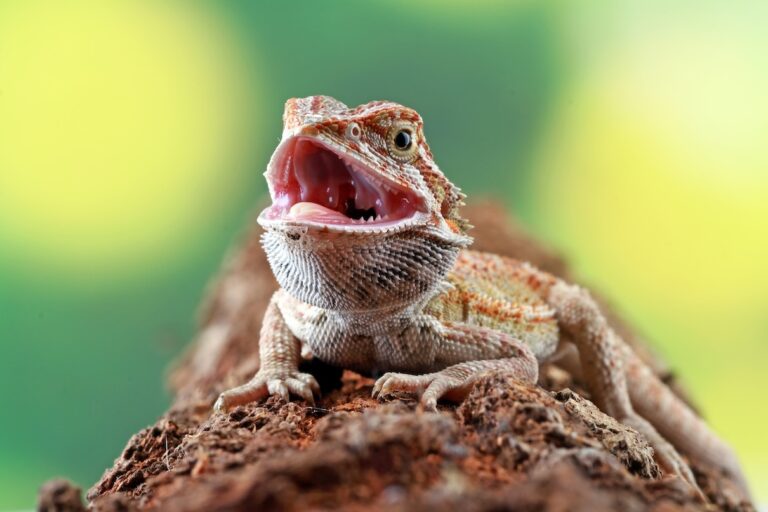
When transitioning your dragon to an adult diet, introduce a variety of dark leafy greens such as collard greens, mustard greens, and dandelion greens. These should make up the bulk of every meal. Insects should now be treated as a supplement or treat rather than a staple. This shift ensures your dragon gets the necessary fiber for digestion while maintaining a healthy weight.
Handle your dragon gently and often
Socialization is the foundation of a tame bearded dragon. Regular, positive handling builds trust and prevents the stress that leads to aggression or "bearding." Think of each interaction as a deposit in an emotional bank account; consistency matters more than duration. If you only handle your dragon when you want to move it, it will learn to fear your hands.
Start by letting your dragon climb onto your arm or shoulder while it is warm and alert, typically mid-morning after basking. Support its entire body, including the tail, to prevent slipping. Avoid sudden movements or grabbing from above, which mimics predator behavior. Keep initial sessions short—five to ten minutes is plenty for a young dragon—and gradually increase the time as it becomes more comfortable.
Watch for signs of contentment, such as relaxed limbs and steady breathing. If the dragon starts puffing its beard, darkening its beard, or attempting to bite, it is overwhelmed. Set it down immediately and try again later. According to veterinary guidelines from PetMD, consistent positive reinforcement helps desensitize dragons to human presence, making routine health checks and cleaning much easier.
Many beginners make the mistake of handling their dragon during its cooling period or right after eating. Avoid these times. A full stomach makes them sluggish and vulnerable, while a cooling dragon is lethargic and likely to feel threatened. Aim for gentle, predictable interactions when your dragon is at its most active and secure.
Watch for signs of illness and stress
Bearded dragons are masters at hiding discomfort, which is why daily observation is critical. You are looking for changes in behavior, appetite, and physical appearance that deviate from their normal routine. Early detection of issues like metabolic bone disease (MBD), respiratory infections, or impaction can mean the difference between a simple adjustment and a life-saving veterinary visit.
Common Warning Signs
Start by monitoring their appetite. A sudden refusal to eat insects or vegetables is often the first indicator of stress or underlying illness. Check for physical symptoms such as swollen joints, which may signal MBD due to calcium deficiency, or lethargy that persists even after basking. Respiratory infections often present as wheezing, open-mouth breathing, or bubbles around the nose.
Pay attention to their waste. Impaction is a common and serious issue, often caused by feeding substrate that is ingested or offering prey items that are too large. Look for constipation, straining, or a lack of fecal output. Changes in color, such as a pale or darkened skin tone, can also indicate stress or temperature regulation issues.
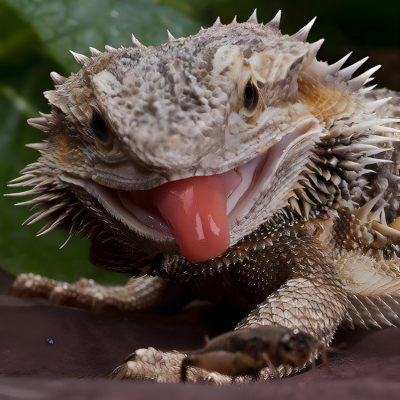
Refer to reputable sources like PetMD for detailed care sheets and symptom checklists. If you notice any of these signs, do not wait. Contact a veterinarian who specializes in exotic animals immediately to prevent minor issues from becoming critical.
Plan for a 10 to 15 year commitment
Owning a bearded dragon is a decade-long responsibility, not a temporary hobby. These reptiles typically live 10 to 15 years with proper care, which is comparable to the lifespan of a dog. This longevity requires a consistent routine for enclosure maintenance, lighting, and diet that you can sustain through life changes.
Before bringing one home, consider your long-term ability to provide daily interaction and veterinary care. Reputable sources like PetMD emphasize that regular health checks are essential for catching issues early. Ensure your living situation and financial stability can support this commitment for the long haul.
Bearded Dragon Care Checklist
Sticking to a routine keeps your bearded dragon healthy and reduces stress. Start with the enclosure every morning. Verify the basking spot hits 95–110°F (35–43°C) and the cool side stays around 80°F (27°C). Check that the UVB bulb is still on and replace it every six to twelve months, even if it still lights up, as UV output degrades over time.
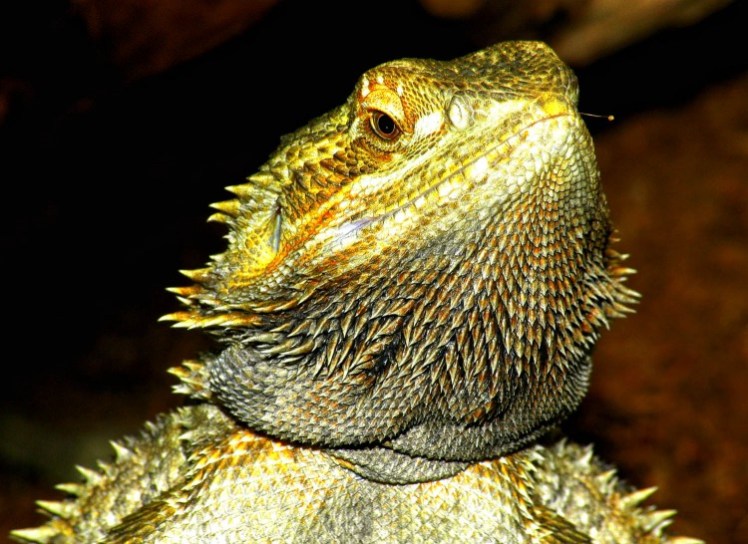
Feed your dragon a balanced diet of dark leafy greens and insects. Dust insects with calcium and vitamin supplements daily or weekly, depending on the dragon's age. Offer fresh water and mist the enclosure lightly to encourage drinking. Wipe down any soiled substrate or decor immediately to prevent bacterial growth.
Perform a deep clean weekly by removing all substrate and washing the enclosure with a reptile-safe disinfectant. Once a month, inspect the dragon’s skin for stuck shed, check the mouth for signs of mouth rot, and weigh the dragon to track health trends. Keep a log of these observations to spot issues early.
Common bearded dragon: what to check next
New owners often worry about the daily commitment required for these reptiles. While bearded dragons are considered one of the easier species to keep, they demand a specific environment rather than casual interaction. Proper setup and consistent care are what make them manageable.
Is a bearded dragon easy to take care of?
Bearded dragons are beginner-friendly but require strict adherence to environmental standards. They need a large enclosure, precise temperature gradients, and high-quality UVB lighting. Without these basics, health issues arise quickly. However, once the habitat is established, daily maintenance involves simple feeding and cleaning routines.
How long should you hold your bearded dragon a day?
Handling should be brief and gentle to prevent stress. Start with five to ten minutes a day, gradually increasing as the dragon becomes comfortable. Always support their body fully, avoiding sudden movements. Limit handling sessions to prevent exhaustion, especially for young or recently acquired dragons.
How to care for a bearded dragon for beginners?\nBegin by setting up a proper enclosure with a basking spot of 95–110°F (35–43°C) and a cool side around 75–85°F (24–29°C). Install a full-spectrum UVB bulb to prevent metabolic bone disease. Feed a diet of gut-loaded insects and fresh vegetables, and provide shallow water for soaking.
How do I know if a bearded dragon is happy?
A content bearded dragon is active, alert, and has a clear appetite. Look for behaviors like arm-waving, head-bobbing, and relaxed body posture. Signs of stress include darkening of the beard, excessive hiding, or refusal to eat. Regular vet check-ups ensure underlying health issues don’t mimic behavioral problems.
Work through The Bearded Dragon Care
No comments yet. Be the first to share your thoughts!