

Set up the enclosure correctly
The enclosure is the foundation of bearded dragon care. A properly sized habitat with the right substrate and decor prevents injury, supports digestion, and reduces stress. Start with a spacious tank, choose a safe floor covering, and arrange the interior to mimic their natural basking and hiding preferences.
Tank size and placement
Adult bearded dragons need ample floor space to move and thermoregulate. A 40-gallon breeder tank is the minimum for a single adult, but a 120-gallon enclosure is ideal. Place the tank in a quiet, low-traffic area away from direct drafts or windows to maintain stable temperatures. Avoid placing the tank on high shelves where vibrations from footsteps or loud noises might startle the dragon.
Substrate options
The floor covering must be safe if ingested during hunting. Avoid loose sand, walnut shell, or corn cob, which can cause fatal impactions. Opt for non-abhesive tile, slate, or reptile carpet. These materials are easy to clean and prevent foot issues like scaly foot disease. For juveniles, paper towels are a safe, disposable option during the first few months.
Decor and hiding spots
Bearded dragons are arboreal and appreciate vertical space. Install sturdy branches and rocks for climbing, but ensure they are stable to prevent falls. Include at least two hiding spots: a cool hide on one end and a humid hide in the middle to help with shedding. The humid hide should be lightly misted with water or filled with damp sphagnum moss. Keep the basking area clear of clutter so the dragon can fully extend its body under the heat lamp.
Manage heat and lighting daily
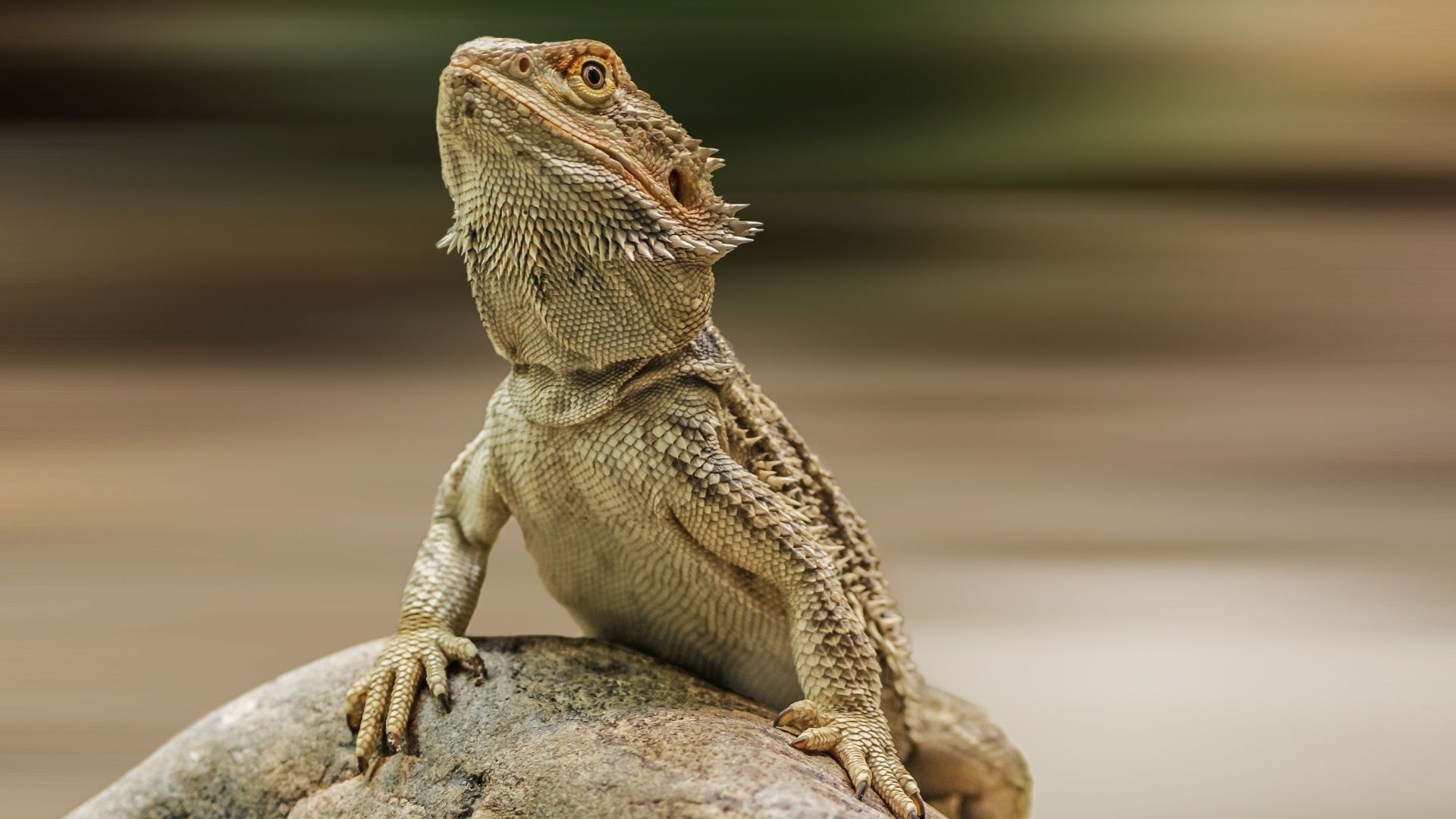
Proper bearded dragon care hinges on replicating the desert environment your pet is adapted to. You must provide a precise thermal gradient and full-spectrum UVB light. Without these, your dragon cannot digest food, absorb calcium, or maintain a healthy circadian rhythm.
1. Set up the thermal gradient
Place your heat lamp at one end of the enclosure to create a basking spot of 95–110°F (35–43°C). The opposite end should remain cooler, around 75–85°F (24–29°C), allowing your dragon to regulate its body temperature. Use a digital thermometer to verify these zones. If the entire cage gets too hot, your pet may suffer from heat stress.
2. Install and monitor UVB lighting
UVB bulbs are non-negotiable for bearded dragon care. They enable the synthesis of vitamin D3, which is essential for preventing metabolic bone disease. Mount a linear T5 HO UVB bulb across the top of the enclosure, ensuring it is within the recommended distance (usually 10–12 inches). Replace the bulb every 6–12 months, as UVB output degrades even if the bulb still lights up.
3. Follow a day/night cycle
Keep the lights on for 10–12 hours daily to mimic natural daylight. Turn them off at night. Do not use red or blue "night" bulbs; these can disrupt sleep and cause stress. Your dragon needs complete darkness at night to rest properly. Use a timer to automate this cycle, ensuring consistency without manual intervention.
Feed a balanced diet of greens and insects
Bearded dragon nutrition changes as the reptile matures. Juveniles need high protein to support rapid growth, while adults require mostly vegetables to prevent obesity and kidney stress. Feeding the correct ratio at each life stage is the most critical part of daily husbandry.
Juvenile Diet: High Protein
Baby and juvenile bearded dragons (under 6 months) are primarily insectivores. Their diet should consist of 80-90% insects and 10-20% vegetables. Offer small, gut-loaded insects like crickets, dubia roaches, or mealworms daily. Dust insects with calcium and multivitamin supplements before feeding to prevent metabolic bone disease.
Adult Diet: High Vegetables
Once a bearded dragon reaches adulthood (6+ months), shift the diet to 80-90% dark leafy greens and 10-20% insects. Suitable greens include collard greens, mustard greens, dandelion greens, and romaine lettuce. Avoid iceberg lettuce, which has low nutritional value and high water content. Offer insects sparingly, such as twice a week, to maintain a healthy weight.
Comparison: Juvenile vs. Adult Diet
| Feature | Juvenile (0-6 months) | Adult (6+ months) |
|---|---|---|
| Primary Food Source | Insects (80-90%) | Vegetables (80-90%) |
| Insect Frequency | Daily | 2-3 times per week |
| Vegetable Frequency | Small amounts (10-20%) | Main staple (80-90%) |
| Key Nutrients | Calcium, Protein | Fiber, Vitamins A & K |
Handle gently and watch for illness
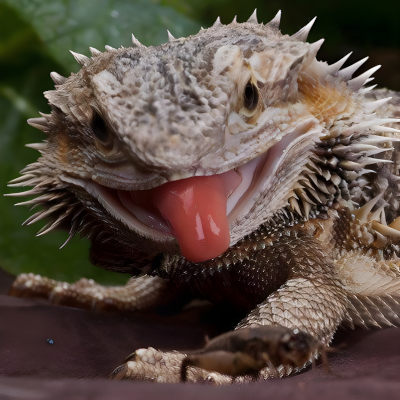
Bearded dragons are generally docile, but trust is earned through consistent, calm interaction. When you pick up your dragon, support its entire body from the chest to the tail base. Avoid squeezing or grabbing the limbs, which can cause stress or injury. Let the dragon walk onto your hand rather than forcing it, and always place it on a stable surface at its eye level to prevent falls.
Consistent handling helps your dragon recognize your scent and voice, reducing defensive behaviors like arm waving or black bearding. However, never handle a bearded dragon immediately after eating, as this can cause regurgitation. Limit sessions to 10–15 minutes to prevent exhaustion, and always wash your hands before and after to protect both you and the reptile from salmonella or bacterial transfer.
While handling, use this time to check for early signs of illness. Look for swollen eyes, nasal discharge, or labored breathing, which may indicate a respiratory infection. Check the skin for stuck shed, particularly around the toes and tail tip, and inspect the vent area for impaction or parasites. A healthy bearded dragon should have bright eyes, clear nostrils, and firm muscle tone.
Regular health checks combined with gentle handling create a strong bond and ensure your bearded dragon remains a healthy companion.
Common questions about bearded dragons
Is a bearded dragon easy to take care of?
Bearded dragons are often recommended as beginner reptiles, but "easy" requires consistency. They need a strict thermal gradient, UVB lighting to process calcium, and a varied diet of live insects and greens. Without daily maintenance, they develop serious health issues quickly.
What are the main do’s and don’ts for bearded dragon care?
Spot-clean the enclosure daily by removing waste and uneaten food to prevent bacterial growth. Wash food and water dishes every day. Do not handle them while they are digesting, and avoid using cedar or pine bedding, which can cause respiratory issues and impaction.
Is daily handling required for a bearded dragon?
Handling helps socialize bearded dragons, but it is not mandatory for their physical health. If your dragon is shy, forceful daily handling can cause stress. Short, gentle sessions a few times a week are sufficient to maintain a bond without overwhelming the animal.
What is the leading cause of death in bearded dragons?
Metabolic bone disease (MBD) is the most common fatal condition, caused by a lack of calcium and UVB light. Impaction from ingesting substrate or oversized prey is another major risk. Preventing these requires proper lighting setup and appropriate feeding practices.
Work through Bearded Dragon Care
No comments yet. Be the first to share your thoughts!