

Set up the enclosure correctly
Treat this step as a welfare screen for Bearded Dragon Care. Compare the source, the animal's visible condition, the seller's care knowledge, the paperwork, and the transport plan before you commit. A good purchase path should make the dragon's health easier to verify, not harder. Pause before paying if any part of the chain is unclear. Confirm the exact animal, pickup or shipping timing, heat-pack plan when relevant, return policy, and the supplies you need at home for the first week.
-
Verify the sourceUse this as a welfare screen: confirm the breeder, rescue, store, or private seller can explain care history and answer basic husbandry questions.
-
Check health signsLook for clear eyes, alert behavior, healthy weight, clean vent area, and no obvious swelling, wounds, or stuck shed.
-
Prepare the enclosureHave heat, UVB, substrate, hides, food, and temperature checks ready before pickup or shipping day.
-
Plan transportConfirm pickup timing, shipping weather, packaging, and the first-week settling plan before paying.
Install heat and UVB lighting
Setting up the thermal gradient and UVB lighting is the most critical step in bearded dragon care. Without proper heat zones and ultraviolet radiation, your dragon cannot digest food effectively or synthesize calcium, leading to metabolic bone disease (MBD). This condition causes soft, deformed bones and is entirely preventable with the right equipment.
Position the basking lamp
Place a ceramic heat emitter or a basking bulb on one end of the enclosure to create a hot spot. The basking area should reach 95–110°F (35–43°C), allowing your dragon to thermoregulate. Use a digital thermometer to verify the temperature at the basking spot, ensuring it stays within range during the day. At night, if temperatures drop below 65°F, a ceramic heat emitter provides warmth without light, preserving their sleep cycle.
Install the T5 HO UVB bulb
Mount a T5 HO (High Output) linear UVB bulb over the basking area or the entire enclosure, depending on size. This bulb must emit UVB radiation, which is essential for calcium absorption. Fluorescent tubes last 6–12 months; even if the bulb still emits visible light, UVB output degrades significantly over time. Replace it annually to prevent hidden deficiencies. Avoid compact fluorescent "bulb-in-socket" UVB lights, as they are often too weak for bearded dragons.
Verify and maintain
Use a UVB meter to confirm adequate output, aiming for a minimum of 2.5–5.0% UVB at the basking spot. Ensure the bulb is not obscured by glass or acrylic, which blocks UVB rays. Clean the bulb monthly with alcohol to remove dust and calcium deposits that reduce efficiency. Regular monitoring keeps your bearded dragon healthy and active.
Feed greens and insects daily
Bearded Dragon Care requires adjusting your feeding routine as your pet grows. Juveniles need high protein for rapid development, while adults shift toward herbivory to prevent obesity and metabolic bone disease.
Adult vs. Juvenile Dietary Ratios
The core difference lies in the balance between plant matter and insect protein. Adults are primarily herbivores, whereas juveniles are omnivores with a heavy protein bias.
| Life Stage | Greens & Veggies | Insects & Protein | Feeding Frequency |
|---|---|---|---|
| Adult (18+ months) | 70% | 25% | Daily |
| Juvenile (<18 months) | 25% | 75% | 2-3 times daily |
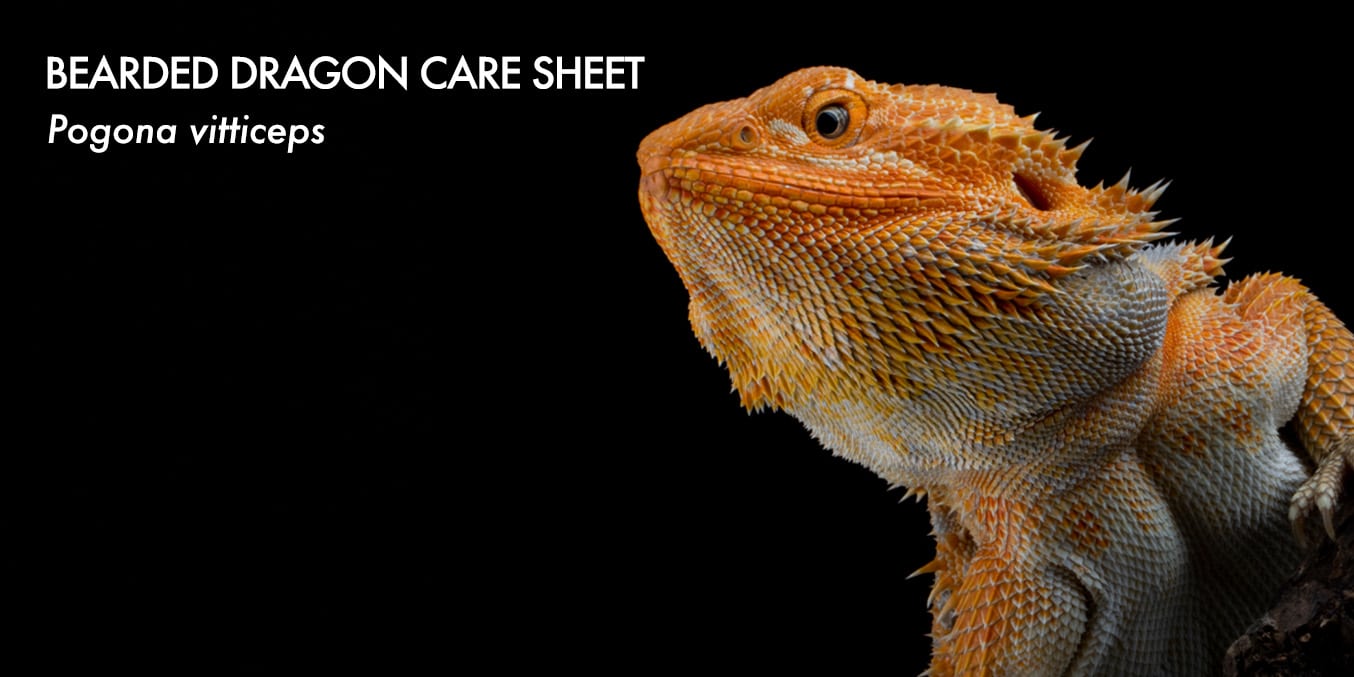
Adult bearded dragons should be fed mostly dark leafy vegetables. Good options include romaine lettuce, collard greens, kale, and mustard greens. Avoid iceberg lettuce, which has little nutritional value and high water content. Supplement these greens with calcium powder twice a week to support bone health.
For juveniles, insects are the primary calorie source. Offer dubia roaches, crickets, or mealworms. The high protein intake drives the rapid growth seen in the first year. As they approach adulthood, gradually increase the proportion of greens while reducing insect frequency to match the adult ratio.
Monitor hydration and bathing
Many beginners assume bearded dragons get all their water from drinking, but they actually absorb most of their moisture through their skin and food. Proper hydration is a core part of bearded dragon care, preventing kidney issues and aiding digestion. You need to actively provide water sources through misting and shallow baths.
The bathing routine
Bearded dragons enjoy warm, shallow baths. Fill a clean plastic tub or sink with lukewarm water—about an inch deep—ensuring it is shallow enough that the dragon can stand comfortably. Let your bearded dragon soak for 10 to 15 minutes. This mimics natural rain events, encouraging them to drink and defecate, which keeps the enclosure cleaner.
Misting and humidity
On days when you aren't giving a full bath, lightly mist the enclosure to raise humidity slightly. Provide a humid hide, such as a small cave with a damp paper towel inside, where your dragon can retreat to absorb moisture. Always ensure fresh greens are well-hydrated or lightly misted before offering them, as food is a primary water source.
Safety checks
Never use hot water, as bearded dragons have sensitive skin and can burn easily. Test the temperature with your wrist before placing your pet in the water. If your dragon shows signs of stress, such as rapid breathing or trying to escape, end the session immediately. Always supervise baths to prevent drowning or slipping.
Check for signs of illness
Treat this step as a welfare screen for Bearded Dragon Care. Compare the source, the animal's visible condition, the seller's care knowledge, the paperwork, and the transport plan before you commit. A good purchase path should make the dragon's health easier to verify, not harder. Pause before paying if any part of the chain is unclear. Confirm the exact animal, pickup or shipping timing, heat-pack plan when relevant, return policy, and the supplies you need at home for the first week.
Use the checklist as a welfare screen: verify the source, health signs, enclosure readiness, paperwork, and transport plan before paying.
Handle your dragon gently
Proper handling is a cornerstone of effective bearded dragon care. Regular, calm interaction builds trust and prevents stress-related health issues. Always wash your hands before and after contact to protect your pet from bacteria.
Start by supporting the dragon’s entire body. Slide one hand under the chest and the other under the hind legs. Never grab by the tail or lift a struggling dragon, as this can cause injury or defensive biting.
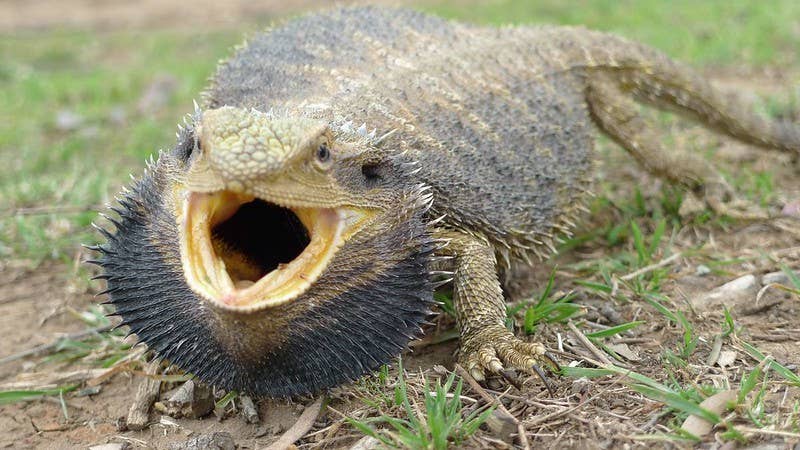
Keep sessions short at first—five to ten minutes is enough. If the dragon flattens its body or puffs its beard, it is overwhelmed. Gently return it to its enclosure and try again later.
Bearded Dragon Care Checklist
Consistent maintenance keeps your bearded dragon healthy and reduces stress. Follow this routine to manage feeding, hygiene, and equipment checks.
Daily Tasks
- Feed appropriately: Offer a mix of dark leafy greens and insects. Adults need roughly 70% vegetables and 25% insects, dusted with calcium supplements src-serp-6.
- Check water and heat: Ensure the basking spot reaches 95–110°F (35–43°C) and the cool side stays around 85°F (29°C). Provide fresh water and a shallow dish.
- Monitor behavior: Watch for active movement and appetite. Lethargy or refusal to eat can signal illness or incorrect temperatures.
Weekly Tasks
- Spot clean: Remove feces and uneaten food immediately to prevent bacterial growth.
- Deep clean: Wash the enclosure, hides, and basking rocks with a reptile-safe disinfectant. Rinse thoroughly before returning your dragon.
- Trim nails: If nails are long, carefully trim the tips to prevent curling and injury.
Monthly Tasks
- Inspect lighting: Check UVB bulbs for damage. Even if they still emit light, UVB output degrades over time. Replace bulbs every 6–12 months.
- Clean glass: Wipe down enclosure glass to remove mineral deposits and fingerprints for better viewing.
- Weigh your dragon: Record weight to track long-term health trends. Sudden weight loss requires veterinary attention.
Common bearded dragon: what to check next
Addressing frequent queries helps new owners avoid common pitfalls. This section covers essential maintenance, handling, and health concerns to support your Bearded Dragon Care routine.
Is a bearded dragon easy to take care of?
Bearded dragons are considered beginner-friendly reptiles, but they require a dedicated daily routine. You must maintain specific temperature gradients and provide UVB lighting to prevent metabolic bone disease. Their diet also demands variety, requiring a mix of live insects and fresh vegetables every day.
What are the main do’s and don’ts for bearded dragons?
Always provide a basking spot of 95–110°F (35–43°C) and a cool zone for thermoregulation. Offer gut-loaded insects and dust them with calcium. Never use loose sand substrate, as ingestion causes fatal impaction. Also, avoid handling them immediately after feeding to prevent regurgitation or stress.
What is the leading cause of death in bearded dragons?
Metabolic bone disease (MBD) and gastrointestinal impaction are the primary causes of mortality. MBD results from improper UVB lighting or calcium deficiency, while impaction is often caused by inappropriate substrate or feeding large crickets. Preventive husbandry, as detailed in the bearded dragon care guide, significantly reduces these risks.
Should I hold my bearded dragon every day?
Daily handling helps socialize juveniles, but adults often prefer observation. Limit sessions to 15–20 minutes to prevent stress-induced tail dropping or hiding. Always support their body fully, especially the hind legs, and wash your hands before and after to protect their sensitive immune systems.
Work through Bearded Dragon Care
No comments yet. Be the first to share your thoughts!