

Start with the right enclosure size
The foundation of effective Bearded Dragon Care begins with the tank itself. A cramped enclosure restricts movement, increases stress, and can stunt growth. You must provide enough floor space for the dragon to move freely, thermoregulate, and exhibit natural behaviors.
For hatchlings and juveniles, a 20-gallon long tank (approximately 30 inches long) is the minimum starting point. This size offers adequate room for growth during the first few months. As the dragon matures, you must upgrade to a larger enclosure. An adult bearded dragon requires a minimum of a 4x2x2 foot enclosure to thrive.
Think of the enclosure as the dragon's entire world. If that world is too small, their physical and mental health suffers. Prioritize length over height; bearded dragons are ground-dwelling lizards that need horizontal space to walk and explore.
Install UVB lighting and heat sources
Lighting is the foundation of bearded dragon care. These reptiles rely on specific light spectrums and temperature gradients to regulate their body temperature, digest food, and process calcium. Without proper setup, your dragon cannot synthesize vitamin D3, leading to metabolic bone disease.
Follow this sequence to install the lighting correctly.
Choose a linear T5 HO fluorescent tube or a high-quality spiral bulb rated for 5.0 or 10.0 UV output. Avoid low-output "basking" bulbs or ceramic heat emitters as your primary light source; they provide heat but no UVB. Place the fixture at the recommended distance from the basking spot, usually 10–12 inches, to ensure the UV index is sufficient without causing eye damage. Replace bulbs every 6–12 months, as UV output degrades even if the bulb still shines.
Install a separate heat lamp or ceramic heat emitter over one end of the enclosure to create a thermal gradient. The basking spot should reach 95–110°F (35–43°C) under the bulb, while the cool side should remain around 75–85°F (24–29°C). This allows your dragon to move between zones to regulate its body temperature. Ensure the fixture is securely mounted with a heat-resistant socket and keep it away from flammable materials or glass lids that can shatter from thermal shock.
Connect your heat source to a digital thermostat with a probe placed at the basking spot. This prevents overheating if the bulb fails or the wattage is too high. Use a separate timer for the UVB and heat lamps to mimic a natural 12-hour day and 12-hour night cycle. Consistent timing helps regulate your dragon’s circadian rhythm and reduces stress. Never plug heat sources directly into a wall outlet without a thermostat or timer.
Checklighting and temperature gradients
Once installed, verify that your setup matches the requirements for bearded dragon care. Use a digital infrared thermometer to check the basking spot temperature from the animal’s eye level. Place a thermometer/hygrometer on the cool side to ensure it stays above 75°F. The UVB bulb should be uncovered by glass or acrylic, as these materials block the beneficial UV rays. If your enclosure has a glass front, consider a screen-top lid or a mesh enclosure to allow UVB penetration.
Feed insects and leafy greens daily
Bearded dragon care hinges on balancing protein and plant matter. Juveniles need more protein to support rapid growth, while adults require more fiber to prevent obesity and metabolic bone disease. Adjusting these ratios prevents common health issues like impaction and liver disease.
Juvenile Diet (Under 6 Months)
Baby bearded dragons are essentially insectivores. Their diet should consist of 90% insects and 10% leafy greens. Feed them 2–3 times daily to match their high metabolic rate. Gut-loaded crickets and dubia roaches are ideal choices for their calcium and phosphorus content.
Adult Diet (Over 6 Months)
As they mature, shift the balance to 25% insects and 75% vegetables. Offer a varied salad of collard greens, mustard greens, and dandelion greens daily. Insects like mealworms and superworms should be limited treats due to high fat content, not daily staples.
| Stage | Insects | Greens | Frequency |
|---|---|---|---|
| Juvenile (<6 months) | 90% | 10% | 2-3 times daily |
| Adult (>6 months) | 25% | 75% | 1 time daily |
Keep the enclosure clean and hydrated
A dirty tank invites bacteria and parasites that can make your bearded dragon sick. Spot-cleaning is the first line of defense. PetMD recommends removing soiled substrate, uneaten food, and feces daily. This simple task prevents the rapid spread of pathogens in the warm, humid environment of the basking zone.
Deep cleans require more effort but are just as important. Once a week, remove all decor and wash them with a reptile-safe disinfectant or a diluted bleach solution (one part bleach to ten parts water). Rinse thoroughly and let items dry completely before returning them to the enclosure. Replace the substrate entirely during this weekly session to remove hidden waste and eggs from shedding.
Hydration is equally critical. Bearded dragons often drink from moving water sources or misted leaves, but stagnant water bowls become breeding grounds for bacteria. Scrub the water dish daily with hot soapy water and refill it with fresh, dechlorinated water. You can also offer shallow baths two to three times a week. This not only provides drinking water but also helps with shedding and digestion.
Remove feces, uneaten insects, and wilted greens every morning. Use paper towels for easy disposal. This prevents bacterial buildup and keeps the basking area sanitary for your bearded dragon.
Take out branches, rocks, and hides. Scrub them with a reptile-safe cleaner or diluted bleach solution. Rinse well and let them dry completely before putting them back in the tank.
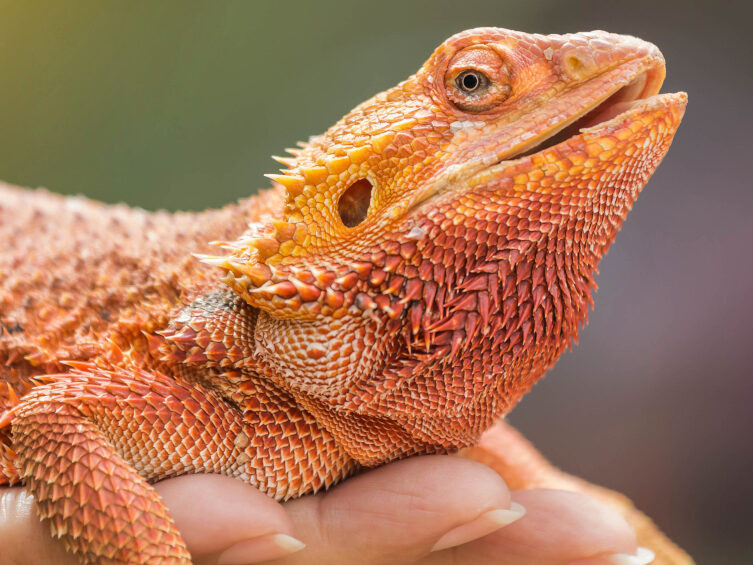
Discard all old substrate. Vacuum the corners of the tank to remove dust and fine debris. Add fresh, appropriate substrate like tile, newspaper, or reptile carpet to start the week fresh.
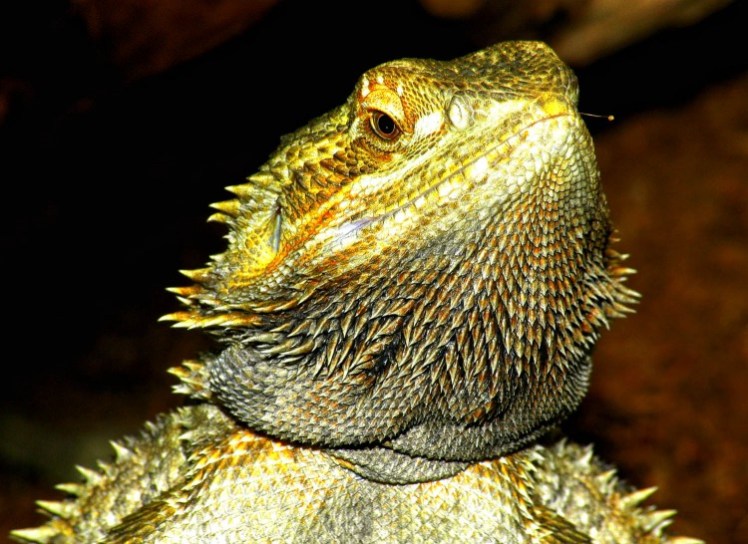
Empty and wash the water dish with hot soapy water every day. Refill with fresh, dechlorinated water. Bearded dragons often prefer shallow dishes to prevent drowning and splashing.
Watch for signs of illness or stress
Spotting health issues early is the most effective part of bearded dragon care. These reptiles are masters at hiding pain, so you must rely on daily observation rather than waiting for obvious distress. Check for the three most common problems: metabolic bone disease, impaction, and respiratory infections.
Metabolic bone disease (MBD) stems from calcium and vitamin D3 deficiencies. Look for swollen or soft jaws, tremors, or a curved spine. If you notice these skeletal changes, the dragon is likely in pain and requires immediate veterinary intervention to prevent permanent deformity.
Impaction occurs when undigested material blocks the gut, often caused by substrate ingestion or lack of humidity. Signs include a swollen belly, straining to defecate, or lethargy. Ensure you are using safe, digestible substrates and providing proper UVB lighting to aid digestion and prevent this blockage.
Respiratory infections manifest as wheezing, mucus around the nostrils, or open-mouth breathing. A healthy bearded dragon breathes silently with its mouth closed. If you hear clicking sounds or see bubbling discharge, consult an exotic vet immediately, as untreated respiratory issues can be fatal.
Beyond disease, monitor behavior for stress. Constant hiding, darkening of the beard, or aggressive tail whipping often indicate improper enclosure temperatures or excessive handling. Adjusting the environment usually resolves behavioral stress before it becomes a medical crisis.
Watch the complete care video
Visual learners often grasp enclosure setup and handling techniques faster through demonstration than text. This video walks through the essentials of Bearded Dragon Care, covering heat gradients, lighting requirements, and safe handling procedures.
Common bearded dragon care: what to check next
These answers address the most frequent concerns for new and experienced keepers. They focus on immediate actions you can take to maintain proper Bearded Dragon Care.
No comments yet. Be the first to share your thoughts!