

Choose the Right Enclosure Size
The single most important factor in bearded dragon health is enclosure size. An undersized tank restricts movement, causes chronic stress, and directly contributes to metabolic bone disease (MBD) by limiting the dragon's ability to properly thermoregulate.
For hatchlings and juveniles, a 20-gallon long tank (approximately 30 inches long) is sufficient for the first few months. However, these dragons grow rapidly. By the time they reach six months, they will have outgrown this space. At this stage, you must upgrade to a minimum 4x2x2 foot (48x24x24 inch) enclosure. This is not a recommendation for optimal living, but the absolute legal and biological minimum for an adult.
The ideal setup is a 4x2x2 foot tank or larger. This provides enough floor space for the dragon to stretch out fully and create a distinct thermal gradient—hot basking area on one end and a cooler zone on the other. Without this gradient, the dragon cannot regulate its body temperature, which is essential for digestion and immune function.
While glass tanks are the industry standard because they retain heat and humidity effectively, they are heavy and can be difficult to clean. PVC enclosures offer better insulation and are lighter, but they are harder to find in standard large sizes. Regardless of material, prioritize volume over height; bearded dragons are terrestrial and need floor space more than vertical climbing room.
Essential lighting and heating gear
Bearded dragons are ectotherms, meaning they rely entirely on external heat sources to regulate their body temperature and drive metabolic processes. Without proper thermal gradients and ultraviolet radiation, these reptiles cannot digest food effectively or absorb calcium, leading to severe health issues like metabolic bone disease. The goal of your lighting setup is to mimic the intense, natural sunlight of the Australian outback, providing a distinct hot zone for basking and a cooler area for thermoregulation.
The Critical Role of UVB Lighting
UVB radiation is non-negotiable for bearded dragon health. It enables the synthesis of vitamin D3, which is required to metabolize calcium. In the wild, bearded dragons receive full-spectrum sunlight; in captivity, you must replicate this using high-output linear fluorescent tube fixtures. T5 HO (High Output) bulbs are the industry standard because they deliver sufficient UVB intensity across the length of the enclosure. Compact bulbs often fail to penetrate the glass or plastic of standard enclosures and do not cover the entire basking area, leaving cold or UV-deficient spots.
When selecting a fixture, ensure it is compatible with a T5 HO tube rated for 10.0 UVB output. The fixture must be mounted on top of the enclosure, as glass and acrylic block UVB rays. Position the bulb so that the UVB reaches the basking spot but does not shine directly into the dragon's eyes for prolonged periods without a break. Replace UVB tubes every six to twelve months, as their output degrades significantly even if the bulb still emits visible light.
Heating and Basking Temperatures
While UVB handles vitamin D3 production, heat sources drive digestion and activity. A basking spot temperature of 95°F to 110°F (35°C to 43°C) is necessary for proper enzymatic function. Use a clamp lamp with a ceramic heat emitter or a dedicated basking bulb with a dimmer switch to maintain this gradient. The rest of the enclosure should stay between 80°F and 85°F (27°C to 29°C), with a cool-down period at night where temperatures can drop to 75°F (24°C). Never use red or blue "night" bulbs for heating, as they can disrupt the dragon's circadian rhythm and provide no actual thermal benefit.
Recommended Lighting and Heating Products
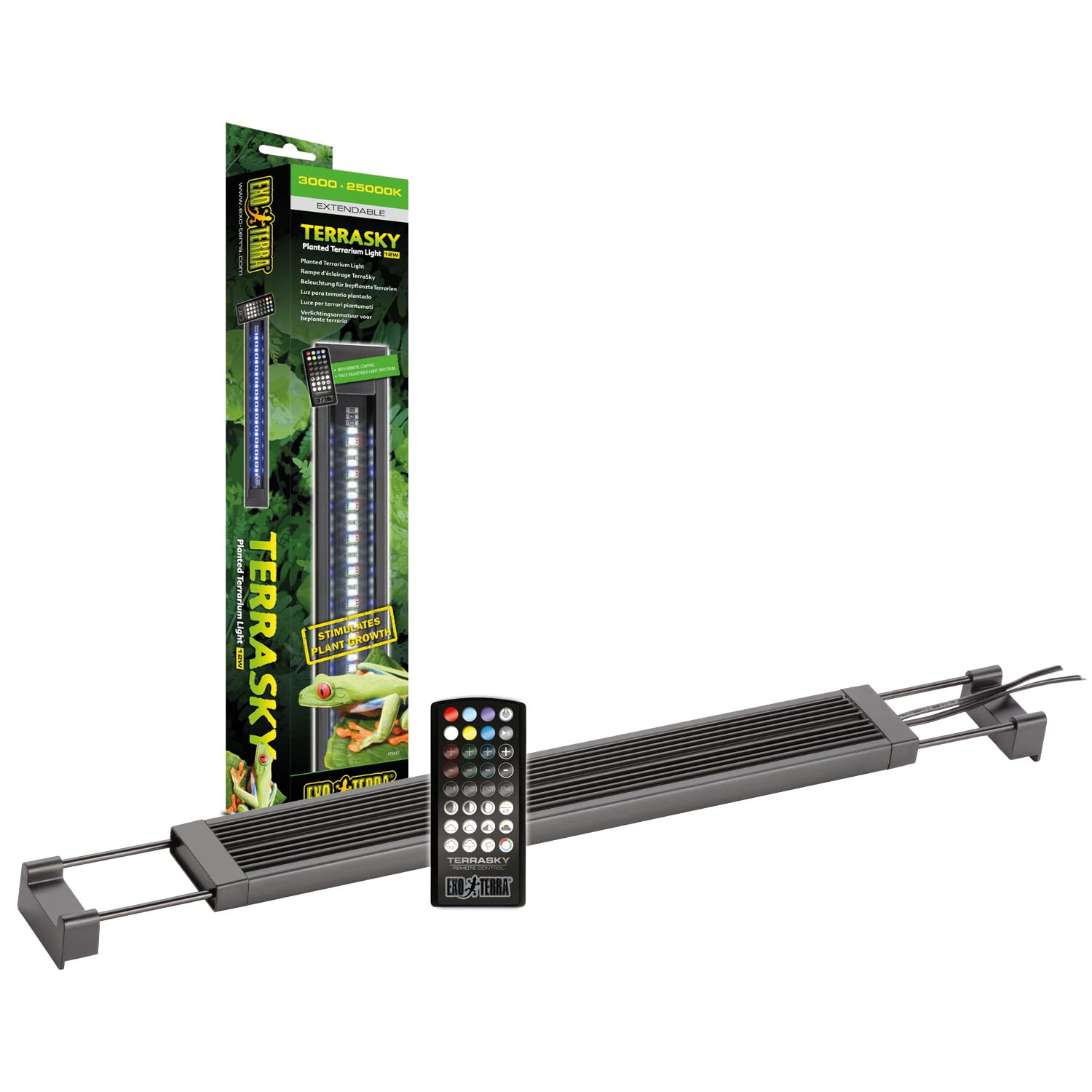
Selecting the right fixtures ensures your bearded dragon receives consistent, safe, and effective lighting and heat. The following products are widely recognized by herpetoculturists for their reliability and output.



As an Amazon Associate, we may earn from qualifying purchases.
Substrate and climbing structures
The floor of a bearded dragon’s enclosure is more than just decoration; it is a primary health determinant. The most common emergency in captive bearded dragons is impaction, often caused by the ingestion of loose, granular substrates like sand or gravel. When a dragon mistakes these particles for prey, they accumulate in the digestive tract, leading to blockages that can be fatal. To prevent this, the safest and most practical flooring options are reptile carpet, tile, or paper-based materials. These surfaces eliminate the risk of accidental ingestion while remaining easy to sanitize.
Reptile carpet mimics the texture of natural ground without the hazards. It should be cut to fit the enclosure floor precisely, with seams sealed using reptile-safe adhesive to prevent the dragon from chewing on the backing. For a more durable option that is also easy to wipe down, ceramic tile or slate tiles are excellent choices. They provide a cool surface for the dragon to rest on, which helps regulate body temperature, and they do not harbor bacteria if cleaned regularly.
Vertical space is just as critical as floor space. Bearded dragons are semi-arboreal, meaning they naturally climb to bask in the sun and survey their territory. A secure climbing structure encourages natural behaviors and provides exercise, which is vital for preventing obesity and metabolic bone disease. When selecting branches, prioritize sturdiness and appropriate thickness.
Look for live or dead branches that are at least as wide as the dragon’s head to ensure a secure grip. The branches should be anchored firmly to the enclosure walls or base so they do not shift or collapse when the animal climbs. Avoid thin twigs that could break under the dragon’s weight. A well-anchored branch system allows the dragon to move vertically with confidence, reducing stress and promoting physical health.
Feeding bowls and hydration tools
Bearded dragons are prone to metabolic bone disease if they become chronically dehydrated. Because they naturally drink from dripping foliage in the wild, standing water in a bowl can be intimidating or easily contaminated with substrate. Proper hydration tools and stable feeding dishes are not just conveniences; they are critical health interventions that prevent kidney stones and support proper digestion.
The ideal setup includes a heavy, shallow dish for water and a separate, durable container for vegetables. Ceramic or stone bowls are superior to plastic because they are heavy enough to resist tipping and easy to sanitize. For hydration, a combination of a shallow water dish and a manual misting system ensures the dragon has access to both drinking water and the humidity cues it needs to stay healthy.
Compare Bowls and Hydration Tools
The table below compares common options based on stability, ease of cleaning, and safety for active bearded dragons.
| Product Type | Stability | Ease of Cleaning | Safety Notes |
|---|---|---|---|
| Heavy Ceramic Bowl | High (Won't Tip) | Easy (Dishwasher Safe) | Best for preventing spills |
| Plastic Dish | Low (Easily Tipped) | Moderate | Can harbor bacteria in scratches |
| Glass Terrarium Dish | Medium | Easy | Can shatter if hit hard |
| Manual Spray Bottle | N/A | High (Rinse daily) | Essential for misting routine |
Recommended Feeding and Hydration Supplies
For daily feeding, choose a dish that is wide and shallow. Bearded dragons often eat from the ground, so a low profile makes it easier for them to access their food without straining. A heavy ceramic bowl, such as the PetSafe Drinkwell Ceramic Pet Bowl, provides the necessary weight to stay put during mealtime.
For hydration, a PetSafe Drinkwell Pet Fountain can encourage drinking through movement, but many owners find a simple Marineland Ceramic Water Dish more practical for spot-cleaning. Pair this with a PetReptile Spray Bottle for daily misting sessions. These tools work together to maintain the humidity and water intake levels required for optimal health.


As an Amazon Associate, we may earn from qualifying purchases.
Health monitoring and maintenance kit
A consistent daily routine is the most effective way to catch health issues early. Bearded dragons hide illness instinctively, so noticing subtle changes in behavior or physical condition is critical for preventing serious conditions like metabolic bone disease. This maintenance kit focuses on the specific tools needed for daily spot-cleaning and health observation, ensuring your dragon stays active and healthy.
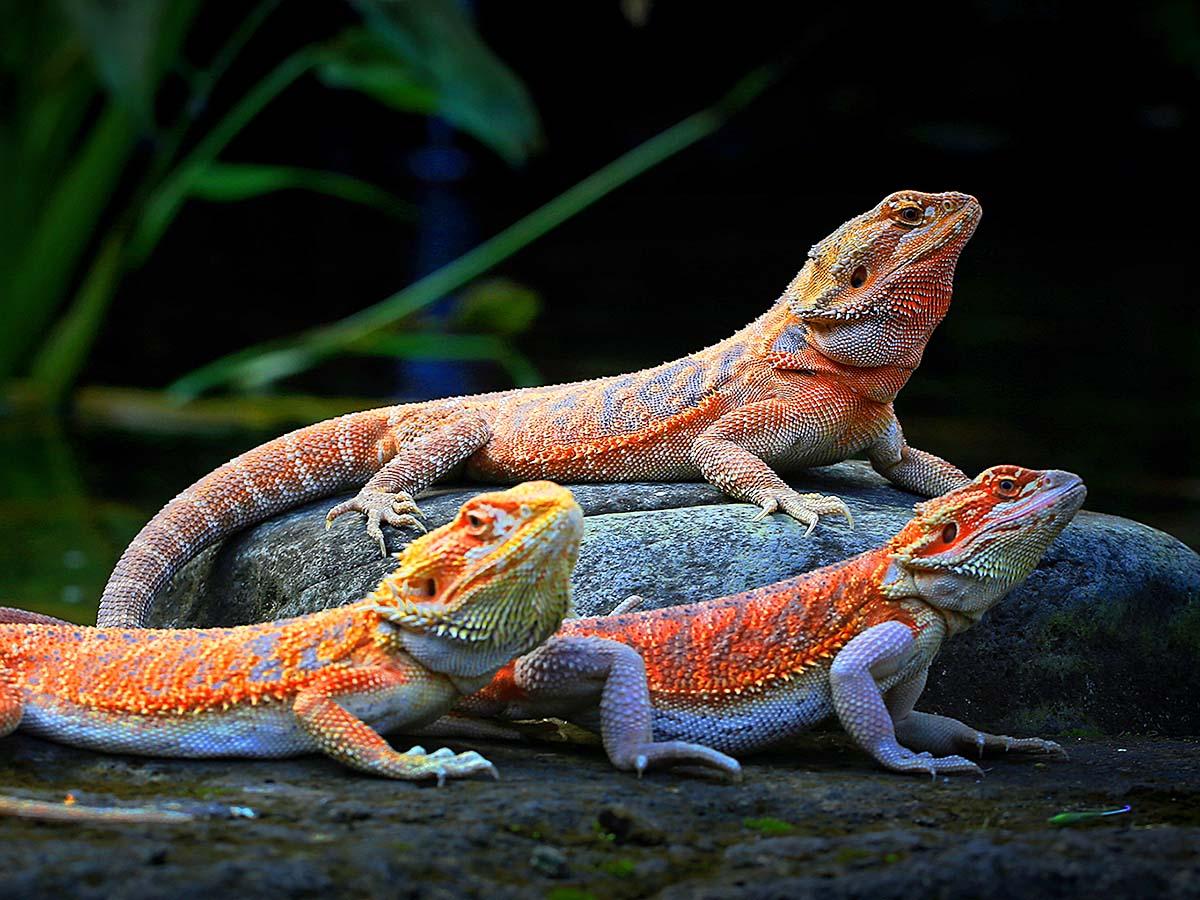
Spot-cleaning your bearded dragon's habitat daily prevents bacterial growth and reduces stress. Use a paper towel scraper or a small dustpan to remove soiled substrate, uneaten insects, and feces. Avoid using chemical cleaners during daily maintenance; a reptile-safe spray or plain water is sufficient for quick wipe-downs of basking spots and decor.
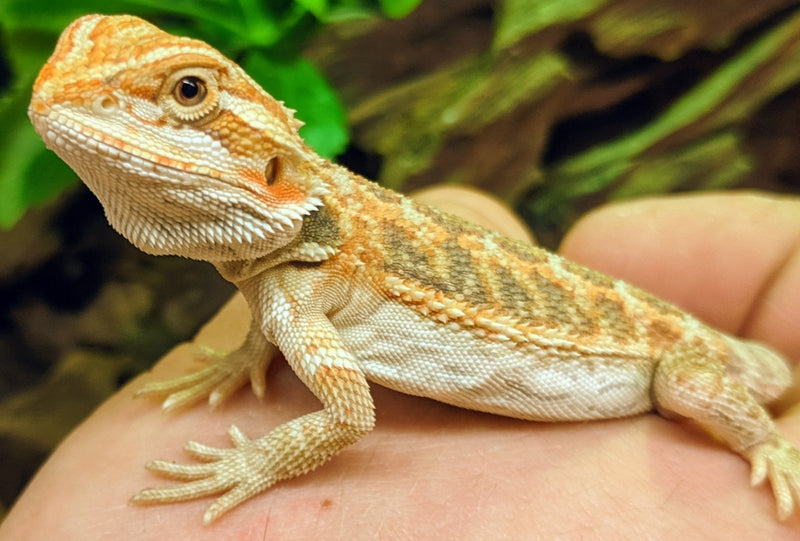
Verify that your thermal gradient remains stable every morning. Digital thermometers should be placed at both the basking area (aiming for 95-110°F) and the cool side (80-85°F). Use a hygrometer to ensure humidity stays below 40% to prevent respiratory infections. These readings should be checked before turning on lights to establish a baseline.
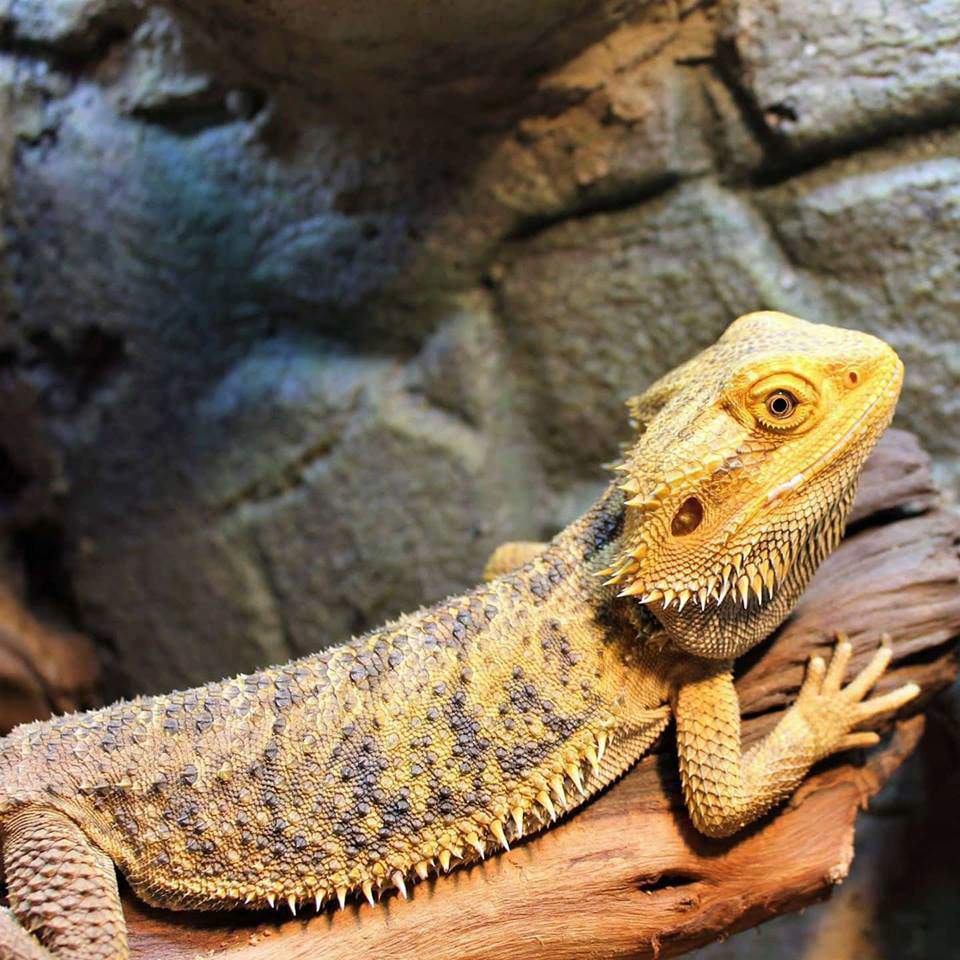
Check water bowls for cleanliness and refill with fresh, dechlorinated water. Offer a variety of greens and insects as part of the daily diet, but remove any uneaten perishable food within two hours to prevent spoilage. Observing how eagerly your dragon eats is a primary indicator of overall health and stress levels.
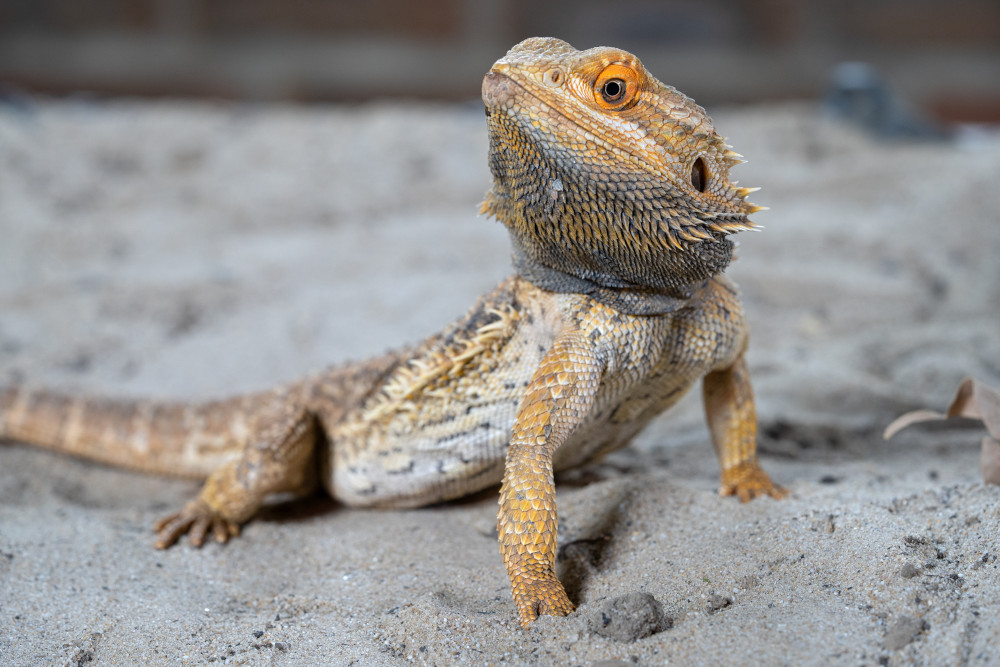
Spend a few minutes observing your dragon's behavior during feeding and basking. Look for signs of lethargy, loss of appetite, or difficulty closing eyes, which can signal infection or vitamin deficiencies. Check the skin for retained shed, particularly on the toes and tail, as incomplete shedding can restrict blood flow.


As an Amazon Associate, we may earn from qualifying purchases.
Common bearded dragon care: what to check next
New owners often hesitate over specific setup choices. These answers focus on health outcomes, such as preventing metabolic bone disease, rather than just product features.
No comments yet. Be the first to share your thoughts!