
Build the right enclosure
Start with a glass tank that provides enough floor space for your bearded dragon to thermoregulate. A juvenile needs at least a 20-gallon long tank, but an adult requires a minimum of a 4x2x2 foot enclosure. Glass retains heat well, creating the stable gradient your pet needs, but ensure the tank has adequate ventilation to prevent respiratory issues.
The substrate is the second critical choice. Loose sand is a common cause of impaction in young dragons, while fine dirt can carry parasites. For adults, a mix of topsoil and play sand (1:4 ratio) can work if you monitor their diet closely, but non-abrasive tiles are the safest bet for preventing health issues.
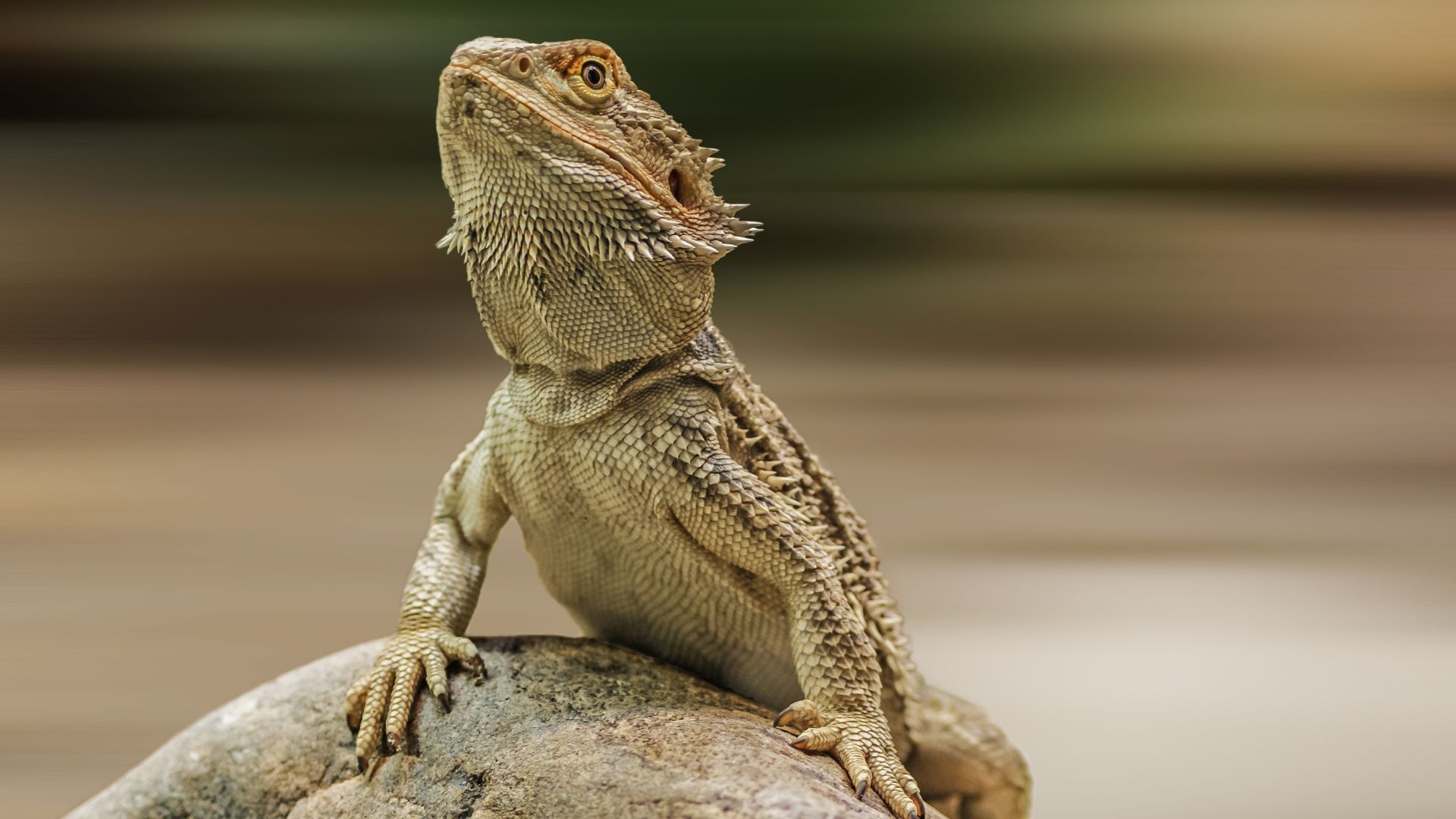
Install UVB and heat sources
Proper lighting and heating are non-negotiable for bearded dragon health. These elements regulate their metabolism, aid digestion, and enable calcium absorption. Without them, your dragon will develop metabolic bone disease, a painful and often fatal condition.
- Mount the UVB bulb over the basking area. Choose a linear fluorescent tube (T5 HO) or a high-quality compact bulb. Place it on one side of the enclosure, directly above the warmest spot. Replace UVB bulbs every 6–12 months, as they lose potency long before they burn out.
- Position the heat lamp at the basking zone. Use a ceramic heat emitter or a basking bulb to create a thermal gradient. The basking spot should reach 95–110°F (35–43°C). Cool down to 70–80°F (21–27°C) at the other end. This gradient allows your dragon to self-regulate its body temperature.
- Verify temperatures with a digital thermometer. Place one probe at the basking spot and another at the cool end. Avoid cheap analog gauges, which are often inaccurate. Check readings daily, especially during the first week, to ensure the setup matches your dragon’s needs.
Install a T5 HO linear fluorescent tube or a high-quality compact bulb. Position it directly above the basking area on one side of the enclosure. Ensure the bulb is covered by a proper fixture and not blocked by glass or acrylic, which filters out essential UVB rays.
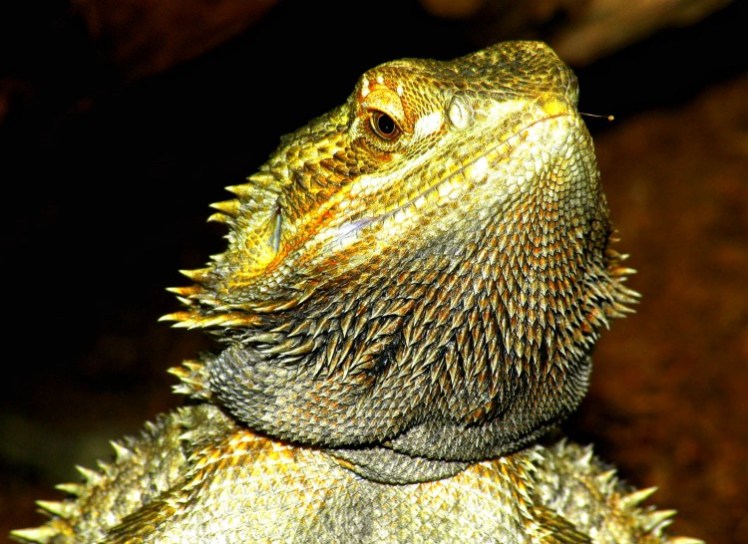
Place a basking bulb or ceramic heat emitter at one end to create a warm zone of 95–110°F (35–43°C). The opposite end should remain cooler, around 70–80°F (21–27°C). This thermal gradient is critical for thermoregulation and proper digestion.
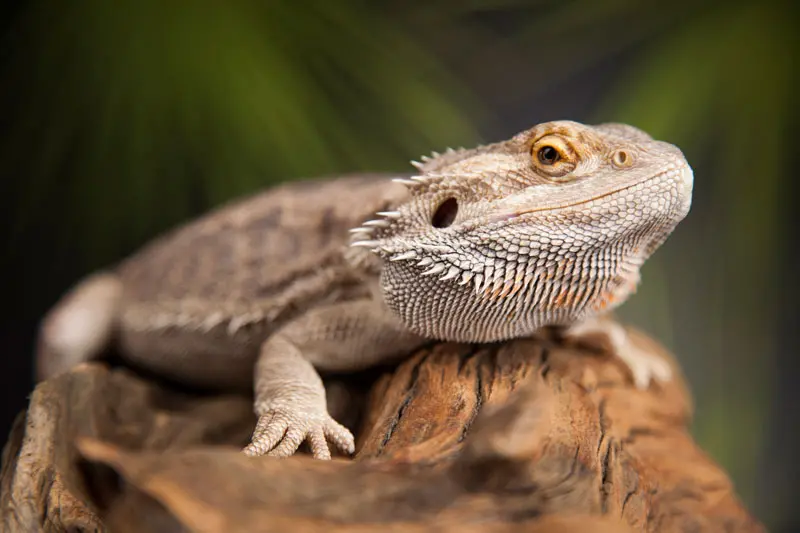
Use accurate digital thermometers to verify temperatures at both the basking spot and the cool end. Check these readings daily during the first week of setup. Avoid analog gauges, as they are often unreliable and can lead to dangerous temperature fluctuations.
Bearded dragons do not require UVB at night. For nighttime heat, use a red or blue bulb, or a ceramic heat emitter. These provide warmth without disrupting their day-night cycle.
Feed a balanced insect and plant diet
Your bearded dragon’s nutritional needs shift significantly as it matures. Juveniles require a protein-heavy diet to support rapid growth, while adults transition to primarily herbivorous meals. Adjusting this ratio prevents metabolic bone disease and obesity.
The Dietary Shift
Start by feeding insects to hatchlings and juveniles (under 6 months). Offer 20–40 small insects daily, such as crickets or dubia roaches, alongside a small amount of vegetables. As the dragon approaches six months, gradually reduce insect frequency to 2–3 times per week. By one year of age, insects should be a rare treat (1–2 times weekly), with dark leafy greens and safe vegetables making up 80–90% of the diet.
Safe vs. Unsafe Foods
Not all vegetables are created equal. Focus on dark, leafy greens like collard greens, mustard greens, and dandelion greens. These provide essential calcium and vitamins. Avoid iceberg lettuce, which offers little nutrition and high water content. Always wash produce thoroughly to remove pesticides. Dust insects with calcium powder before feeding, but avoid over-supplementing adults to prevent kidney issues.
| Life Stage | Insect Ratio | Plant Ratio | Key Insect Types | Key Plant Types |
|---|---|---|---|---|
| Hatchling (0-3 mo) | 90% | 10% | Pinhead crickets, fruit flies | Sprouts, soft greens |
| Juvenile (3-6 mo) | 50% | 50% | Crickets, mealworms | Collards, squash, bell peppers |
| Adult (6+ mo) | 10-20% | 80-90% | Occasional crickets, worms | Kale, dandelion, turnip greens |
Preparation Tips
Ensure all greens are well-hydrated. Lightly mist vegetables before offering them to help with hydration, especially since bearded dragons often get moisture from their food. Provide a humid hide with a damp sphagnum moss pad to assist with shedding and hydration. Always remove uneaten perishable food within two hours to prevent bacterial growth.
Maintain hygiene and hydration
A clean enclosure prevents bacterial infections and helps your bearded dragon stay healthy. Spot-cleaning should happen daily. Remove soiled substrate, leftover food, and feces immediately. This prevents bacteria from spreading and keeps the basking area sanitary.
Once a week, perform a full clean. Empty the entire enclosure and wash all surfaces with a reptile-safe disinfectant. Rinse thoroughly to remove any chemical residue. Replace the substrate completely. Wash food and water bowls with hot, soapy water, then disinfect them.
Hydration is equally important. Bearded dragons get most of their moisture from food and baths, but fresh water must always be available. Change the water daily to prevent algae and bacteria growth. Some dragons prefer to drink from dripping water sources or shallow dishes. If your dragon seems dehydrated, offer shallow baths in lukewarm water for 10-15 minutes. Monitor for signs of dehydration, such as sunken eyes or sticky skin.
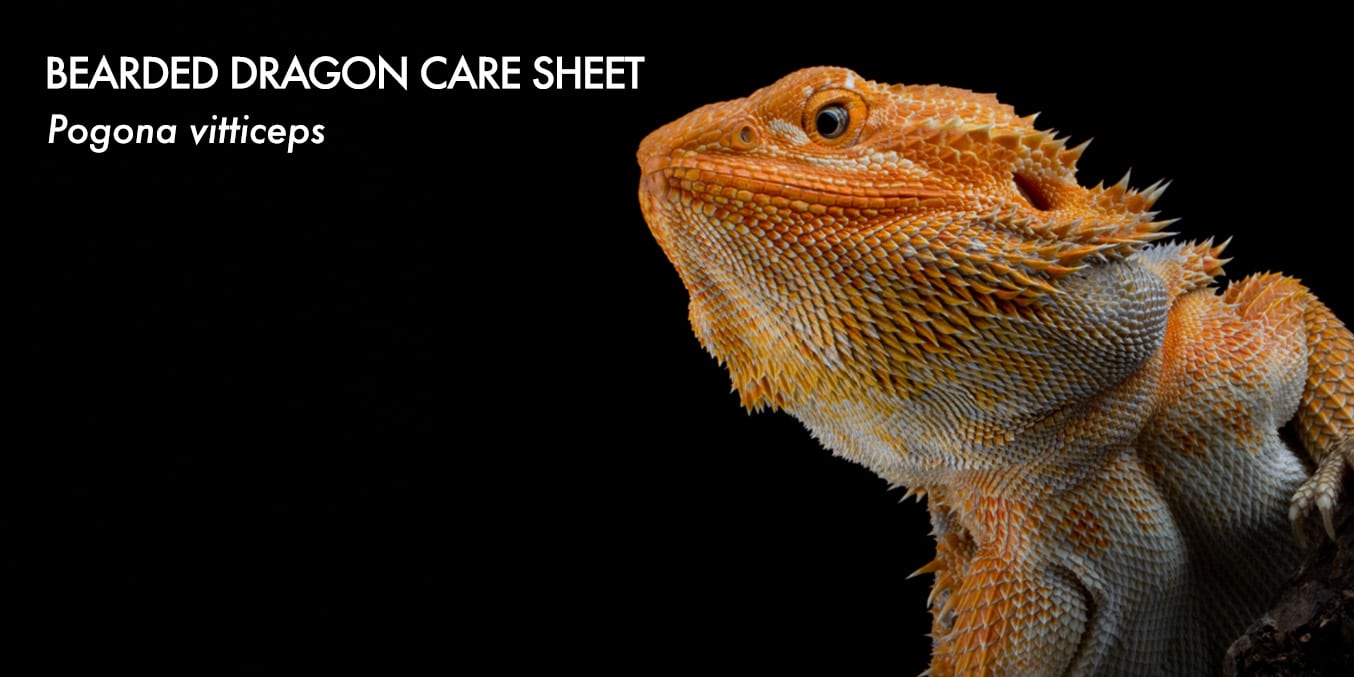
Daily and Weekly Cleaning Checklist
- Remove soiled substrate and feces daily
- Discard uneaten food and greens daily
- Wipe down basking spots daily
- Wash food and water bowls daily
- Perform full enclosure clean weekly
- Replace substrate weekly
- Disinfect all surfaces weekly
- Check and replace water filter if used
- Inspect for mold or mildew weekly
Watch for signs of good health
A healthy bearded dragon is active, alert, and maintains a consistent weight. You can spot a thriving reptile by its clear eyes, clean skin, and regular appetite. If your dragon meets these benchmarks, your husbandry is likely on the right track.
Start with the eyes. They should be bright and fully open. Sunken eyes or persistent swelling often signal dehydration or respiratory infection. Check the skin next; it should shed cleanly without retaining old scales, particularly around the toes and tail tip. Retained shed can restrict blood flow and lead to tissue loss if not addressed.
Monitor eating and excretion. Adults primarily consume dark leafy vegetables and occasional greens, while juveniles require more protein from insects. A healthy dragon eats eagerly and passes well-formed feces. Diarrhea, blood in stool, or a complete loss of appetite for more than 24 hours warrants a vet visit.
Finally, observe behavior. Bearded dragons are diurnal and should be active during the day. Lethargy, hiding for extended periods, or gasping for air are red flags. Regular weigh-ins provide an objective health metric; a sudden drop in weight is often the first sign of underlying illness before other symptoms appear.
Common bearded dragon care: what to check next
How often should I clean the enclosure?
Spot-clean the habitat daily by removing soiled substrate and uneaten food to prevent bacterial growth. Perform a thorough deep clean with reptile-safe disinfectant every two to four weeks, depending on the enclosure size and number of dragons.
Do bearded dragons need to drink from a bowl?
While they can absorb moisture through bathing and eating fresh greens, providing a shallow water bowl encourages natural drinking behavior. Change the water daily to keep it fresh, as stagnant water can harbor bacteria.
How frequently should I bathe my dragon?
Bathe juvenile dragons two to three times a week in lukewarm water to aid hydration and digestion. Adult bearded dragons typically only need bathing once a week or when they appear dehydrated, such as before shedding.
No comments yet. Be the first to share your thoughts!