

Start with the right enclosure
The enclosure is the foundation of your bearded dragon’s health. A cramped or poorly ventilated tank leads to respiratory infections and stress, while incorrect substrates cause fatal impactions. You need a space that allows for proper thermoregulation and natural behaviors.
For a single adult, a 4x2x2 foot enclosure is the minimum standard. Hatchlings and juveniles can start in a 20-gallon long tank but will outgrow it by six months. Glass tanks are common but retain humidity, which can lead to skin issues; consider a custom-built enclosure with large viewing panels to improve airflow and visibility.
Substrate choice is critical. Avoid loose sand, gravel, or corn cob, especially for juveniles, as ingestion can cause lethal intestinal blockages. Opt for reptile carpet, slate tile, or paper towels for easy cleaning and safety. If you prefer a natural look, use a soil-sand mix (70/30) or coconut fiber, but always monitor your dragon closely.
Proper ventilation prevents respiratory issues. Ensure your enclosure has adequate airflow, particularly if using glass. A well-ventilated setup helps maintain the correct humidity levels (20-40%) and keeps the environment healthy for your bearded dragon.
Install proper heat and UVB lighting
Bearded dragons rely on external heat sources to regulate their body temperature and synthesize vitamin D3. Without the correct lighting setup, they cannot metabolize calcium, leading to metabolic bone disease. Mimicking natural sunlight requires two distinct components: a basking lamp for heat and a UVB bulb for biological health. Both must be installed with precise distances and schedules to ensure safety and efficacy.
Install a ceramic heat emitter or a standard incandescent bulb on one side of the enclosure. This creates a thermal gradient. The area directly beneath the bulb should reach 100°F to 110°F (38°C to 43°C). Use a digital thermometer to verify the temperature at the basking spot, not just the air temperature in the room. This heat zone allows your dragon to digest food and stay active.
Place a linear T5 HO 10.0 UVB fluorescent tube on the opposite side of the tank from the heat lamp. Fluorescent tubes emit UVB in a cone shape, so the dragon must be within 10 to 12 inches of the bulb to receive adequate exposure. Avoid glass or plastic screens that block UV rays; use a mesh lid if ventilation is required. The UVB source should be on a timer to simulate a natural 12-hour day/night cycle.
UVB bulbs lose their emission strength over time, even if they still appear to produce light. Replace the fluorescent tube every 6 to 12 months, or sooner if the enclosure is large and requires higher intensity. Heat bulbs should be replaced whenever they burn out. Regular maintenance prevents subtle deficiencies that can cause long-term health issues like deformities or lethargy.
For authoritative details on habitat parameters, refer to the Bearded Dragon Care Sheet from PetMD. This guide covers essential temperature gradients and lighting ratios recommended by veterinary professionals.
Feed a balanced insect and vegetable diet
Bearded dragons are opportunistic omnivores, but their nutritional requirements shift dramatically as they mature. A hatchling’s diet is primarily protein-driven to support rapid skeletal growth, while an adult’s needs pivot toward fiber and calcium to maintain health and prevent metabolic bone disease. Understanding this transition is the foundation of proper care.
Hatchling and Juvenile Diet (0–6 Months)
During the first six months, bearded dragons are in a critical growth phase. Their diet should consist of approximately 80% live insects and 20% vegetables. This high-protein intake fuels their development. Feed small, gut-loaded insects such as pinhead crickets, Dubia roaches, or small mealworms multiple times a day. Offer a small pile of chopped leafy greens like collard greens or mustard greens alongside the insects. At this stage, the vegetables are supplementary but still necessary to establish foraging habits early.
Adult Diet (6+ Months)
Once a bearded dragon reaches six months of age, their digestive system changes, and their growth rate slows. The dietary ratio flips: adults require 80% vegetables and 20% insects. Feeding too many insects to an adult can lead to obesity and fatty liver disease, which are common and serious health issues.
Offer a daily salad of calcium-rich leafy greens. Good choices include collard greens, dandelion greens, turnip greens, and mustard greens. Avoid iceberg lettuce, which offers little nutritional value and can cause digestive issues. Insects should be offered two to three times a week rather than daily. Suitable options include Dubia roaches, crickets, and occasional mealworms. Always ensure insects are "gut-loaded"—fed nutritious food 24 hours before being offered to your dragon—so they pass on those nutrients.
Safe vs. Unsafe Foods
Not all foods are created equal. Some common household plants and vegetables are toxic or difficult for bearded dragons to digest. Use the table below to guide your shopping list.
| Food Item | Safety Status | Notes |
|---|---|---|
| Collard Greens | Safe | High calcium; staple green. |
| Dandelion Greens | Safe | Nutrient-dense; great variety. |
| Butterhead Lettuce | Safe | Better than iceberg, but low nutrient density. |
| Iceberg Lettuce | Unsafe | High water content; low nutrition; can cause diarrhea. |
| Avocado | Unsafe | High fat and potassium; toxic to reptiles. |
| Rhubarb | Unsafe | High oxalate content; blocks calcium absorption. |
Consistency in diet variety and proper gut-loading of insects are the most effective ways to ensure your bearded dragon thrives. Always consult a reptile veterinarian if you notice changes in appetite or stool consistency.
Monitor hydration and daily cleaning
A bearded dragon’s enclosure needs to stay clean to prevent respiratory infections and bacterial buildup. Glass tanks are the standard choice because they retain heat and humidity effectively while being easy to wipe down. However, they require more frequent spot cleaning than screen-top enclosures.
Remove droppings and uneaten food immediately. Use a paper towel or a disinfectant safe for reptiles. Avoid harsh chemicals like bleach near the dragon.
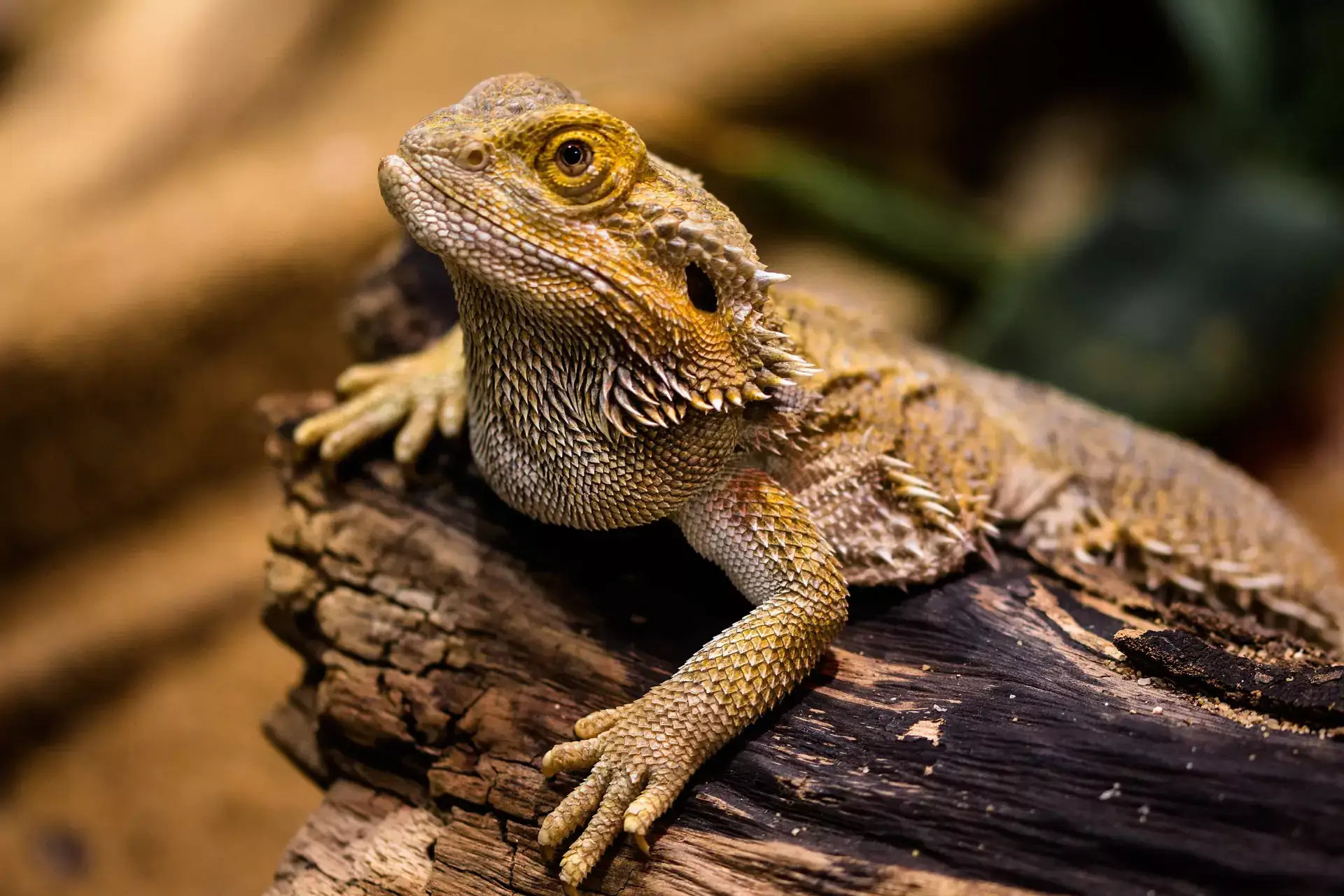
Remove all decor and substrate. Wash the enclosure with warm water and a reptile-safe disinfectant. Rinse thoroughly and let it dry completely before adding fresh substrate and decor.
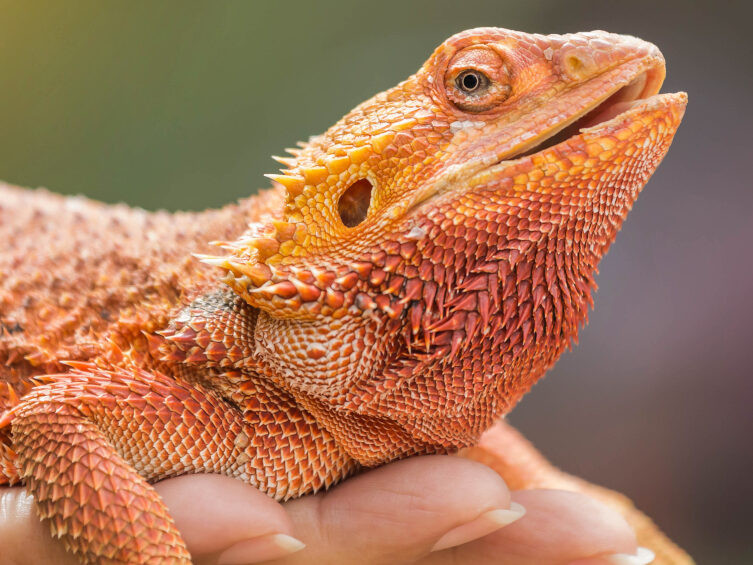
Offer a shallow dish of lukewarm water daily. Many dragons will drink from it, but most get moisture from misting or bathing. Mist the enclosure lightly once a day in dry climates to help with shedding and hydration.
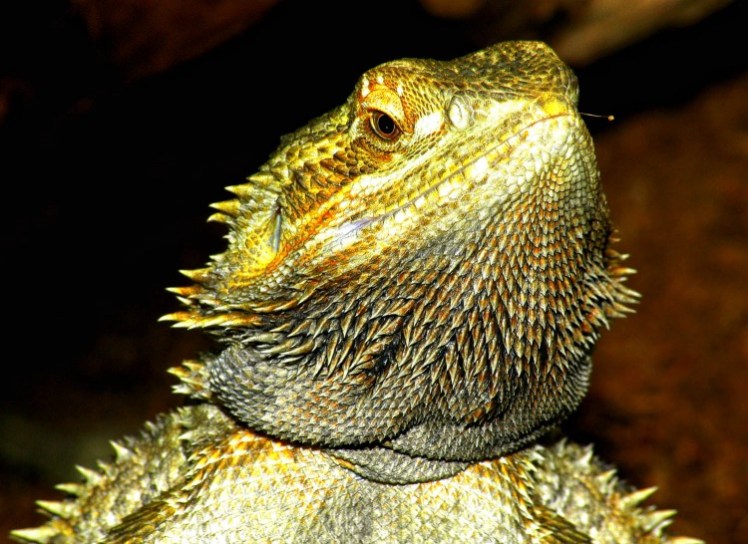
A checklist helps ensure you don’t miss routine tasks. Keep track of water changes, misting, and cleaning schedules to maintain a healthy environment.
-
Remove waste daily
-
Wash water dish daily
-
Mist enclosure if dry
-
Deep clean enclosure weekly
-
Check for mold or bacteria
Spot common health issues early
A healthy bearded dragon stays alert and active. You can catch most serious conditions early by watching for changes in behavior, appetite, or appearance. Keep a close eye on their weight, stool consistency, and skin texture during regular handling.
Metabolic Bone Disease (MBD)
MBD stems from calcium deficiency or improper UVB lighting. Look for soft, misshapen jaws or limbs, and a hunched posture. If the dragon struggles to walk or eats less than usual, it may indicate advanced bone weakening. Ensure the basking spot stays between 100°F and 110°F and the cool side is around 80°F.
Impaction
Impaction happens when undigested food or substrate blocks the digestive tract. Signs include constipation, a swollen belly, and straining without producing stool. Avoid using loose sand as substrate; opt for tile or paper towels instead. If you suspect impaction, stop feeding and consult an exotic vet immediately.
Respiratory Infections
Respiratory issues often show up as wheezing, mucus from the nose or mouth, or open-mouth breathing. These infections thrive in high humidity or cold environments. Keep enclosure humidity between 30-40% and maintain proper heating. Persistent symptoms require prompt veterinary care to prevent pneumonia.
See a care guide video
Watch this demonstration to visualize proper tank setup and handling techniques. The video covers essential parameters like maintaining a 100°F basking spot and balancing insect-to-vegetable diet ratios.
No comments yet. Be the first to share your thoughts!