

Start with the right enclosure size
The foundation of bearded dragon care is space. These lizards grow quickly and become active, territorial adults. A cramped enclosure triggers chronic stress, which suppresses their immune system and leads to health issues like metabolic bone disease.
Size requirements change as your dragon grows. Juveniles need room to climb and hunt, while adults need horizontal space to patrol their territory. Never compromise on square footage.
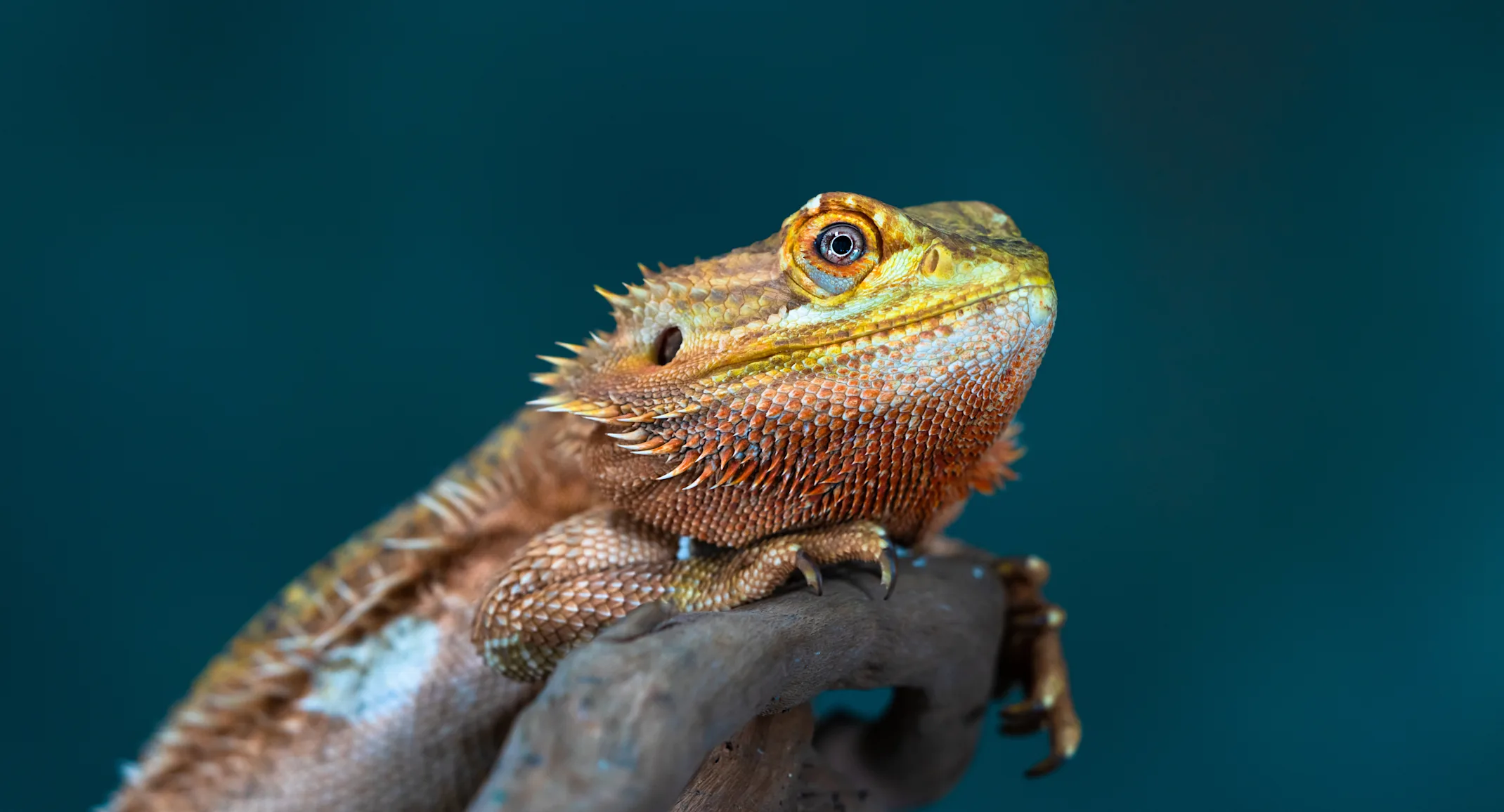
Juveniles (0–6 months): Start with a 20-gallon long tank (48" x 12" x 12"). This provides enough floor space for them to move before they outgrow it. As they approach six months, upgrade immediately.
Adults (6+ months): The absolute minimum is a 4x2x2 foot enclosure (96" x 24" x 24"). This allows for proper thermal gradients and natural behaviors. Larger is always better if your home space allows it.
Glass tanks are the standard choice because they retain heat and humidity effectively, which is helpful since bearded dragons originate from arid environments but still need stable temperatures. Ensure the tank has a secure, mesh-covered top for ventilation and climbing access.
Set up heat and UVB lighting correctly
Bearded dragons are ectotherms, meaning they rely entirely on external heat sources to regulate their body temperature and drive digestion. Without a precise thermal gradient and adequate ultraviolet radiation, your dragon cannot metabolize food or absorb calcium, leading to metabolic bone disease and other serious health issues. Setting up the lighting correctly is not optional; it is the foundation of their survival.
Install the basking lamp
Position a ceramic heat emitter or a focused basking bulb on one side of the enclosure, directly above the basking platform. This creates the "hot" end of the thermal gradient. The temperature at this specific spot must reach 95–110°F (35–43°C) during the day. Use a digital thermometer with a probe placed directly under the lamp to verify the surface temperature, not just the air temperature. This heat spot allows your dragon to raise its body temperature quickly for digestion and activity.
Place the UVB tube correctly
Install a linear T5 HO (High Output) 10.0 UVB tube light running along the length of the enclosure, mounted on the lid or just above the glass. The UVB radiation cannot penetrate glass or plastic, so if your enclosure has a glass front, the light must be positioned a few inches above the glass or the enclosure must have a mesh top. The UVB bulb should cover about two-thirds of the enclosure's length, allowing the dragon to move between the hot basking spot and a cooler area while still remaining within the UVB zone. Replace the bulb every 6–12 months, as the UV output degrades significantly even if the bulb still appears to emit light.
Monitor temperatures with dual thermometers
Place a digital thermometer/hygrometer at the cool end of the enclosure to ensure it stays between 75–85°F (24–29°C). At night, the temperature can drop to 65–75°F (18–24°C), but never below 65°F. Avoid using infrared heat lamps at night as they can disrupt the dragon's sleep cycle; instead, use a ceramic heat emitter that produces heat without light. Regularly check that the thermal gradient is stable and that the UVB bulb is functioning correctly to prevent long-term health complications.
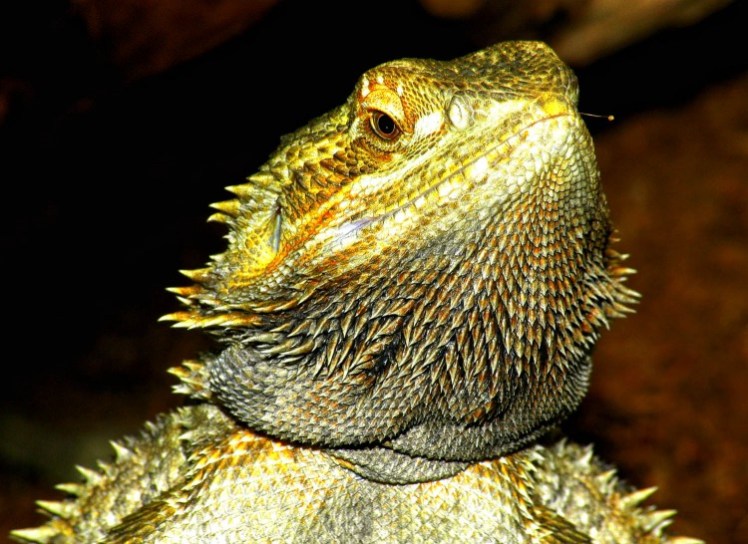
Secure the basking lamp directly above the basking platform on the hot side of the enclosure. Ensure it is stable and positioned so the dragon can reach the required 95–110°F surface temperature.
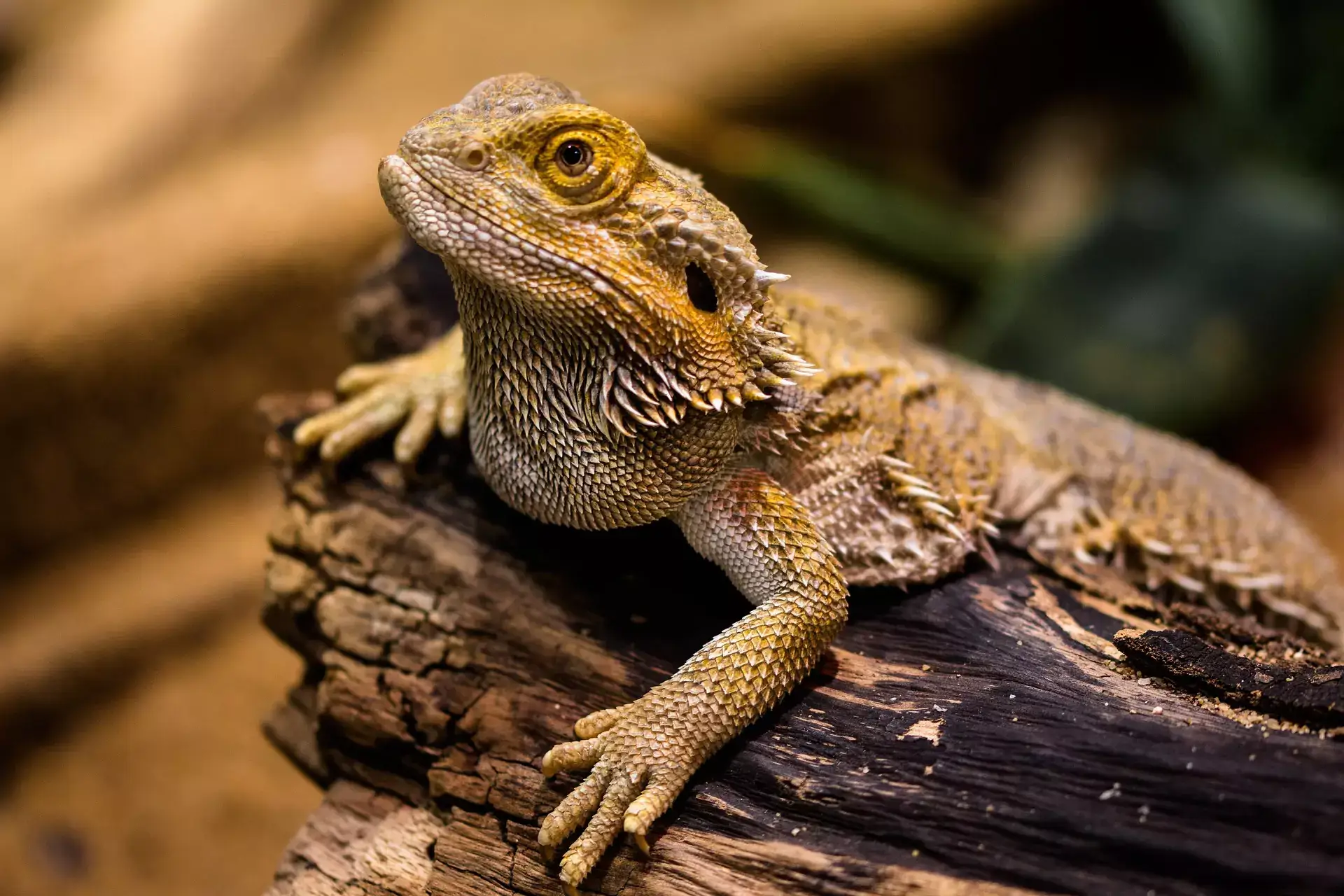
Mount the linear T5 HO 10.0 UVB tube along the length of the enclosure lid. Position it so it covers two-thirds of the tank, ensuring the dragon stays within the UVB zone while moving between hot and cool areas.
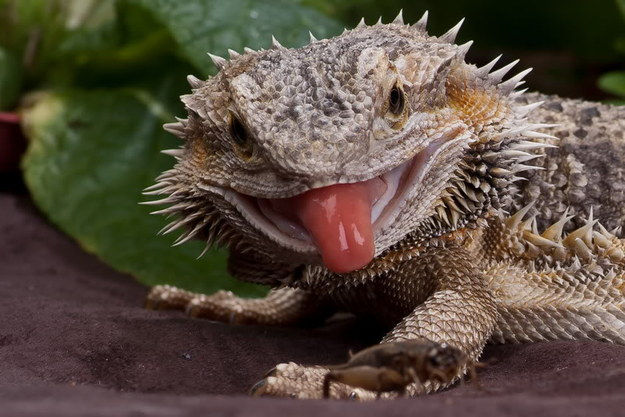
Use digital thermometers at both the hot and cool ends to confirm the gradient. Check humidity levels and ensure the night temperature does not drop below 65°F, using a ceramic heat emitter if needed.
Feed a balanced diet of greens and insects
Bearded dragons have two distinct life stages, and their plates must change with them. Juveniles are growing rapidly and need a high-protein diet to support that growth. Adults shift toward herbivory, requiring a plate mostly filled with fiber-rich greens to prevent obesity and kidney strain.
Juvenile diet: High protein
For the first six months, insects should make up the majority of your dragon’s intake. Offer crickets, dubia roaches, or mealworms daily. The goal is to provide enough protein for steady growth without overfeeding, which can lead to metabolic bone disease.
Adult diet: High fiber greens
Once your dragon reaches adulthood (around 18 months), reduce insect offerings to two or three times a week. The rest of the diet should consist of dark leafy vegetables like collard greens, mustard greens, and dandelion greens. Romaine lettuce is acceptable but lacks the nutritional density of darker varieties.
The gut-loading method
Think of gut-loading as pre-digesting nutrition for your reptile. You feed the insects nutrient-dense vegetables 24–48 hours before offering them to your dragon. This ensures the insect’s gut contents are rich in vitamins, which then transfer to your pet when eaten. It is far more effective than simply dusting the insects with supplements.
Toxic foods to avoid
Certain common vegetables are harmful to bearded dragons. Avoid iceberg lettuce, which has almost no nutritional value and can cause digestive issues. Spinach and rhubarb contain oxalates that bind calcium, making it unavailable to your dragon. Avocado and onions are also toxic and should never be offered.
Daily feeding checklist
-
Mist fresh greens with water to increase hydration
-
Dust insects with calcium and vitamin D3 powder
-
Offer a portion of insects appropriate for age
-
Provide a bowl of fresh, dechlorinated water
Spot clean the tank daily
Daily spot cleaning is the most effective way to maintain a healthy habitat for your bearded dragon. This routine removes waste, uneaten food, and soiled substrate before bacteria or parasites can take hold. It is a quick task that prevents odors and keeps the enclosure sanitary between deeper cleans.
Start by removing any uneaten insects or vegetables. Discard any feces or shed skin immediately. Use a paper towel or a damp cloth to wipe down surfaces that have been soiled. If you use a loose substrate like sand or soil, carefully scoop out the contaminated areas and replace them with fresh material.
Don’t forget the water and food bowls. Wash them with warm water and a reptile-safe disinfectant or mild soap every time you spot clean. Rinse thoroughly to remove any chemical residue. Dry the bowls before placing them back in the tank to prevent unwanted moisture buildup.
A clean tank reduces the risk of respiratory infections and metabolic bone disease. It also makes it easier to monitor your dragon’s health by allowing you to spot any changes in their waste or behavior. PetMD recommends daily spot cleaning as a fundamental part of bearded dragon care 1.
Watch for signs of illness
Bearded dragons are masters at hiding discomfort, often continuing to eat and move normally until a condition becomes severe. Catching issues like metabolic bone disease (MBD), respiratory infections, or impaction early is the difference between a simple treatment and an emergency. Your daily interactions are your best diagnostic tool.
Check your dragon’s body posture and behavior every time you handle it. A healthy dragon sits upright with a flat spine. If you notice a curved spine, drooping limbs, or a soft, pliable skull, these are classic signs of MBD caused by calcium or vitamin D3 deficiency. Similarly, watch for lethargy or loss of appetite, which often precede more visible symptoms.
Pay close attention to breathing and the mouth. Open-mouthed breathing, wheezing, or bubbling from the nose or mouth indicates a respiratory infection, which requires immediate veterinary attention. For impaction, look for straining without producing stool, a swollen abdomen, or a complete lack of bowel movements for several days.
Because reptiles hide illness so effectively, regular check-ups with a qualified exotic veterinarian are essential. They can perform physical exams and X-rays to detect internal issues before they become critical. If you notice any of the signs above, prioritize professional care over home remedies.
Common bearded dragon care: what to check next
New owners often worry about keeping their lizard alive and happy. Here are the answers to the most frequent questions about lifespan, handling, and environment.
No comments yet. Be the first to share your thoughts!