

Start with the right enclosure size
A bearded dragon’s enclosure size is the single most important factor in its long-term health. Too much space forces the animal to expend energy just to find its heat source, while too little space causes chronic stress, poor appetite, and skeletal issues. The goal is to provide a floor plan that allows the dragon to move freely, thermoregulate effectively, and exhibit natural behaviors without feeling confined.
Minimum Dimensions
For a single adult bearded dragon, the absolute minimum floor space is a 4-foot (120 cm) enclosure. This size allows for a proper thermal gradient—a hot basking zone on one end and a cooler zone on the other. A 2-foot or 3-foot tank is often sold in pet stores as "starter" housing, but it is insufficient for an adult. As they grow, bearded dragons become more active and territorial; a cramped environment leads to stress-related behaviors like head bobbing, arm waving, or glass surfing.
Enclosure Material: Glass vs. PVC
The material of the enclosure affects both temperature stability and the animal’s psychological comfort. Glass tanks are common and easy to clean, but they lose heat quickly and can cause stress if the animal sees its own reflection. PVC enclosures offer better insulation and humidity retention, which can be beneficial in drier climates. However, they require more careful monitoring to prevent excessive humidity, as bearded dragons are desert animals that thrive in low-humidity environments.
Vertical Space and Ventilation
Bearded dragons are primarily ground-dwelling, but they do climb. While height is less critical than floor space, a tall enclosure allows for better vertical temperature stratification, which can help maintain a stable heat gradient. Ensure the enclosure has adequate ventilation to prevent stale air and mold growth, but avoid drafts that could chill the animal. A secure lid is essential, as bearded dragons are known escape artists, especially when young and curious.
Install heat and lighting correctly
A bearded dragon’s enclosure is not just a box; it is a controlled climate system. The two most critical components are a thermal gradient and ultraviolet light. Without these, the animal cannot regulate its body temperature or process calcium, leading to metabolic bone disease. This condition causes soft, deformed bones and is often fatal. Setting up the heat and UVB sources correctly is the first and most important step in bearded dragon care.
Create a thermal gradient
Bearded dragons are ectothermic, meaning they rely on external heat sources to regulate their internal temperature. They need a "hot side" for digestion and a "cool side" to prevent overheating. You must create a gradient across the length of the enclosure, not just a single hot spot.
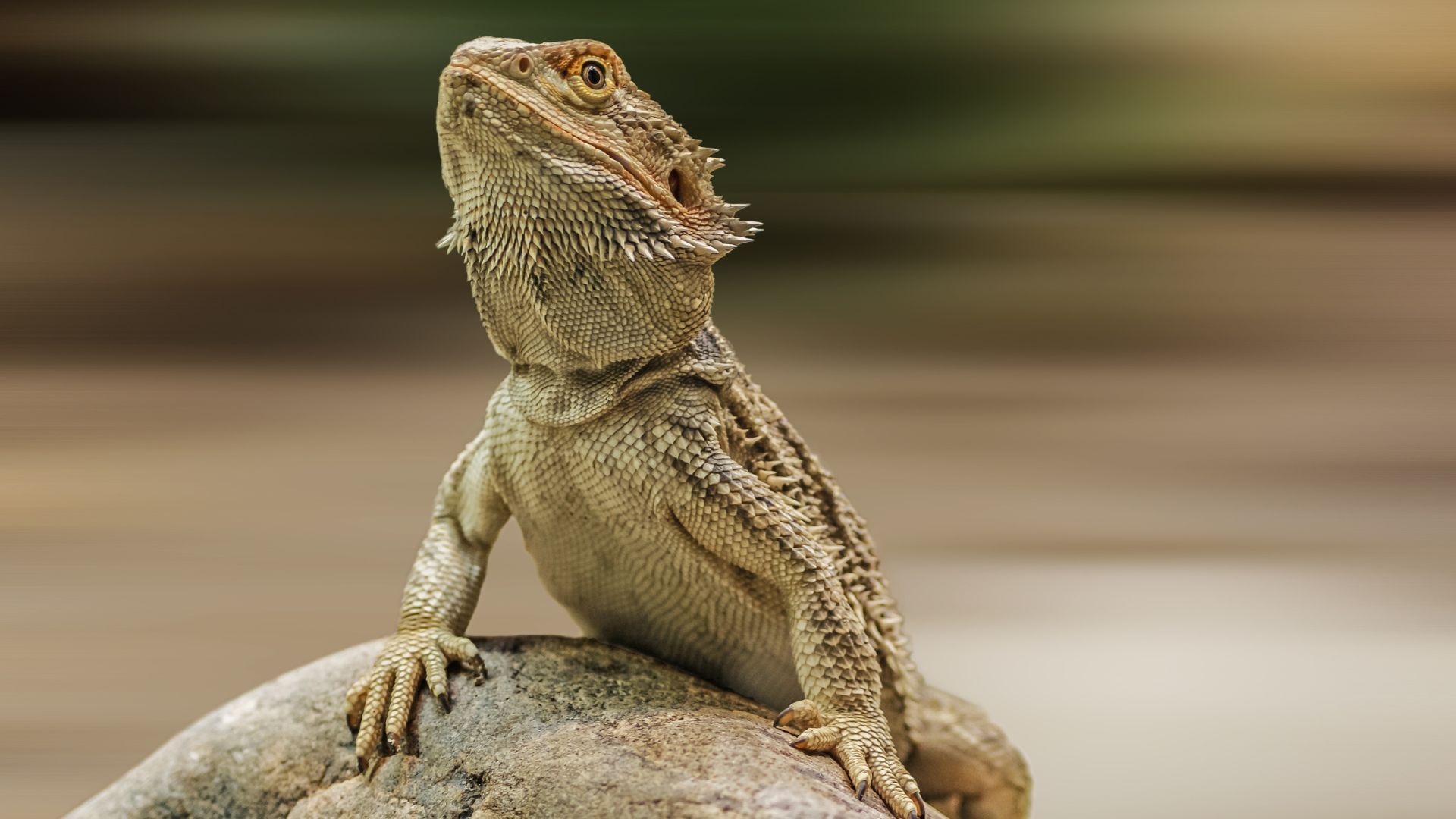
Install a high-wattage basking bulb (65-100W depending on enclosure size) over the highest perch or rock on one end of the tank. This creates the primary heat source. The temperature at this basking spot should reach 95–110°F (35–43°C) when measured with a digital thermometer gun. This heat is essential for digestion and immune function.
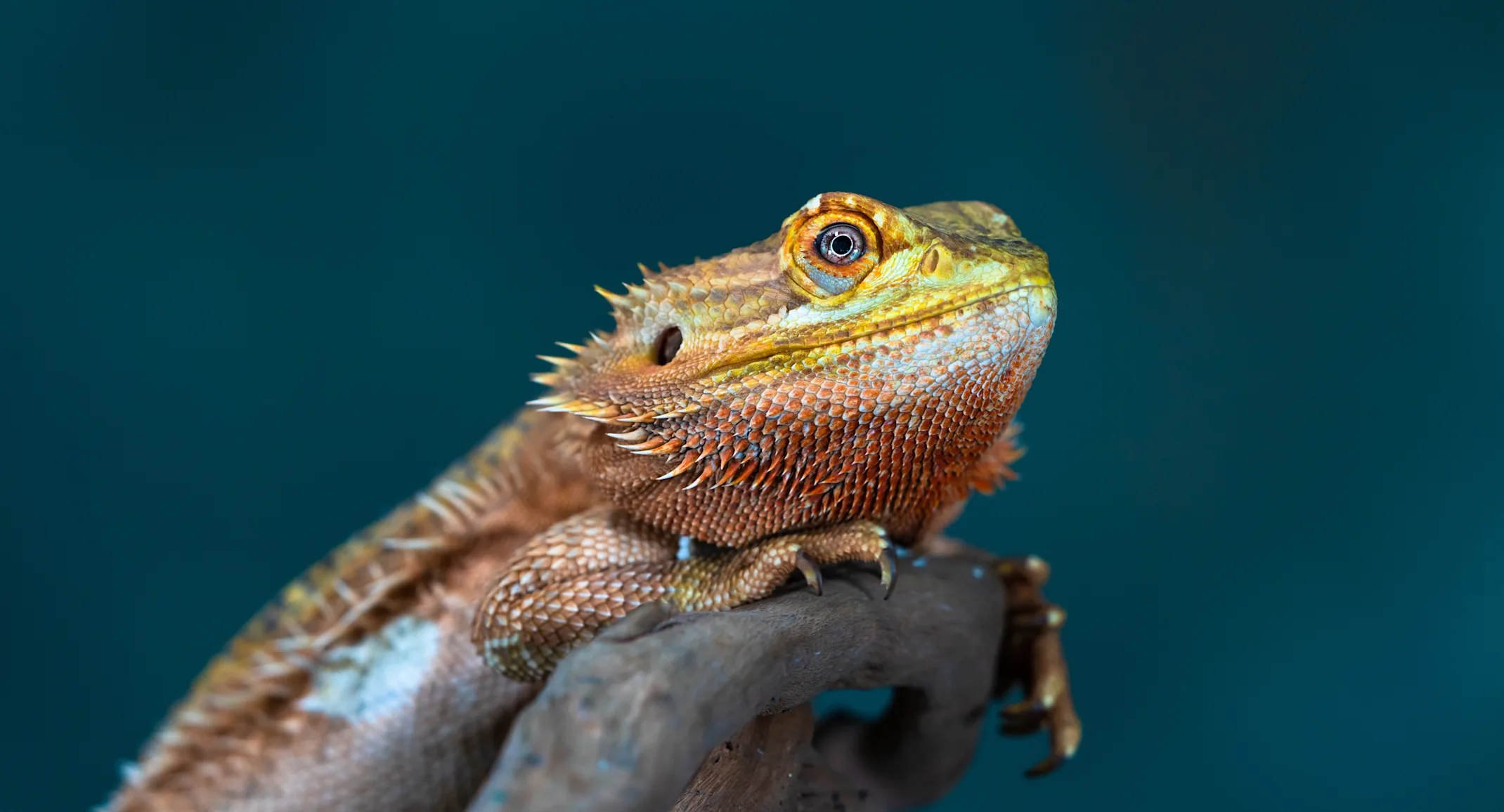
On the opposite end of the enclosure, the temperature should drop to 75–85°F (24–29°C). This allows the animal to move away from the heat when it becomes too warm. If the entire tank is hot, the dragon cannot thermoregulate, which causes chronic stress and health issues. Ensure there are no heat sources directly over the cool side.
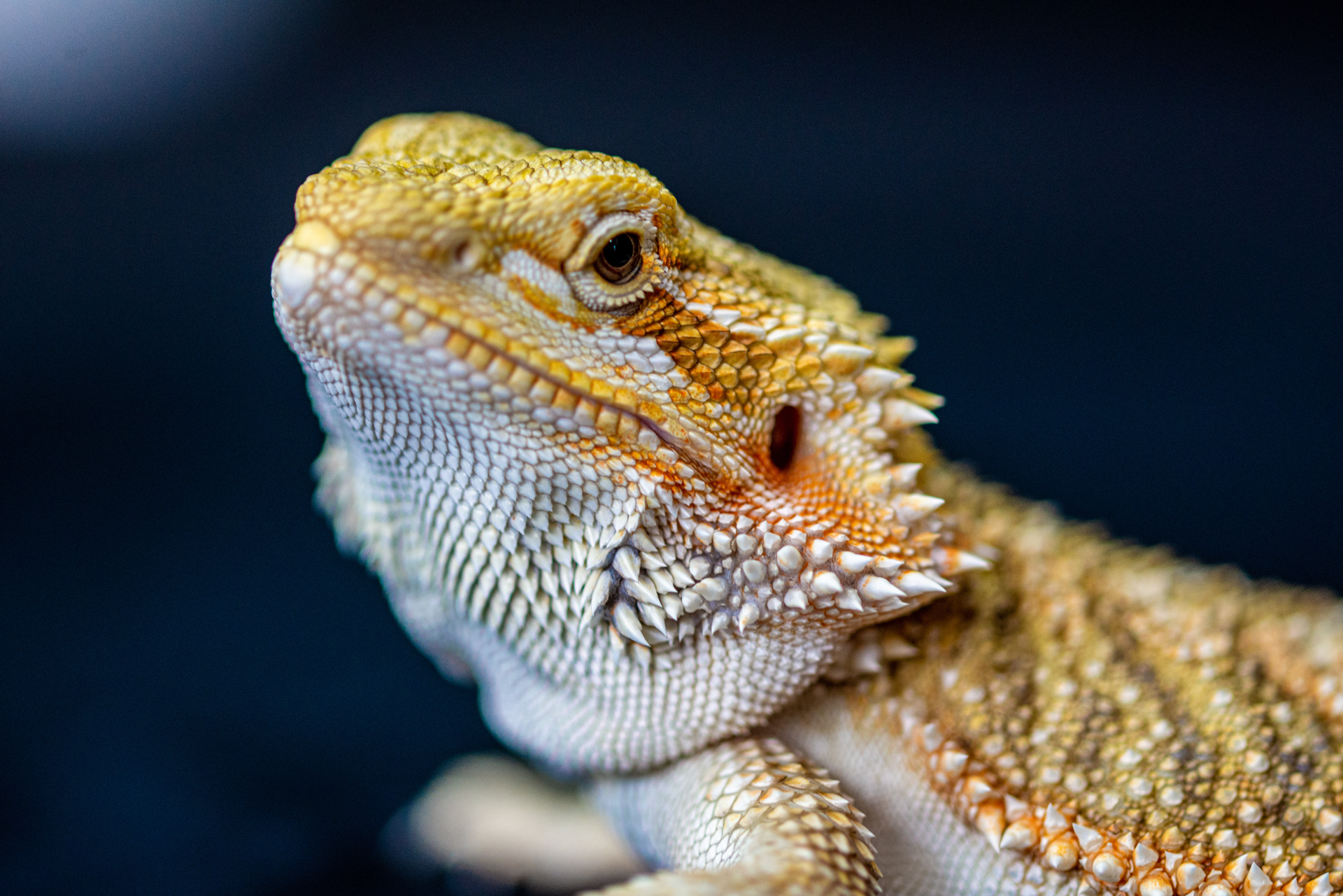
Place digital thermometers or thermohygrometers on both the hot and cool sides of the enclosure. Check these readings daily. Ambient room temperature changes can affect the enclosure's gradient, so you may need to adjust bulb wattage or use a dimmer switch to maintain the correct range. Consistent monitoring prevents accidental overheating or chilling.
Install the UVB lighting
Ultraviolet B (UVB) light is non-negotiable for bearded dragons. It triggers the synthesis of vitamin D3 in their skin, which allows them to absorb calcium from their food. Without UVB, bearded dragons develop metabolic bone disease (MBD), characterized by weak, deformed bones and jaw deformities. Unlike basking lamps, UVB bulbs degrade over time and must be replaced regularly.
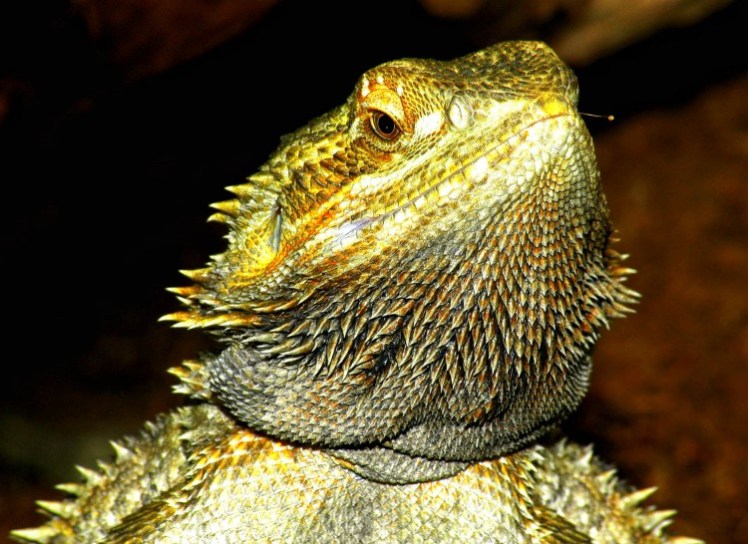
Use a linear fluorescent tube (T5 HO) or a high-quality spiral bulb specifically rated for 10.0 UVB output. Avoid "heat-emitting" UVB bulbs or low-output "5.0" bulbs meant for less demanding species. T5 HO tubes provide the strongest and most effective UVB coverage. Ensure the bulb is designed for reptiles and emits UVB wavelengths between 290–320nm.
Mount the UVB bulb over the basking area, directly above the heat lamp if using a fixture that supports both. The bulb must be within 10–12 inches of the basking surface to be effective. Glass and acrylic terrariums block UVB rays, so if your enclosure has a glass front, the bulb must be placed inside the tank. Plastic or mesh tops do not block UVB.
UVB bulbs lose their effectiveness even if they still appear to emit light. Replace linear T5 HO tubes every 6–12 months and spiral bulbs every 6 months. Mark your calendar or use a reminder app. Relying on an old bulb is a common mistake that leads to hidden health crises. Always handle new bulbs with gloves or a cloth to avoid skin oils reducing their lifespan.
Verify the setup
Before introducing your bearded dragon, double-check that the gradient and UVB are functioning as intended. Use a reliable digital thermometer and a UVB meter if available. Ensure the basking spot is hot enough for digestion but not so hot that it causes burns. The cool side must remain comfortably cool. Once verified, your bearded dragon will have the foundation it needs to thrive.
Feed a balanced insect and vegetable diet
A bearded dragon’s diet shifts dramatically as it matures. Juveniles need protein to fuel rapid growth, while adults require fiber and nutrients to maintain health. Feeding the wrong ratio for their age is the most common cause of metabolic bone disease and obesity in captivity.
Juveniles (0–18 months)
Young bearded dragons are omnivores with a heavy insect bias. Offer insects at every meal, making up about 80% of their intake. Good choices include crickets, dubia roasters, and black soldier fly larvae. Provide small amounts of vegetables and fruits, but do not let greens crowd out the protein they need to grow.
Adults (18+ months)
Once your dragon reaches adulthood, the ratio flips. Insects should make up only 20% of the diet, while dark leafy greens and vegetables provide the remaining 80%. Focus on calcium-rich options like collard greens, mustard greens, and dandelion greens. Avoid iceberg lettuce, which offers little nutritional value and can cause digestive issues.
Supplementation and Gut-Loading
Insects must be "gut-loaded" before feeding. Place them in a bin with fresh vegetables for 24 hours so they absorb nutrients. This is more effective than dusting the insects alone. Dust the insects with a calcium supplement containing vitamin D3 before every meal for juveniles, and 2–3 times a week for adults. Always provide fresh, dechlorinated water in a shallow dish, changing it daily to prevent bacterial growth.
Weekly Feeding Checklist
- Daily: Offer fresh, chopped dark leafy greens and vegetables.
- Daily: Spot-clean the enclosure, removing any uneaten insects or soiled substrate.
- Daily: Change water bowls and check hydration levels.
- Every other day: Feed gut-loaded insects (adults only).
- Weekly: Dust insects with calcium + D3 supplement before feeding.
- Monthly: Rotate vegetable varieties to ensure a broad nutrient profile.
Maintain hygiene and humidity levels
Bearded dragons are desert reptiles that thrive in low-humidity environments, but they still require a clean habitat and occasional moisture to shed properly. Neglecting these basics leads to health issues like retained shed and bacterial infections.
Daily cleaning routine
Spot-clean the enclosure every day to prevent bacterial growth. Remove soiled substrate, uneaten insects, and feces immediately. PetMD recommends washing food and water bowls with hot, soapy water daily, then rinsing thoroughly to remove any soap residue [[src-serp-7]].
Deep clean the entire enclosure weekly. Empty all substrate, scrub surfaces with a reptile-safe disinfectant, and rinse well before adding fresh bedding. This routine keeps the habitat sanitary and reduces odor.
Creating a humid hide
While bearded dragons do not need high humidity overall, they require a humid hide to help them shed their skin completely. Without it, shed can remain stuck on toes or the tail tip, potentially causing circulation problems.
Create a humid hide using a small plastic container or half-log with a damp (not wet) paper towel or sphagnum moss inside. The area should feel moist to the touch but not dripping. Place it in the cooler end of the enclosure so the dragon can retreat there during shedding. Check daily to ensure the moisture level remains consistent.
Watch for signs of illness or stress
Bearded dragons are prey animals and hide illness well. Any sign of lethargy or refusal to eat for more than 24 hours warrants a vet visit.
Check your dragon’s behavior and body daily. Look for changes in appetite, activity level, and stool consistency. Note any swelling, discharge, or difficulty breathing. Early detection of these signs can prevent serious health issues.
Lethargy and Appetite Changes
A healthy bearded dragon is active and eager to eat. Lethargy or loss of appetite can signal stress, illness, or incorrect enclosure conditions. Check your enclosure’s temperature and lighting first. If conditions are correct and your dragon remains inactive or refuses food for more than a day, consult an exotic vet.
Respiratory Issues
Listen for wheezing, clicking, or open-mouth breathing. Look for mucus around the nose or eyes. These are signs of a respiratory infection. Keep the enclosure clean and at the correct temperature. If symptoms persist, seek veterinary care immediately.
Tail Whipping and Stress
Tail whipping can indicate stress or aggression. Observe your dragon’s body language. Ensure the enclosure is not overcrowded and provide hiding spots. Reduce handling if your dragon seems anxious. If stress behaviors continue, review your enclosure setup and daily routine.
Common bearded dragon care: what to check next
These answers address the most frequent concerns for new and experienced owners. They focus on immediate, actionable details regarding housing, health, and behavior.
No comments yet. Be the first to share your thoughts!