

Start with the right enclosure
The enclosure is the foundation of bearded dragon care. It must hold heat, retain humidity, and allow for movement. Glass tanks are the standard choice because they are easy to clean and maintain, though they require careful ventilation management to prevent respiratory issues. 1
Tank size requirements
Size is the most critical factor. A common mistake is starting with a small tank. Hatchlings and juveniles need at least a 20-gallon long tank, which is roughly 30 inches long. However, they grow quickly. An adult bearded dragon requires a minimum of a 4x2x2 foot enclosure. Anything smaller restricts their natural movement and can lead to stress and health problems.
Essential hardware checklist
Before bringing your dragon home, ensure you have these core items:
-
4x2x2 foot glass tank or custom enclosure
-
UVB bulb (T5 HO linear type recommended)
-
Basking bulb with ceramic or porcelain socket
-
Thermometers (digital probe for basking, hygrometer for humidity)
-
Substrate (tile, slate, or reptile carpet)
-
Hide spots (one warm, one cool)
-
Water bowl (large enough for soaking)
Set up heat and lighting correctly
Bearded dragons are ectotherms, meaning they rely entirely on external heat sources to regulate their body temperature. Without a proper thermal gradient and UVB lighting, they cannot digest food, produce vitamin D3, or maintain a healthy immune system. Setting up these elements requires precision, not guesswork.
The enclosure must provide a distinct temperature range. This allows the dragon to move between a warm basking zone and a cooler retreat. UVB lighting is equally critical for preventing metabolic bone disease. Follow this sequence to install and calibrate your setup correctly.
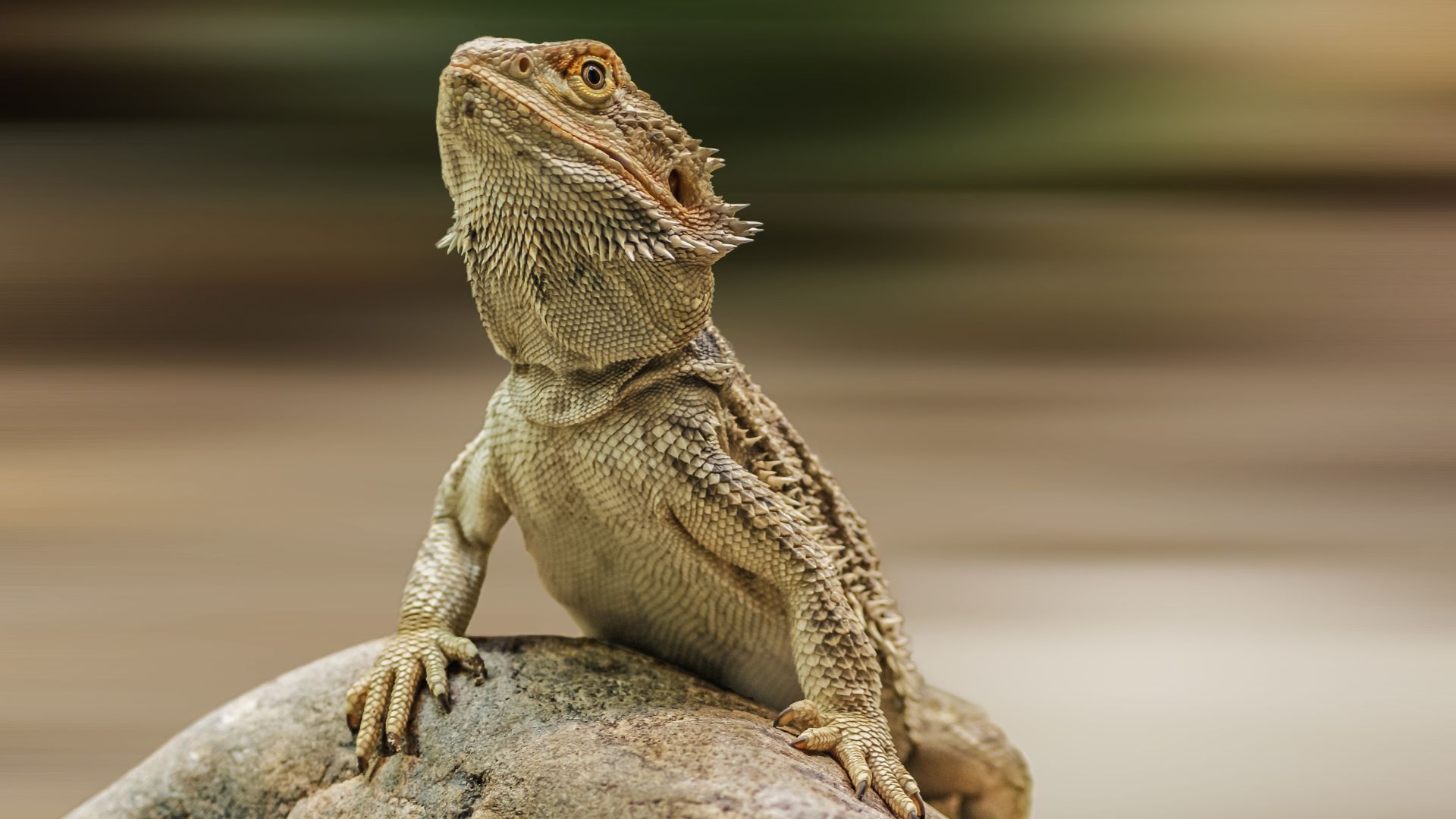
Position the basking lamp on one side of the enclosure, directly above a sturdy branch or rock. This creates the "hot spot" where the dragon will spend most of its active hours. Ensure the fixture is securely mounted to prevent it from falling. Use a clamp lamp or a ceramic socket designed for high-wattage bulbs.
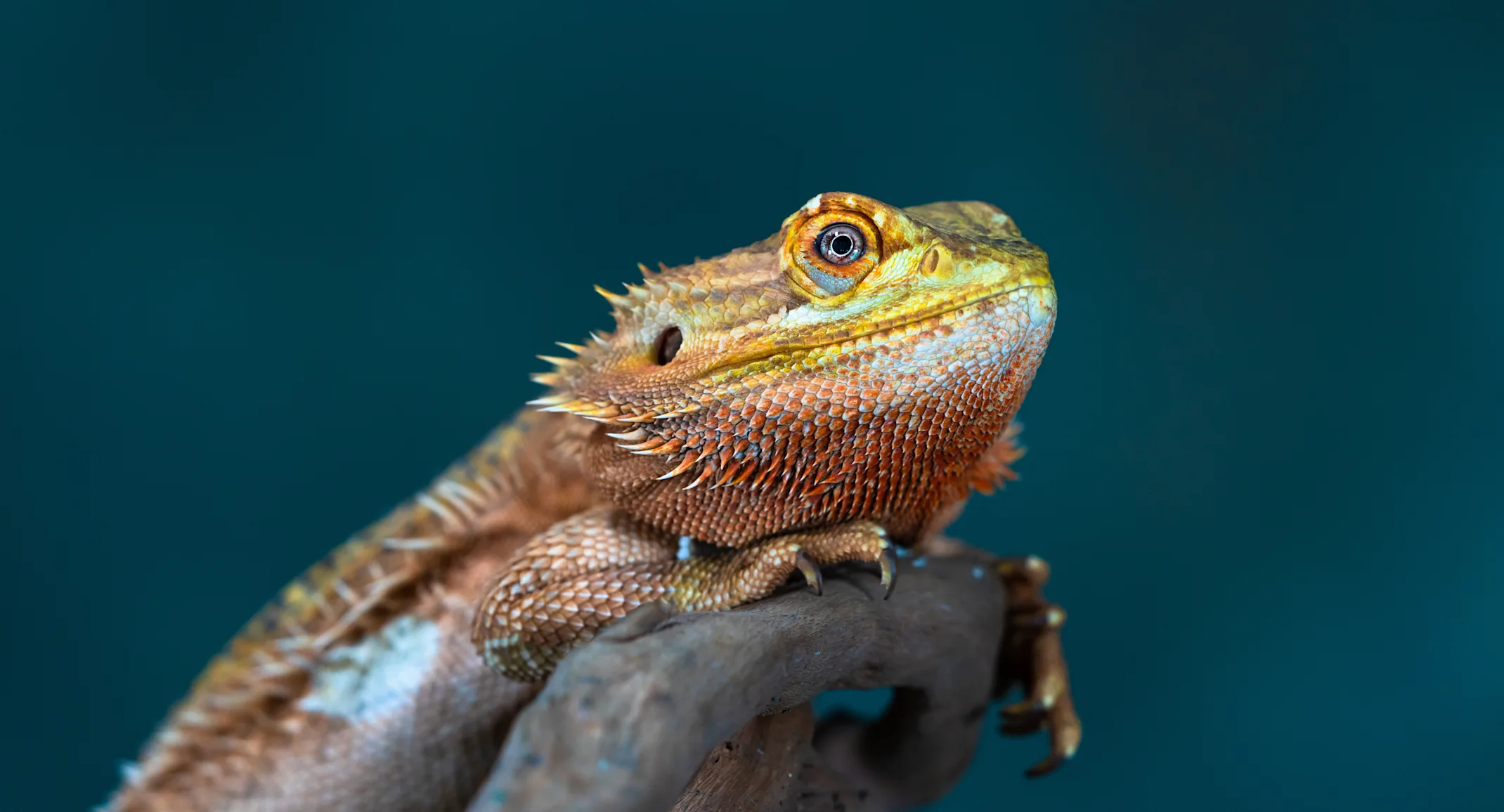
Mount a linear T5 HO UVB tube or a high-output spiral bulb on the opposite end of the enclosure from the heat source. The bulb should be mounted on the top of the enclosure, not the side, to allow UV rays to travel the necessary distance. UVB light does not penetrate glass or plastic, so ensure the fixture has no cover that blocks the spectrum.
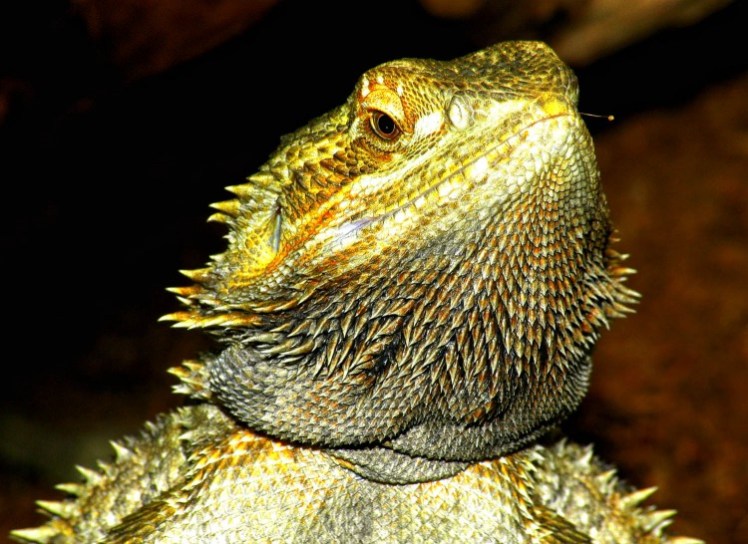
The basking spot should reach 95–110°F (35–43°C) for adults, while the cool end should stay around 75–85°F (24–29°C). This gradient allows the dragon to self-regulate its body temperature. Place a thermometer or digital probe at both the basking rock and the opposite end to verify the range. Adjust the bulb height or wattage if the temperatures are too high or low.
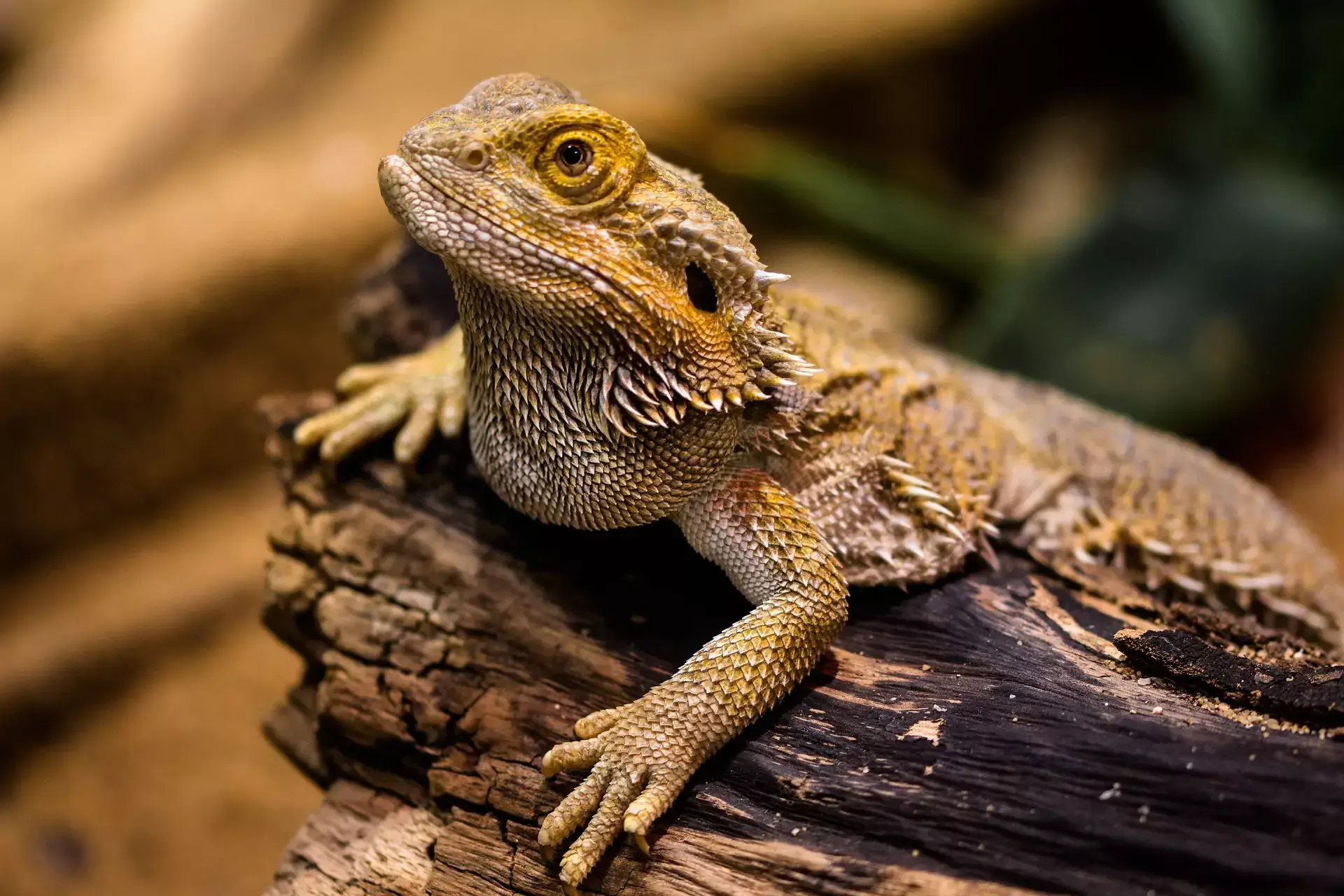
Relying on the bulb's wattage alone is inaccurate. Use a digital thermometer to check the surface temperature of the basking rock. Use a UVB meter (pyranometer) to measure the UVB output at the basking spot. The reading should be between 30–50 µW/cm² at the basking area. This ensures the dragon receives enough UVB to synthesize vitamin D3 effectively.
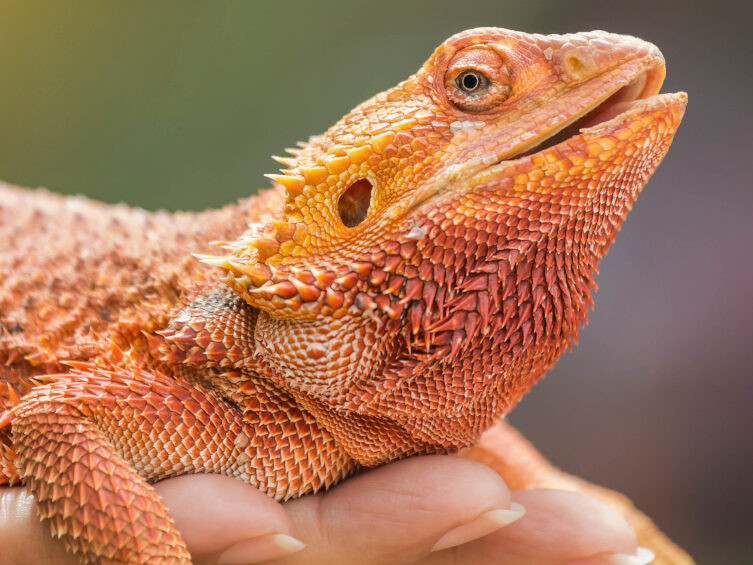
Connect your heat and UVB fixtures to a timer to maintain a consistent day/night cycle. Provide 10–12 hours of light and heat daily, mimicking natural daylight. Turn off all lights at night; bearded dragons do not need a red night bulb, and darkness is essential for their rest and hormonal balance. Avoid using ceramic heat emitters that emit no light as a primary UVB source, as they provide no beneficial spectrum.
Feed a balanced diet daily
Bearded dragons shift from insect-heavy juveniles to herbivorous adults. Feeding the wrong ratio for their age is the fastest way to trigger metabolic bone disease. Juveniles need protein to build bone structure, while adults require fiber and calcium to maintain it. Adjusting your daily routine based on this biological switch is the most important step in their care.
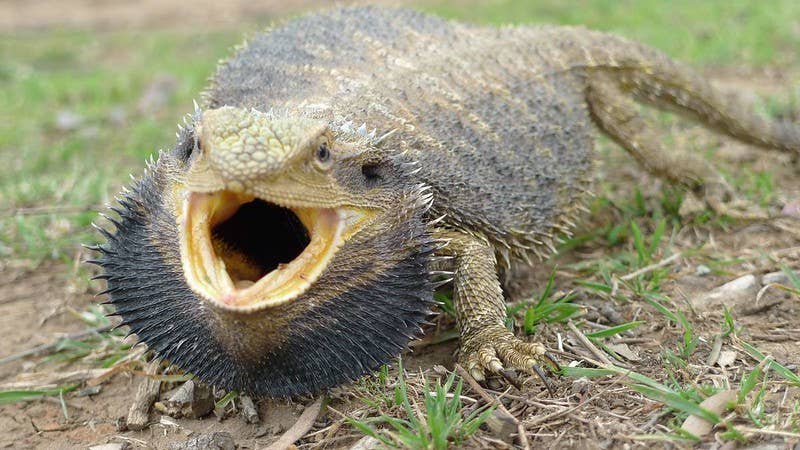
Young dragons grow rapidly and require 50% to 70% of their diet to consist of live insects. Offer gut-loaded crickets, dubia roaches, or mealworms at every meal. Feed them multiple times a day, as their metabolic rate is extremely high. Always dust the insects with a calcium supplement containing vitamin D3 before offering them.
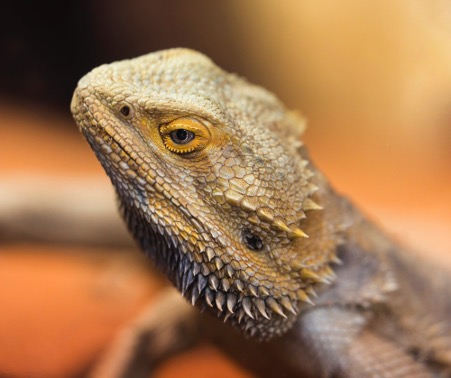
Around six months, begin reducing insect frequency while increasing vegetable variety. Shift the ratio to 50% insects and 50% vegetables. This transition period is critical; skipping it often leads to obesity or nutritional deficiencies in adulthood. Continue to monitor their activity levels to ensure they are eating enough during the shift.
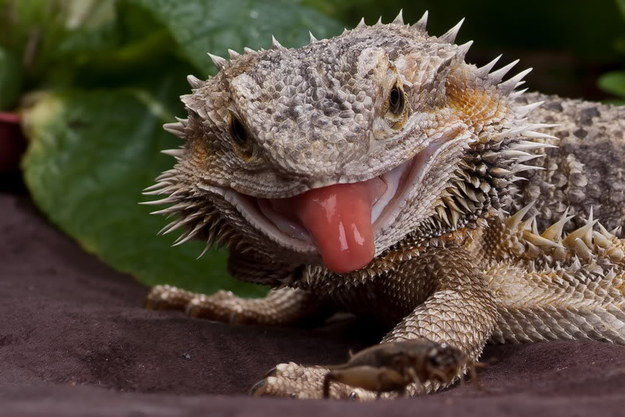
Adult bearded dragons are primarily herbivores. Their diet should consist of 80% to 90% dark leafy greens and vegetables, with only 10% to 20% insects. Offer collard greens, mustard greens, and dandelion greens daily. Limit high-oxalate vegetables like spinach and beet greens, which can bind calcium and prevent absorption. Feed adults once a day or every other day.
The difference between a healthy dragon and one suffering from metabolic bone disease often comes down to these daily ratios. Juveniles need protein to grow; adults need fiber to survive. Confusing the two leads to long-term health failures that are difficult to reverse.
| Category | Juvenile (0-6 mos) | Adult (12+ mos) |
|---|---|---|
| Primary Food Source | Insects (50-70%) | Vegetables (80-90%) |
| Feeding Frequency | Multiple times daily | Once daily or every other day |
| Key Greens | Dandelion, Kale | Collard, Mustard, Turnip Greens |
| Calcium Supplement | Every meal with D3 | 3-4 times per week with D3 |
Proper nutrition is not just about filling their stomach; it is about preventing the skeletal deformities that plague neglected pets. Stick to these ratios strictly. If your dragon is lethargic or refusing food, check your calcium and UVB lighting before changing their diet.
Maintain hygiene and health checks
A clean habitat and daily observation are the best ways to catch health issues before they become emergencies. Spot-cleaning the enclosure every day removes soiled substrate and uneaten food, preventing bacterial growth and parasites.
Perform a more thorough cleaning weekly by replacing all substrate and washing the enclosure with a reptile-safe disinfectant. Rinse and sanitize food and water bowls daily. Check that hides, branches, and rocks are stable and free of sharp edges that could cause injury.
While cleaning, inspect your bearded dragon’s body. Look for clear, bright eyes and check the skin for stuck shed, especially around the toes and tail tip. Examine the vent for swelling or discharge, and ensure the mouth is free of white patches that could indicate stomatitis. Any lumps, swelling, or lethargy should prompt a visit to an exotic vet immediately.
Watch common care mistakes
Small errors in daily care add up quickly, often leading to metabolic bone disease or respiratory infections. Avoid these frequent pitfalls to keep your bearded dragon healthy and active.
Skipping UVB lighting
UVB bulbs are non-negotiable. They allow your dragon to synthesize vitamin D3, which is essential for calcium absorption. Without it, bones soften and deform. T5 HO linear bulbs last only six to twelve months before losing intensity, even if they still emit visible light. Replace them on schedule rather than waiting for signs of illness.
Feeding only lettuce
Lettuce has high water content and low nutritional value. It fills the stomach without providing energy. Instead, offer dark leafy greens like collard greens, mustard greens, and dandelion greens. Pair these with appropriate insects like dubia roaches or crickets. A varied diet prevents nutritional deficiencies and supports proper growth.
Incorrect basking temperatures
Bearded dragons are ectotherms; they rely on external heat to digest food. The basking spot should reach 95–110°F (35–43°C). If the temperature is too low, digestion slows, leading to impaction or stunted growth. Use a digital thermometer to verify the gradient across the enclosure, ensuring a cool zone around 75–85°F (24–29°C).
Neglecting humidity
While desert-dwelling, bearded dragons need moderate humidity to shed skin properly. Low humidity causes retained shed, which can restrict blood flow to toes or eyes. Provide a humid hide with damp moss or lightly mist the enclosure. Check for signs of stuck shed regularly, especially in juveniles.
Overhandling juveniles
Young bearded dragons are stressed by constant handling. This can suppress their immune system and cause them to stop eating. Limit handling to short, gentle sessions. Let them explore their enclosure safely to build confidence and strength.
Frequently asked: what to check next
Footnotes
-
Source: Long Island Avian and Exotic Vet Clinic, Bearded Dragon Care Guide. ↩
No comments yet. Be the first to share your thoughts!